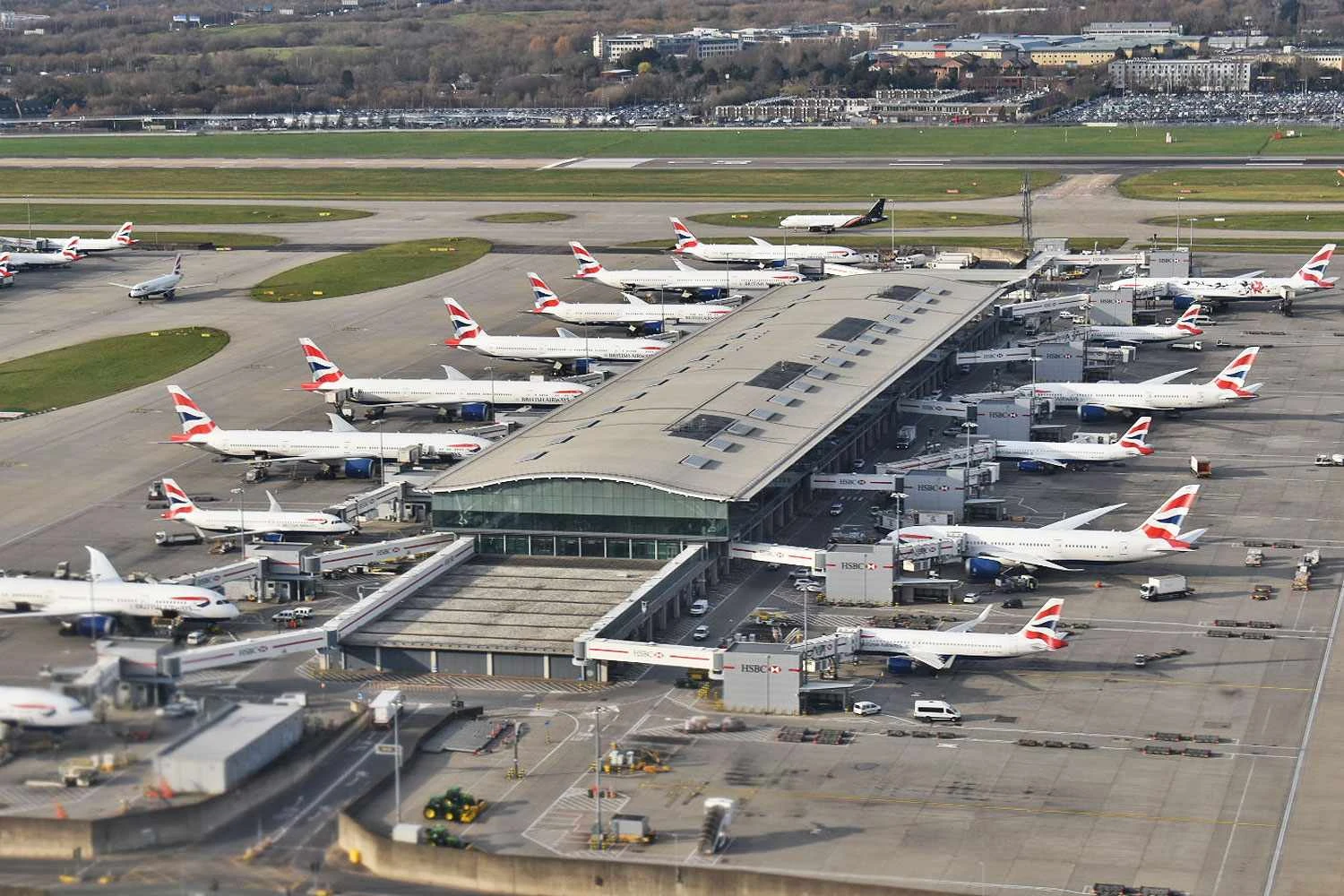
European airlines are facing mounting pressure from higher jet fuel costs and possible supply constraints after the conflict involving Iran disrupted energy flows through the Strait of Hormuz, according to a BBC.
The situation has raised concerns across the European aviation sector ahead of the busy summer travel season, particularly because many countries in the region remain heavily dependent on fuel imports linked to the Gulf.
Industry executives and regulators do not currently expect an immediate shortage of jet fuel, but warn that sustained disruption could push operating costs higher for months.
Willie Walsh, director general of the International Air Transport Association (IATA), said higher ticket prices are becoming unavoidable as airlines struggle to absorb rising fuel expenses.
“There’s just no way airlines can absorb the additional costs they’re experiencing,” Walsh told the BBC.
Related news
June 09, 2026
Fuel prices have climbed following the temporary closure of the Strait of Hormuz and attacks affecting refining and energy infrastructure in the Gulf region.

The European Union has already taken steps to ease potential supply pressures by indicating that US-grade jet fuel could be used by European airlines if introduced carefully into existing logistics systems.
European Energy Commissioner Dan Jorgensen said this week that authorities do not foresee a major short-term shortage, although he acknowledged that supply challenges later in the year cannot be ruled out.
Airlines are entering the peak summer season with significantly higher fuel demand. According to Walsh, fuel requirements during July and August are typically about 25% higher than during quieter periods such as March.
The disruption comes at a sensitive moment for European carriers, many of which had been benefiting from lower fuel prices earlier this year while continuing to rebuild capacity and international networks.
Recent news
Some airlines have temporarily lowered fares in certain markets to stimulate demand, but industry executives expect those discounts to disappear if fuel costs remain elevated through the second half of 2026.
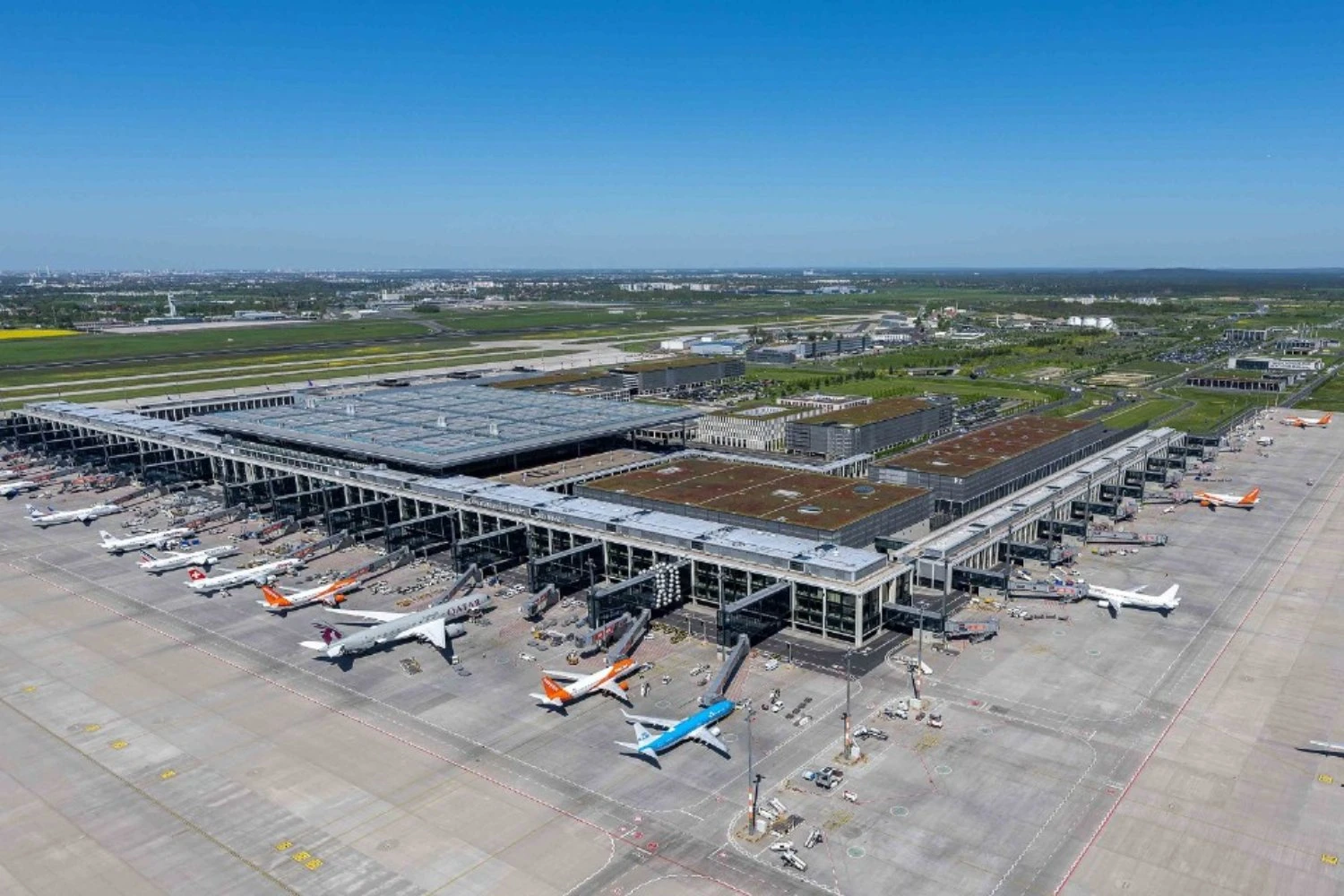
The impact is expected to be particularly visible on long-haul routes, where fuel represents one of the largest components of operating costs.
Even if shipping through the Strait of Hormuz normalizes quickly, aviation analysts believe fuel prices may remain volatile because of broader disruptions to crude oil supply chains and refinery operations in the Gulf.