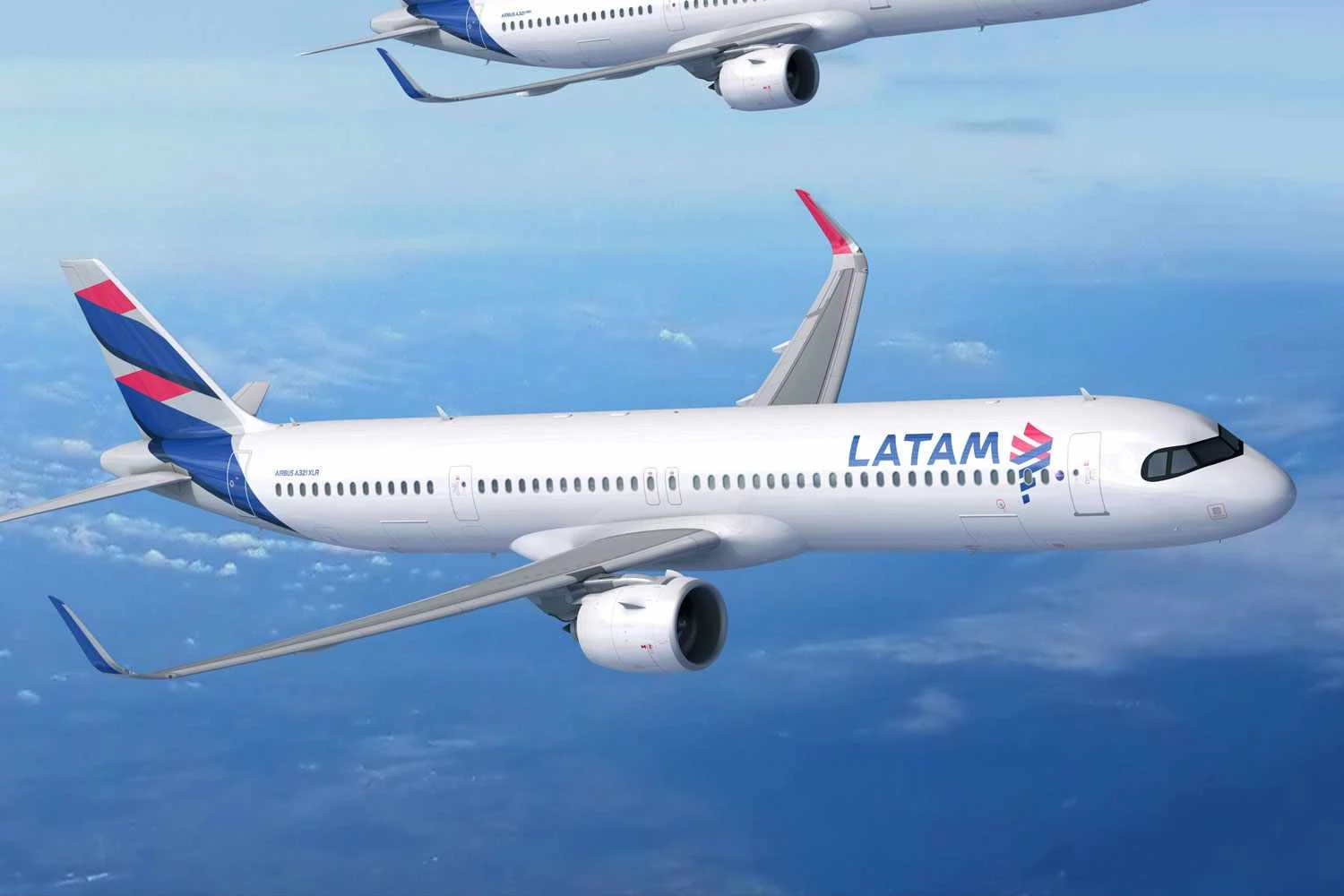
LATAM Airlines is reconsidering how it plans to deploy its future Airbus A321XLR fleet after Peru introduced a new connection fee at Lima’s Jorge Chávez International Airport, a measure heavily criticized by the airline during its first-quarter earnings call.
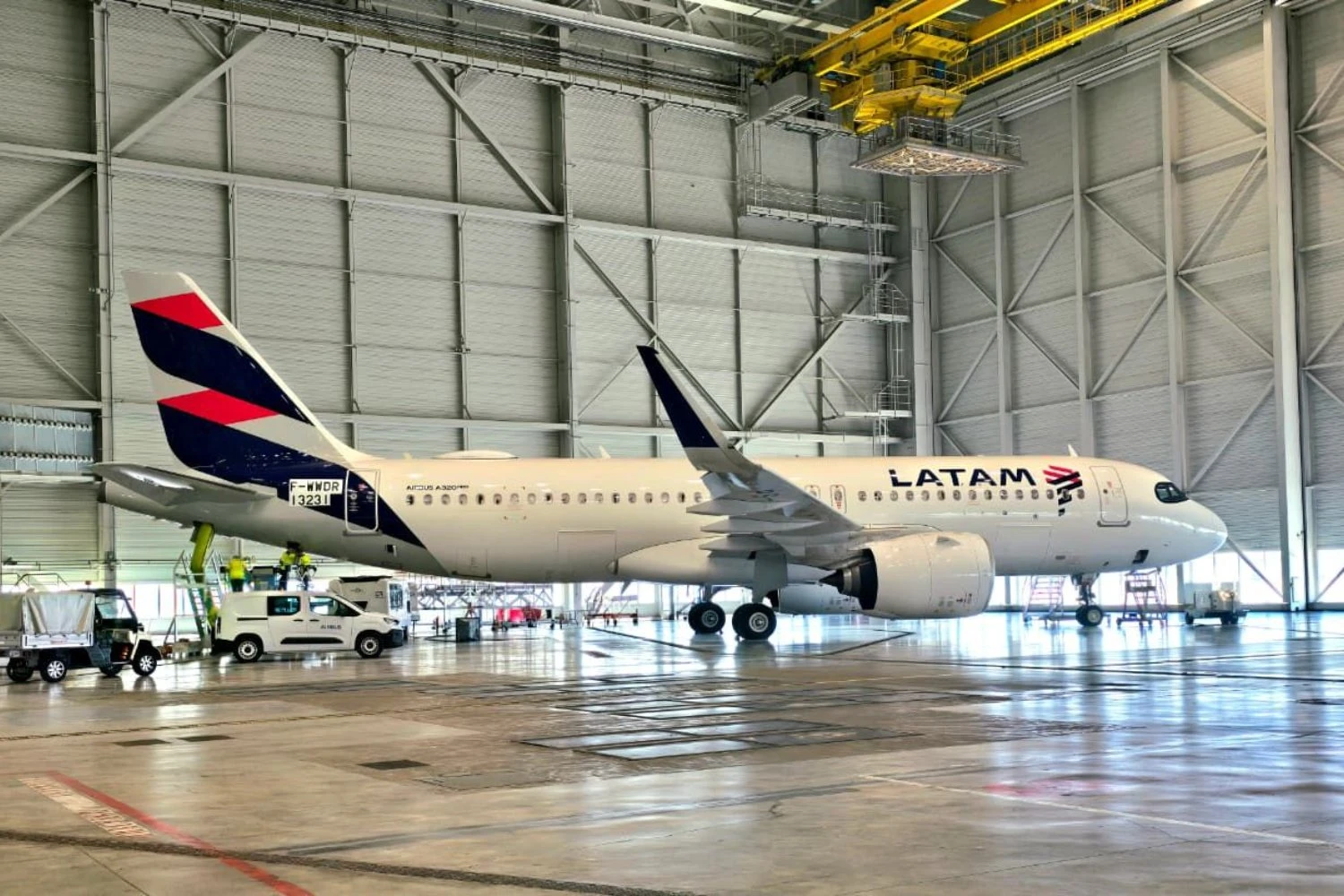
The South American airline group is expected to begin receiving 13 A321XLR aircraft in 2027 and had initially planned to use part of the fleet from Lima on routes to the United States.
“We were initially going to deploy the XLRs in Lima, given the fact that there's a connection fee now imposed in Peru, which we believe it's a terrible and pretty bad public policy,” LATAM CEO Roberto Alvo said.
Related news
According to Alvo, LATAM is now evaluating other possible bases for the aircraft, including Brasília and Fortaleza in Brazil.

Both cities occupy strategic geographic positions for flights to the Northern Hemisphere. Located closer to North America and Europe than LATAM’s traditional hubs in São Paulo and Santiago, they allow the A321XLR to operate a wider range of long-haul routes while preserving payload and operational flexibility.
The Airbus jet is designed for thinner long-haul markets that may not justify larger widebody aircraft such as the Boeing 787 or Airbus A350. From São Paulo Guarulhos and Santiago, however, the range envelope of the A321XLR becomes more limited on several potential intercontinental routes.
Brasília could support services to parts of North America, while Fortaleza offers a natural position for routes across the Atlantic and to northern South America. Fortaleza in particular has long been viewed by airlines as one of Brazil’s most geographically favorable gateways for Europe because of its northeastern location.

LATAM has not finalized the deployment strategy for the aircraft, but the A321XLR is expected to become an important part of the airline’s international expansion plans later this decade.
The carrier also confirmed that the aircraft will feature a premium-focused cabin layout with full-flat business-class suites with doors, direct aisle access and onboard connectivity.
The A321XLR is Airbus’ longest-range narrowbody aircraft, capable of flying up to 4,700 nautical miles and opening routes traditionally operated by larger twin-aisle jets.