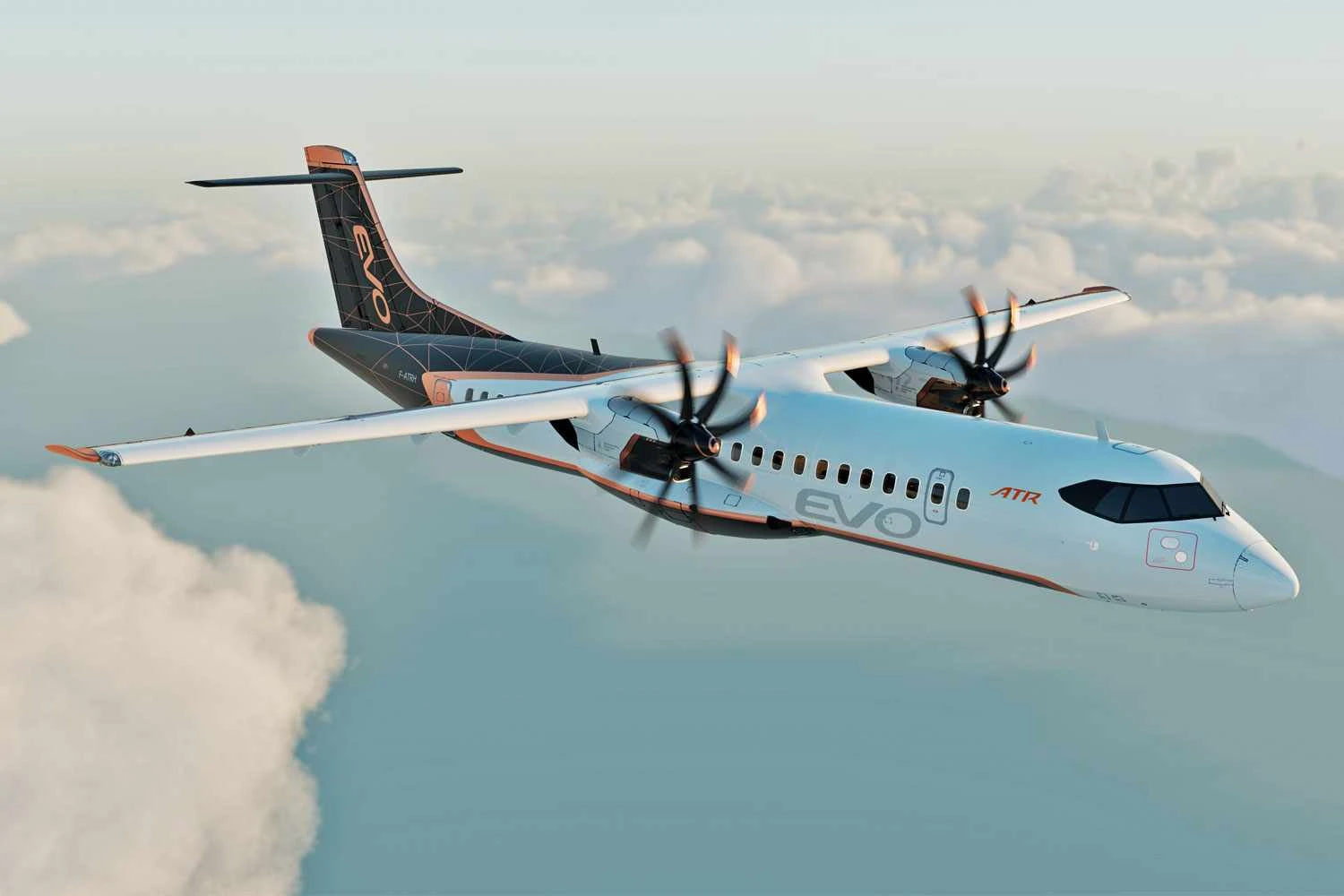
Regional aircraft manufacturer ATR has called on European policymakers to take a more active role in supporting sustainable aviation fuel (SAF) and low-emission technologies, arguing that regional aviation will be important to the continent's decarbonization efforts.
The company made its case during an event at the European Parliament on June 9, where lawmakers, industry representatives and aviation stakeholders discussed the future of regional air transport in Europe.
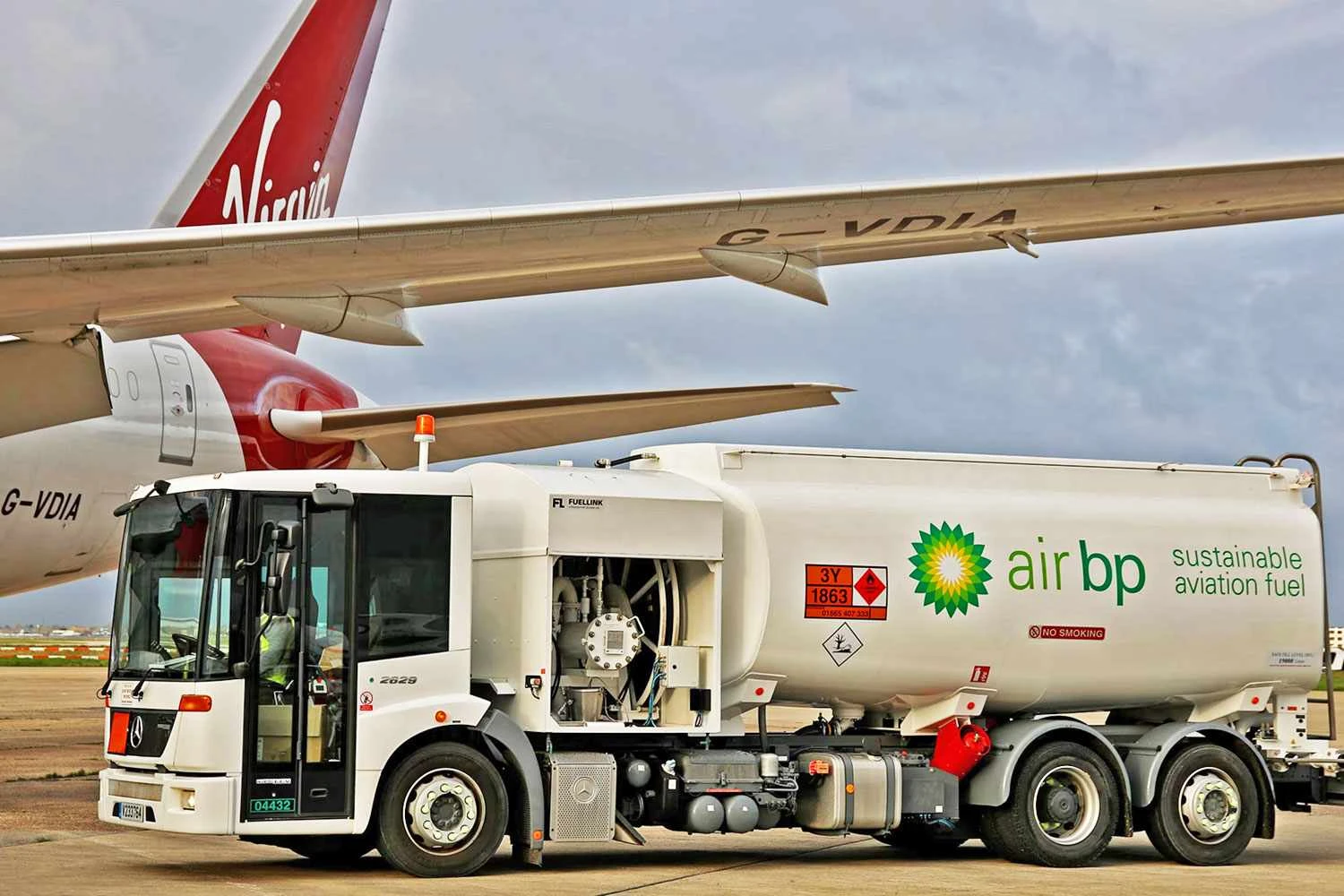
ATR said SAF remains the most effective tool currently available to reduce aviation emissions in the short and medium term and urged European authorities to accelerate production and adoption of the fuel. The manufacturer also called for investment in future technologies, including aircraft retrofits and alternative propulsion systems.
The debate comes as European aviation faces growing environmental obligations and operating costs. Airlines must comply with increasingly stringent emissions rules, while also dealing with higher fuel prices, maintenance challenges and supply chain constraints.

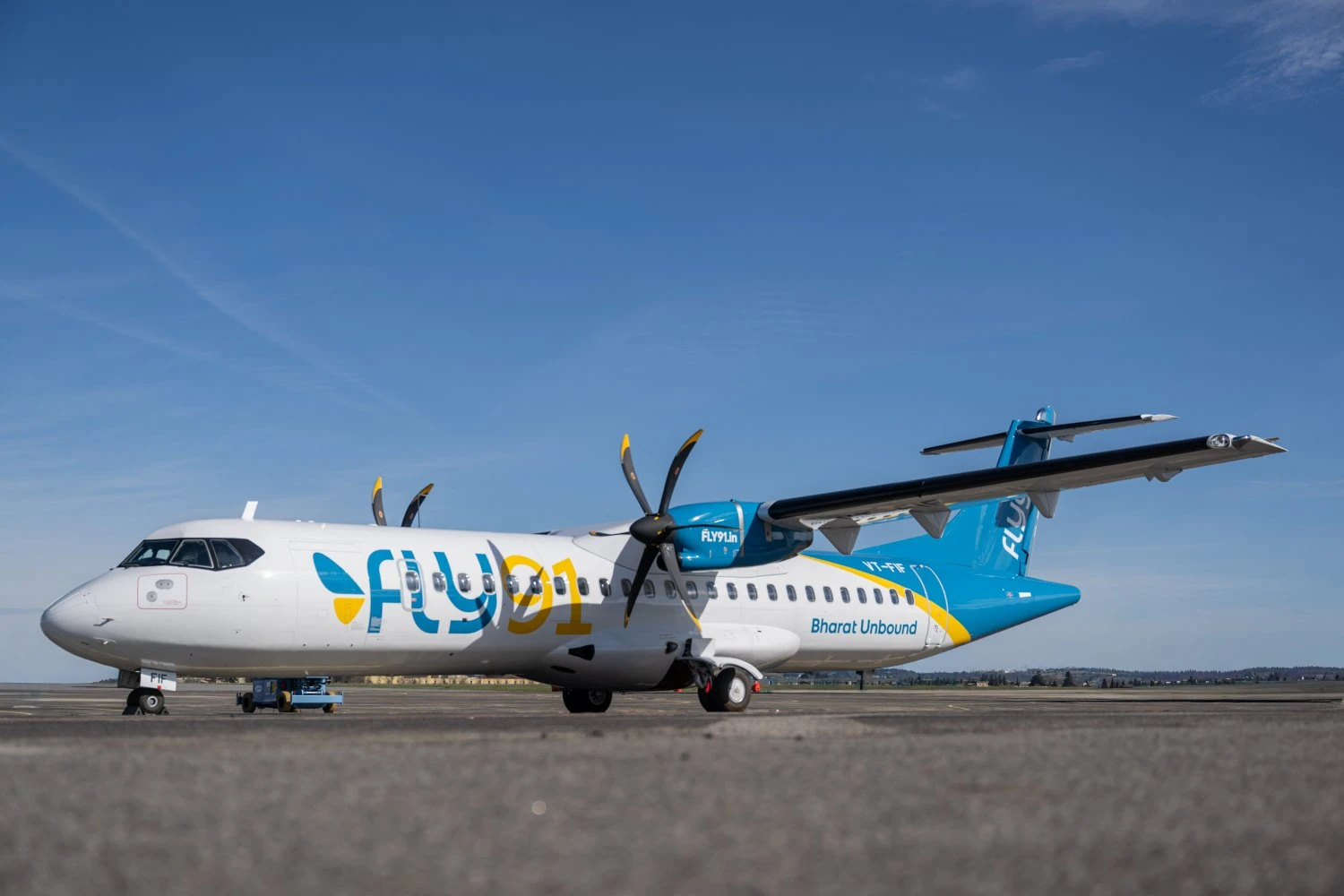
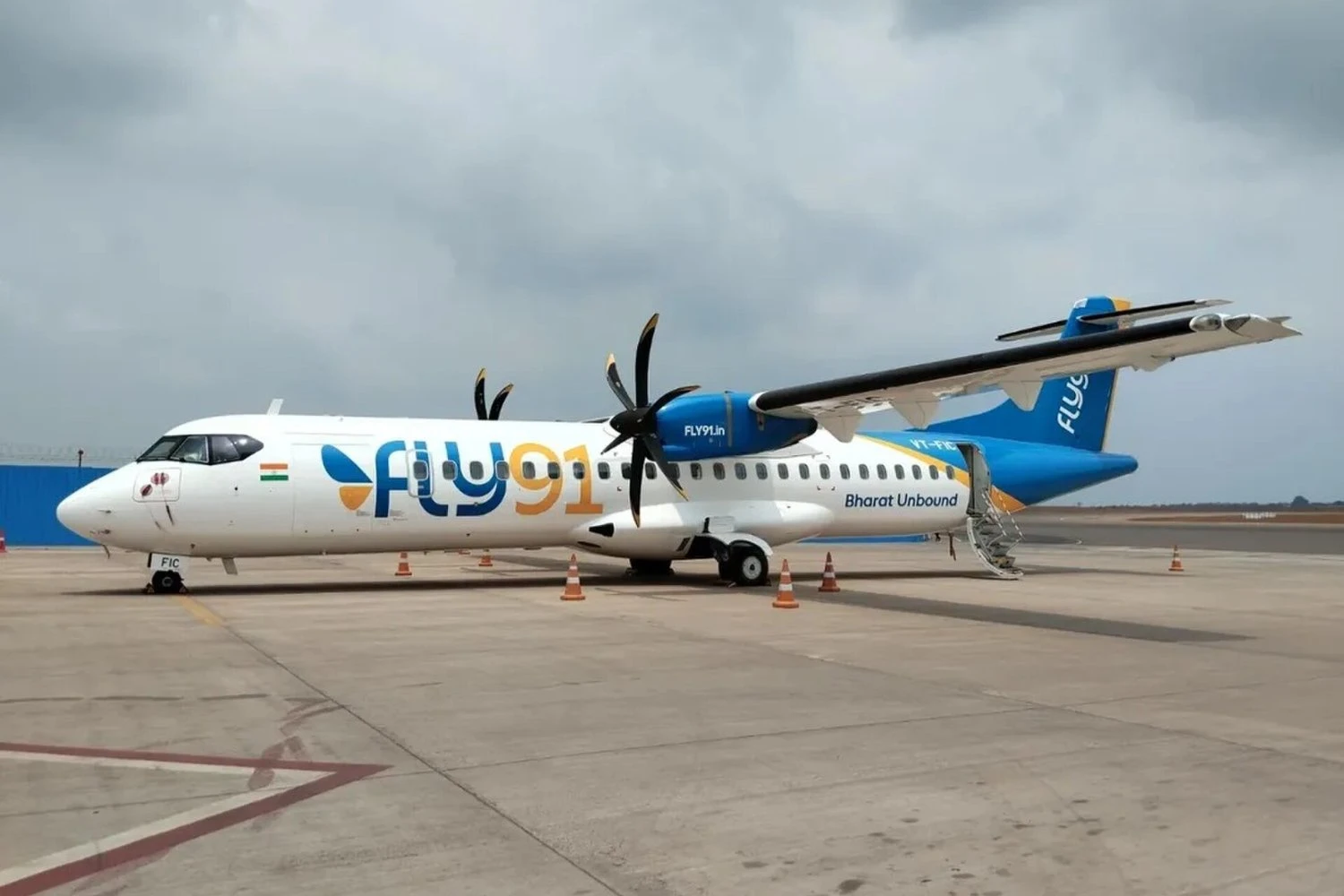
Regional carriers have been particularly vocal about the impact of new regulations. Industry groups have warned that rising costs linked to emissions programs, passenger compensation rules and other regulatory requirements could place additional pressure on smaller airlines operating thin routes.
ATR argues that regional aviation serves communities that often lack practical alternatives, providing links to healthcare, education and economic activity in remote parts of Europe. The company says environmental goals should be pursued without undermining air services that connect those regions.
SAF remains the most practical tool available to reduce aviation emissions in the near term. Longer-term alternatives are progressing more slowly. Airbus, which shares ownership of ATR with Leonardo, has pushed back expectations for hydrogen-powered aircraft and is studying other technologies for its next generation of commercial jets.
While research into hydrogen, hybrid-electric propulsion and other technologies continues, large-scale deployment remains years away and would require significant public and private investment.

Follow Air Data News: WhatsApp | Google News | Instagram | LinkedIn | Twitter | Facebook
Against that backdrop, ATR argues that SAF offers the most realistic path to cutting emissions in the near term while allowing airlines to continue operating existing fleets.
The company did not propose specific legislation but called for a coordinated European aviation strategy that balances environmental targets, industrial competitiveness and regional connectivity.
Airline groups and regional carriers have increasingly warned that environmental targets, SAF mandates and other regulatory requirements are raising costs at a time when many smaller operators are already dealing with fleet shortages, maintenance delays and higher financing expenses.