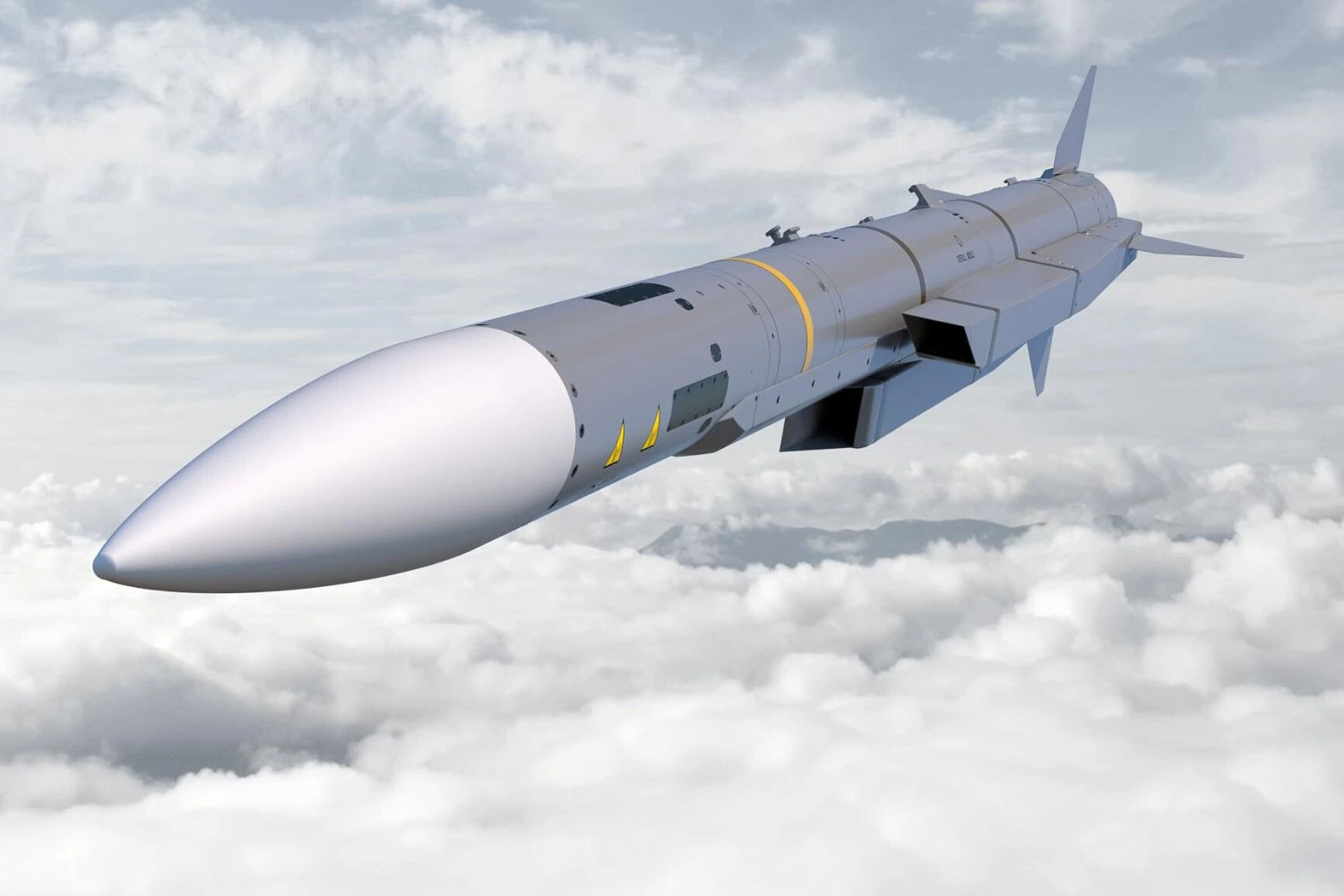
Ukraine's effort to obtain Meteor air-to-air missiles for its future Saab Gripen fighters is the latest indication of how the European-developed weapon has gained strategic importance as NATO countries strengthen their ability to confront Russian combat aircraft.
On November 17, Ukraine, Sweden and the United Kingdom signed a letter of intent covering weapons, equipment and logistical support for the Gripen fleet being prepared for Ukrainian service. Kyiv singled out Meteor as a priority, particularly for engaging Russian aircraft that launch guided glide bombs against Ukrainian cities and frontline positions.
The agreement does not establish a confirmed delivery date or quantity for the missiles. Nevertheless, the Ukrainian request reflects a wider European trend: additional Meteor orders, the expansion of its operational user base and efforts to integrate the weapon with the F-35 stealth fighter.
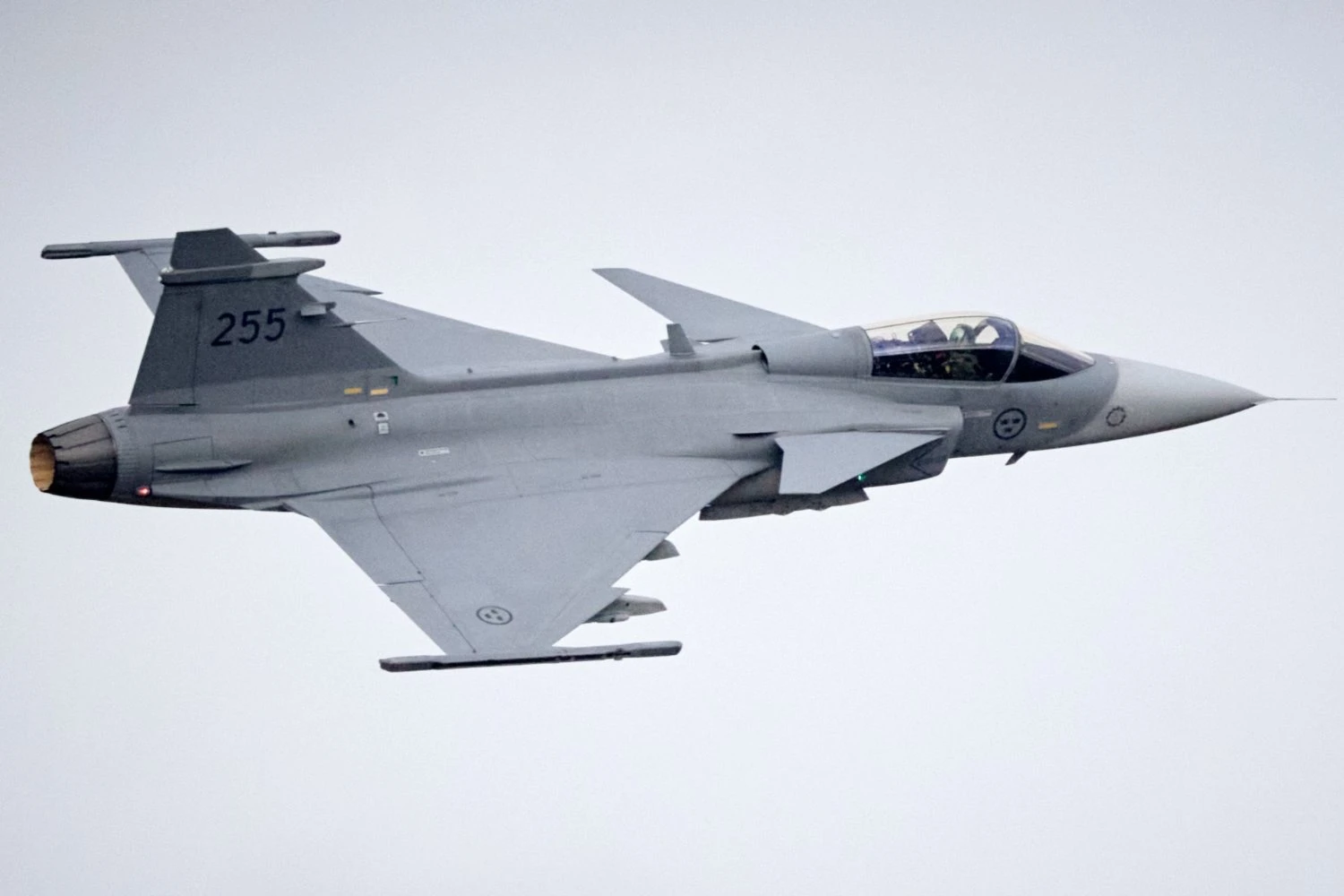
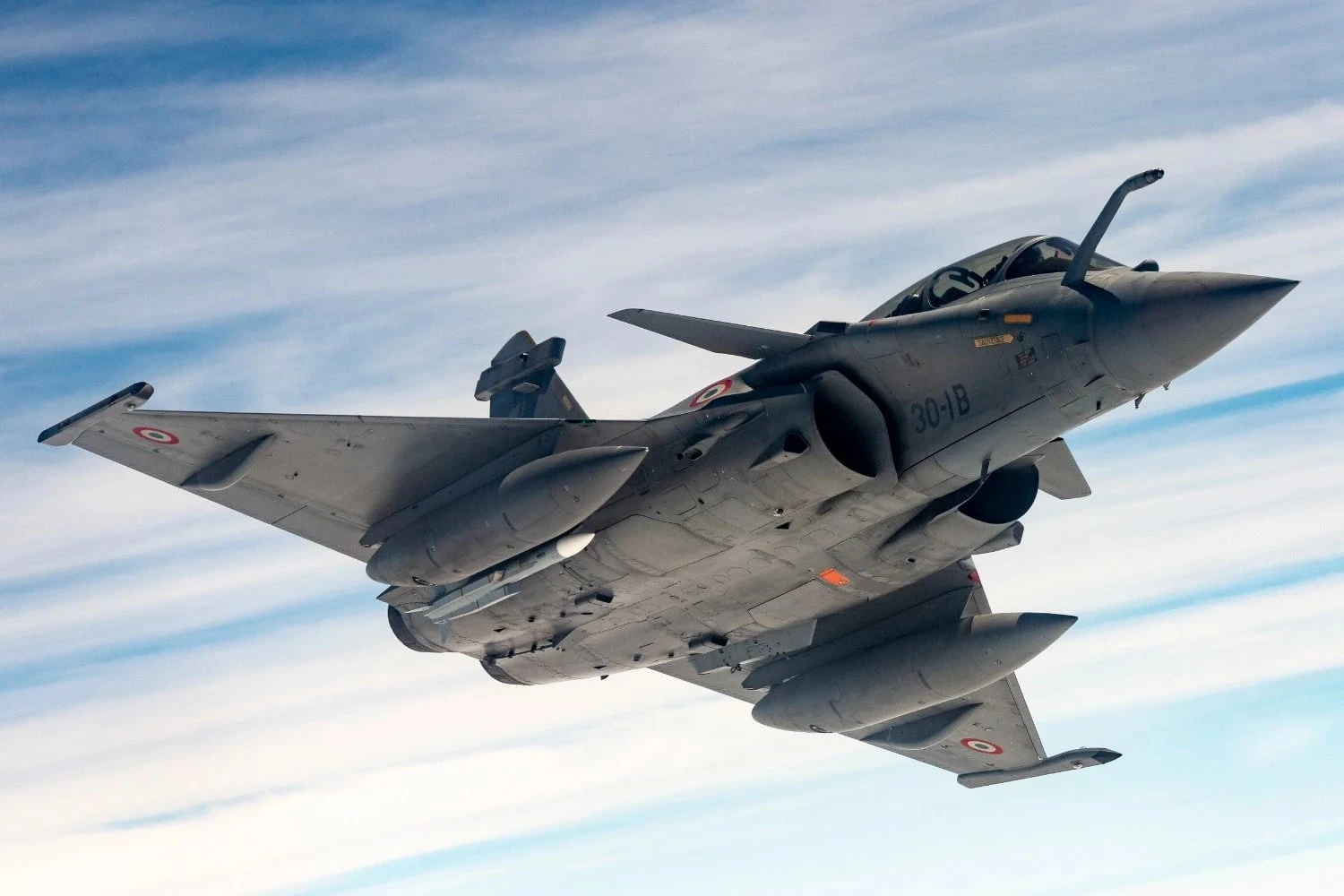
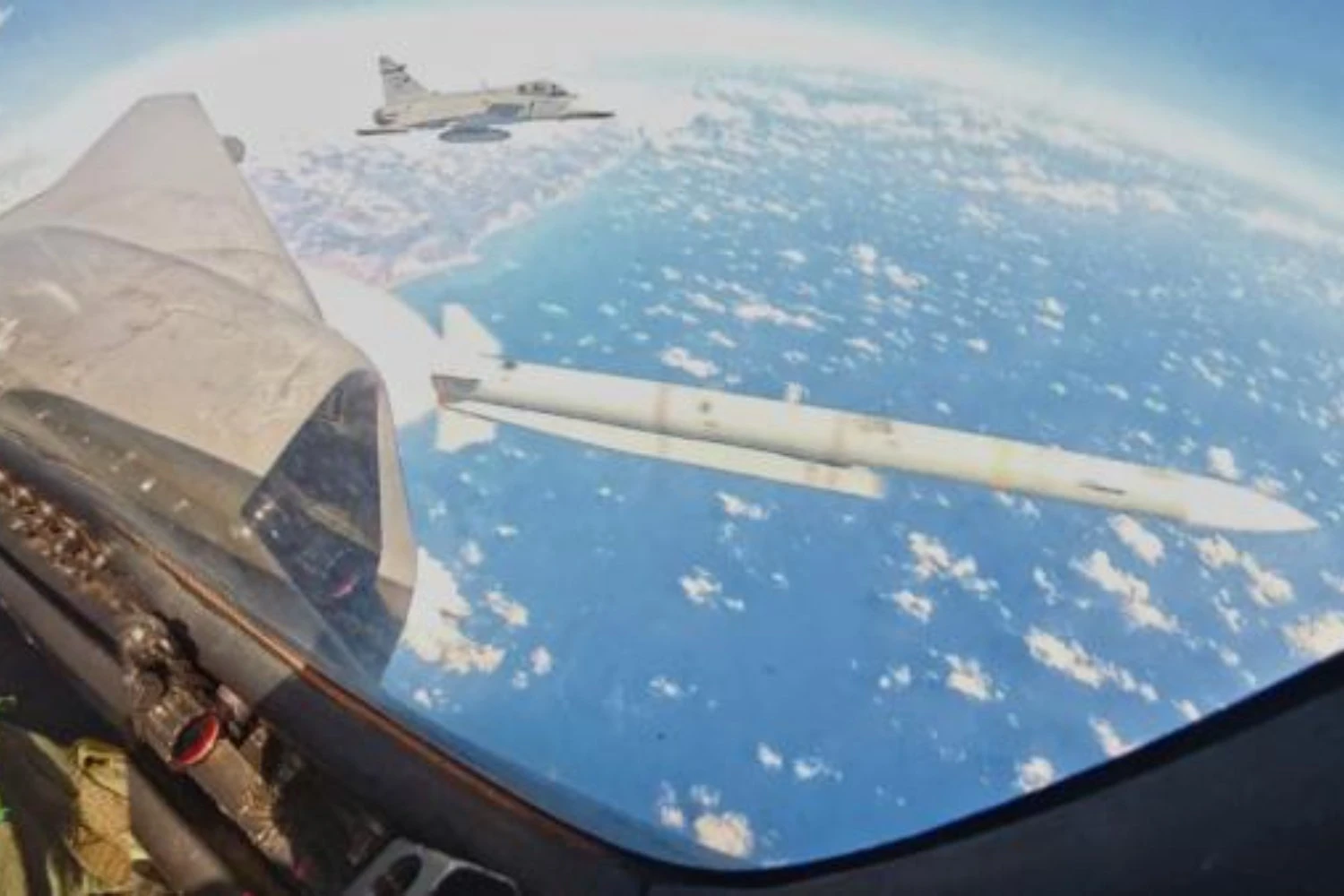
Developed through a six-nation European program, Meteor already equips the Saab Gripen, Dassault Rafale and Eurofighter Typhoon. Its combination of sustained propulsion, long-range engagement capability and compatibility with several European fighters has made it a central element of the continent's air-to-air arsenal.
Ukraine's problem with Russian glide bombs
Russian aircraft such as the Sukhoi Su-34 can release guided bombs from considerable distances behind the front line, reducing their exposure to Ukrainian fighters and ground-based air defenses.
Follow Air Data News: WhatsApp | Instagram | LinkedIn | Twitter | Facebook
These weapons have become a major challenge for Ukraine. Although their individual guidance systems and accuracy vary, glide bombs allow Russia to attack defensive positions and urban areas without routinely sending its aircraft directly over Ukrainian-controlled territory.
Intercepting the bombs after release is one option, but attacking the aircraft before they launch them could reduce the number of weapons reaching their targets. That is the capability Ukraine hopes to strengthen with Gripen fighters carrying Meteor.
Unlike a conventional short-range air-to-air missile, Meteor is designed to engage aircraft well beyond visual range. Its potential reach would allow Ukrainian pilots to threaten Russian bomb carriers from positions farther behind their own lines.
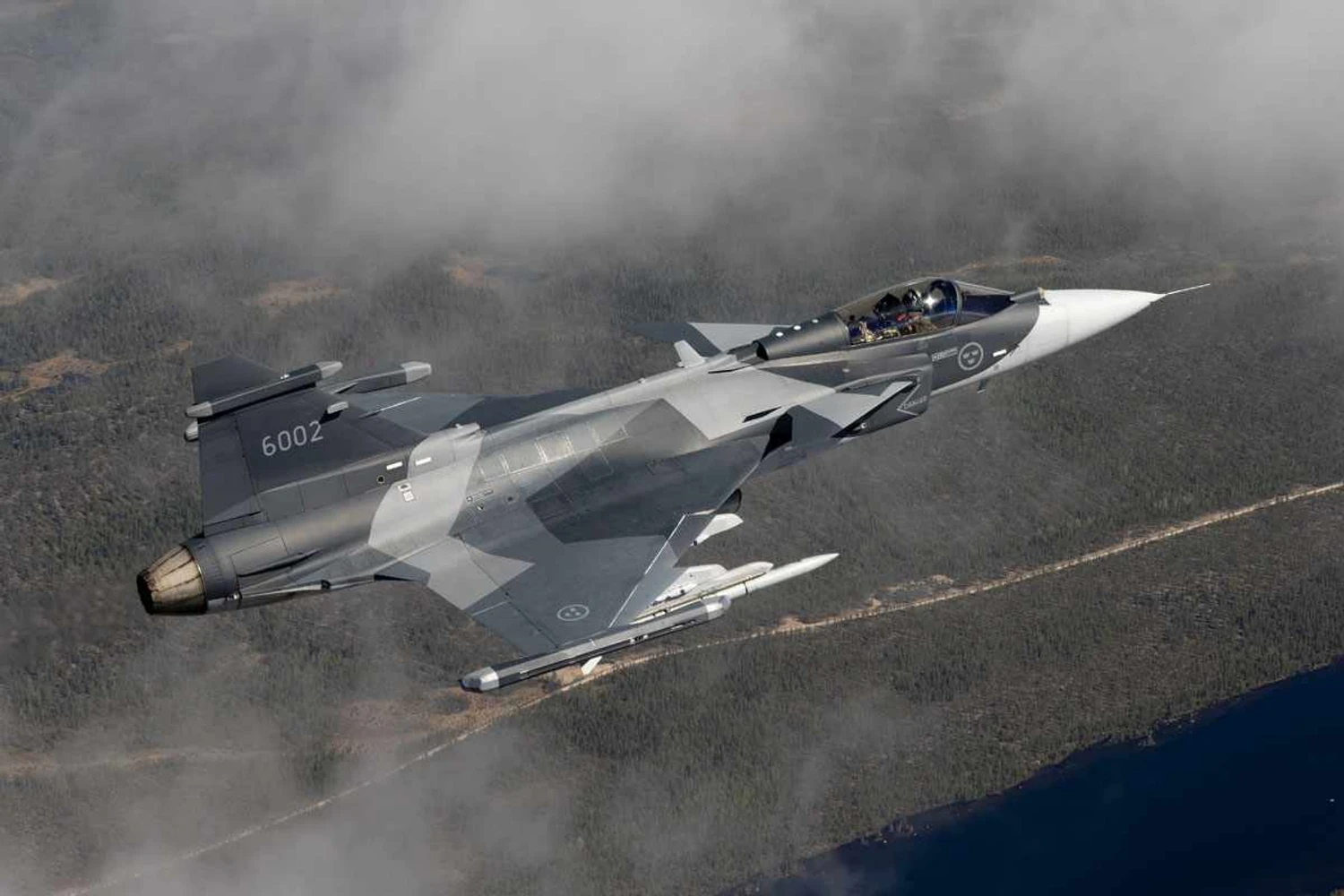
Military analysts have identified the combination of Gripen and Meteor as a potentially significant improvement over Ukraine's existing Western-supplied fighter armament. The advantage, however, would depend on the aircraft's sensors, targeting information, operational conditions and the ability to approach suitable launch positions.
Russian fighters would also remain protected by their own long-range air-to-air missiles and an extensive network of surface-to-air systems. Meteor would complicate their operations rather than automatically prevent glide-bomb attacks.
Sweden has proposed donating up to 16 Gripen C/D fighters alongside a separate arrangement for newer Gripen E/F aircraft. Its proposed weapons package may include Meteor, AMRAAM and IRIS-T missiles, although the final composition and delivery schedule have not been publicly established.
Why Meteor is different
The principal distinction between Meteor and many other beyond-visual-range missiles lies in its propulsion system.
Conventional weapons such as the AIM-120 AMRAAM generally use rocket motors that burn for a relatively short period after launch. Once that powered phase ends, the missile continues toward its target using the energy it has accumulated.
Meteor uses a throttleable ducted-rocket propulsion system, commonly described as a ramjet, that can maintain thrust during much of its flight. This helps the missile retain speed and maneuvering energy at extended distances, including during the final stages of an interception.
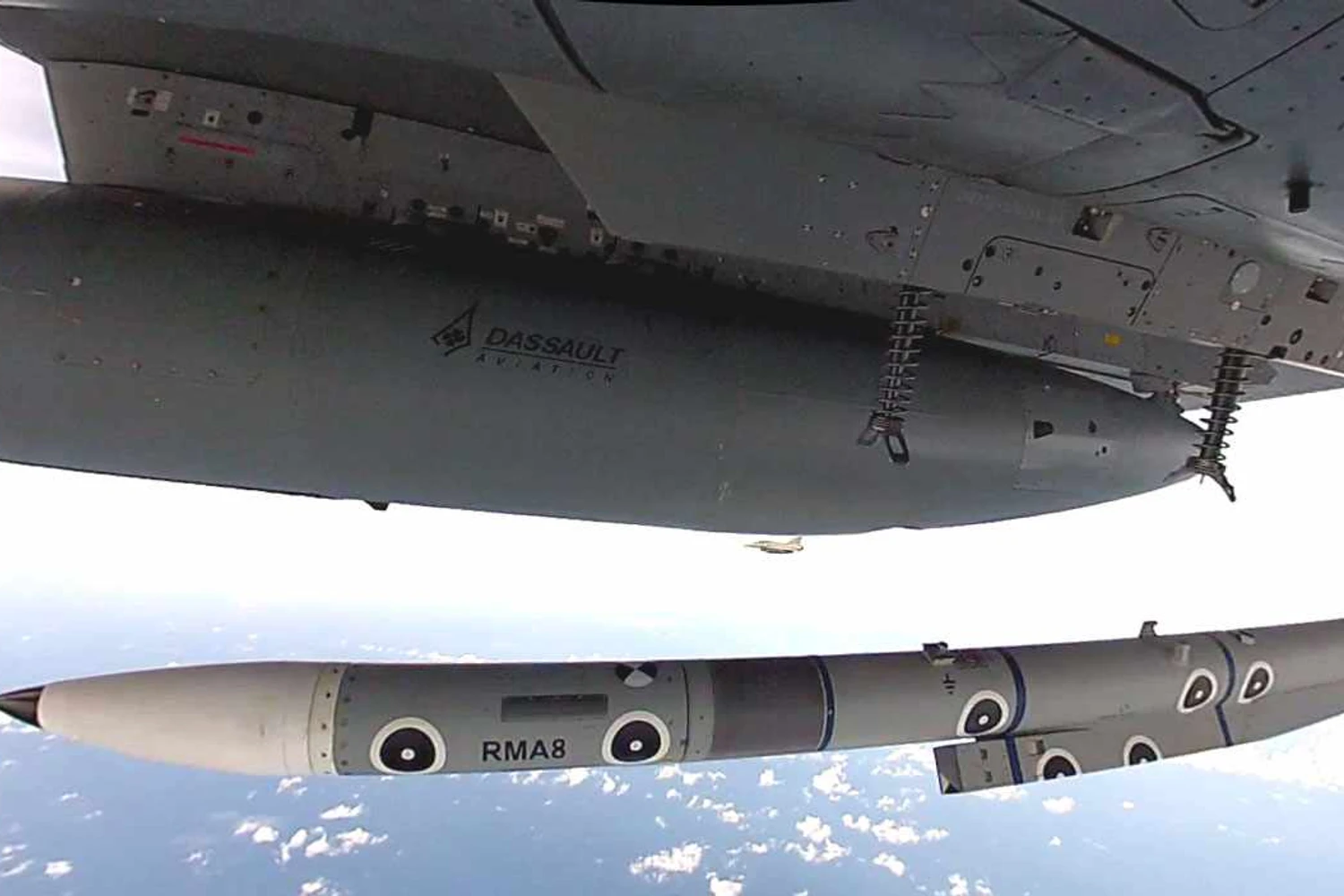
The advantage is especially relevant against a combat aircraft that detects the incoming missile and attempts to escape by turning away, changing altitude or performing defensive maneuvers.
Missile manufacturers describe this characteristic through the no-escape zone, the region in which a target has a relatively low probability of defeating an incoming weapon through maneuvering alone.
MBDA says Meteor offers an exceptionally large no-escape zone compared with conventional air-to-air missiles. Its exact performance figures remain classified, however, and a quoted maximum range should not be confused with a guaranteed engagement distance.
Related news
November 27, 2026
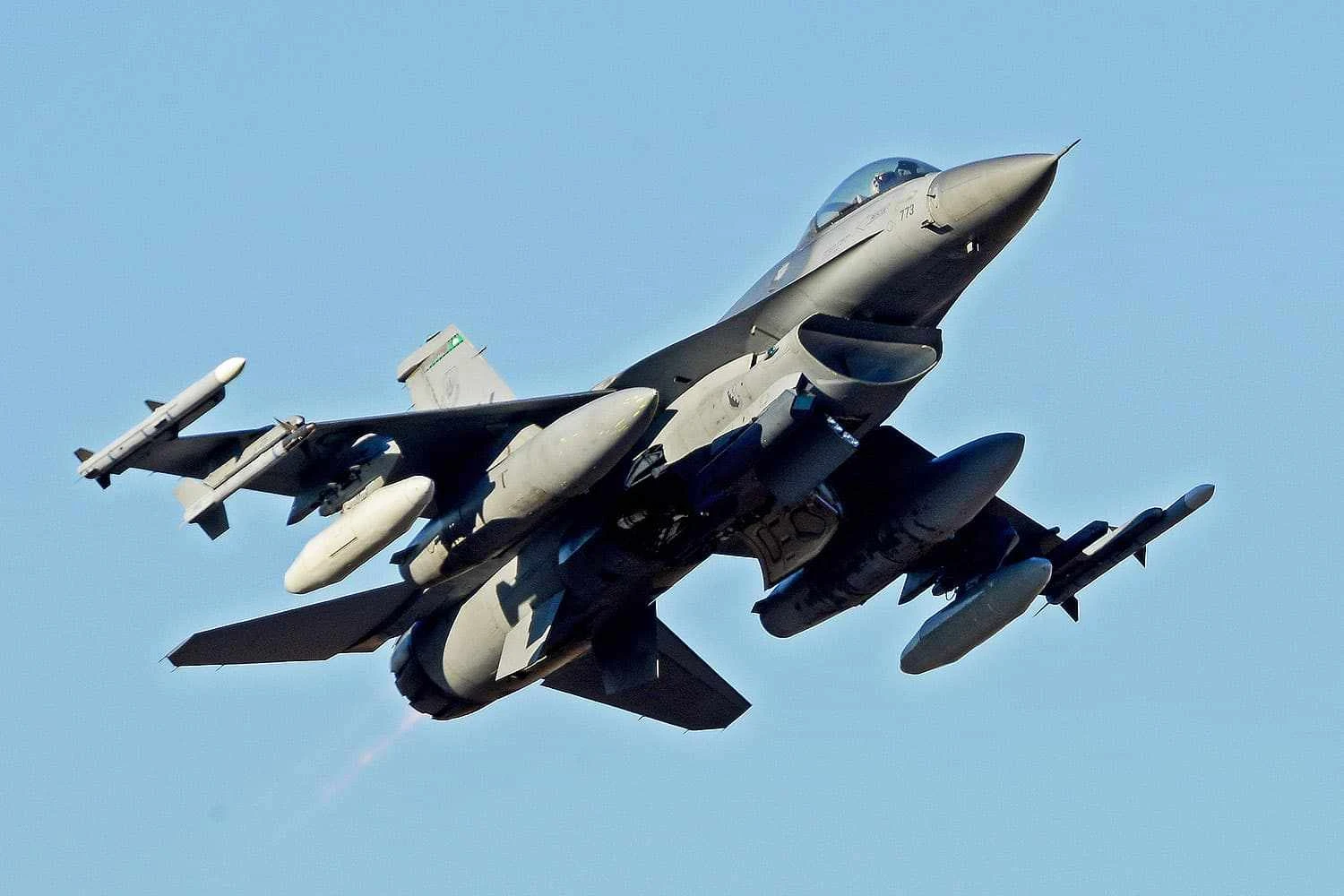
The missile also incorporates an active radar seeker and a two-way data link, allowing targeting updates during flight. That capability can help a launching aircraft or supporting sensors maintain an engagement against a maneuvering target.
These features make Meteor particularly valuable in an environment where fighters may have only a limited opportunity to attack an adversary before it launches its weapons or withdraws.
A European missile gaining more customers
Meteor was developed through cooperation among the United Kingdom, France, Germany, Italy, Spain and Sweden, with MBDA leading the industrial program.
Sweden became the first country to introduce the missile into operational service on the Gripen in 2016. It subsequently entered service on other European fighter types, including the Rafale and Eurofighter Typhoon.
The program has acquired renewed importance as European air forces reassess their ammunition inventories and the ability to sustain high-intensity operations.
Germany placed an additional Meteor order in January 2026, following further purchases by Sweden and France in 2025. These procurement decisions reinforce a missile already used across several of Europe's principal combat-aircraft fleets.
The significance is not limited to countries geographically close to Russia. Meteor has become a common long-range weapon across different European aircraft manufacturers and national procurement programs, reducing reliance on a single fighter platform.
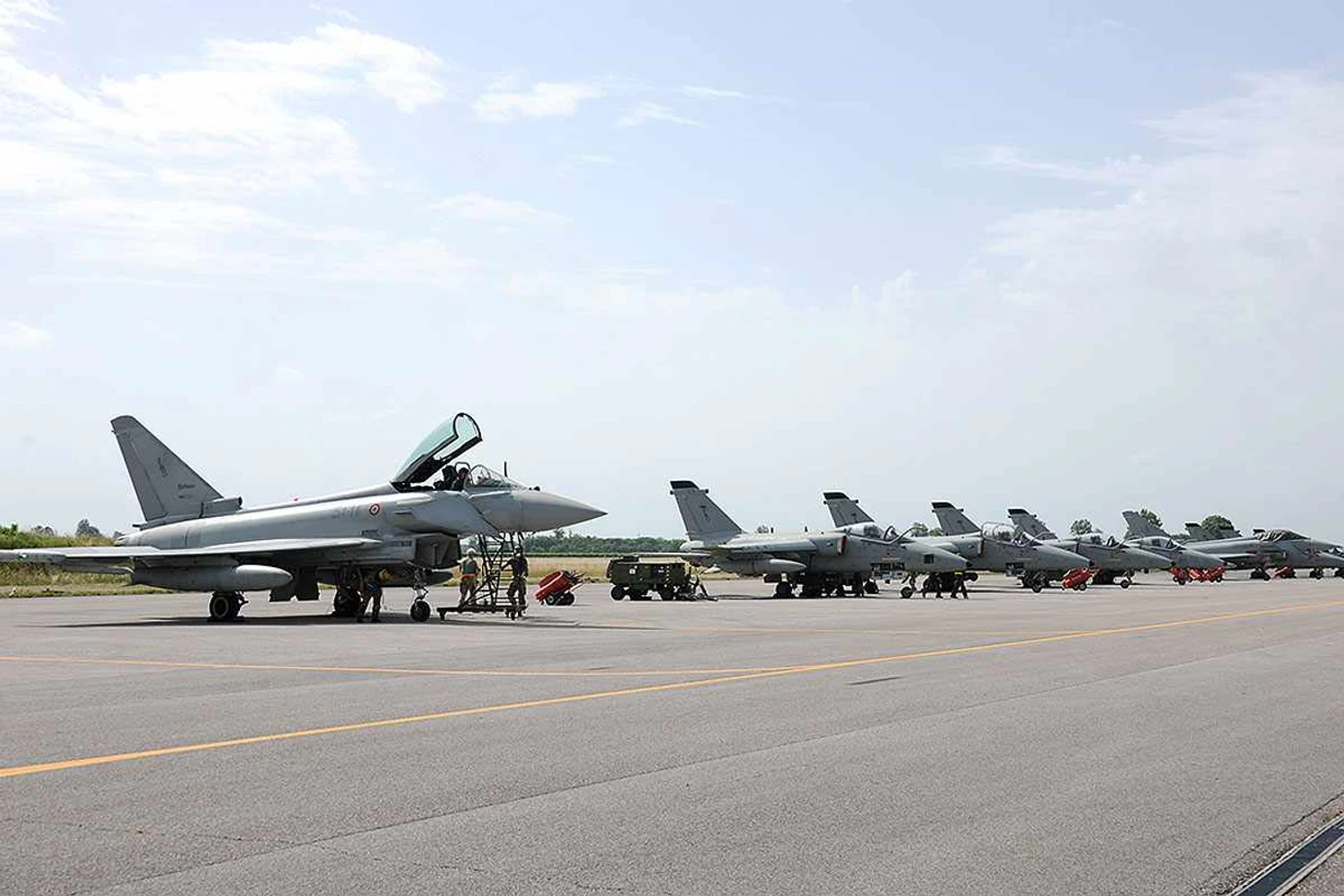
For countries operating near Russian or Belarusian airspace, long-range air-to-air capability is particularly relevant to NATO's air-policing and air-defense missions. Fighters must be capable of identifying, intercepting and, if necessary, engaging hostile aircraft before they threaten allied territory.
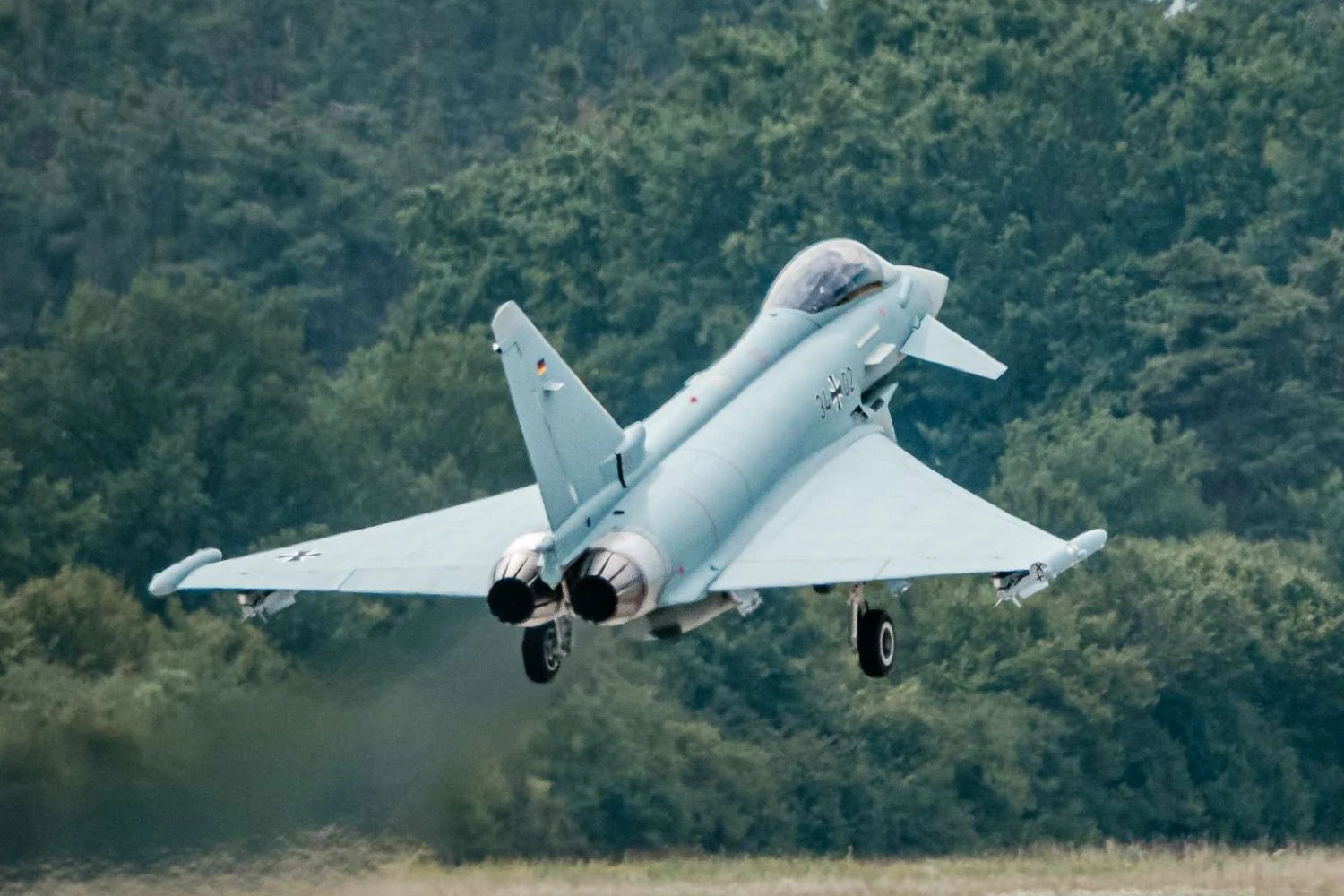
However, deployments of Meteor-compatible fighters to NATO's eastern flank do not necessarily mean the aircraft are carrying the missile on every mission. Nor does every recent European Meteor purchase result directly from a particular Russian airspace violation.
The broader pattern is an investment in combat capabilities intended to remain effective against increasingly sophisticated aerial threats.
F-35 integration extends Meteor's future
One of Meteor's most important developments is its planned integration with the Lockheed Martin F-35.
On October 7, 2026, an F-35B released an inert Meteor test article from its internal weapons bay during a flight trial in the United States. MBDA announced the milestone on November 5.
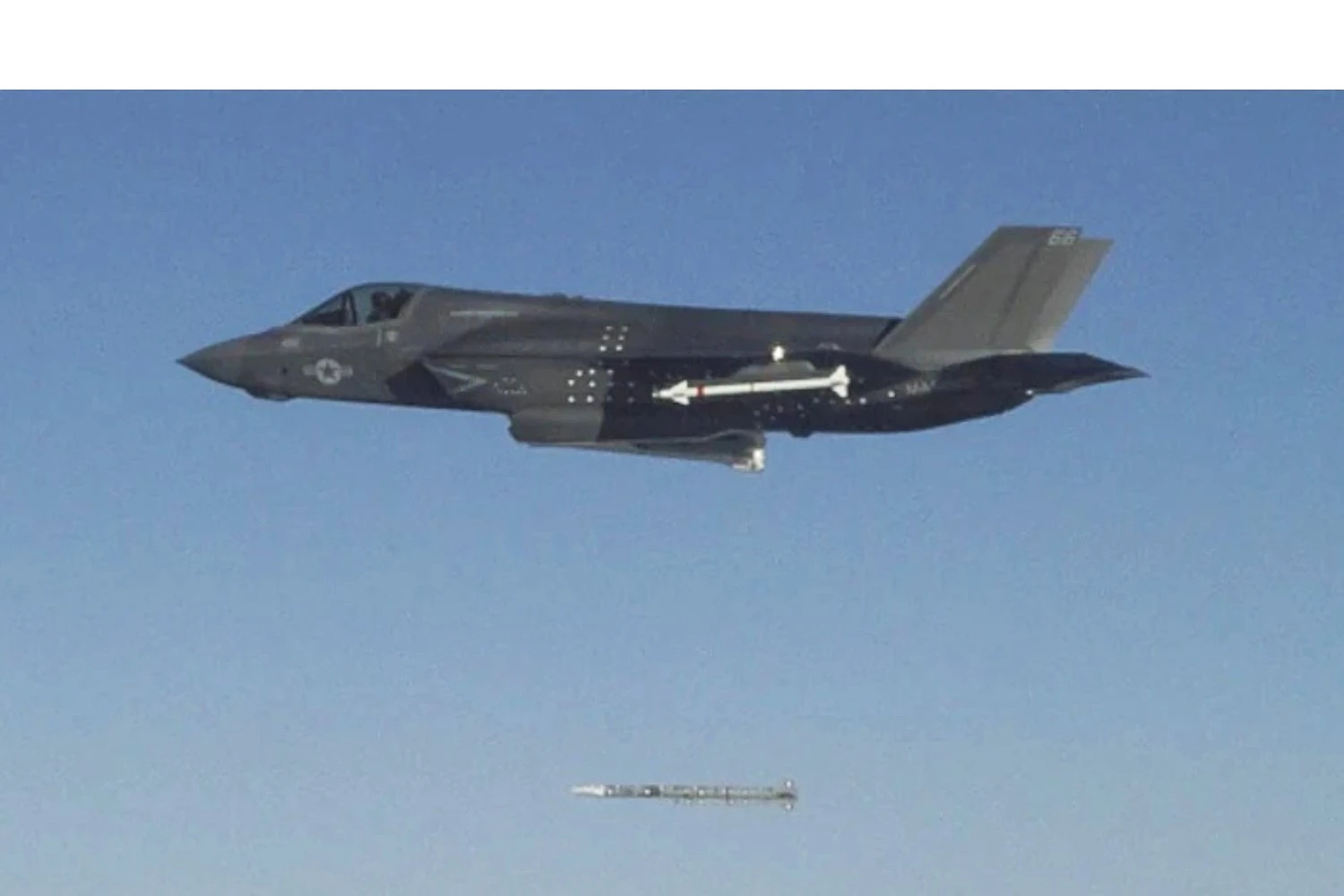
The test assessed safe separation from the aircraft, a critical requirement for a weapon carried internally on a stealth fighter. Additional release trials and live firings are still required before the missile can enter operational service on the F-35.
The United Kingdom is leading integration work on the F-35B, while Italy is supporting the effort to equip the conventional-takeoff F-35A.
The development could combine Meteor's long-range performance with the F-35's sensor systems and ability to operate with reduced radar visibility. It would also extend the missile's relevance beyond the European-designed fighters for which it was originally developed.
South Korea has also pursued Meteor integration on its domestically developed KF-21 Boramae fighter, demonstrating that the weapon's appeal extends beyond NATO's European members.
Strategic advantage, not an automatic solution
Meteor's growing role does not eliminate the importance of other air-to-air weapons. European forces continue to operate American-made AMRAAM missiles and shorter-range weapons, and different aircraft have different certification and integration requirements.
Nor can a missile's performance be assessed independently of the aircraft carrying it. Radar detection, electronic warfare, airborne early warning, communications and pilot training all influence the outcome of long-range engagements.
For Ukraine, the central challenge will be translating the prospective Gripen and Meteor combination into a sustainable operational capability. That requires aircraft, trained crews, maintenance facilities, sufficient missile stocks and access to reliable targeting information.
For European NATO members, the challenge is partly industrial: acquiring enough weapons to equip their fleets and replenish inventories during a prolonged conflict.
France and the United Kingdom have already begun examining technologies for a future successor to Meteor, even as the existing missile gains new orders and aircraft integrations.

Report an error