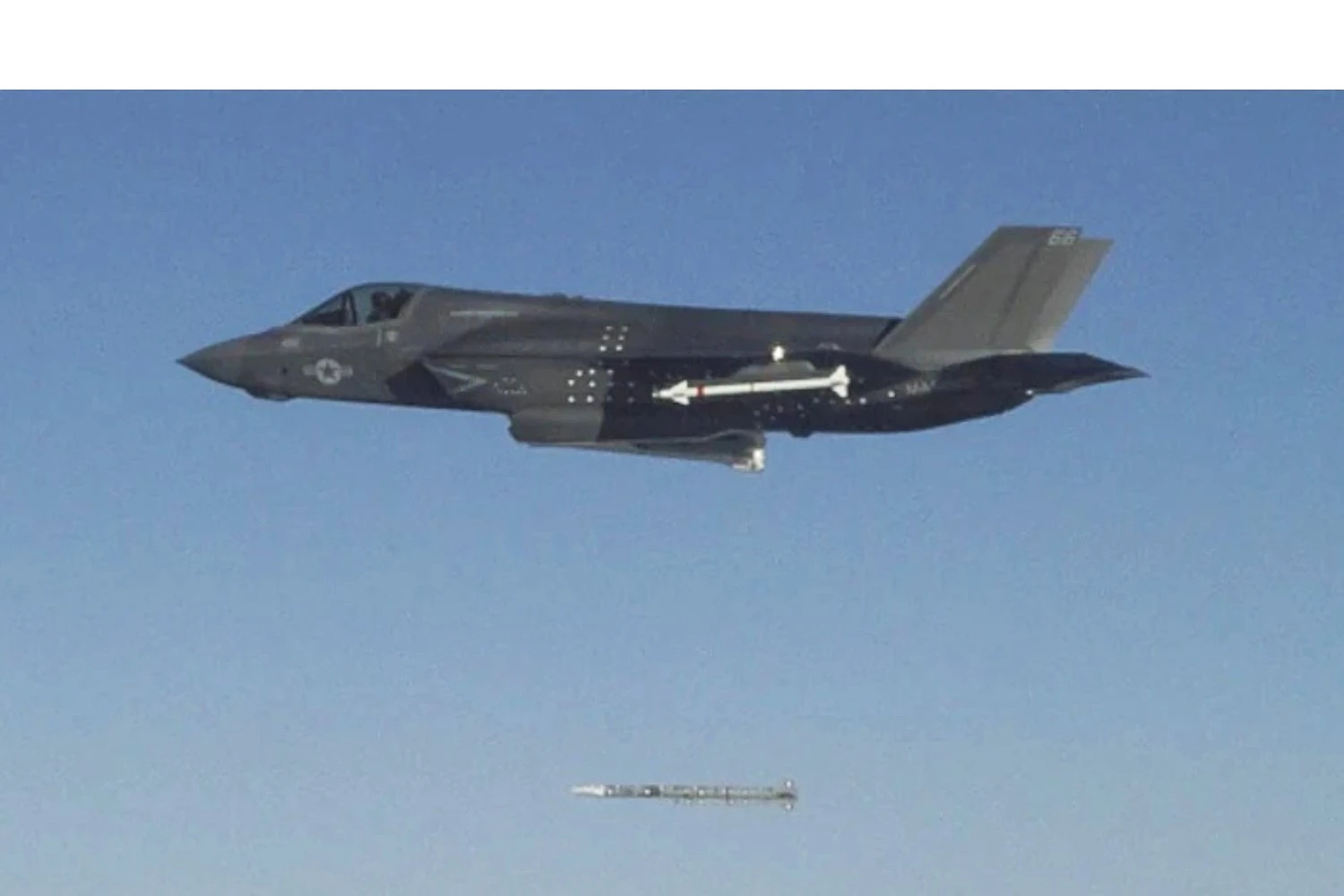
The Meteor beyond-visual-range air-to-air missile has been released from the internal weapons bay of an F-35B for the first time, marking a new stage in a lengthy effort to integrate the European weapon with the stealth fighter.
The test took place on October 7 at Naval Air Station Patuxent River, Maryland, using a weapon test asset rather than an operational missile. The Meteor was jettisoned without its motor or control surfaces operating, allowing engineers to assess whether it could safely separate from the F-35B in the complex airflow beneath the aircraft.
According to MBDA, data collected during the flight will also be used to refine digital models of the weapon's release characteristics. Further jettison tests using different release profiles are planned over the coming months before the campaign progresses to live firings.
The sortie was flown by a Royal Navy test pilot assigned to the Air and Space Warfare Centre and embedded with the F-35 Integrated Test Force. Personnel from the Royal Navy, Royal Air Force and Lockheed Martin prepared and loaded the test weapon.
Integration still years from operational service
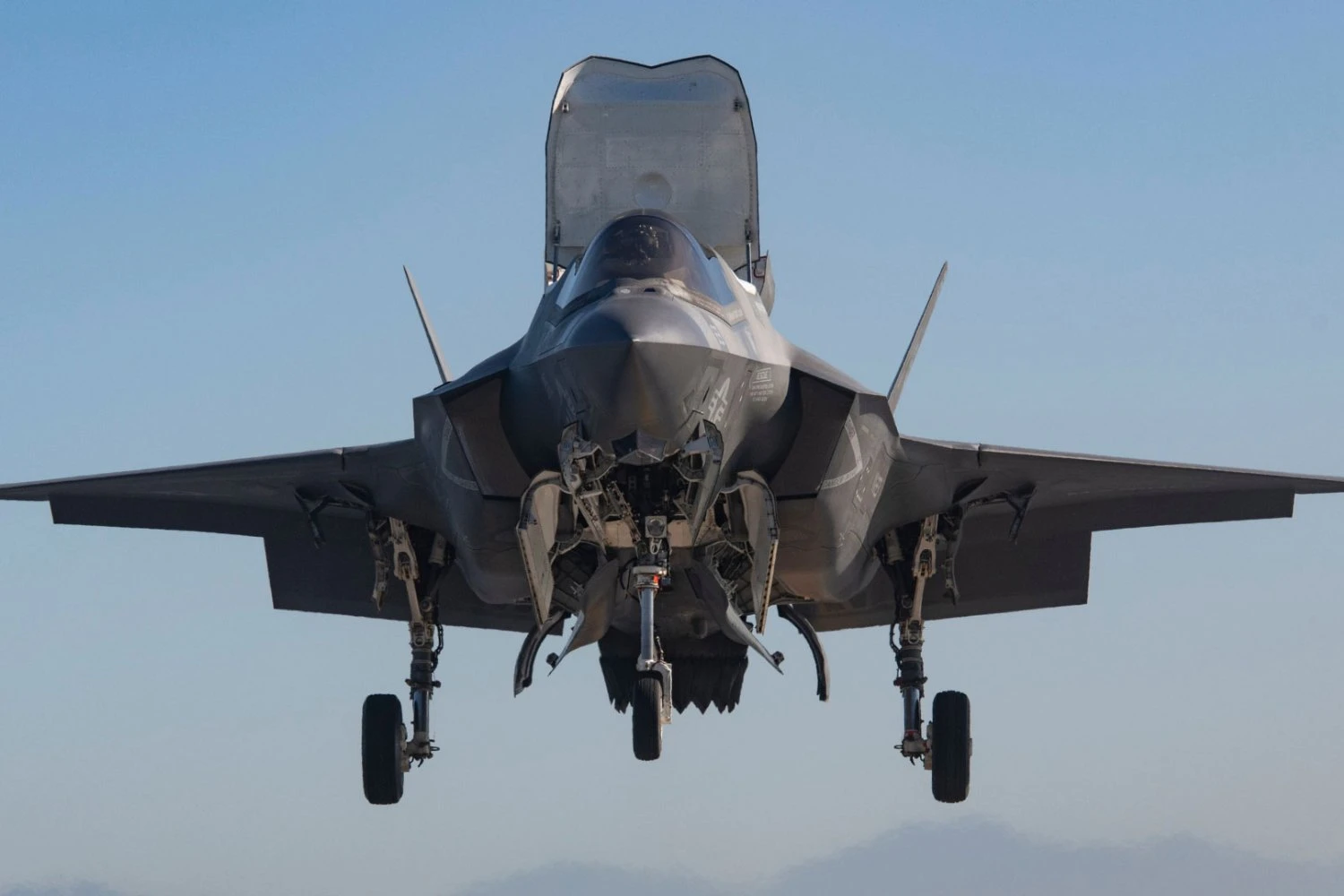
Internal carriage is particularly important for the F-35 because weapons carried externally increase the aircraft's radar signature. The Meteor must therefore be able to fit, operate and safely leave the weapons bay if the fighter is to retain its low-observable characteristics during air-to-air missions.
Follow Air Data News: WhatsApp | Instagram | LinkedIn | Twitter | Facebook
The latest test follows the first flights involving a Meteor and an F-35B in early 2025, when an inert weapon was used to collect environmental and performance data. The F-35A has meanwhile undergone fit checks and ground vibration testing with the missile at Edwards Air Force Base in California.
The United Kingdom is leading integration of the Meteor with the short takeoff and vertical landing F-35B, while Italy is sponsoring work on the conventional F-35A. Despite the progress in testing, operational capability remains some distance away. The British government said in June 2025 that the current estimate for the Meteor to enter service on the F-35B is the early 2030s.

European missile already serves on three fighter families
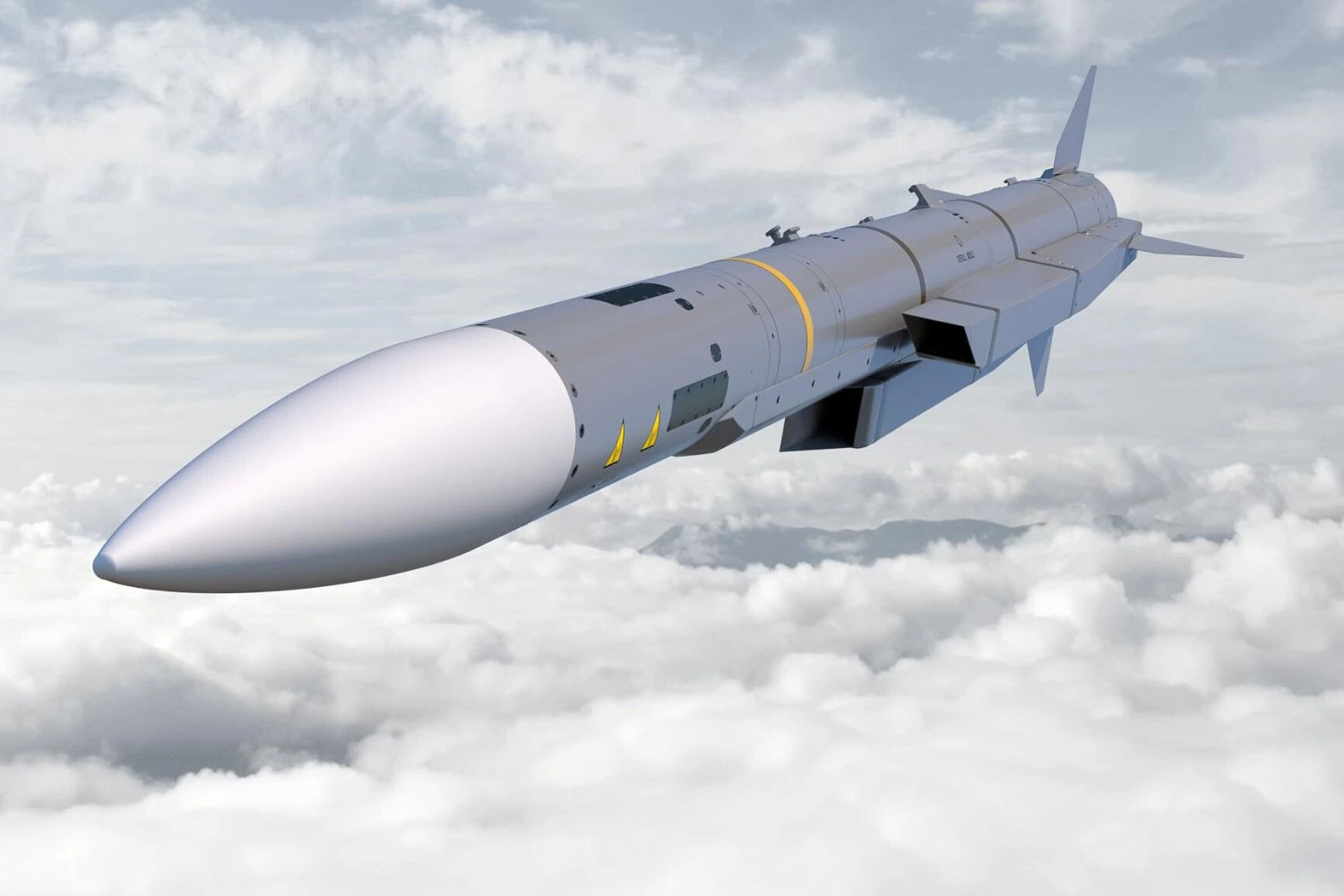
Meteor is not a new weapon waiting for the F-35 to give it an operational role. Developed through a six-nation European program involving the United Kingdom, France, Germany, Italy, Spain and Sweden, the MBDA missile is already in active service on the Eurofighter Typhoon, Dassault Rafale and Saab Gripen.
Unlike conventional air-to-air missiles that receive most of their energy from an initial rocket boost and then progressively lose speed, Meteor uses a variable-flow ramjet propulsion system that can provide sustained thrust deep into an engagement. This gives the missile considerably more energy during the final phase of an interception and expands what MBDA calls its “no-escape zone,” the area in which a targeted aircraft has little opportunity to evade the weapon.
Related news

The missile also combines an active radar seeker with inertial mid-course guidance and a two-way data link, allowing target information to be updated after launch. Meteor can exceed Mach 4, although published maximum-range figures vary considerably because actual engagement range depends on launch altitude, speed, target behavior and other conditions.

The weapon has continued to spread beyond its original European users. The KF-21 Boramae carried four Meteors on its first flight in 2022, conducted ejection tests in 2023 and completed firing trials in 2024. MBDA has since moved into the manufacturing phase for missiles intended for the Republic of Korea Air Force.
Germany also ordered additional Meteor missiles this year for its Eurofighter fleet. The Gripen E has also fired the weapon during operational development, adding the latest version of the Swedish fighter to the aircraft already employing Meteor.