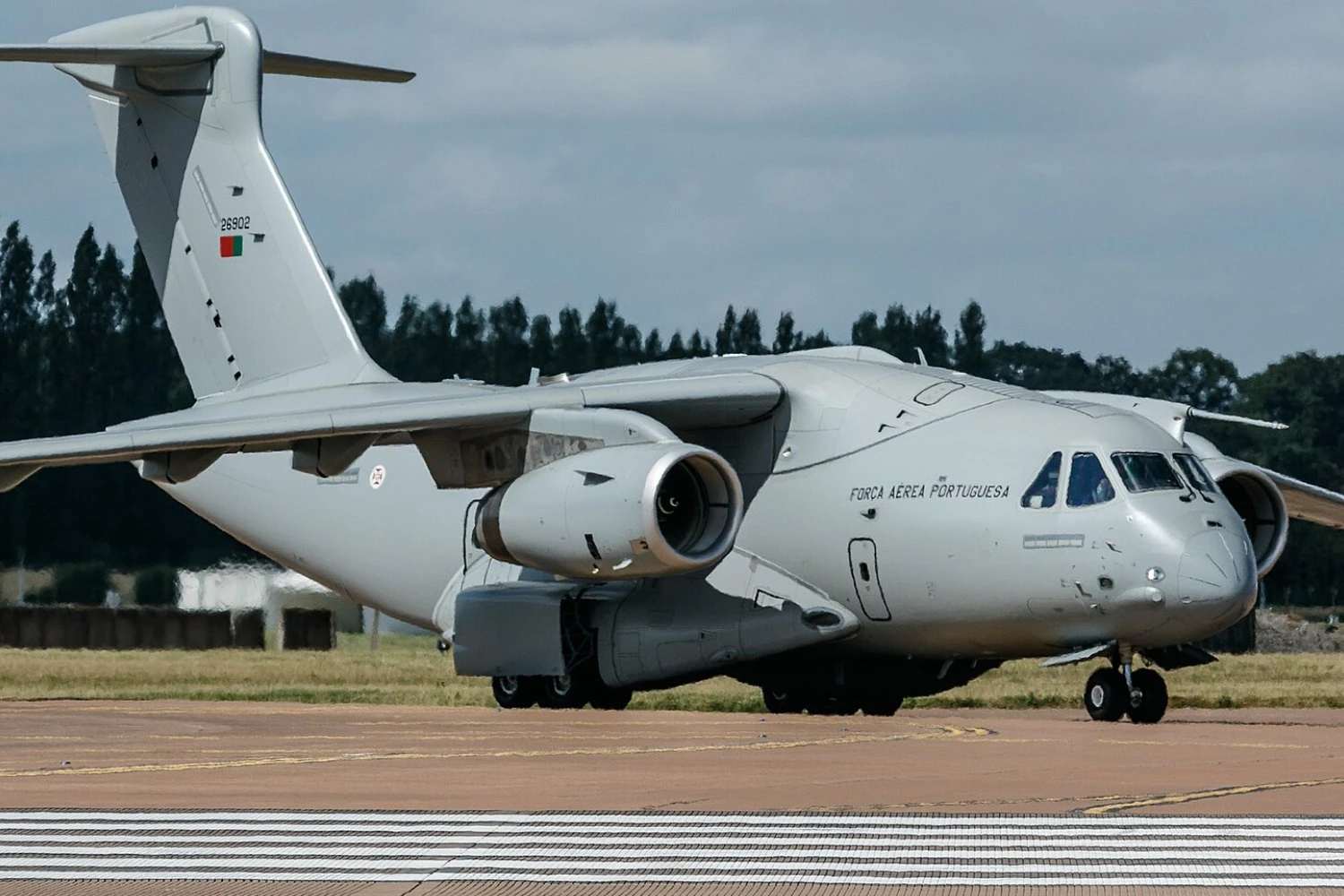
Portugal and Spain have approved a bilateral agreement that will allow Portuguese Air Force Embraer C-390 Millennium transport aircraft equipped for aerial refueling to support Spanish military aircraft.
The Portuguese Ministry of National Defense approved the technical arrangement this month. The document covers joint cooperation between the two countries in air-to-air refueling activities using Portuguese C-390s.
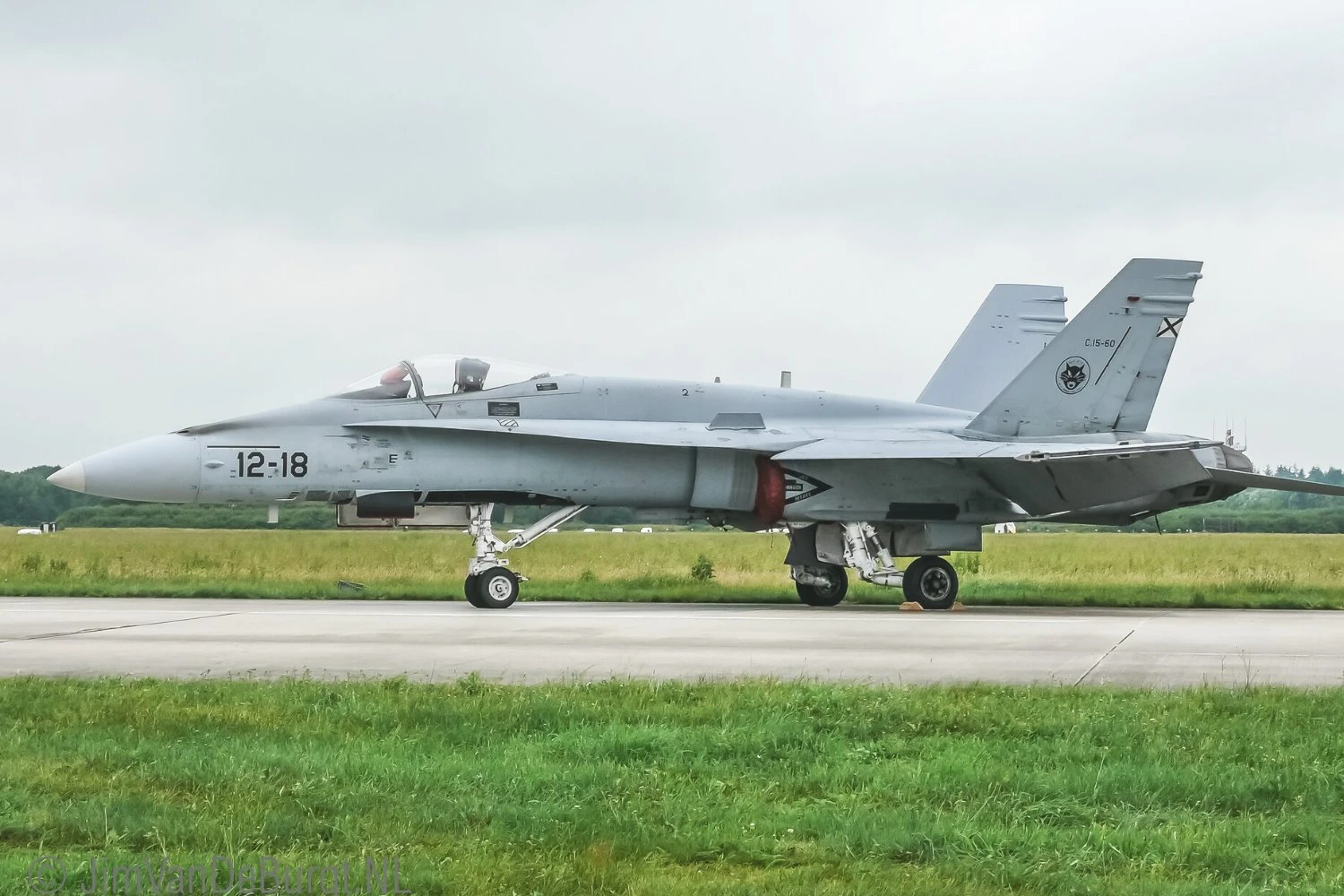
The agreement does not specify which Spanish aircraft will participate. Spain, however, operates two fighter types equipped to receive fuel through the probe-and-drogue method used by the C-390: the Eurofighter Typhoon and the EF-18 Hornet.
The arrangement comes shortly after Portugal obtained its first aerial refueling capability. The Portuguese Air Force received its fourth C-390 earlier this year together with the equipment required to configure the aircraft for the tanker mission.
Follow Air Data News: WhatsApp | Instagram | LinkedIn | Twitter | Facebook
Unlike a dedicated tanker variant, the C-390 can be configured for the role through removable equipment. The system includes underwing refueling pods with hoses and drogues, as well as additional fuel tanks installed in the cargo compartment.
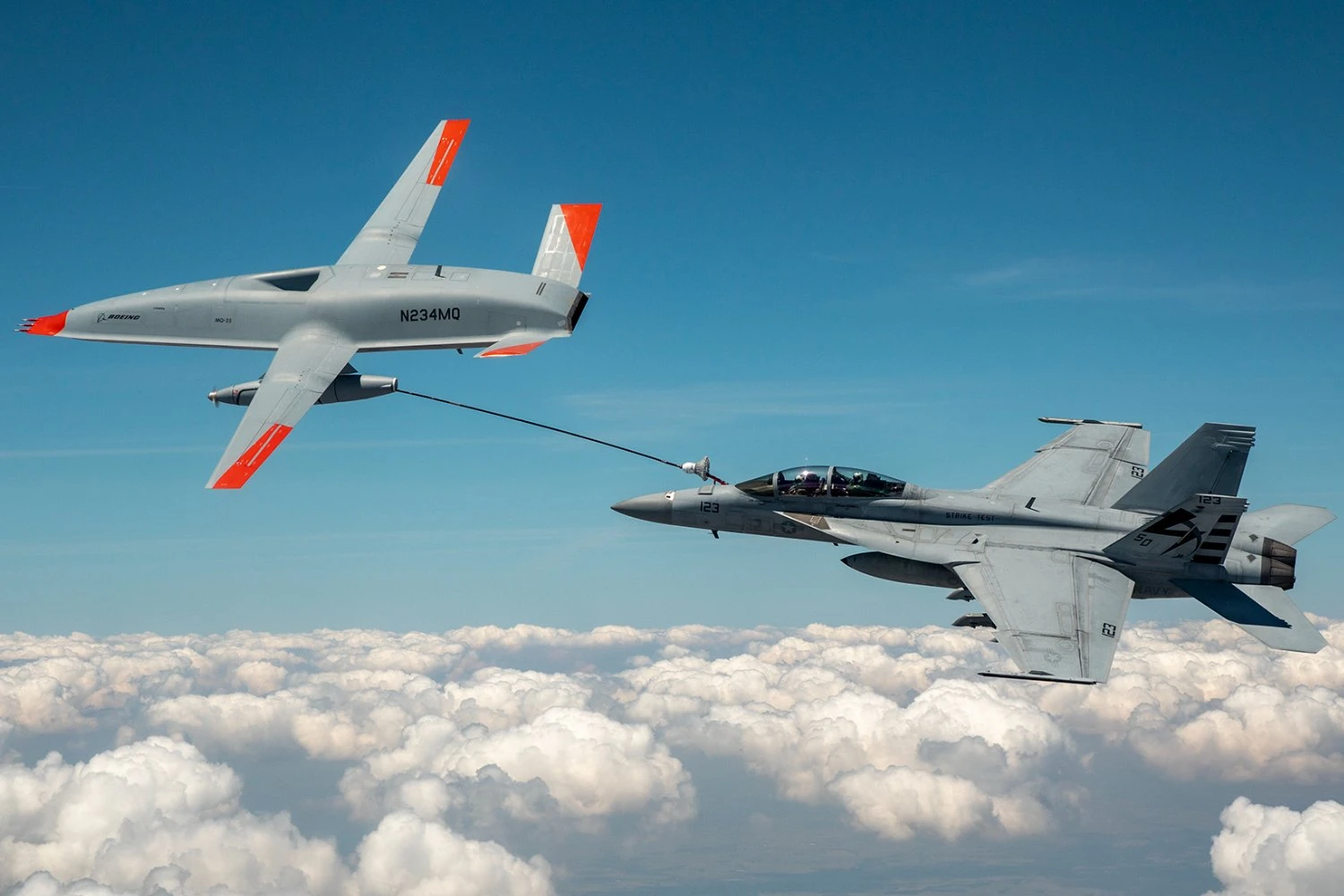
The aircraft can also receive fuel in flight through a probe, allowing one C-390 to refuel another. Embraer has demonstrated this capability during the development of the aircraft.

Spanish fighters offer compatible receivers
Spain already operates its own tanker fleet. The Spanish Air and Space Force recently received its third Airbus A330 Multi Role Tanker Transport (MRTT), completing an order placed in 2021 for three former Iberia A330-200 passenger aircraft converted by Airbus in Getafe.
The Spanish A330 MRTTs use the hose-and-drogue method to refuel combat aircraft. F-18s have already performed contacts with the A330 MRTT during the certification of the Spanish tanker capability.
This makes Spanish combat aircraft suitable partners for Portugal to develop operational experience with the C-390 tanker equipment. Certification of a tanker-receiver combination requires more than physical compatibility, with flight envelopes, procedures and aerodynamic behavior during contact also evaluated.
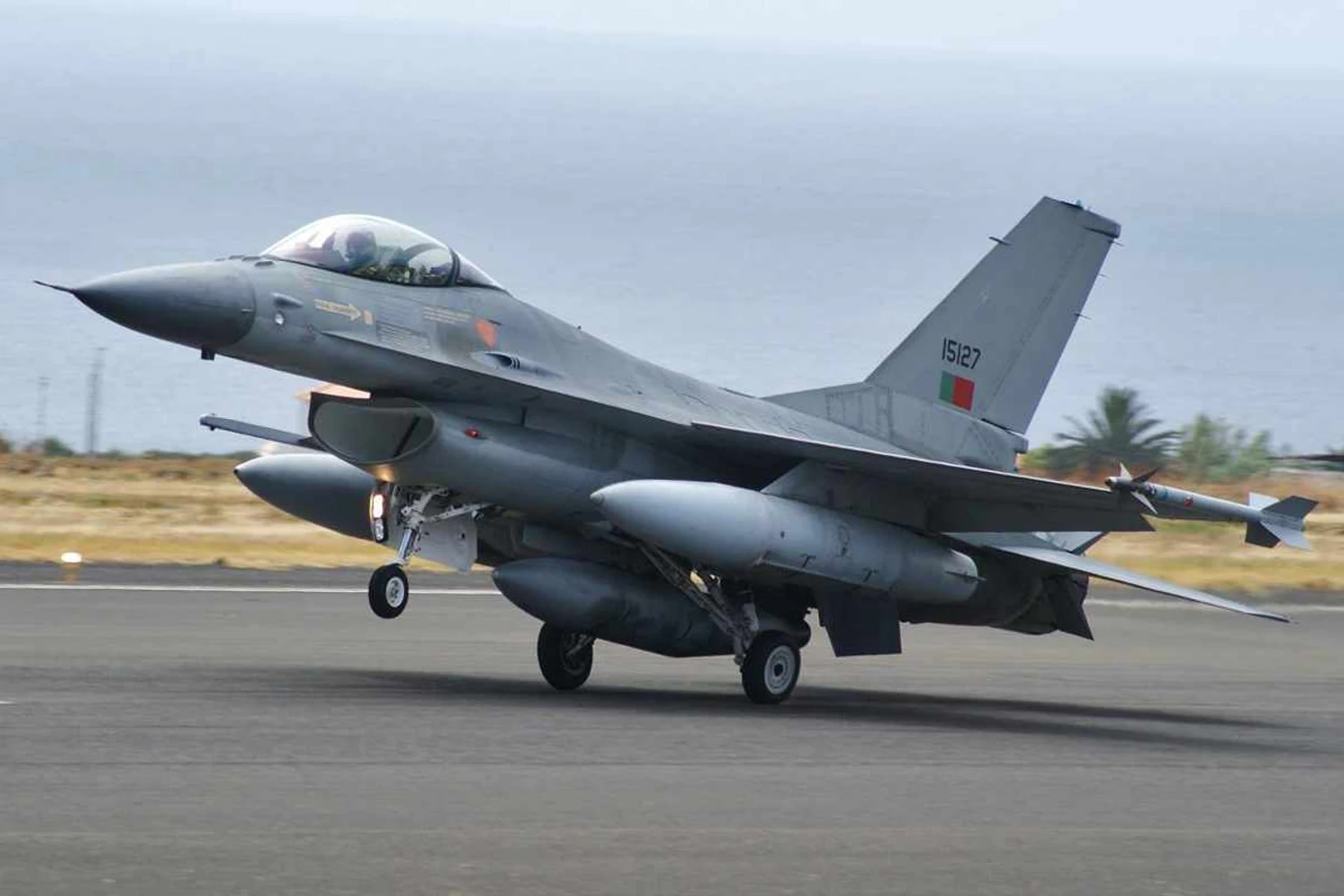
Portugal faces an unusual limitation with its own fighter fleet. Its F-16AM/BM aircraft use the flying-boom method adopted by the U.S. Air Force and have a receptacle instead of a refueling probe. They therefore cannot receive fuel from a Portuguese C-390 using its current tanker equipment.
The same issue could remain after the F-16 is retired if Portugal selects the Lockheed Martin F-35A as its next fighter. The F-35A also uses a boom receptacle, unlike the F-35B and F-35C, which employ probe-and-drogue refueling.
Portugal has not yet selected an F-16 replacement. The government is considering the F-35A alongside other alternatives as it evaluates the future of the country's combat aircraft fleet.
Related news
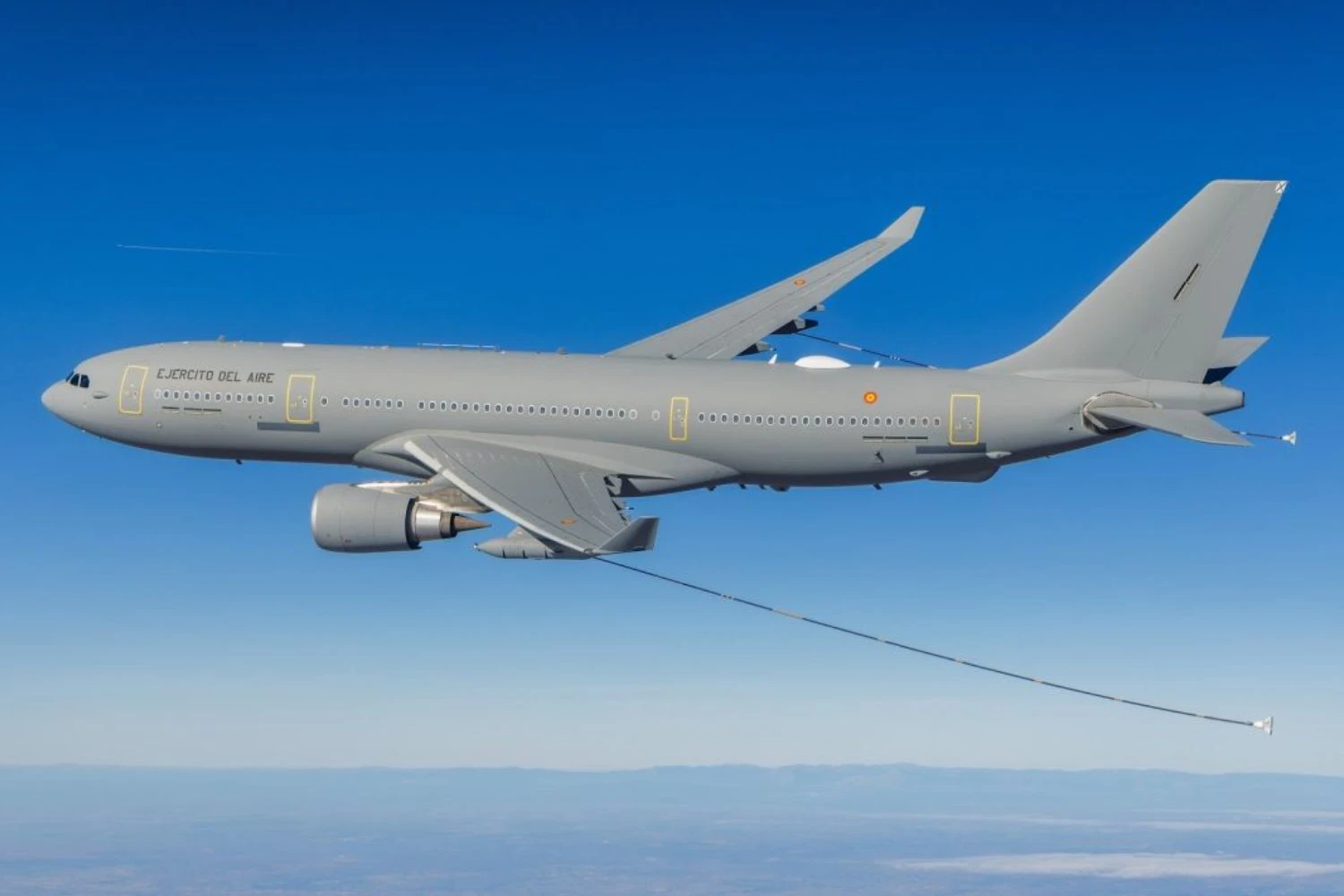
Spain, meanwhile, is expanding its tanker plans beyond the three A330 MRTTs already delivered. The country has been studying additional aircraft of the type as it increases its long-range transport and aerial refueling capacity.
The Portuguese C-390 fleet is also set to grow. Portugal originally ordered five aircraft in 2019 and subsequently added a sixth, while its latest agreement with Embraer includes options for additional C-390s that can be made available to partner nations.