 History
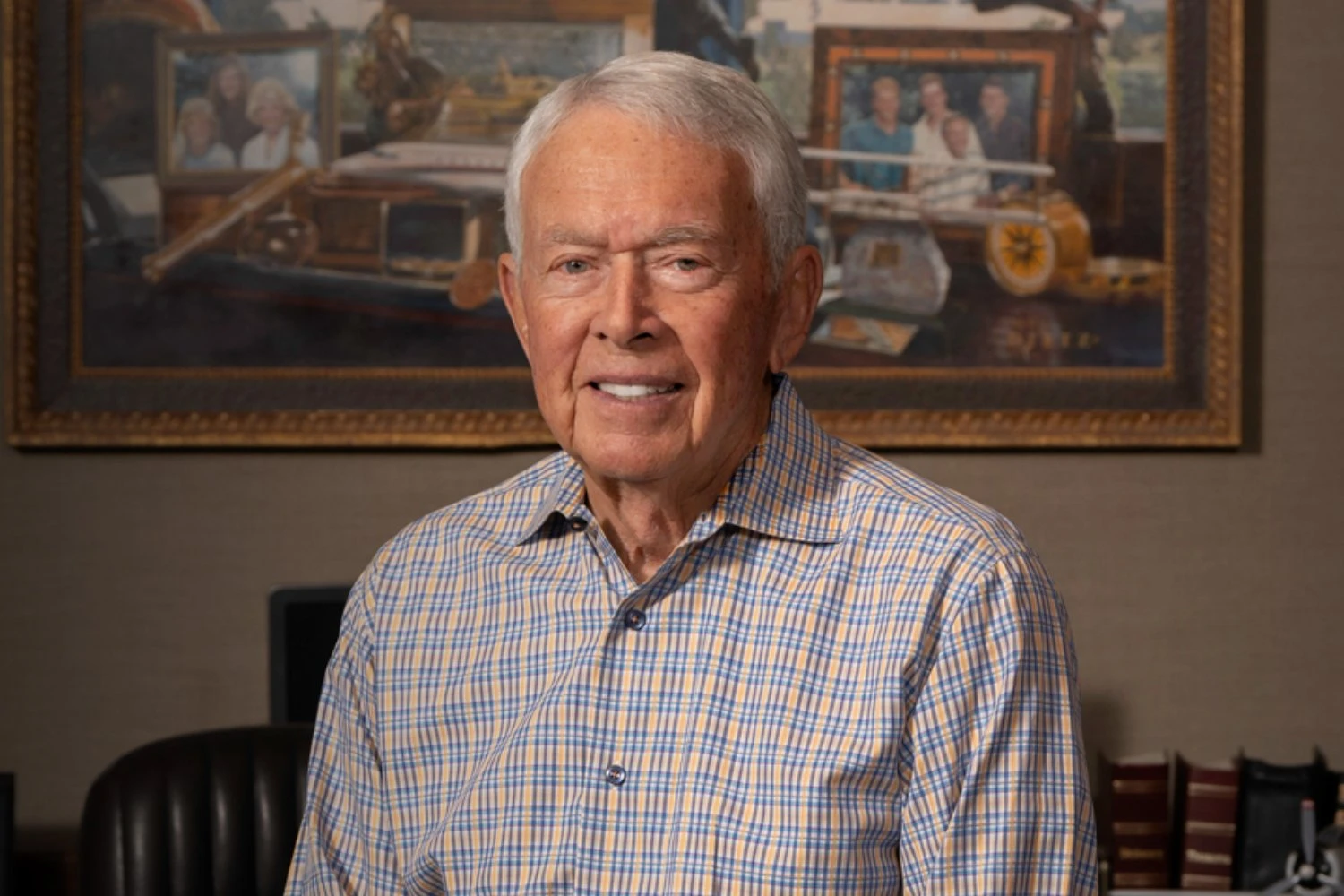
Russell W. “Russ” Meyer Jr., the longtime chairman and chief executive of Cessna Aircraft Company and one of the most influential figures in modern general aviation, died on March 4 at the age of 93.
Meyer led Cessna for nearly three decades, serving as chairman and CEO from 1975 until stepping down in 2003. During that period he oversaw the expansion of the company’s Citation business jet family, which became one of the most successful lines of corporate aircraft in the industry.
Born in Davenport, Iowa, on July 19, 1932, Meyer graduated from Yale University in 1954 and later earned a law degree from Harvard Law School in 1961. He served as a jet pilot in the U.S. Air Force between 1955 and 1958 and later flew with the U.S. Marine Corps Reserve before beginning a career in aviation law.
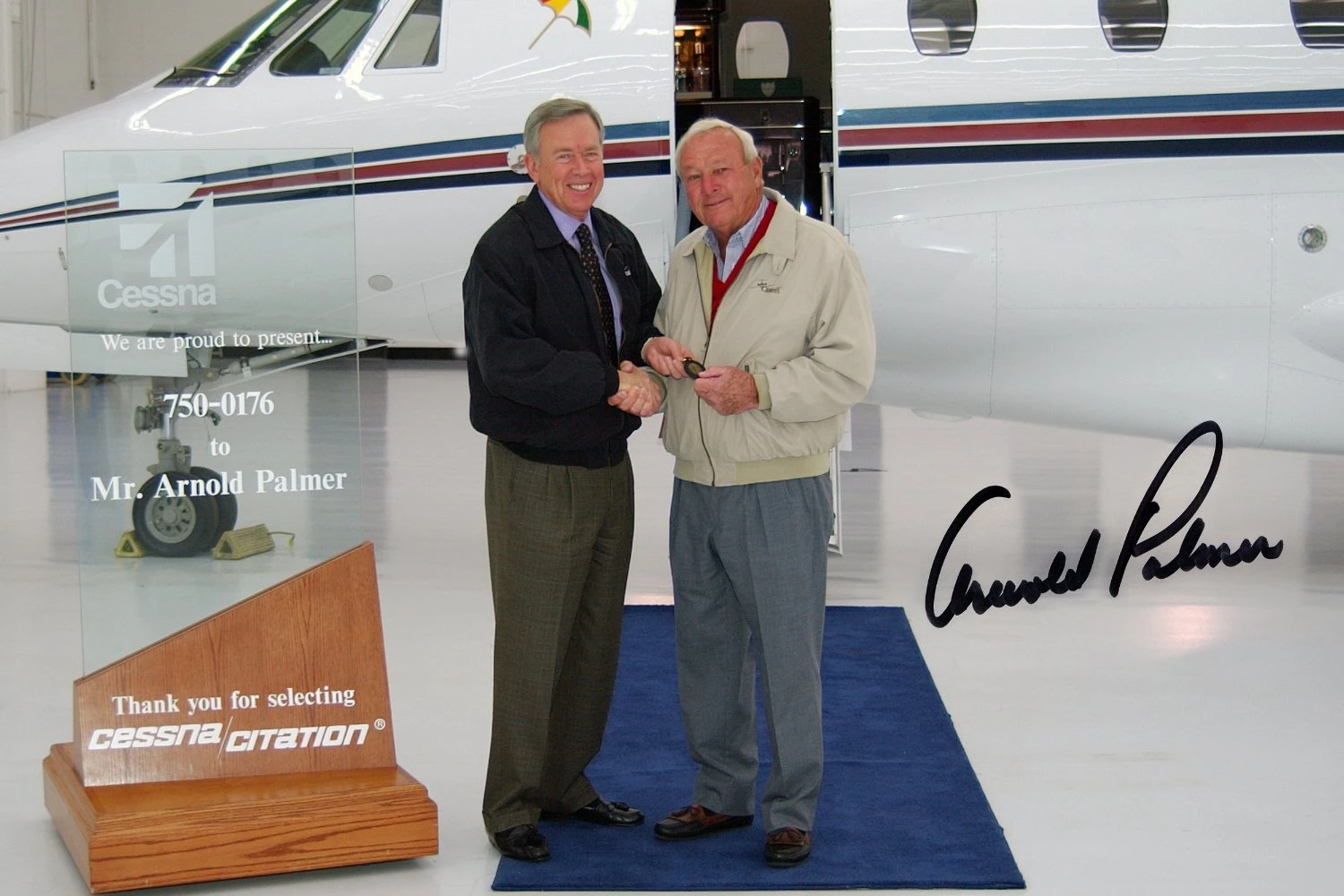
Meyer joined Cessna in 1974 as executive vice president after leading Grumman American Aviation. The following year he became chairman and CEO, beginning a tenure that would transform the Wichita-based manufacturer into a dominant force in the business aviation market.
Under Meyer’s leadership, Cessna expanded the Citation family of business jets, delivering thousands of aircraft and helping make corporate jet travel accessible to a wider range of operators. During his time as chairman, the company delivered almost 5,000 Citations and roughly 67,000 aircraft overall.
Two Citation-related achievements earned the prestigious Robert J. Collier Trophy. In 1986, the award recognized the global safety record of the Citation fleet. A decade later, Cessna and Meyer received the trophy again for the development of the Citation X, which became the first civil aircraft certified to cruise at Mach 0.92.
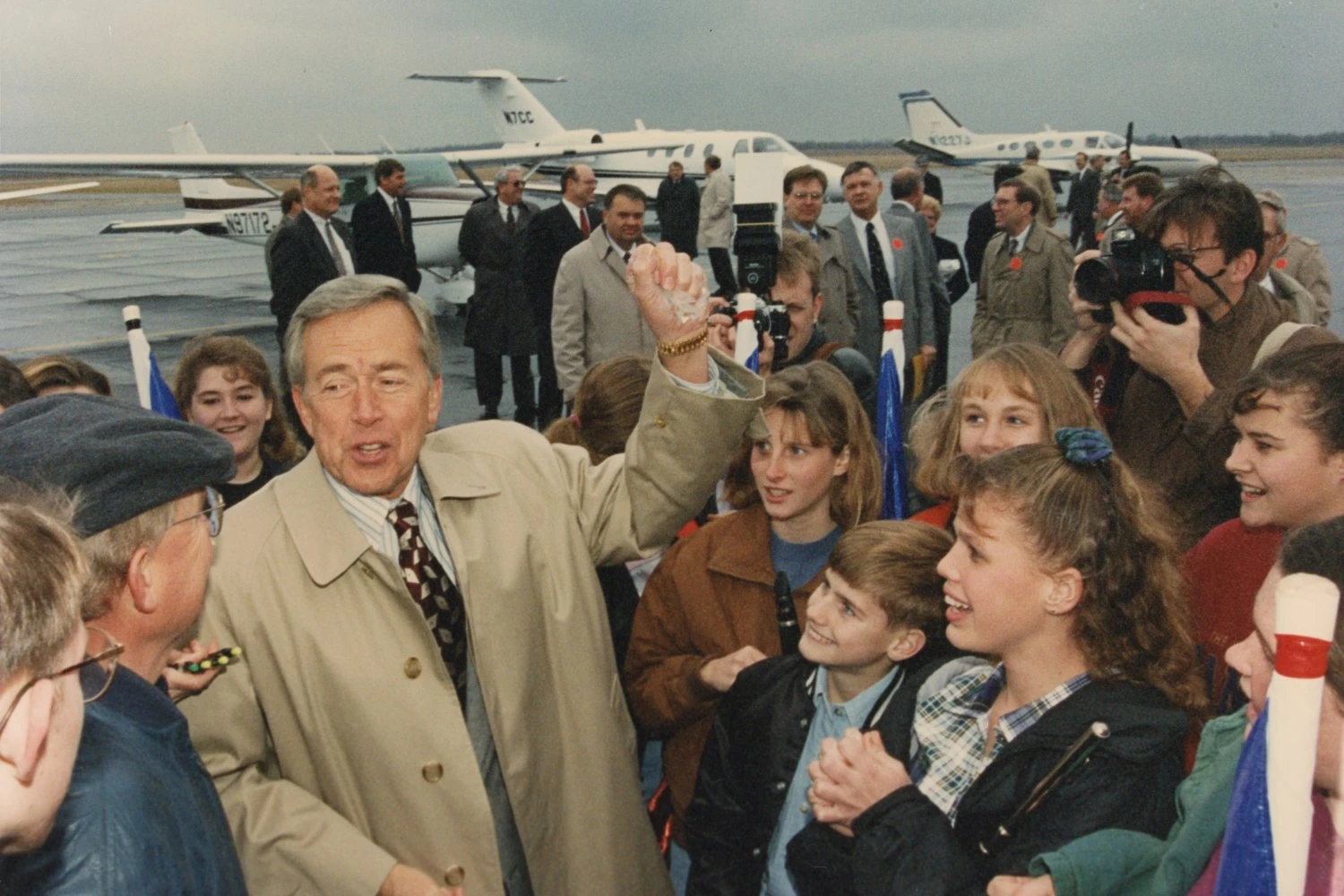
Meyer also played a key role in shaping U.S. aviation policy. As chairman of the General Aviation Manufacturers Association (GAMA), he helped lead the effort to pass the General Aviation Revitalization Act of 1994. The law limited manufacturers’ liability for older aircraft and is widely credited with reviving piston-aircraft production in the United States.
Following the law’s passage, Cessna restarted production of piston aircraft, including the Cessna 172, and opened a new manufacturing facility in Independence, Kansas.
“One of the most respected leaders I have ever known”
Beyond industry leadership, Meyer was also known for philanthropic initiatives connected to aviation. In 1986 he created the Special Olympics Airlift, a program in which Citation owners volunteer their aircraft to transport athletes to the National Special Olympics Games. The event has transported more than 10,000 athletes and coaches over four decades and is considered the largest peacetime airlift in the world.
Meyer also launched workforce initiatives in Wichita, including the 21st Street Training Program, designed to provide job training and employment opportunities for residents of underserved neighborhoods.
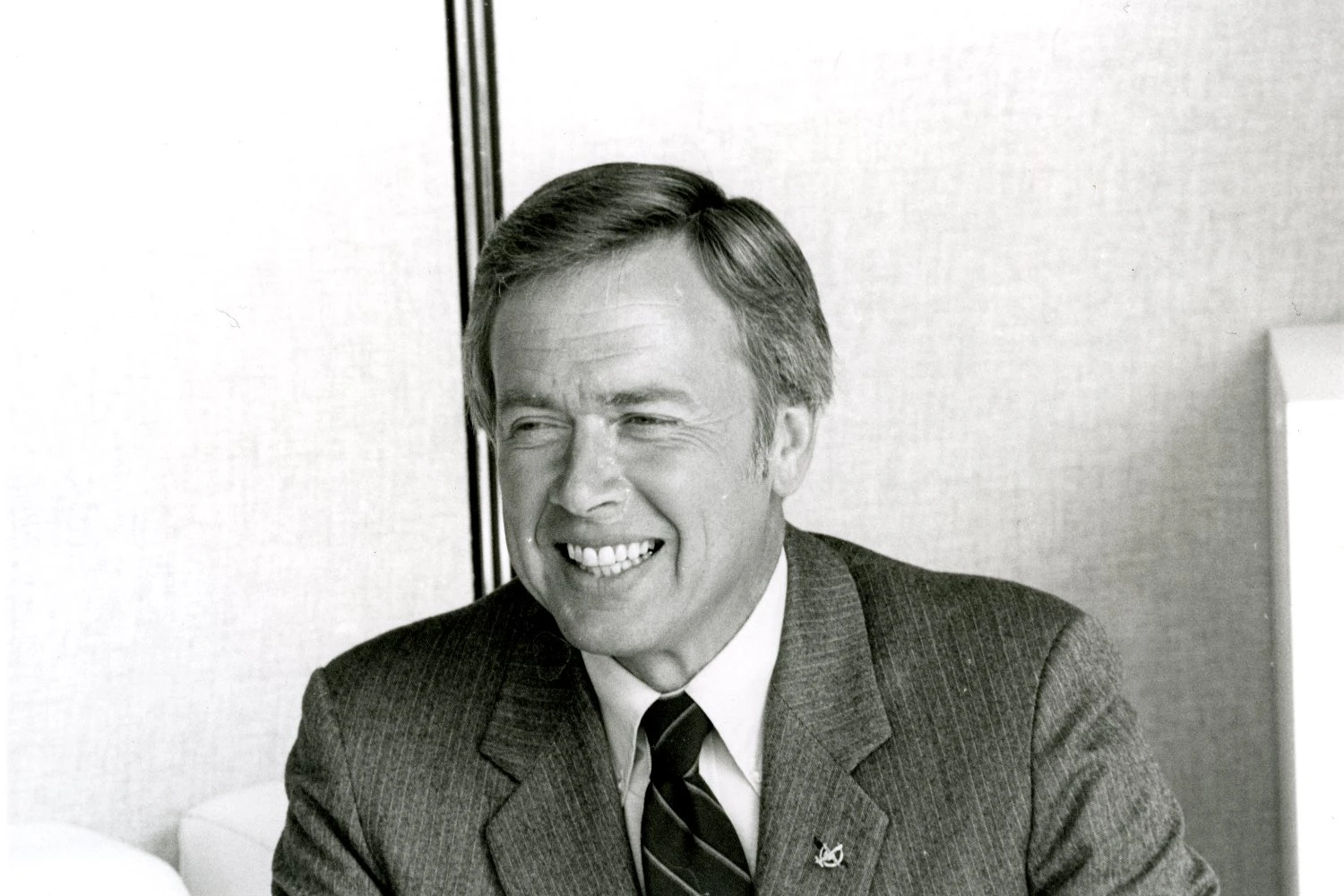
Over the course of his career, Meyer received numerous honors, including the Wright Brothers Memorial Trophy and induction into the National Aviation Hall of Fame in 2009.
In a statement, Textron Aviation President and CEO Ron Draper described Meyer as “one of the most respected leaders I have ever known.”
“Russ was a remarkable human being and one of the most respected leaders I have ever known,” Draper said. “I held Russ in the highest regard not only for his extraordinary business acumen, but for the integrity, humility and genuine care he showed for people at every stage of his life.”
Meyer was also an accomplished pilot, logging more than 17,000 flight hours and holding type ratings in every model of the Citation business jet family produced during his career.