 Air Transport
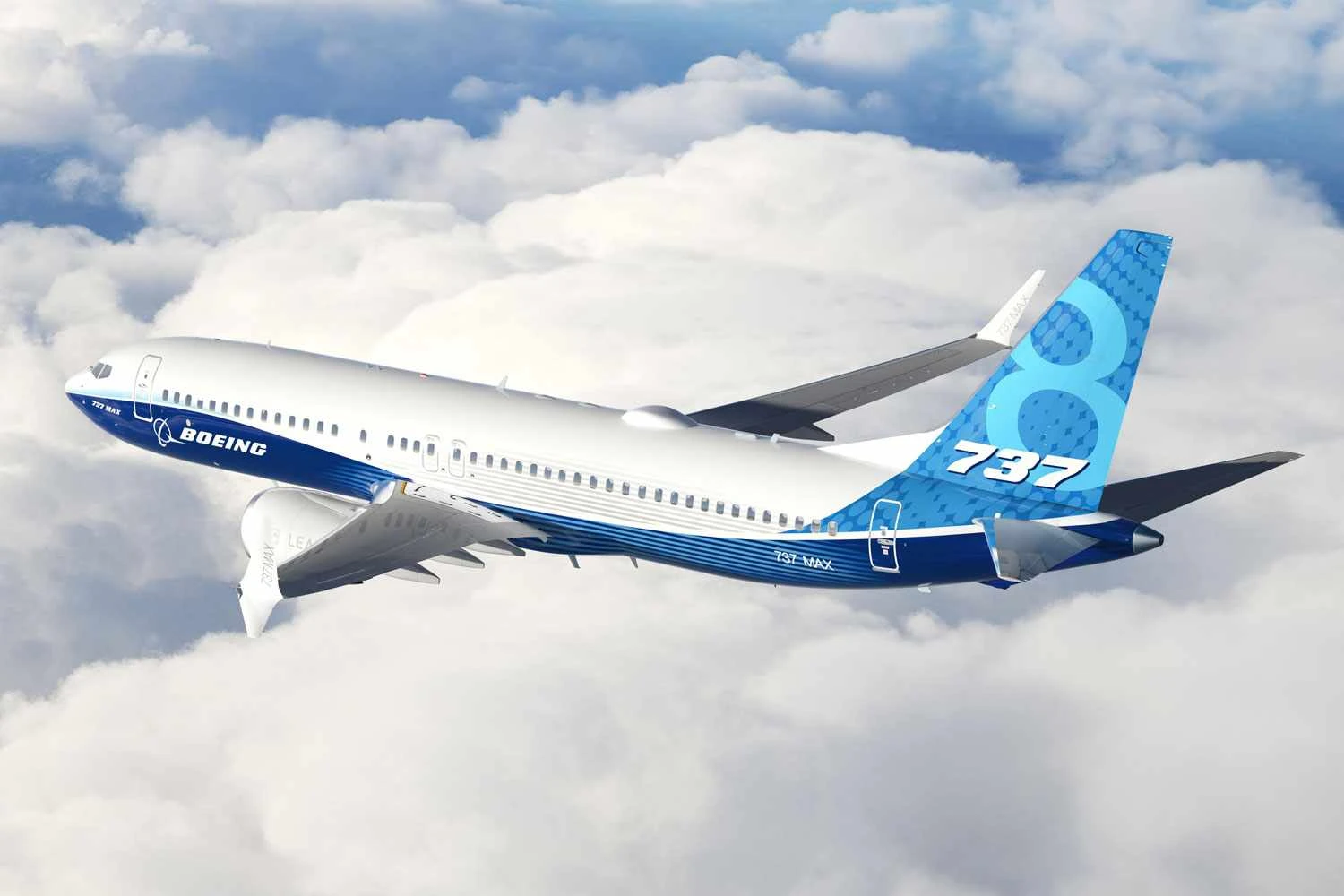
Boeing finally received approval from the US Federal Aviation Administration (FAA) to raise monthly production of the 737 MAX to 42 aircraft at its Seattle-area facilities. The decision lifts a previous cap of 38 units per month imposed after a safety incident in early 2024.
The increase is critical to Boeing as it seeks to improve cash flow and address mounting financial pressures, including a $53 billion debt. The company has accumulated $11 billion in materials to buffer ongoing supply chain disruptions and support the ramp-up.
The FAA’s approval follows extensive inspections of Boeing’s assembly lines after the 737 MAX 9 incident involving Alaska Airlines, which highlighted ongoing quality concerns. The regulator has partially restored Boeing’s authority toissue airworthiness certificates for new 737 MAX and 787 aircraft, a function it had previously restricted.
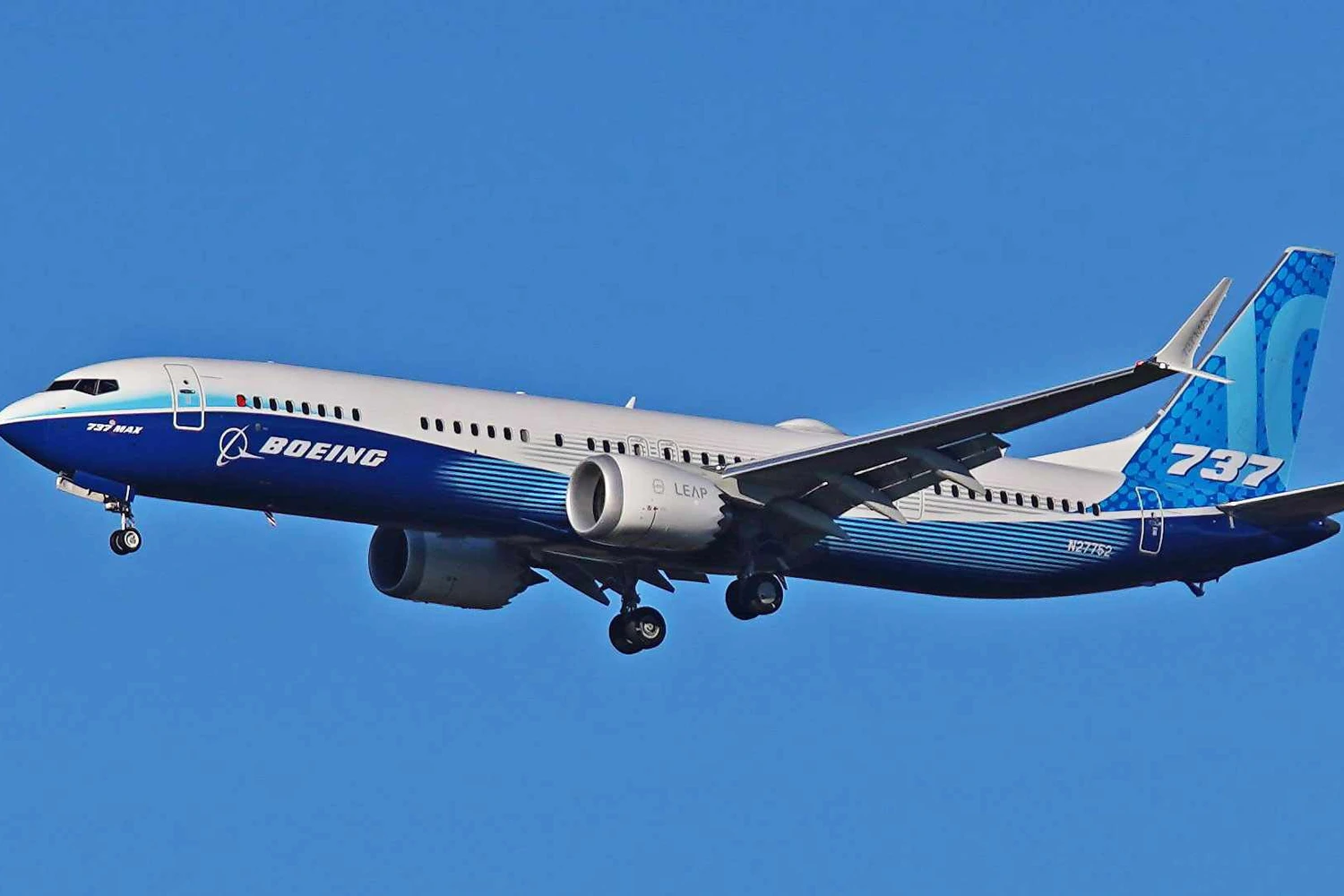
Boeing’s 737 family has been in continuous production since the late 1960s, but recent output delays and safety issues led to the loss of its position as the world’s most-delivered commercial jet to the Airbus A320 series. The FAA had previously revoked Boeing’s self-certification privileges for the MAX in 2019 and for the 787 in 2022.
Analysts expect Boeing to remain unprofitable through this year, with forecasts for a return to profitability in 2026. The manufacturer has not yet secured certification for the 737 MAX 7 and MAX 10 variants but plans to dedicate an Everett assembly line to the MAX 10 as it seeks to expand its product range.