The E-Jets and C-390 Millennium attract much of the attention surrounding Embraer, thanks to airline orders, military contracts and international campaigns. Yet the Brazilian manufacturer's biggest sources of operating profit are its business jets and aircraft services, a shift that has been developing for years.
In 2025, Executive Aviation and Services & Support generated a combined US$563.7 million in operating profit, almost nine times the US$62.9 million earned by Commercial Aviation. Defense & Security contributed another US$77.5 million, according to Embraer's annual financial statements.
The difference is not new. In 2024, Executive Aviation and Services & Support had already generated US$476 million in combined operating profit, compared with US$55.2 million from Commercial Aviation. Their growing importance has changed the financial profile of a manufacturer historically associated with regional passenger jets.
How Embraer's business changed
In 2018, Commercial Aviation accounted for 46.5% of Embraer's revenue, compared with 21.8% from Executive Aviation and 19.3% from Services & Support. By 2025, those proportions had shifted to 31.3%, 29.1% and 25.4%, respectively. Business jets and services together represented 54.5% of the company's revenue.
Follow Air Data News: WhatsApp | Instagram | LinkedIn | Twitter | Facebook
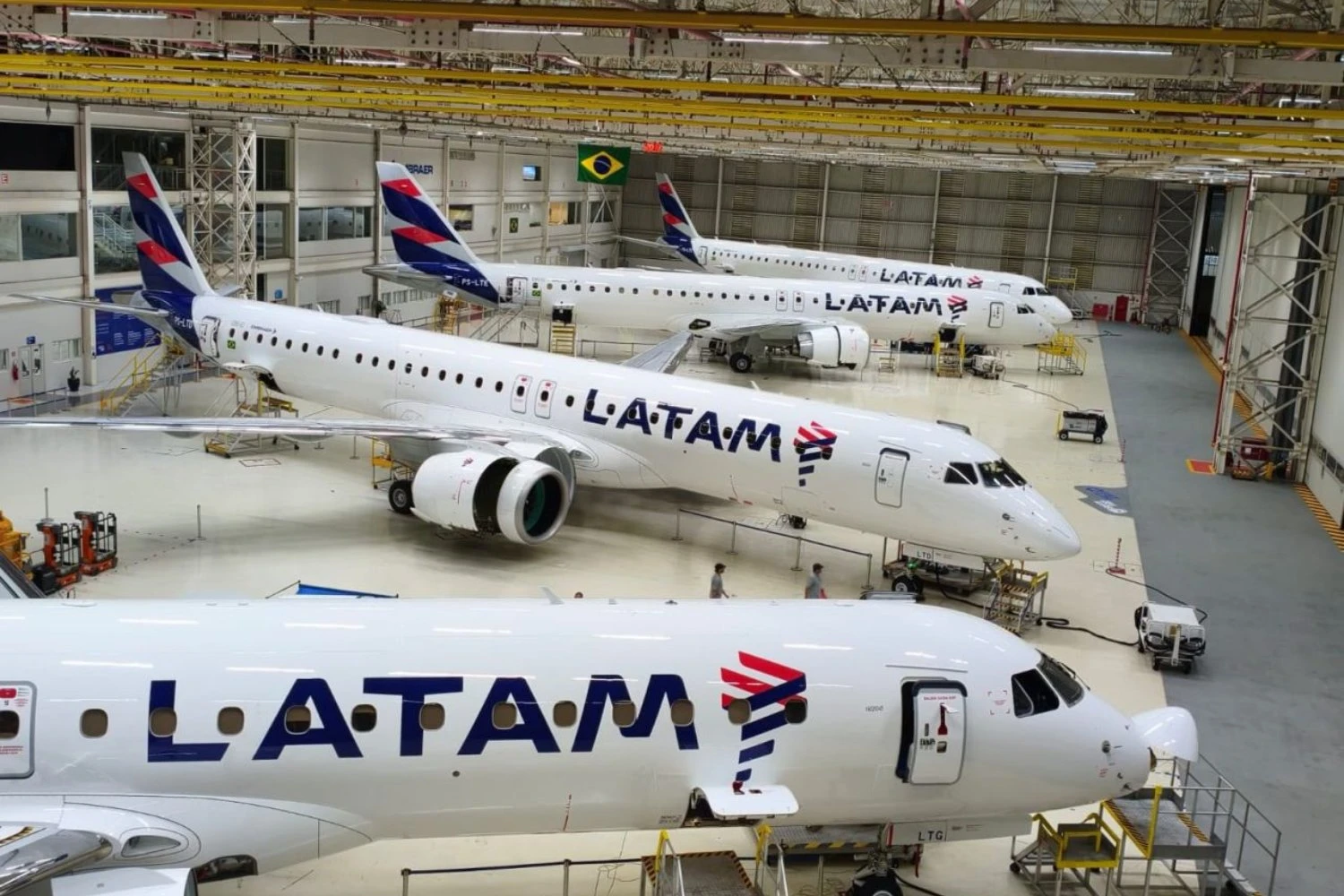
Commercial aircraft sales did not collapse. The division generated US$2.37 billion in revenue in 2025, more than either of the other two businesses individually. However, its operating profit was just US$62.9 million, equivalent to a margin of 2.7%.

Executive Aviation earned US$265.4 million on revenue of US$2.21 billion, a margin of approximately 12%. Services & Support reported US$298.3 million in operating profit from US$1.93 billion in revenue, achieving a margin of 15.5%.
In other words, for every US$100 in revenue, Embraer earned less than US$3 in operating profit from commercial aircraft, compared with US$12 from business jets and more than US$15 from services. Commercial jet manufacturing remains a complex, capital-intensive business, particularly sensitive to production costs and supplier performance.
Profitability gap continues in 2026
The first nine months of 2026 reinforced this picture. Executive Aviation generated approximately US$1.80 billion in revenue, Services & Support US$1.69 billion and Commercial Aviation US$1.61 billion. All three divisions grew compared with the same period of 2025, but business jets and services had overtaken commercial aircraft in revenue.
Their operating results were even more different. Executive Aviation generated approximately US$300 million in adjusted operating profit and Services & Support about US$284 million, compared with only US$6 million from Commercial Aviation.
The Executive Aviation figure includes an extraordinary US$68 million tax credit recorded in the second quarter. Even excluding that benefit, business jets and services generated more than US$500 million in combined operating profit during the nine months. Supplier compensation also helped Commercial Aviation's results, illustrating how individual accounting and operating factors can influence margins.
Related news

November 09, 2026
The growth of Services & Support is particularly significant. Established as a separate division in 2017, it earns revenue from maintenance, spare parts and technical assistance for aircraft already in operation. Its activities include engine maintenance at OGMA, in Portugal, which has expanded work associated with Pratt & Whitney. Unlike aircraft manufacturing, these services can generate revenue for many years after an aircraft is delivered.
Executive Aviation has benefited from stronger demand, higher prices and the mix of Phenom and Praetor jets delivered. Embraer handed over 155 business jets in 2025, compared with 130 in 2024, with revenue growing faster than deliveries.
Could commercial and defense aircraft change the balance?
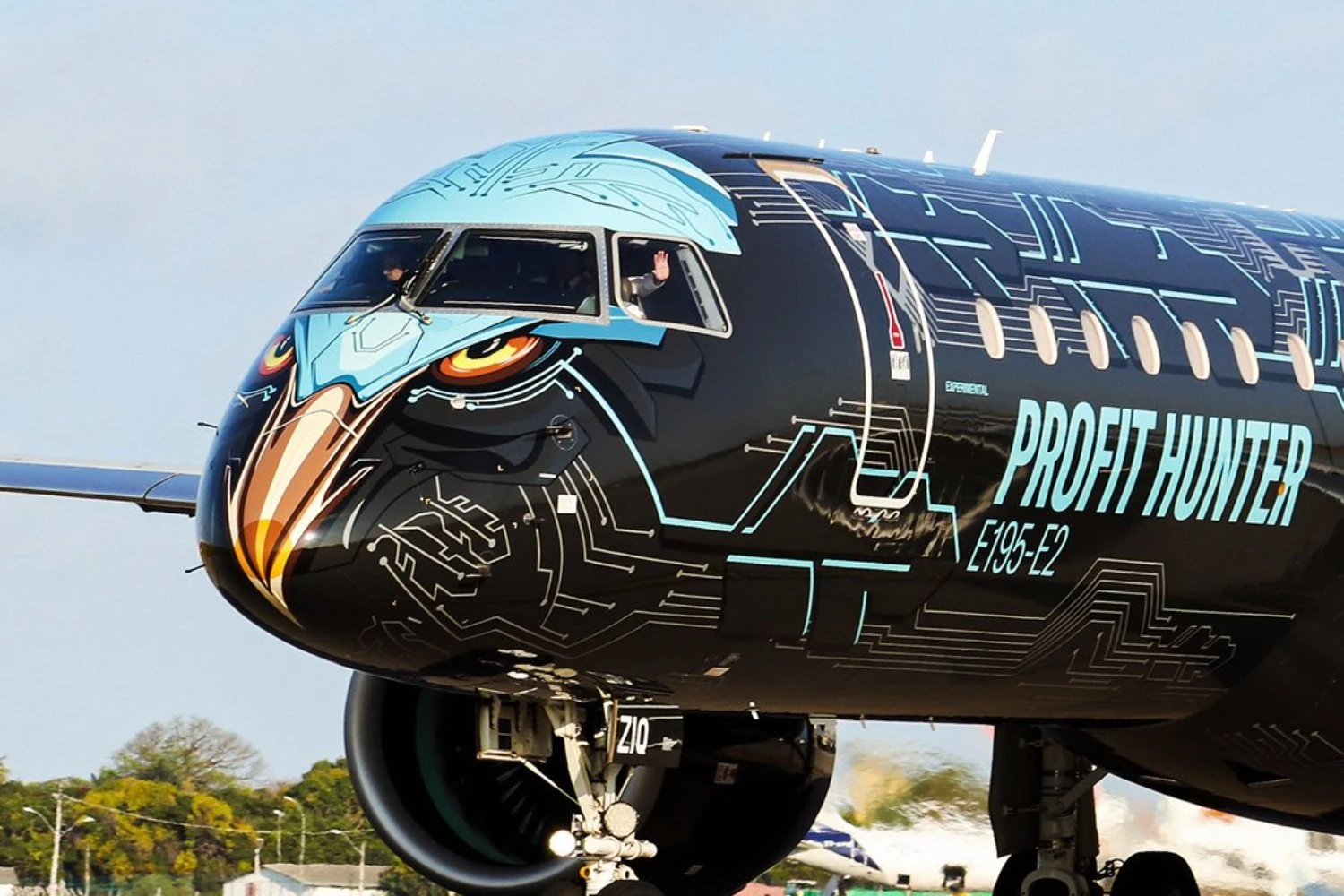
The current distribution of profits may not remain unchanged. Embraer's Commercial Aviation backlog reached US$15.8 billion at the end of September 2026, supported by renewed demand for the E2 family. The manufacturer received 72 firm E2 orders during the first nine months of the year, including commitments from Abra Group, ANA, Binter and Luxair.
Further major orders remain possible, although potential deals, including those associated with speculation about IndiGo, cannot yet be treated as confirmed business.
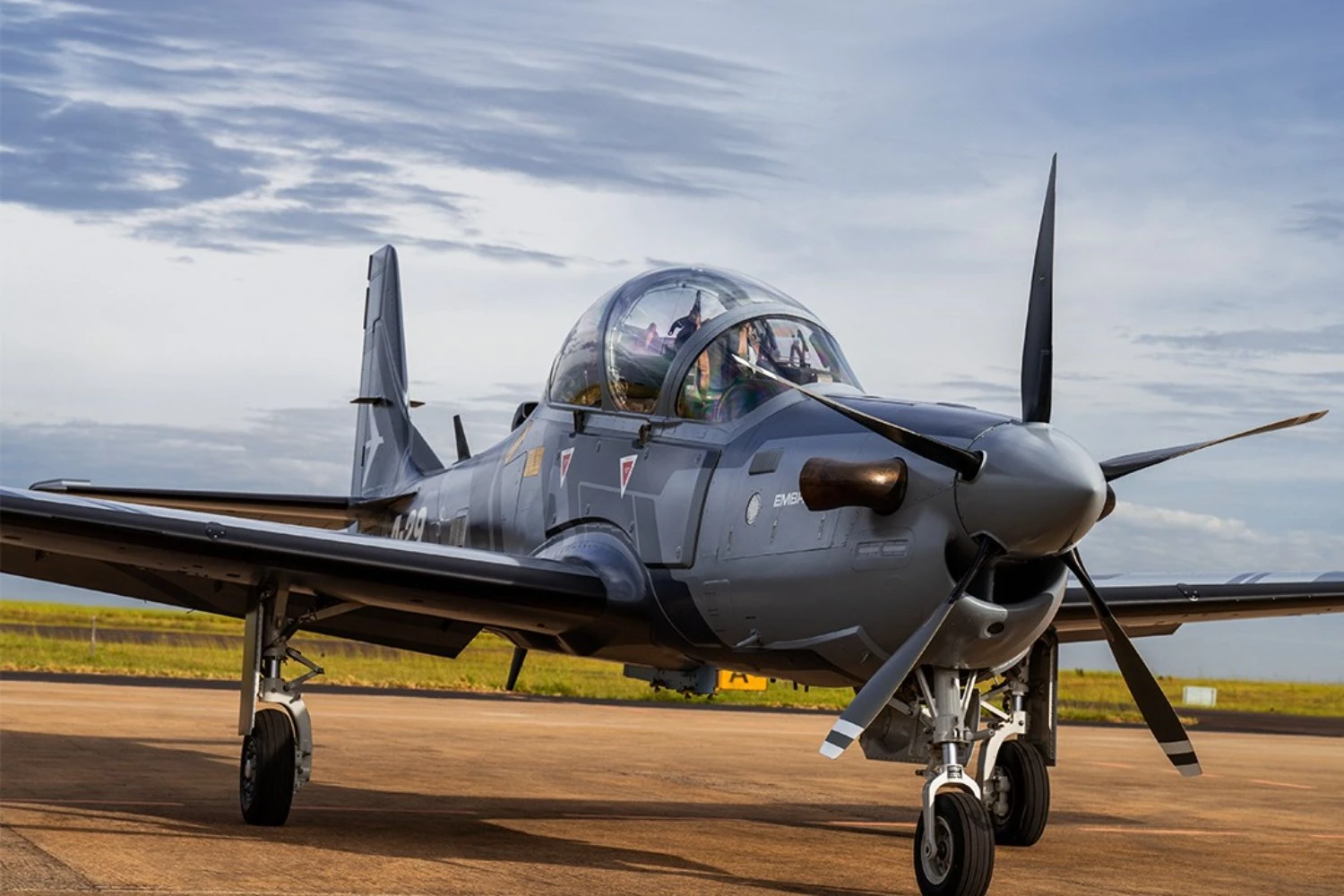
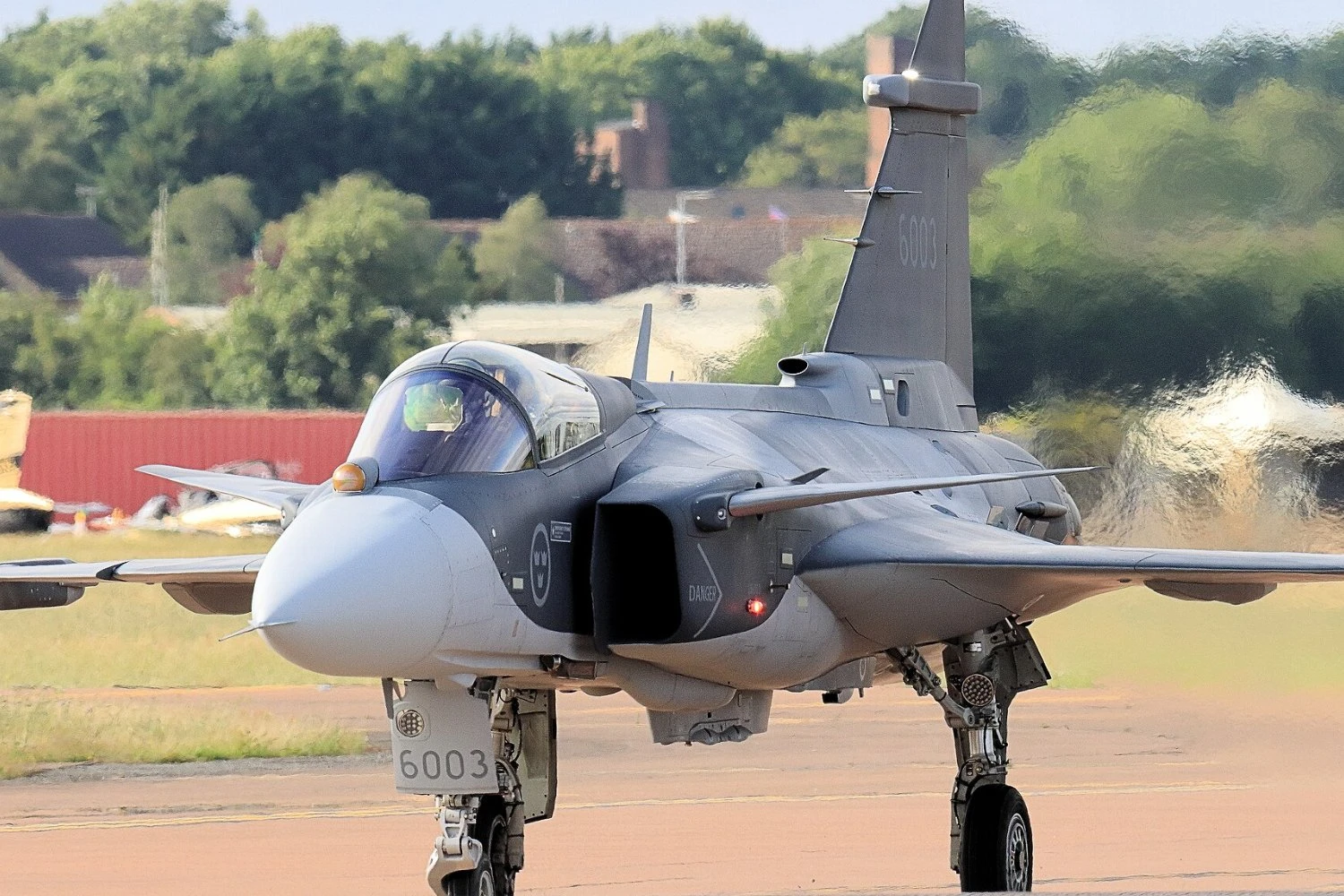
Defense & Security also has room to grow. Its backlog reached US$6.1 billion, up 56% from a year earlier, with 43 firm orders for the C-390 and 25 for the A-29 Super Tucano. Additional international campaigns could increase those figures, but converting contracts into revenue will depend on production schedules and the progress of individual programs.
Embraer has identified higher production rates across its aircraft businesses as a priority, which could improve the contribution of Commercial Aviation and Defense & Security if costs remain under control.
Higher production volumes would not necessarily eliminate the margin advantage enjoyed by Executive Aviation and Services & Support. Commercial and military aircraft nevertheless offer value beyond their immediate operating profits: they establish relationships with airlines and governments, strengthen Embraer's international presence and create opportunities for long-term maintenance and support contracts.
The same aircraft programs that attract the spotlight can therefore help expand the services business that generates some of the company's strongest margins.