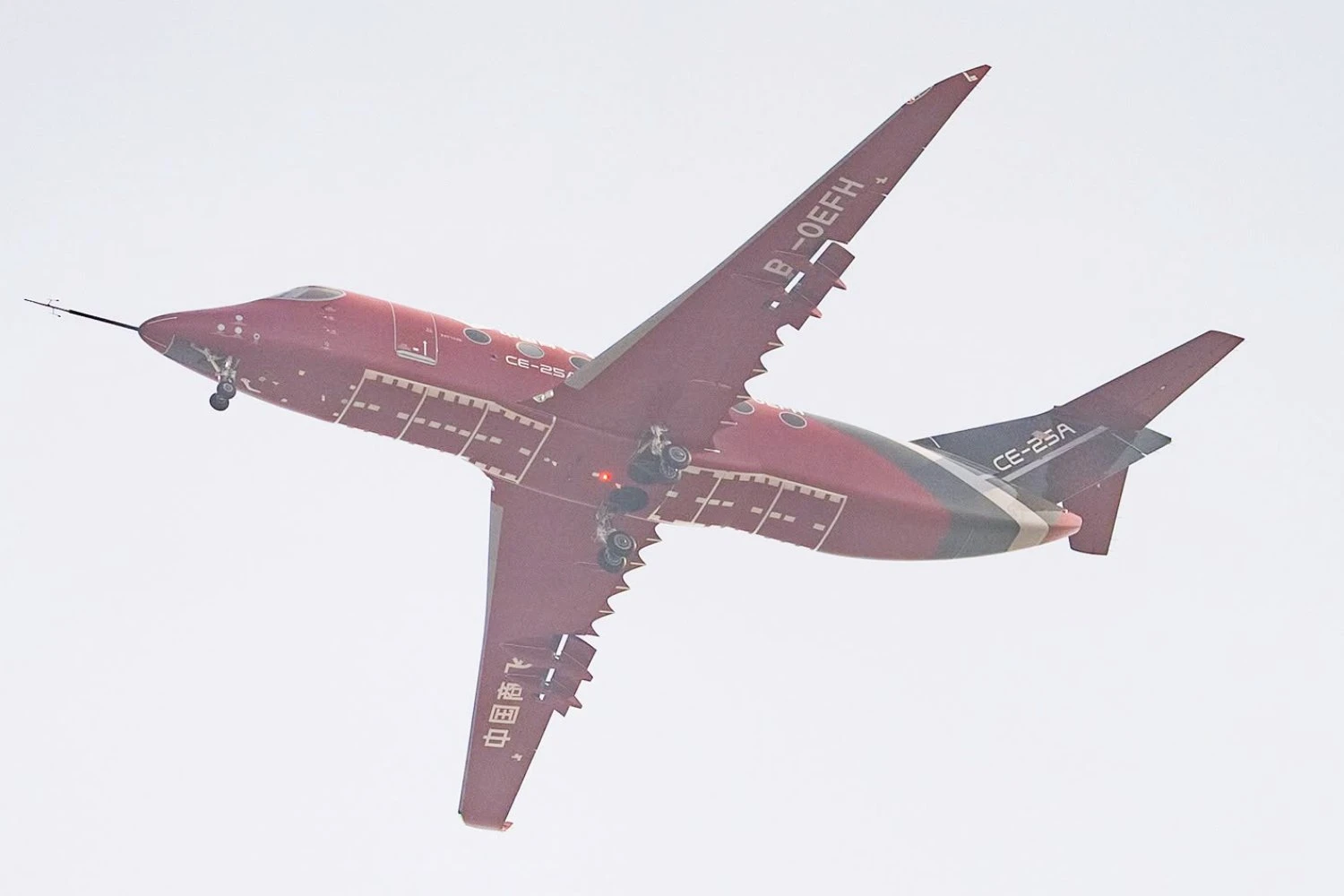
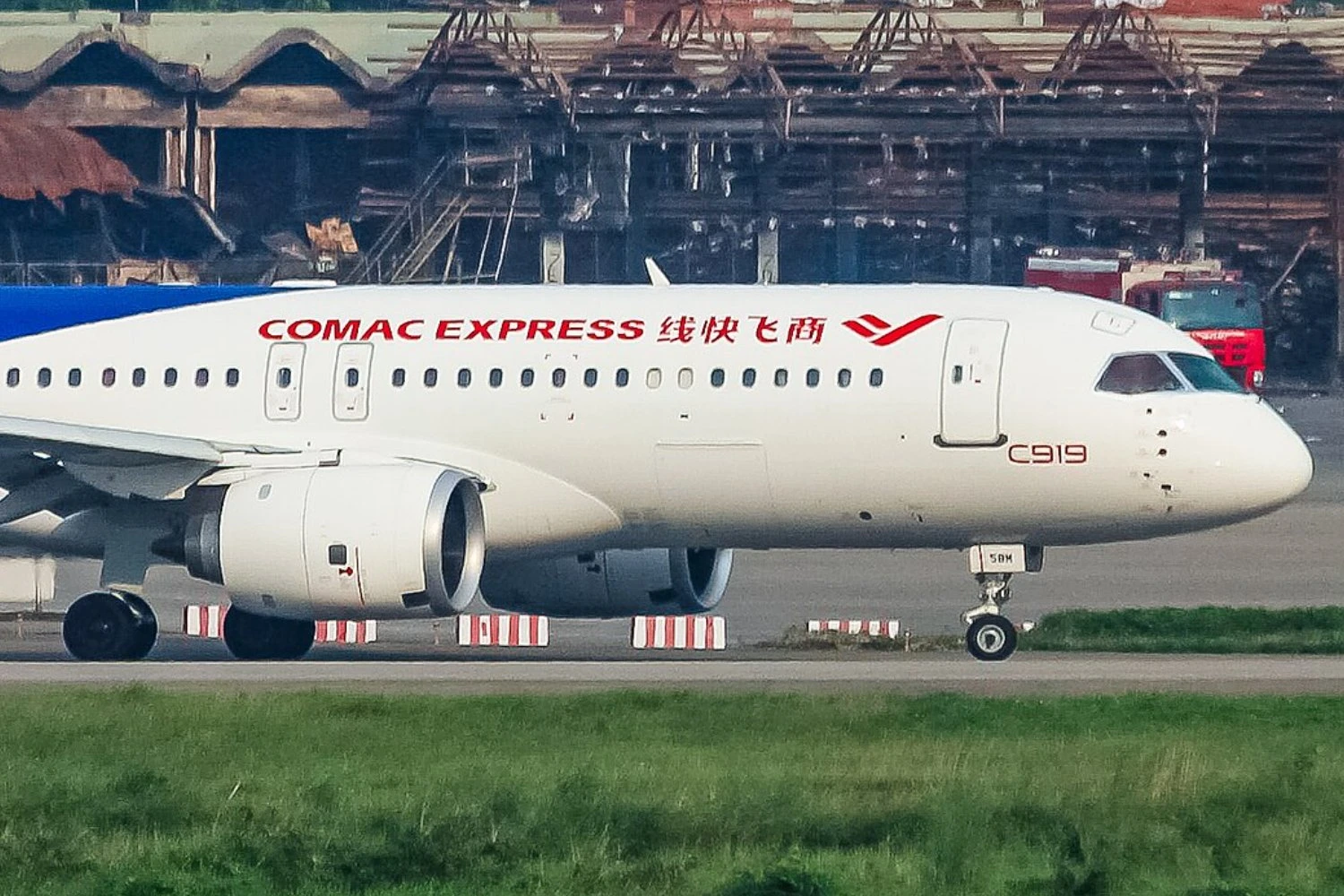
China's COMAC celebrated the first crewed flight of its CE-25A electric aircraft on November 14, marking another step toward developing a battery-powered regional airliner. But the Chinese manufacturer was not the first to demonstrate such technology. Four years earlier, an American startup had already flown an electric passenger aircraft, only to see its ambitious project come to a halt.
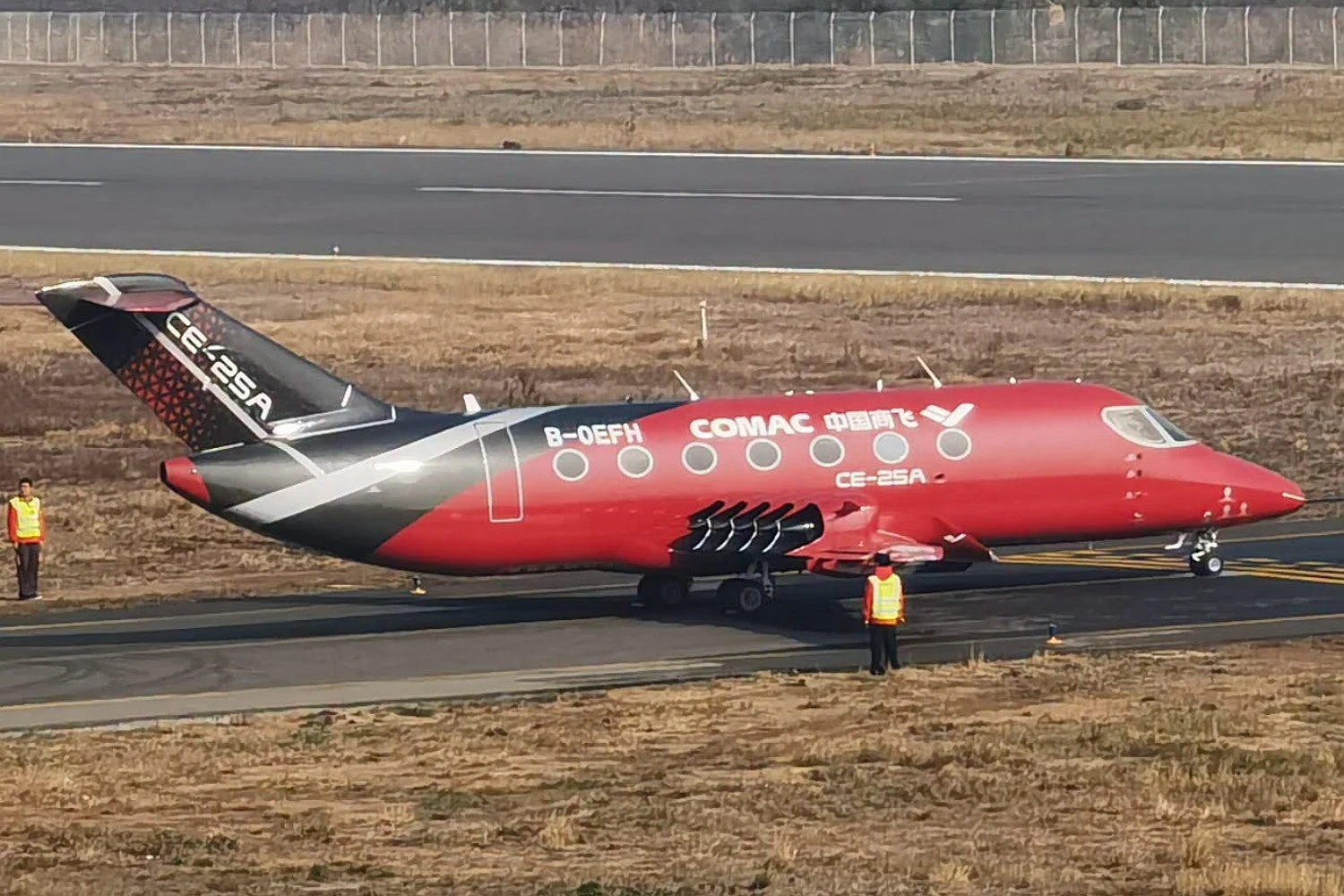
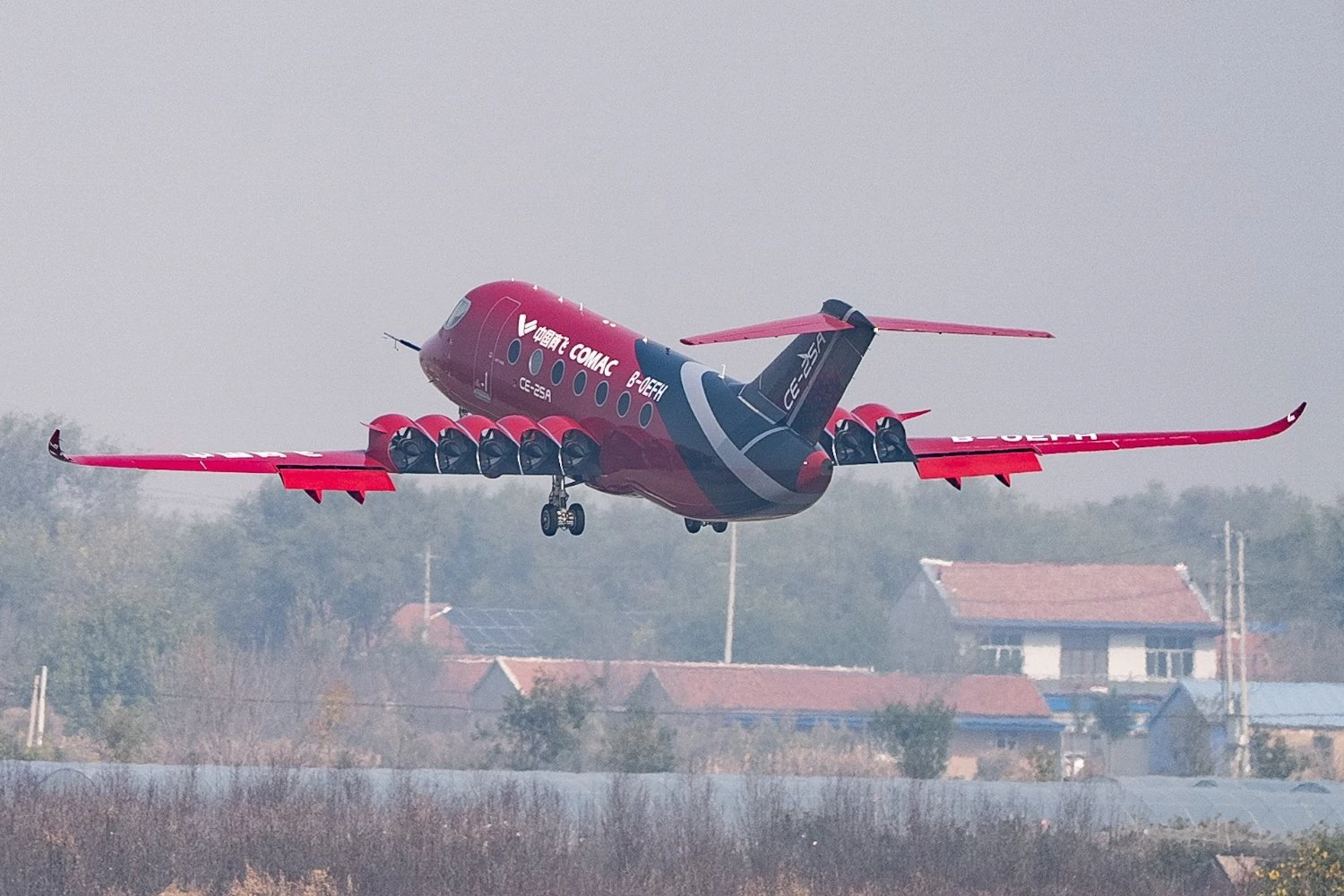
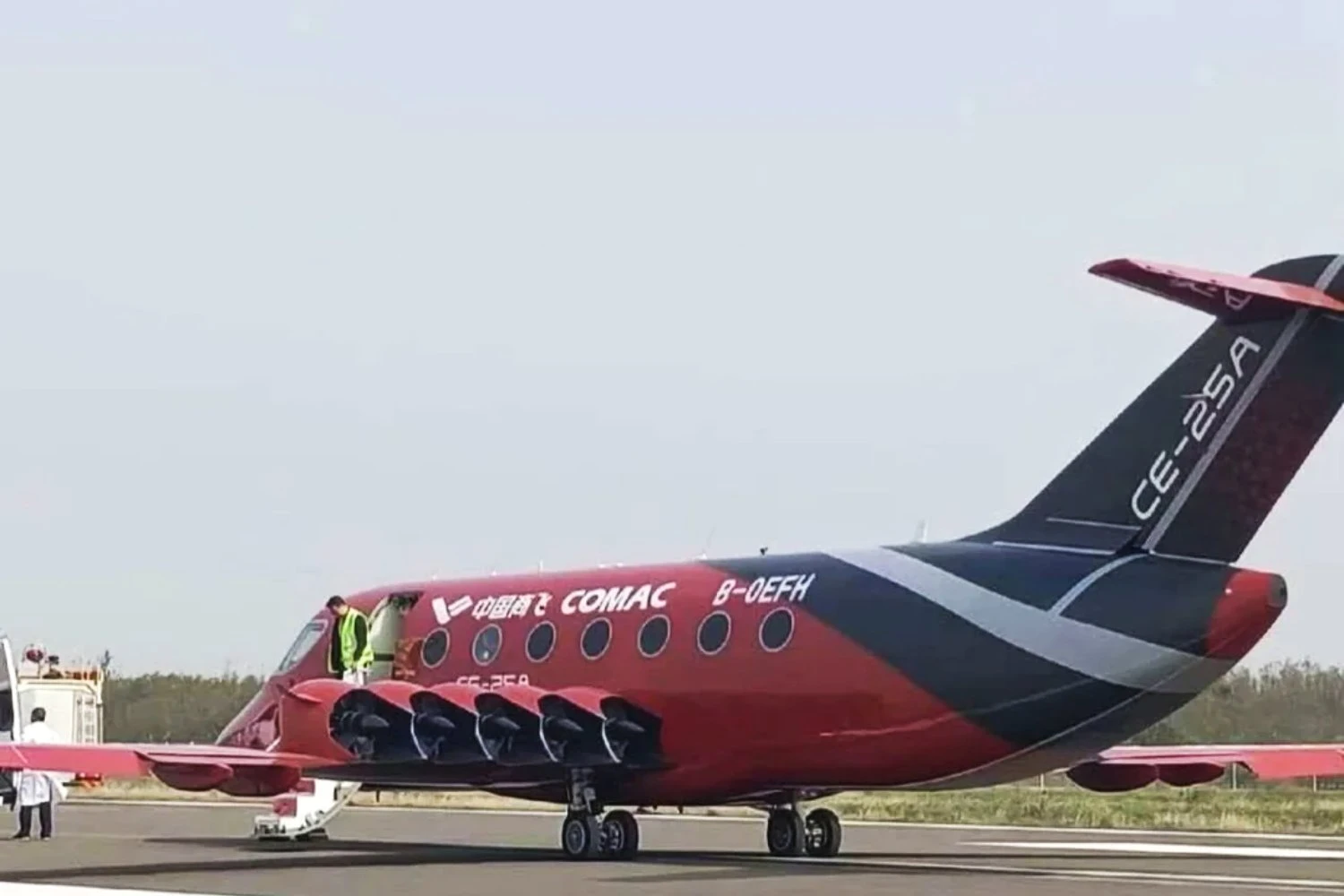
The CE-25A flew for nearly 17 minutes in Binzhou, Shandong province, carrying two pilots and a flight-test engineer. Designed for 19 passengers, the aircraft uses ten electric ducted fans distributed along its wings. COMAC claims a range of 249 miles (400 km), a cruising speed of 162 knots (300 km/h) and a maximum takeoff weight of approximately 22,000 pounds (10 tonnes).
The aircraft had previously completed 19 unmanned flights, and China's Civil Aviation Administration has accepted its application for type certification. However, the CE-25A remains an experimental aircraft, with no announced date for commercial service.
Its progress contrasts with the experience of Eviation Aircraft, a Washington-based company whose nine-passenger Alice made its first flight in September 2022. The aircraft demonstrated that a battery-electric commuter airplane could fly, but that achievement did not translate into a sustainable development program.
How Eviation lost its early lead
The Alice completed a short test flight at Moses Lake, Washington, in September 2022. Eviation subsequently redesigned the aircraft, which was intended to carry nine passengers over approximately 290 miles (467 km).
Follow Air Data News: WhatsApp | Instagram | LinkedIn | Twitter | Facebook
The company attracted considerable commercial interest, announcing commitments for more than 600 aircraft, including agreements involving DHL, Cape Air and Air New Zealand. Many of those commitments, however, were nonbinding, and the company still needed substantial investment to complete development, certification and production.
In February 2025, Eviation laid off most of its workforce and suspended work on the Alice indefinitely. André Stein, the Brazilian executive who previously led Embraer's Eve Air Mobility, was CEO at the time. He described the suspension as an opportunity to seek new strategic and financial partners. Stein subsequently left Eviation in late 2025.
The company's difficulties extended beyond fundraising. A 2025 investigation by The Seattle Times, subsequently corroborated by Aviation Week, identified disagreements between Eviation's founders and its majority investor, Singapore-based Clermont Group, as contributing factors in the program's collapse.

The Alice has not made another publicly documented flight since its 2022 debut, and there has been no confirmed restart of development. Its experience illustrates the enormous financial gap between flying a technology demonstrator and producing an aircraft that can be certified, manufactured and supported in commercial service.
A different kind of financial backing
COMAC operates under fundamentally different conditions. The Chinese state-owned manufacturer was established to develop a domestic commercial aircraft industry, reduce dependence on foreign suppliers and strengthen China's aerospace capabilities.
Its programs are therefore judged against industrial and technological objectives that extend beyond the profitability of individual aircraft. A project can continue receiving institutional support even when its commercial prospects remain uncertain, provided it serves the government's longer-term priorities.
The CE-25A is being developed with partners including battery manufacturer CATL and Shanghai Jiao Tong University. That industrial network gives the project access to capabilities and resources that a privately financed startup would struggle to assemble independently.
The precise amount of public funding allocated to the CE-25A has not been disclosed. Nevertheless, COMAC's position within China's state-backed aerospace industry offers a degree of financial and institutional continuity that Eviation could not rely on.
Related news
November 14, 2026
October 29, 2026
That distinction matters because battery-electric aviation still faces significant technical and economic obstacles. Batteries are heavy, their energy density remains far below that of conventional aviation fuel, and aircraft must carry their full battery weight throughout a flight. Certification, maintenance, charging infrastructure and battery replacement costs introduce further uncertainties.
Heart Aerospace takes a different approach
Another electric aviation developer offers a revealing contrast. Heart Aerospace, founded in Sweden and now based in the United States, flew its all-electric X1 demonstrator in August 2026. Yet its planned commercial aircraft will not depend exclusively on batteries.
In September, Heart unveiled the ES-36, a 36-passenger hybrid-electric regional aircraft replacing its earlier ES-30 design. The company projects an all-electric range of 125 miles (200 km) and a hybrid range of up to 745 miles (1,200 km), with the latter dependent on payload and operating conditions.
The revised design uses two electric propulsion systems supported by batteries and turbine-powered generators. Heart says the configuration will reduce maintenance requirements and increase passenger capacity without increasing maximum takeoff weight compared with its previous concept.
The commercial reasoning is significant. Airlines need aircraft that can operate useful routes with adequate payload, reliable schedules and competitive costs. An entirely electric airplane with limited range may offer technological advantages but still struggle to generate sufficient revenue for its operators.
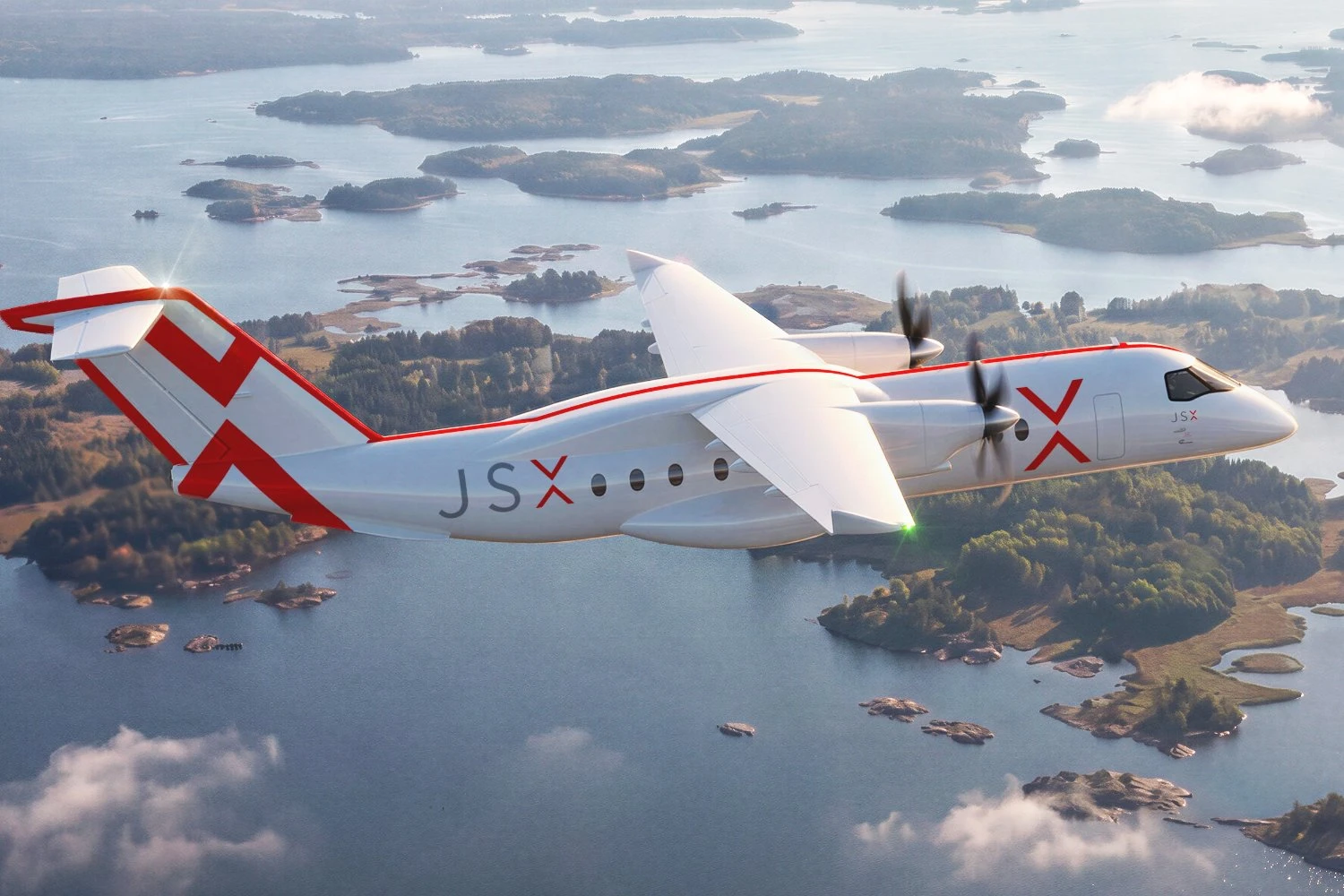
Heart has already secured a deposit-backed agreement with US carrier JSX for 50 ES-36 aircraft, with purchase rights for another 50. Its current schedule calls for the production aircraft's first flight in 2028 and entry into service in 2031.
The ES-36 has not yet demonstrated those capabilities in flight, but its development strategy shows how commercial requirements are shaping electric aviation. Rather than relying entirely on future improvements in battery technology, Heart is incorporating conventional fuel to extend the aircraft's operational usefulness.