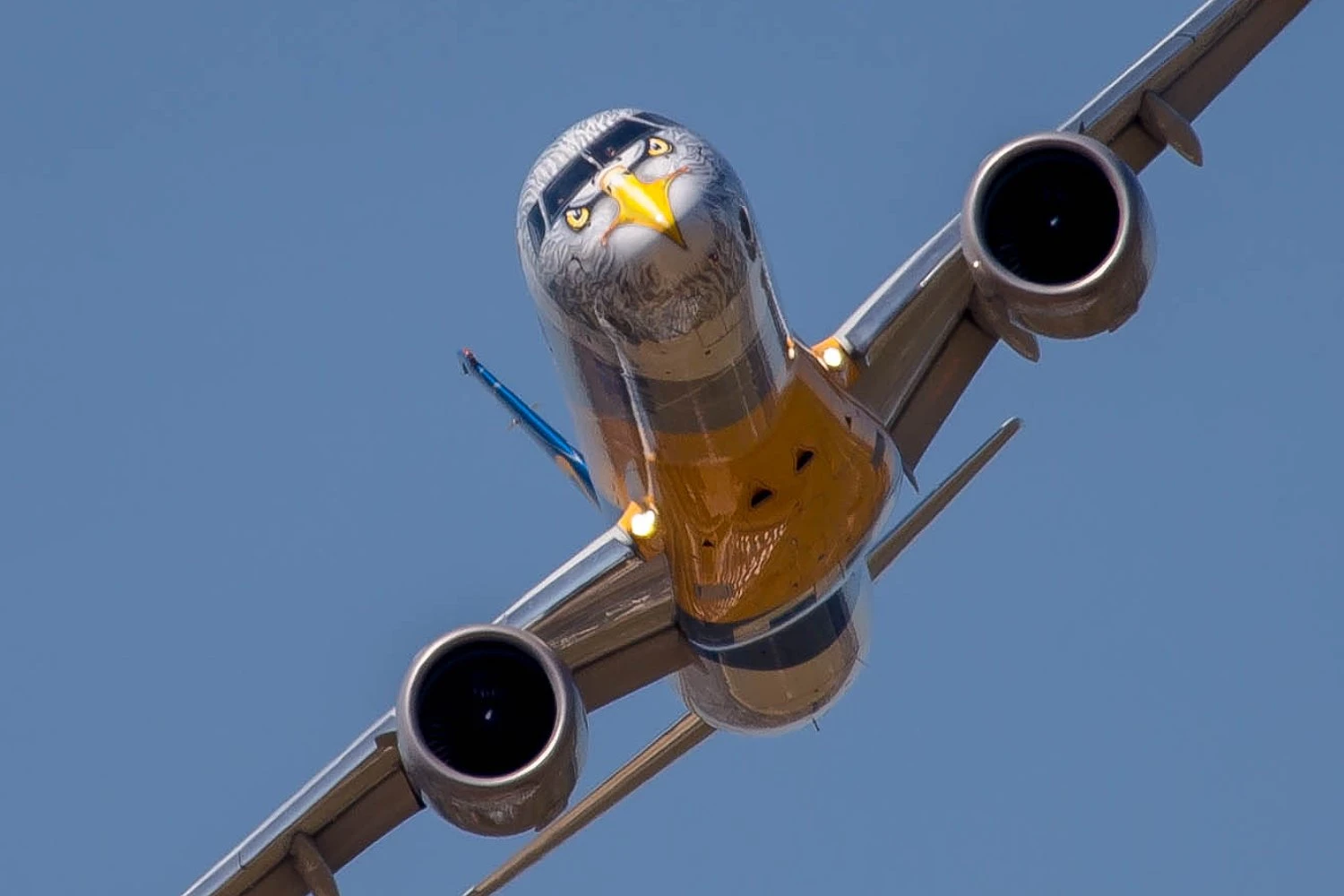
Bolivia's government is considering a major fleet renewal at state-owned Boliviana de Aviación (BoA), with Embraer emerging as a possible supplier of at least 10 aircraft under a leasing agreement.
The proposal comes at a difficult time for BoA. Its fleet is old, relatively diverse and suffering from low availability, leaving the government with the challenge of renewing the airline without the financial resources required for direct aircraft purchases.
Follow Air Data News: WhatsApp | Instagram | LinkedIn | Twitter | Facebook
Bolivian Public Works Minister Mauricio Zamora visited Embraer's facilities in São José dos Campos, Brazil, in July to discuss the fleet renewal. The government subsequently said it intends to lease at least 10 Embraer aircraft and return some of BoA's older jets. Zamora acknowledged that the airline does not have the financial capacity to purchase new aircraft and said leasing is the preferred option.
The government has not identified which Embraer model is under consideration. However, within the manufacturer's current commercial aircraft portfolio, the E195-E2 is the closest replacement for a significant part of BoA's Boeing 737 fleet.
The E195-E2 can accommodate around 130 to 146 passengers depending on configuration. Mexicana de Aviación, for example, operates its E195-E2s with 132 seats. That puts the aircraft close to BoA's older Boeing 737-300s and 737-700s, which have typically been configured with around 136 to 138 seats.
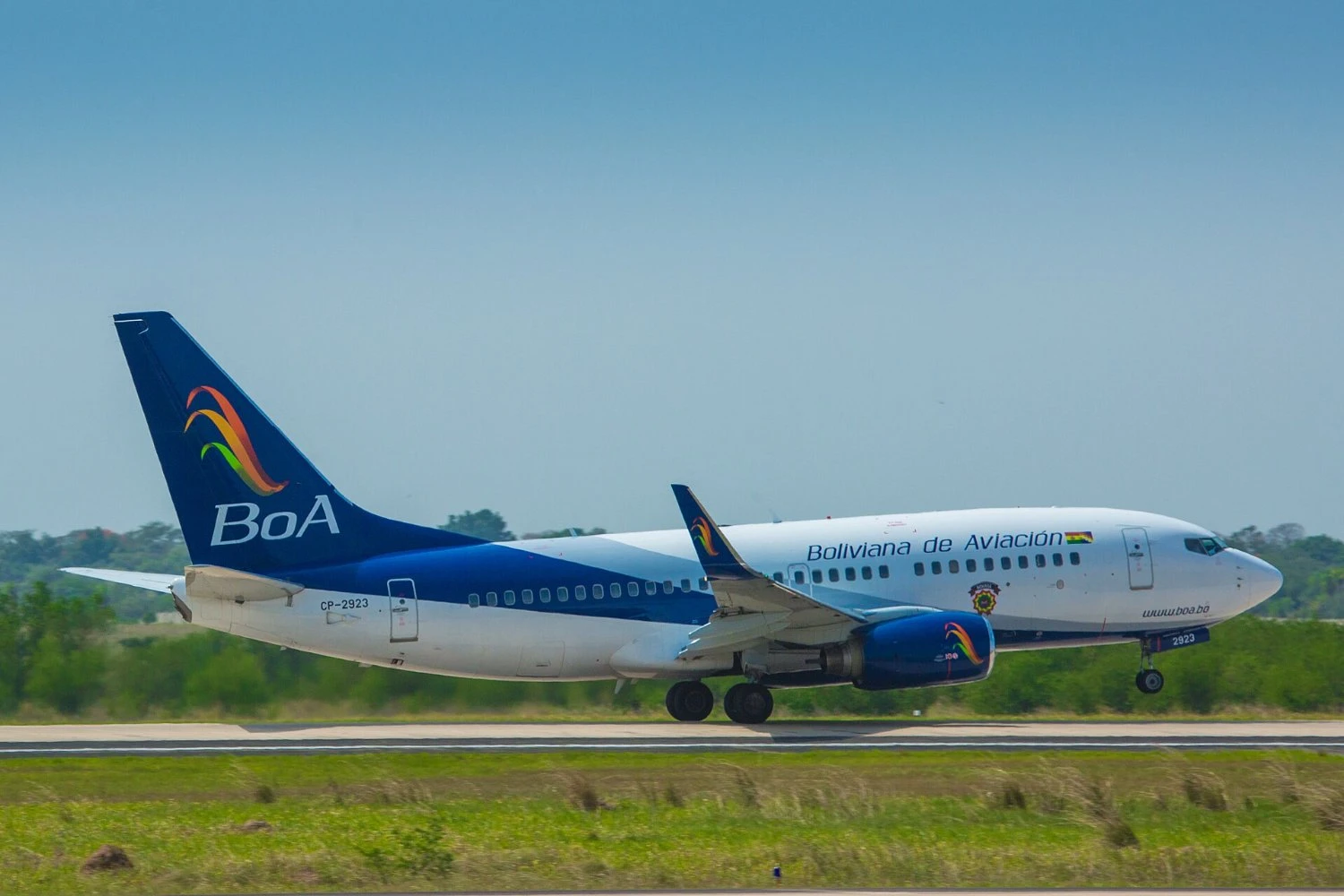
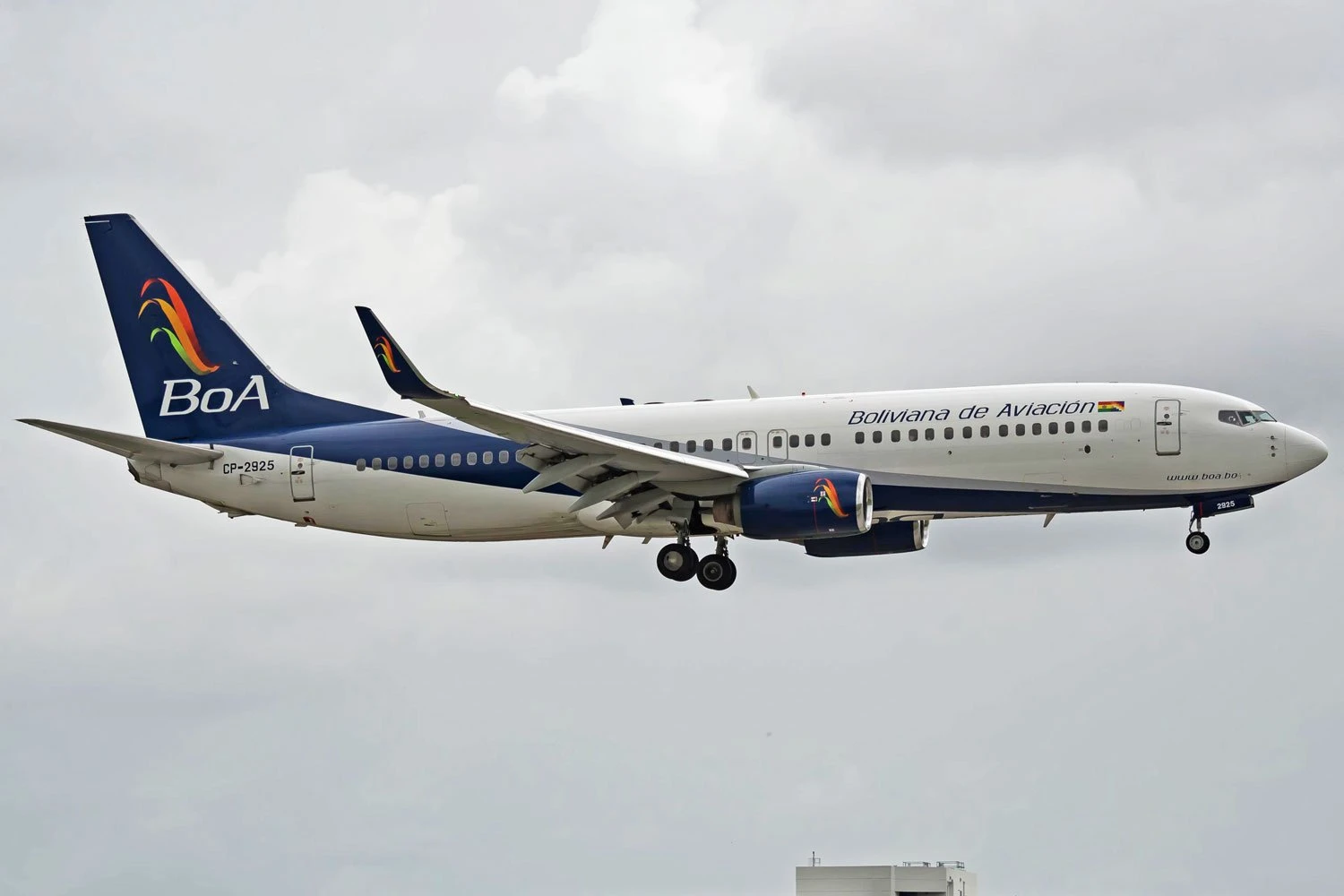
Planespotters data shows BoA's current fleet has an average age of more than 21 years. Its Boeing 737 fleet is particularly old, averaging more than 22 years, including 737-300s averaging about 29 years and 737-700s approaching 25 years. Even the larger 737-800s average nearly 20 years.
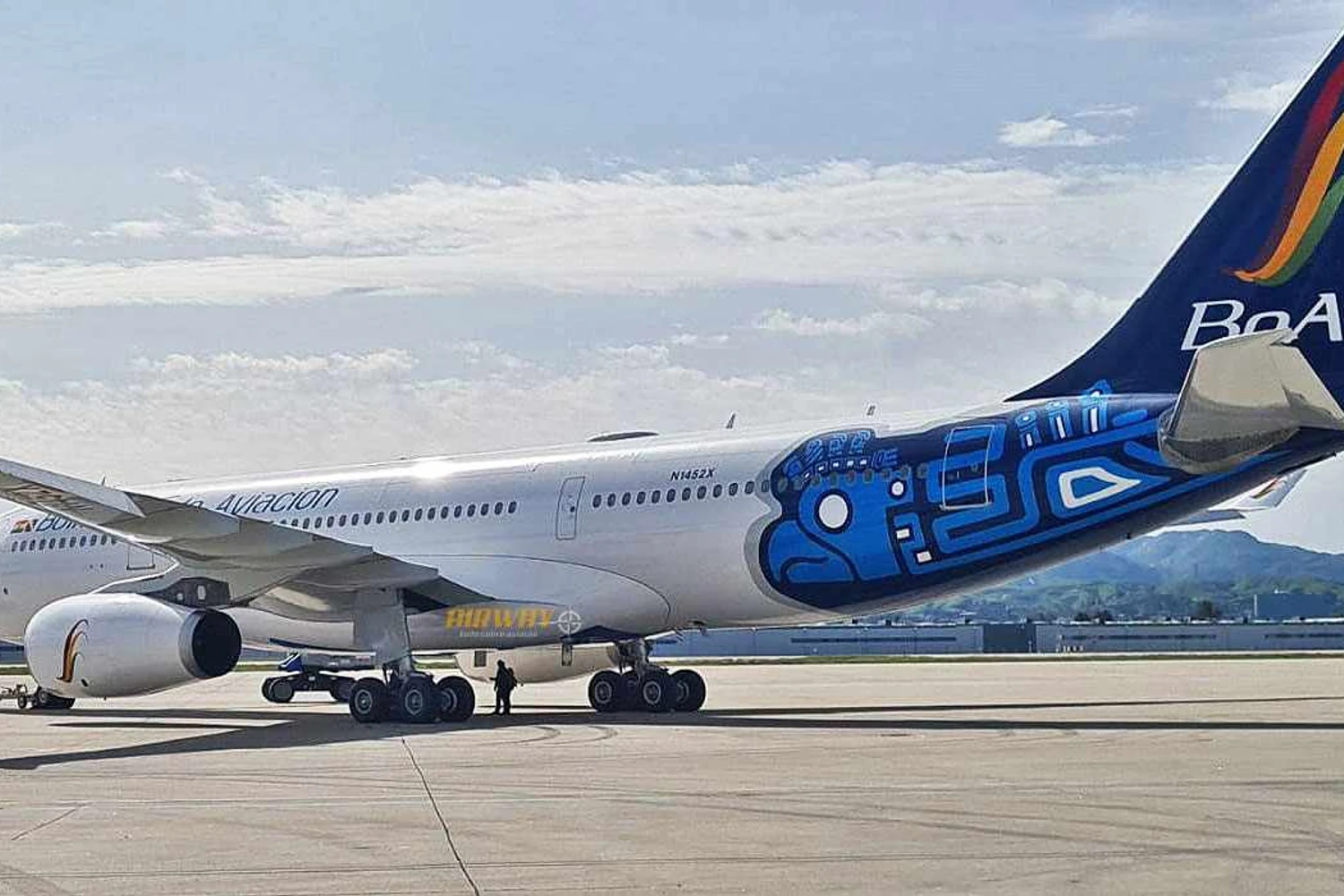
The database currently lists 18 aircraft in BoA's fleet, but only 10 as active. Eight are parked. The fleet comprises three Airbus A330-200s, 13 Boeing 737s across the -300, -700 and -800 variants, and two Bombardier CRJ200 regional jets.
That low availability was also acknowledged by the Bolivian government during its discussions about the airline's future. BoA has faced criticism over cancellations, delays and maintenance problems, adding pressure on the government to address the condition of its fleet.
Politically exposed airline
Fleet decisions at BoA also carry a political dimension that is less pronounced at privately owned airlines. The carrier was created by the Bolivian government in 2007 and remains state-owned, making decisions over aircraft purchases, leasing and network development susceptible to changes in government priorities and public spending.
That has parallels elsewhere in Latin America, particularly with Aerolíneas Argentinas, where fleet and business decisions have repeatedly become intertwined with changes in economic and aviation policy under successive governments.
Related news
Bolivia's current administration has already signaled that it wants to change the environment in which BoA operates. Zamora has criticized the protection previously afforded to the state carrier and called for more competition, saying the government wants additional airlines to enter the Bolivian market.
For Embraer, a BoA agreement would provide another government-backed E2 customer in Latin America. Mexico followed a comparable path with the revived state-owned Mexicana de Aviación. In 2024, the airline ordered 20 E2s directly from Embraer, split equally between 10 E190-E2s and 10 E195-E2s. The Mexican carrier selected 108 seats for the E190-E2 and 132 for the larger E195-E2.
Deliveries began in 2025, making Mexicana the first E2 operator in Mexico.
Whether Bolivia will follow Mexico in selecting the E2 remains unknown. The Bolivian government has so far confirmed only that it is negotiating for Embraer aircraft and intends to obtain at least 10 through leasing. No model, lessor, delivery schedule or agreement has been announced.
The E195-E2 nevertheless fits the capacity of the older 737s BoA needs to replace. The larger question is how quickly Bolivia can turn its stated intention into leases and remove aircraft approaching three decades of service from the state airline's fleet.