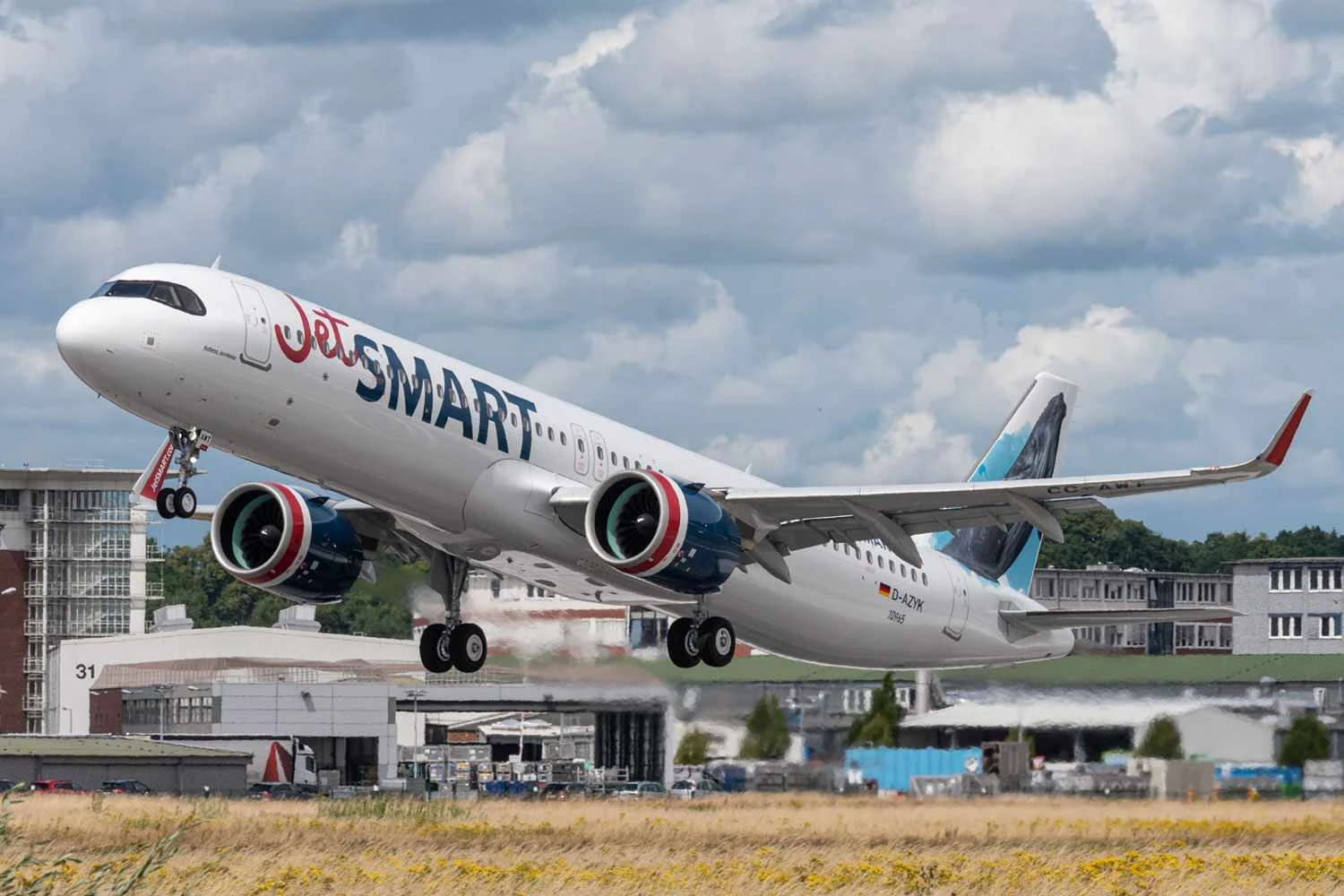
Embraer sees opportunities to place the E195-E2 with more low-cost carriers in Latin America, although convincing airlines built around a single aircraft family to add a smaller jet remains a significant challenge.
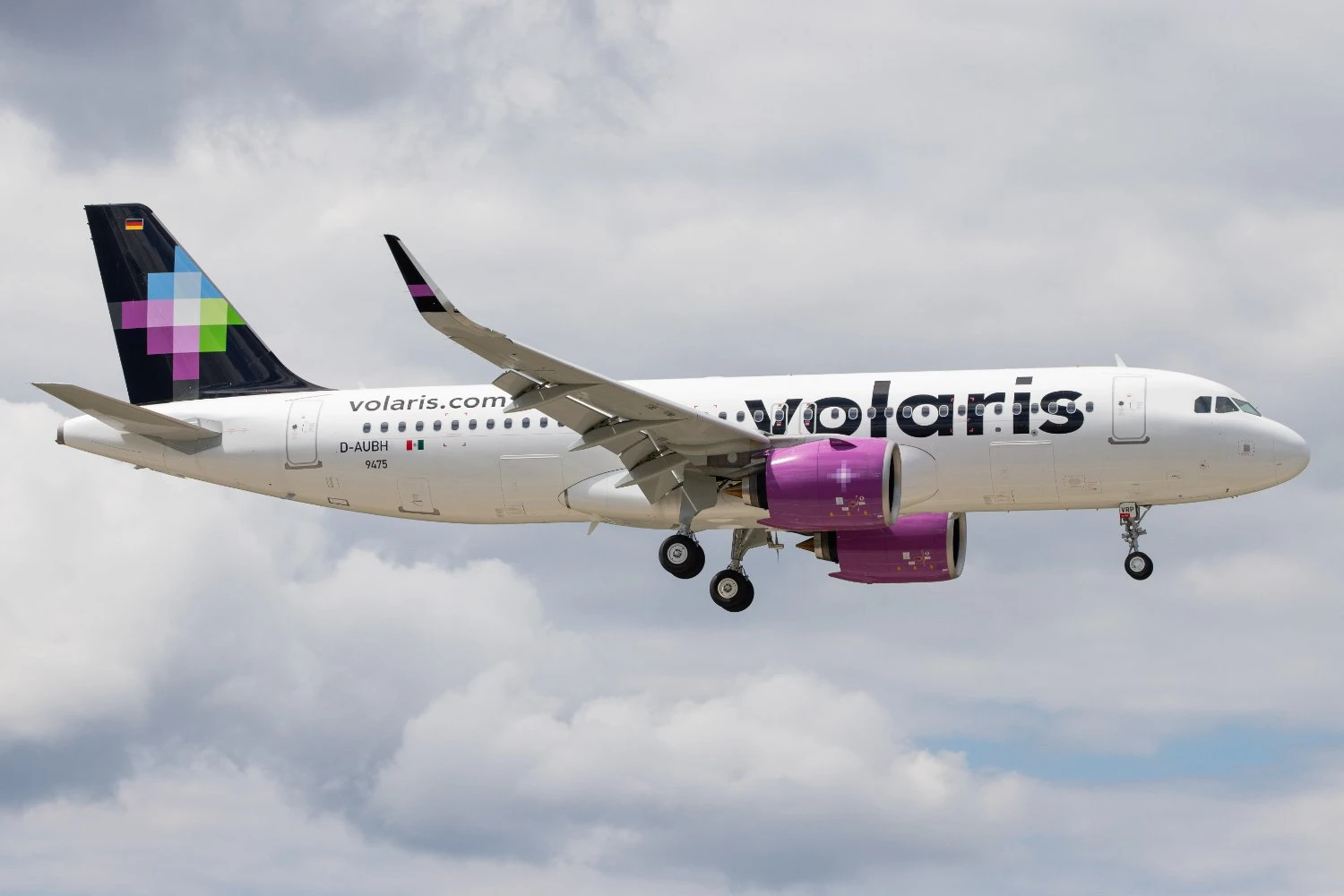
CEO Francisco Gomes Neto discussed the potential during Embraer's second-quarter earnings webcast on August 10, when he was asked whether the E2 could fit the fleets of low-cost carriers such as JetSMART, Volaris and Viva.
"Absolutely. We see the E2 as a perfect fit for this kind of application," Gomes Neto said.
He pointed to existing and upcoming E2 operators in the region and said Mexico could provide further opportunities. Rather than replacing larger narrowbodies across an airline's network, he described the E2 as a possible complement to those aircraft.
Follow Air Data News: WhatsApp | Instagram | LinkedIn | Twitter | Facebook
"We hope the other airlines will look at the E2 as well as an opportunity to complement the operation for large narrowbody in a very efficient way," Gomes Neto said.
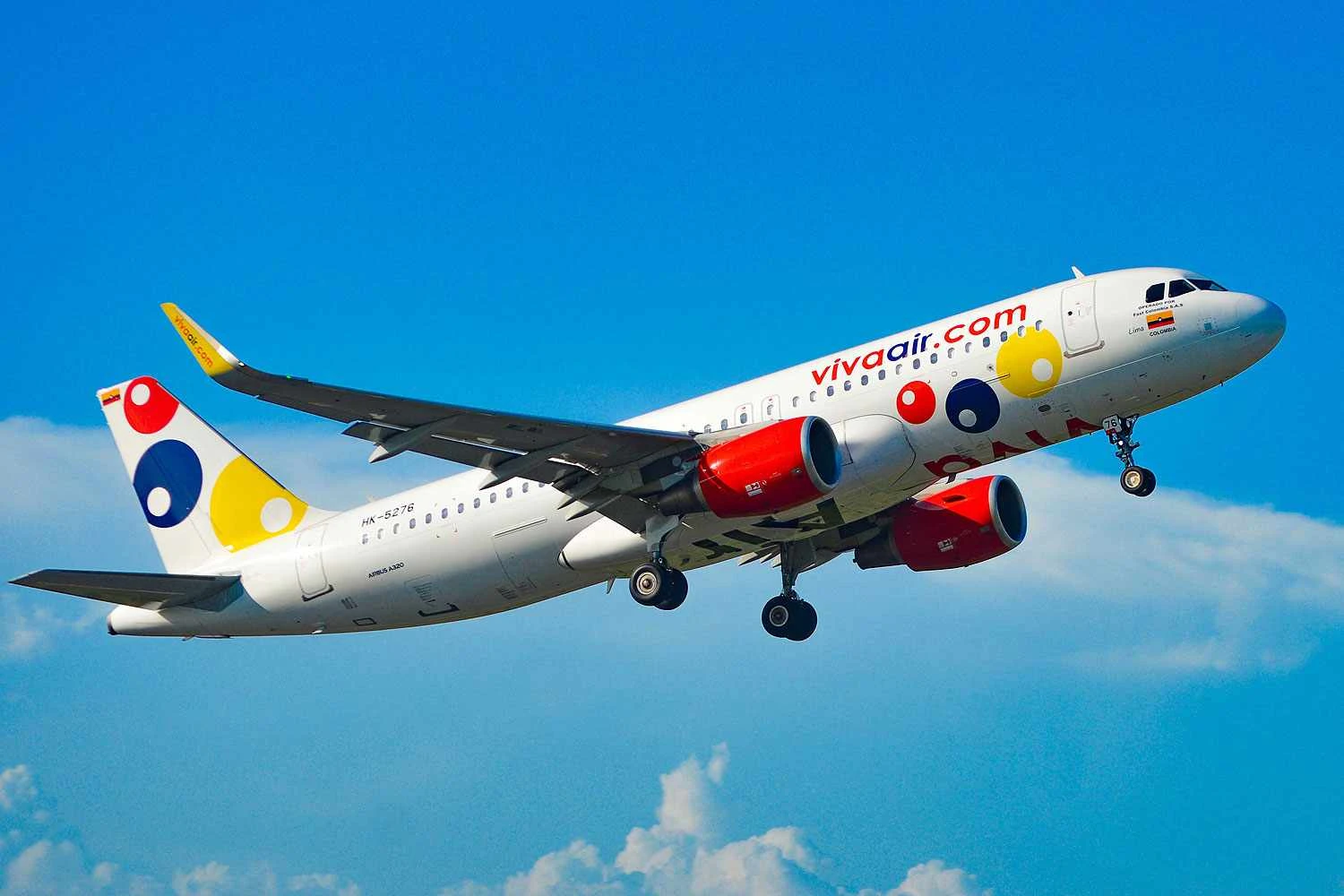
The comments do not indicate that Embraer is negotiating with JetSMART, Volaris or Viva. The airlines were named in the question rather than by Gomes Neto as confirmed sales campaigns.
Abra opens a new door for the E2
The most immediate test of the concept in Latin America could come from Abra Group, which placed a firm order for 20 E195-E2s in July, with purchase rights for another 30 aircraft.
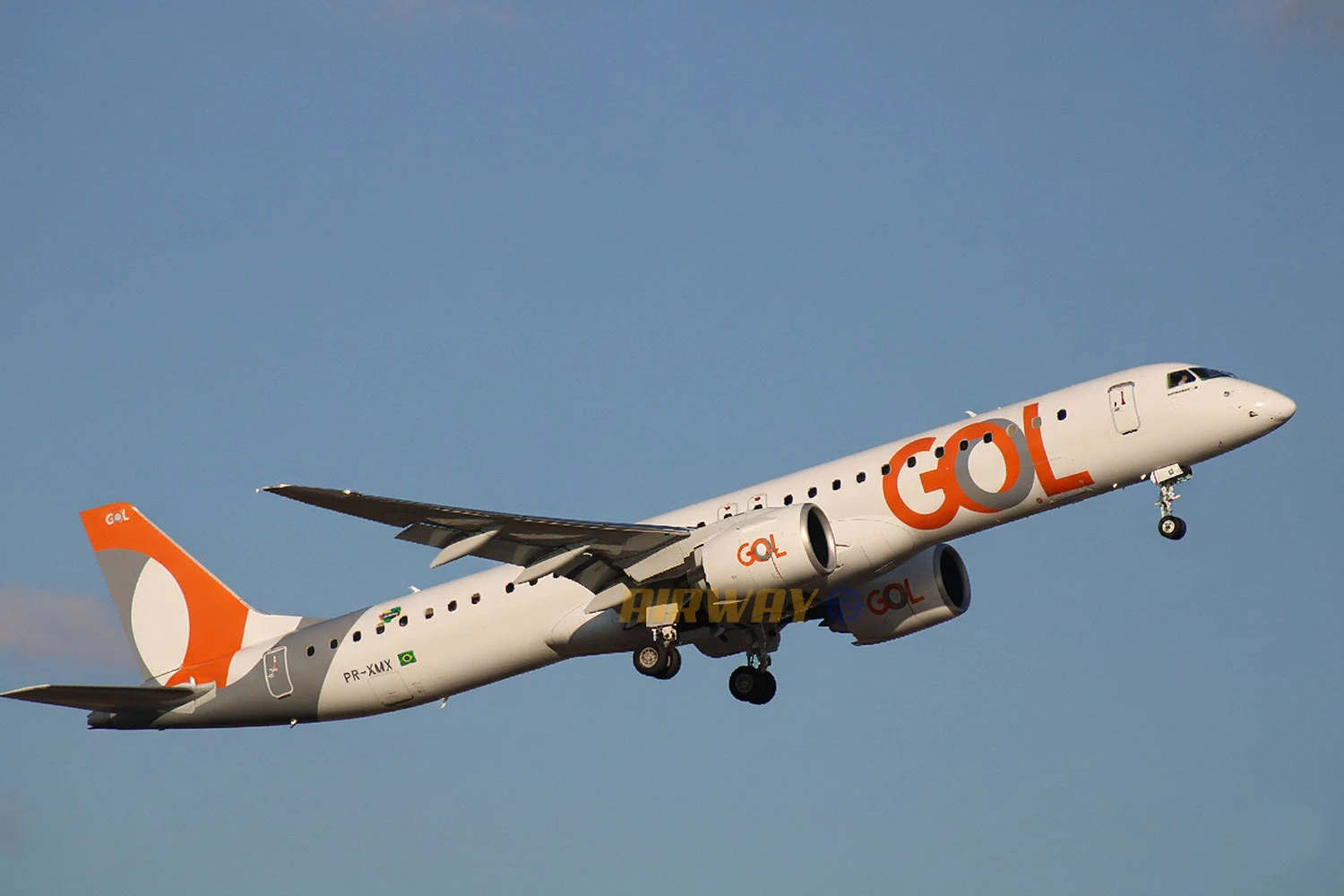
Abra controls Colombia's Avianca and Brazil's GOL, giving the group flexibility over where the aircraft could eventually operate. The E2 order was placed by the holding company rather than assigned exclusively to one airline.
That creates several possibilities. Avianca operates an Airbus A320-family fleet, while GOL has built its narrowbody operation around the Boeing 737. Introducing the E195-E2 at either airline would add a second manufacturer and aircraft family.
The potential scope could become wider if Abra completes its acquisition of Chilean low-cost carrier Sky Airline. Sky operates Airbus A320-family aircraft, and bringing the carrier into Abra would give the group another network where a smaller narrowbody could potentially be deployed.
There is no indication so far that Abra intends to place E2s with Sky, and the acquisition does not mean the Chilean carrier will operate the type. But the combination illustrates the opportunity Embraer is pursuing: using a smaller aircraft alongside existing A320 or 737 fleets where demand does not require the capacity of the larger jets.
A difficult equation for low-cost carriers
For low-cost airlines, however, adding an E2 is not simply a question of whether the aircraft works economically on thinner routes.
Fleet simplicity has long been an important part of the low-cost model. Operating one aircraft family can reduce requirements for pilot and maintenance training, spare parts, tooling and other infrastructure while making aircraft and crew scheduling more flexible.
Volaris and JetSMART are centered on the Airbus A320 family, while adding an E195-E2 would require infrastructure for an aircraft from another manufacturer. Similar considerations apply to other carriers whose cost structures have been developed around highly standardized fleets.
The potential benefit is at the network level. An E195-E2 offers fewer seats than the larger A320neo-family and 737 MAX aircraft, allowing an airline to serve markets where filling a larger narrowbody can be difficult or to add frequencies without introducing the same amount of capacity.
That argument has become more relevant as Airbus and Boeing face large backlogs for their main single-aisle families. During the same webcast, Gomes Neto said airlines are having to wait years for larger aircraft and that this is creating opportunities for the E2 as carriers reconsider the role of smaller narrowbodies in their fleets.