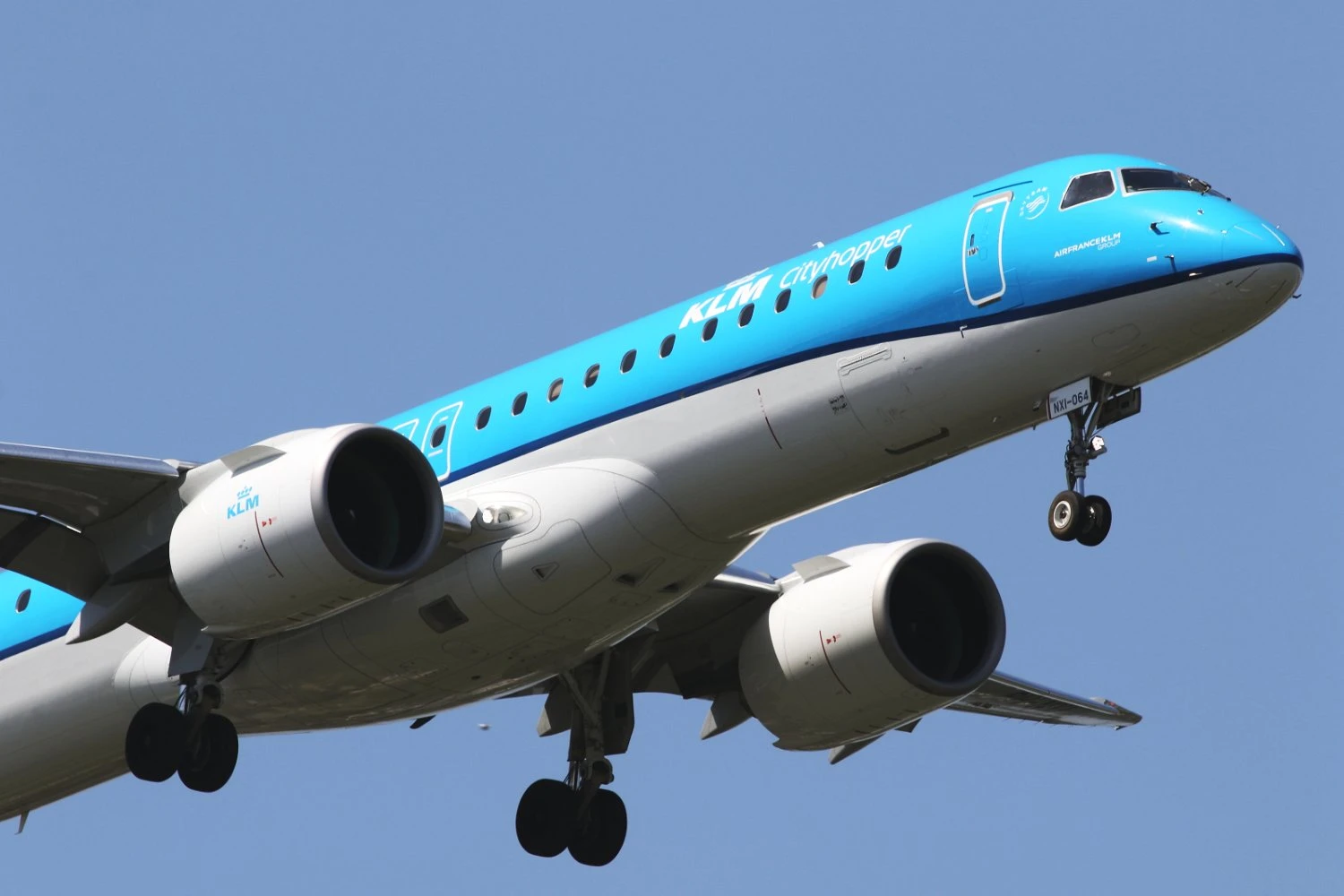
Long delivery lead times for larger single-aisle aircraft are creating new sales opportunities for Embraer's E-Jets E2 family, according to Embraer CEO Francisco Gomes Neto.
Speaking during the Brazilian manufacturer's second-quarter earnings call on Monday, August 10, Gomes Neto said airlines remain willing to expand despite higher fares and other pressures on air travel. The difficulty for some carriers is obtaining new aircraft within the timeframe they need.
"What we see is that the air transportation industry has been extremely resilient despite the higher costs of the tickets," Gomes Neto said.
He then pointed to the large order backlogs accumulated by manufacturers of larger narrowbody aircraft.
"There is a huge backlog for bigger aircraft. Now the customers, the airlines, they have to wait many years to receive a new aircraft," he said.

According to Gomes Neto, this situation is being combined with a better understanding among airlines of how smaller narrowbody aircraft can fit into their fleets.
"We see a lot of opportunities for our E2s, with new orders in the future," he said, adding that Embraer is currently working on several sales campaigns.
Related news
September 21, 2026
September 21, 2026
September 21, 2026
The comments come as Airbus and Boeing continue to hold order backlogs that would require years of production even at rates substantially higher than those achieved today.
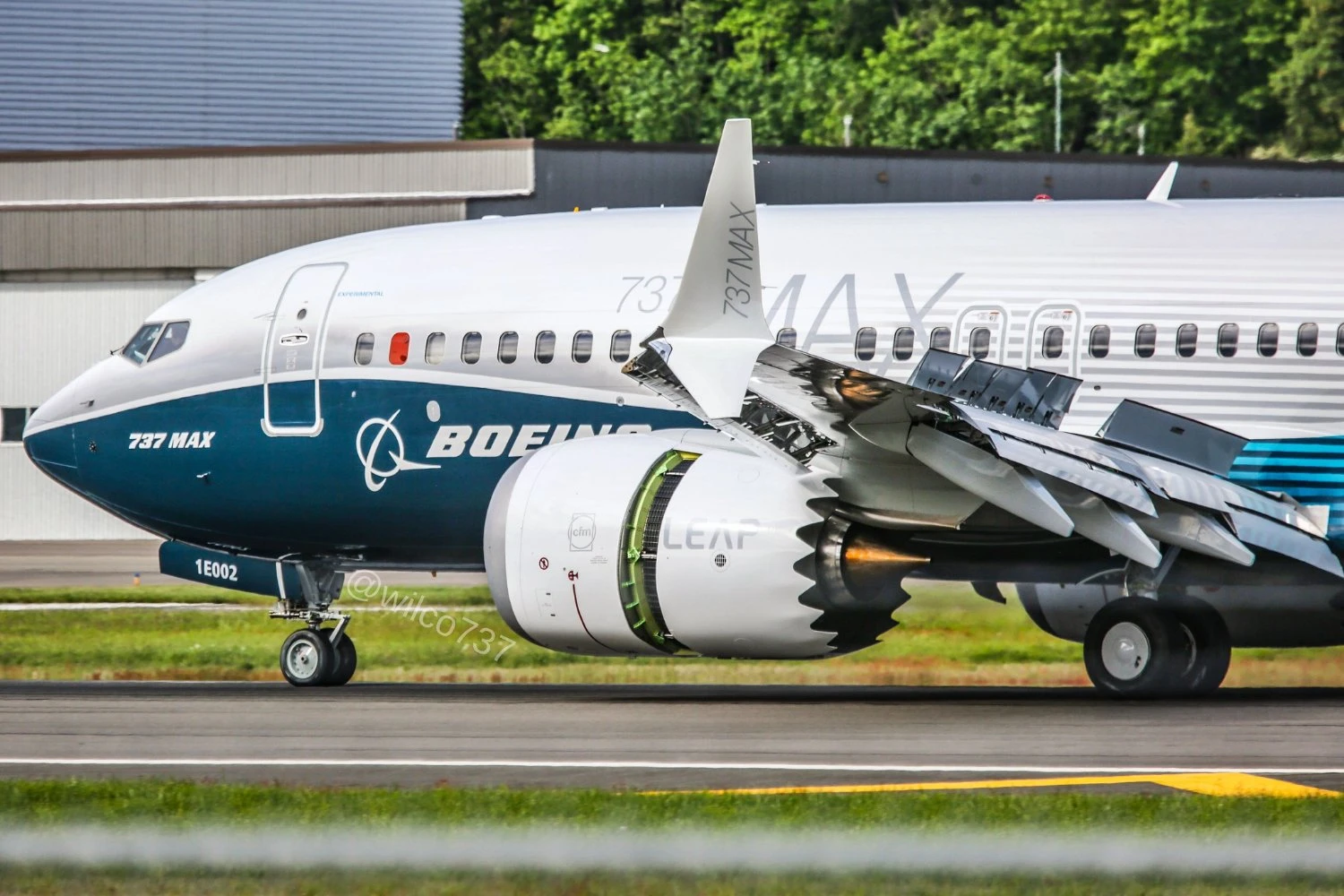
As of July, Airbus had 7,574 outstanding orders for the A320neo family from 12,272 firm orders. Airbus plans to increase production to between 70 and 75 aircraft per month by the end of 2027, eventually reaching 75.
At that rate, the existing backlog would be equivalent to approximately 8.4 years of production. The calculation does not indicate the actual waiting time for a newly ordered aircraft, since delivery positions are allocated across different years and can change as customers defer, cancel or rearrange orders. It does, however, illustrate the scale of the commitments Airbus must accommodate.
Boeing faced a similar situation at the end of June. The manufacturer had 4,846 unfilled orders across the 737-7, 737-8, high-density 737-8-200, 737-9 and 737-10.
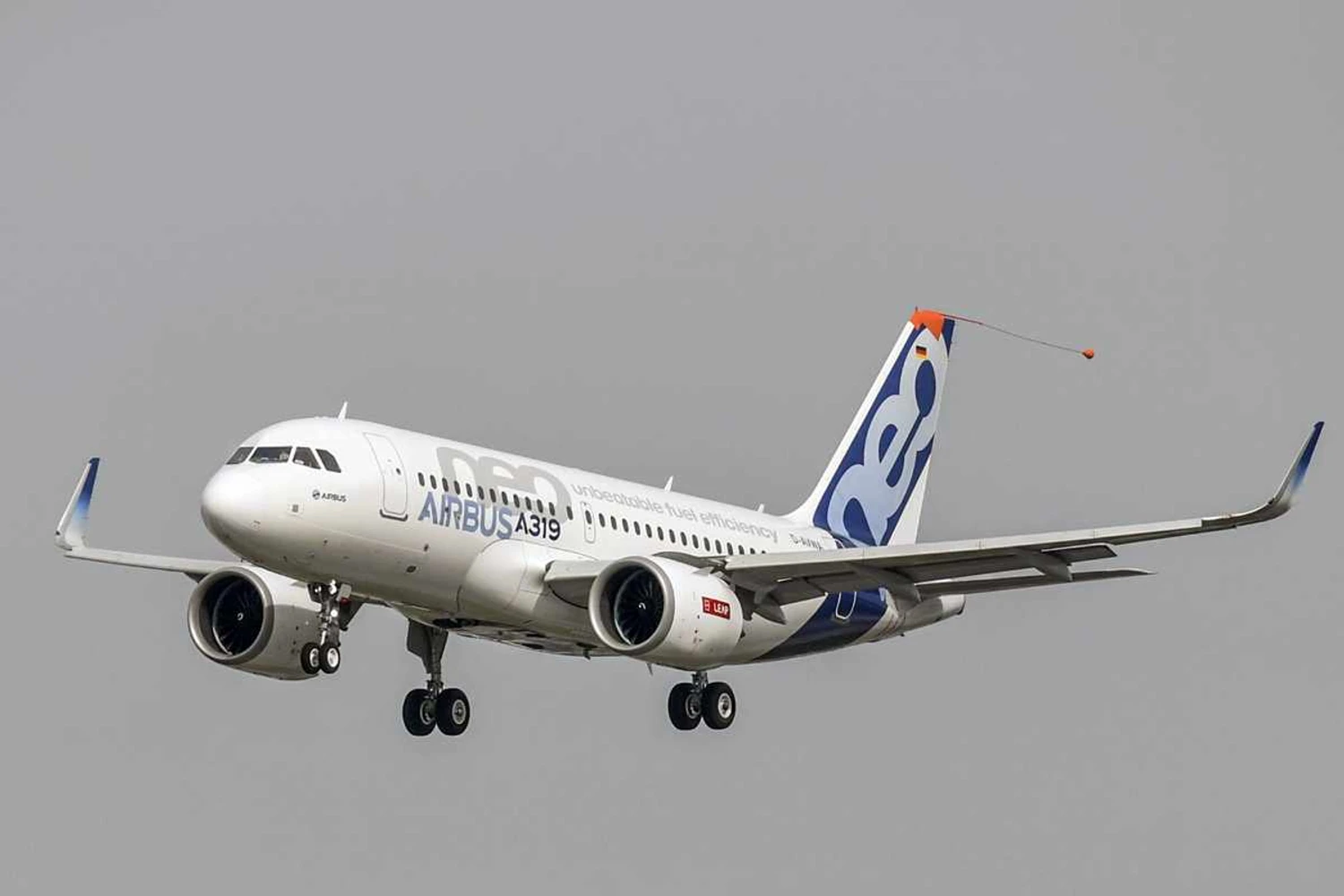
Boeing recently increased 737 production to 47 aircraft per month and had previously disclosed a longer-term objective of 63. The company is also studying whether its production system and suppliers could eventually support approximately 70 aircraft per month.
Even at the higher rate being studied, the current MAX backlog represents about 5.8 years of production. At 63 per month, it represents about 6.4 years.
Combined, Airbus and Boeing therefore have 12,420 A320neo-family and 737 MAX aircraft awaiting delivery.
Not a direct replacement
The opportunity described by Gomes Neto does not mean that an E195-E2 can simply replace an A320neo or 737 MAX in an airline's fleet plan.
The Embraer jet carries fewer passengers and has less range than the larger Airbus and Boeing narrowbodies. Introducing the E2 can also require an airline that does not already operate E-Jets to invest in another aircraft family, including crew training, maintenance, spare parts and other infrastructure.
For routes requiring the capacity or range of an A320neo or 737 MAX, earlier E2 availability does not solve the problem.
The opportunity is different on routes where airlines do not require all of that capacity. An operator may have planned to use larger narrowbodies across its network partly because of fleet commonality, even where a smaller aircraft could adequately serve demand.
Years-long waits for additional A320neo-family or 737 MAX aircraft can change that calculation. Earlier access to a smaller aircraft can make the cost of introducing another fleet type easier to justify, particularly if it allows an airline to open thinner routes, increase frequencies or replace older aircraft without waiting until the end of the decade.
Follow Air Data News: WhatsApp | Instagram | LinkedIn | Twitter | Facebook
Gomes Neto made a similar argument later in the call when asked about potential E2 sales to Latin American low-cost carriers. He described the aircraft as a possible complement to operations with larger narrowbodies rather than a universal substitute for them.
The A220 complicates the picture
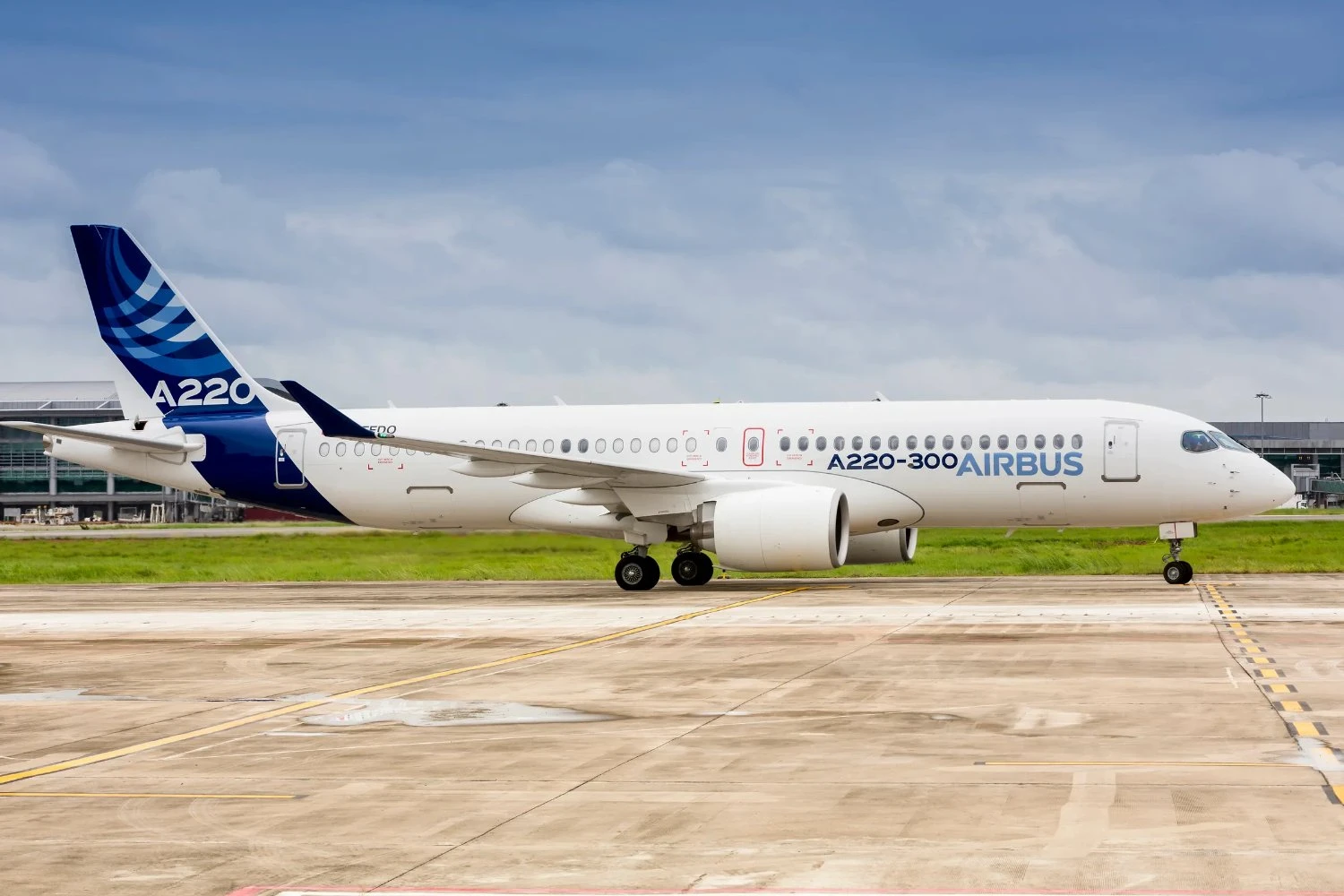
Embraer is not alone in this segment. The Airbus A220 offers another alternative for airlines that do not need the capacity of the larger A320neo-family aircraft.
The A220 backlog is also considerably smaller. Airbus had 574 aircraft awaiting delivery from 1,106 firm orders in July, compared with 7,574 outstanding A320neo-family aircraft.
Although the A220 is an Airbus product today, it originated as Bombardier's CSeries and does not share the level of commonality that exists within the A320 family. An existing A320 operator considering the A220 therefore still faces many of the implications associated with adding another aircraft type.
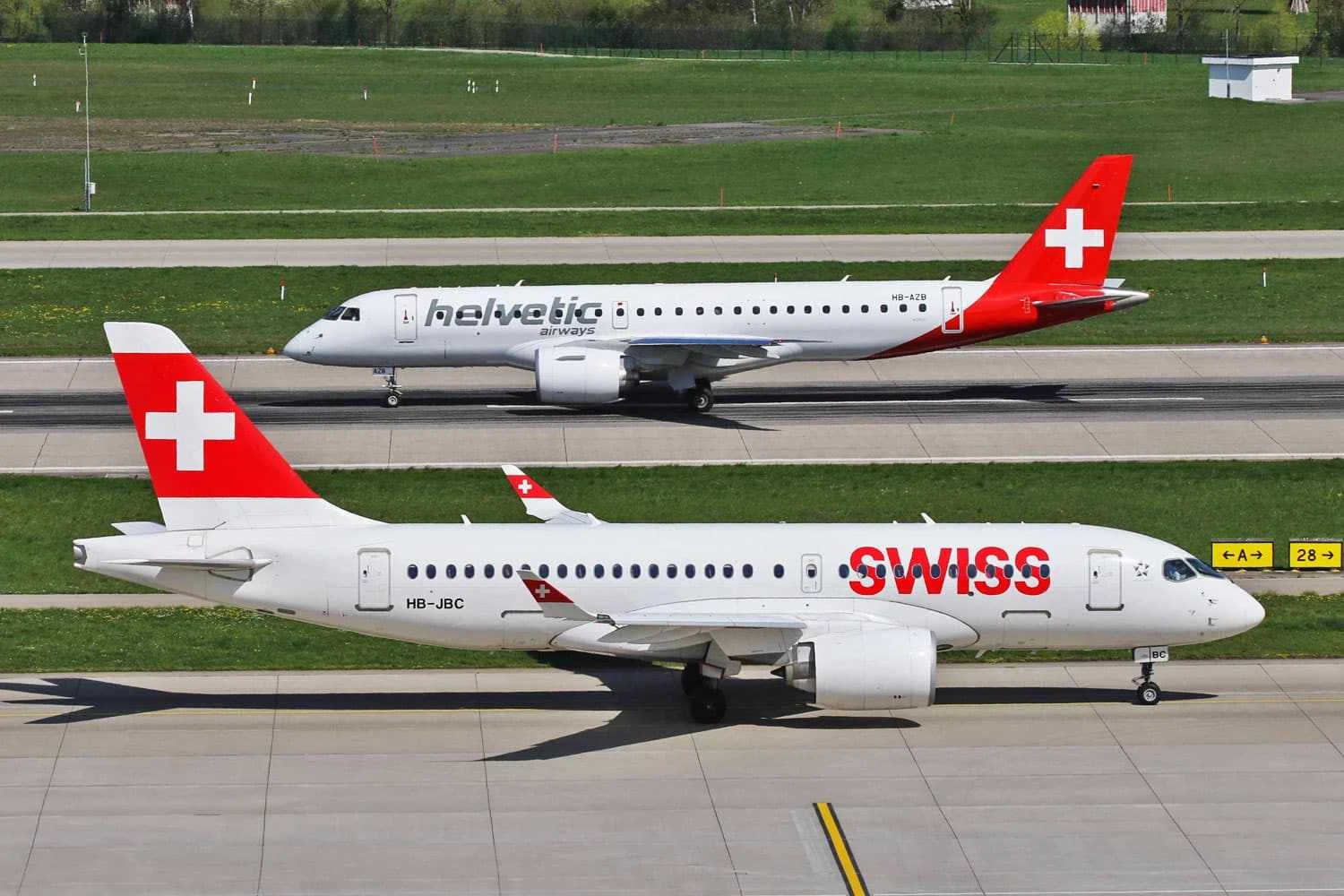
Airbus is also increasing A220 production, giving Embraer a competitor that could benefit from the same shift toward smaller aircraft described by Gomes Neto.
Embraer's own backlog illustrates the difference in scale. At the end of June, it had 291 E2 aircraft awaiting delivery: 264 E195-E2s and 27 E190-E2s. The manufacturer does not disclose a separate monthly production rate for the E2.
Embraer expects to deliver 80 to 85 commercial aircraft across the E175 and E2 families in 2026. Gomes Neto said during Monday's call that the company plans to increase its commercial aviation production capacity to between 120 and 130 aircraft per year by 2030.
The smaller backlog does not by itself establish how soon Embraer can offer an aircraft to a new customer. Production positions can become available as existing customers change delivery schedules, reduce orders or restructure fleet plans.
But the contrast explains part of the opening Embraer sees. Airbus and Boeing continue trying to raise production to work through thousands of orders for their larger narrowbodies. For airlines with routes that do not require those aircraft's full capacity, waiting years for another A320neo or 737 MAX is no longer the only option.