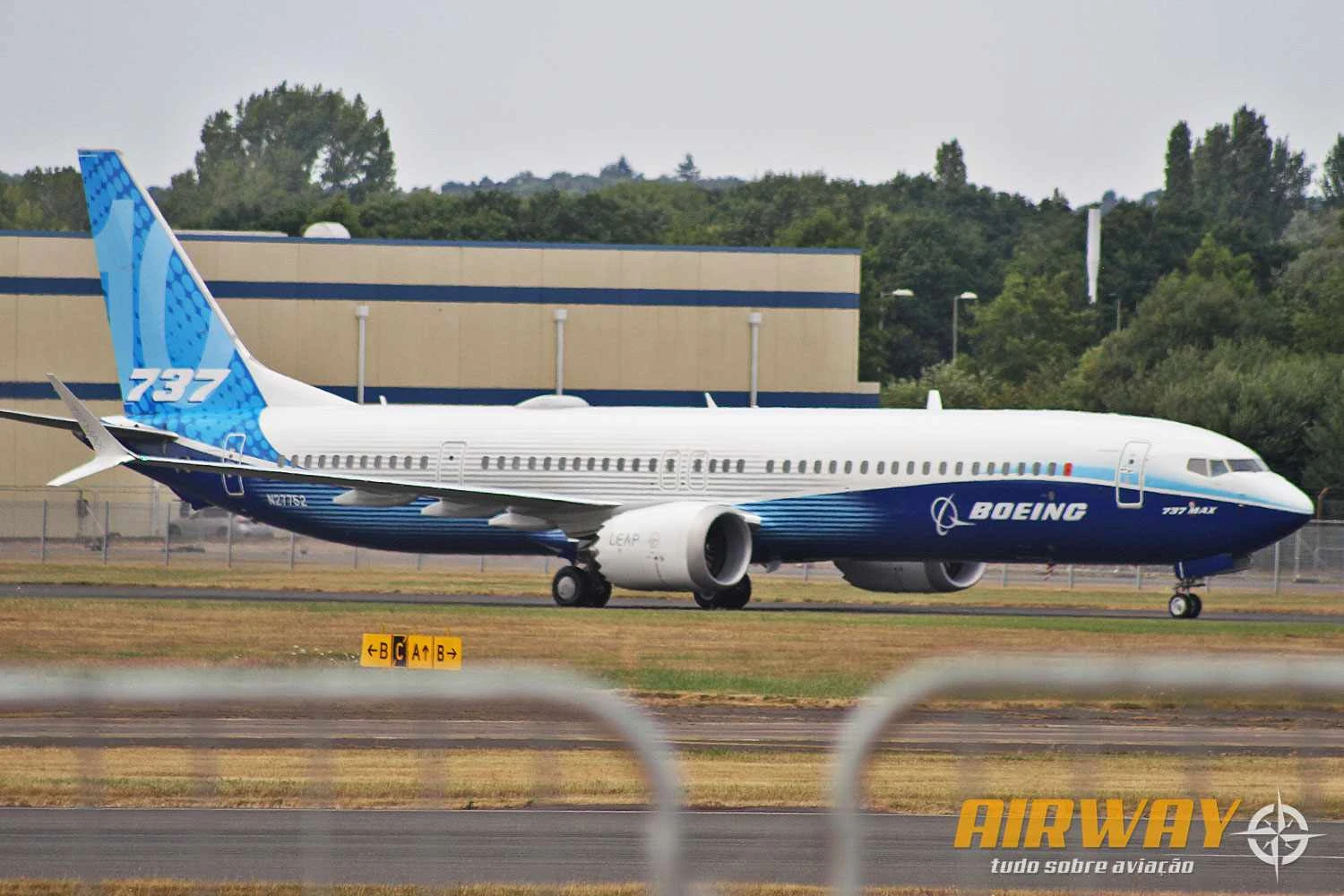
Boeing is exploring the possibility of increasing 737 production to around 70 aircraft per month, according to a report by The Air Current, a move that would push output well beyond the manufacturer's previously disclosed target of 63 jets per month.
The publication reported that Boeing has begun studying whether its suppliers could support such a production rate, although the discussions remain at an early stage and no decision has been made.
Related news
September 21, 2026
September 21, 2026
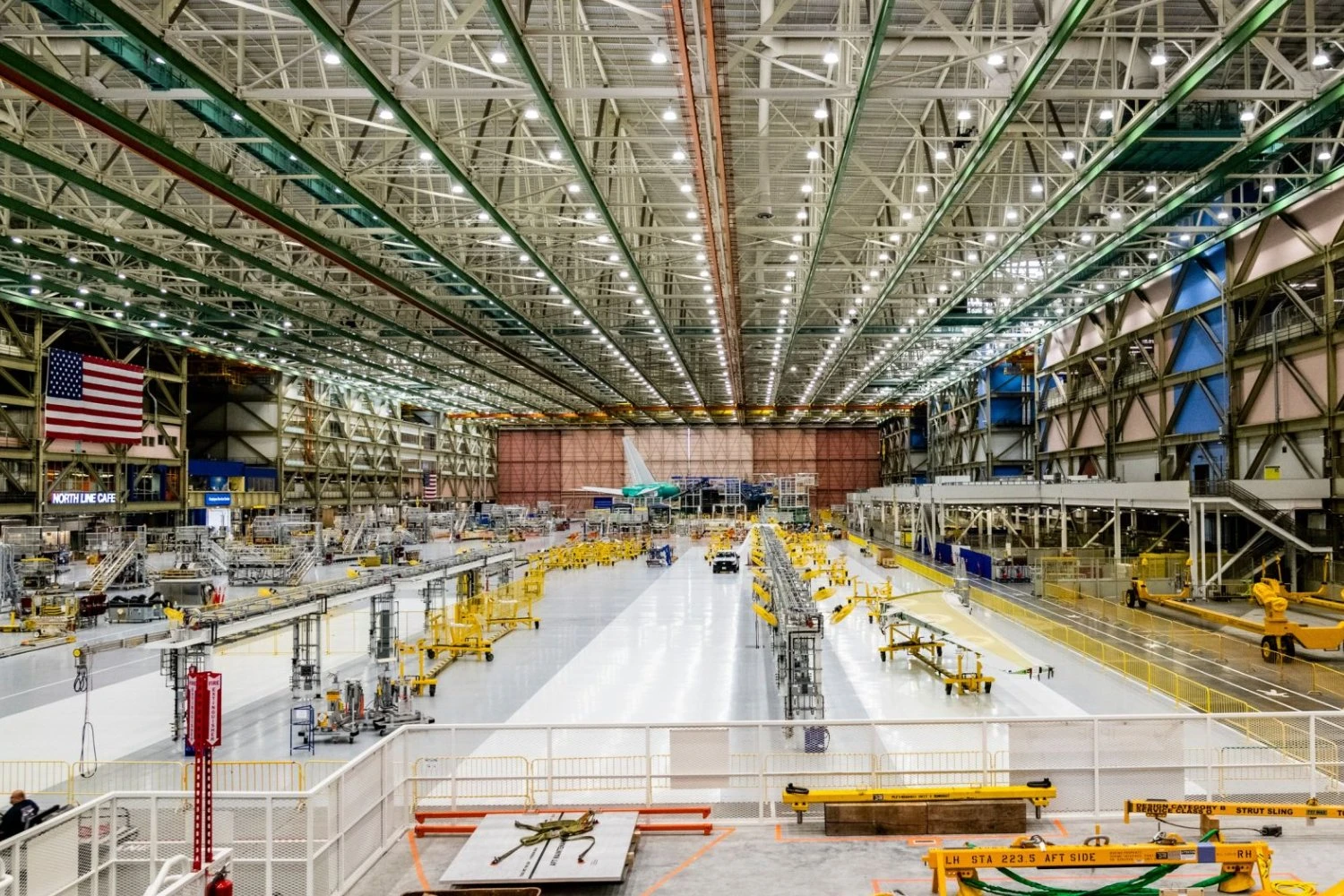
The company recently raised 737 MAX production to 47 aircraft per month after receiving approval from the U.S. Federal Aviation Administration (FAA). Boeing CEO Kelly Ortberg said in May that the manufacturer expected to reach that rate within the next few months.
If eventually adopted, a 70-aircraft monthly rate would bring Boeing much closer to Airbus' long-standing objective of producing 75 A320neo-family aircraft per month. The European manufacturer has repeatedly postponed that target because of supply-chain constraints and now expects to reach a rate of 70 to 75 aircraft monthly by the end of 2027.
Both manufacturers are under pressure to increase output as order backlogs continue to grow. At the end of April, Boeing had 4,391 unfilled orders for the 737 family, while Airbus held 7,348 outstanding orders for the A320neo family.
The Airbus backlog is heavily concentrated on the A321neo, which accounts for 5,492 aircraft awaiting delivery. The variant has become the most popular member of the A320neo family and has helped Airbus maintain a strong lead in the single-aisle market over the past decade.
Neither manufacturer has previously sustained production rates at the levels now being discussed. Reaching those targets would require suppliers to increase deliveries of engines, aerostructures, avionics and other critical components while avoiding the disruptions that have repeatedly affected the aerospace industry since the pandemic.
Follow Air Data News: WhatsApp | Google News | Instagram | LinkedIn | Twitter | Facebook
For Boeing, increased production would also be financially important. The 737 MAX remains the company's largest commercial program by volume, and increased deliveries are seen as a shortcut to improving cash flow and reducing the backlog of orders accumulated in recent years amid safety concerns.
The Air Current noted that Boeing's internal studies are still preliminary and that the company could ultimately decide against pursuing the higher production rate if supplier capacity or market conditions do not support the move.