 Air Transport
Boeing has decided to shed some light on its commercial aircraft backlog. The US planemaker was reluctant to expose the amount of orders for some families divided by variants, but now it has made a new table available on its website with the so-called "minor models".
In it, jets like the 737 MAX and 777X appear with numbers separated by versions, bringing more transparency to the market. It's still not the ideal situation, as the order and delivery tables continue without detailing the aircraft, however.
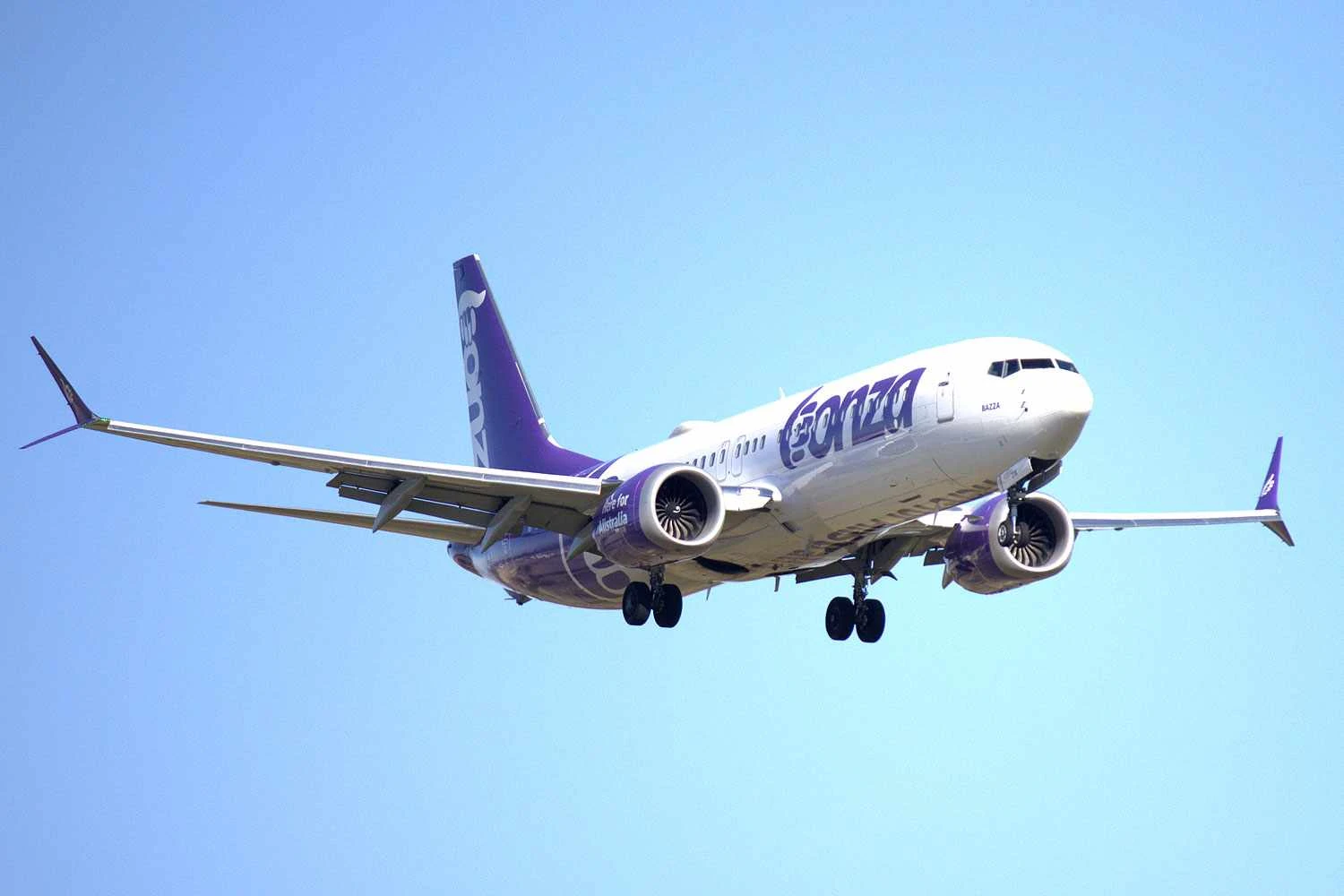
The most relevant information concerns the 737 MAX jets and shows that the 737-8 variant, the first to enter service, dominates orders for the series. There are 5,062 aircraft or 70% of gross orders.
The 737-10 version follows with 918 orders, showing that the largest jet in the family is in great demand. There are still 469 orders for the 737-8-200 (high density version), 420 for the 737-9 and just 325 for the smallest model 737-7.
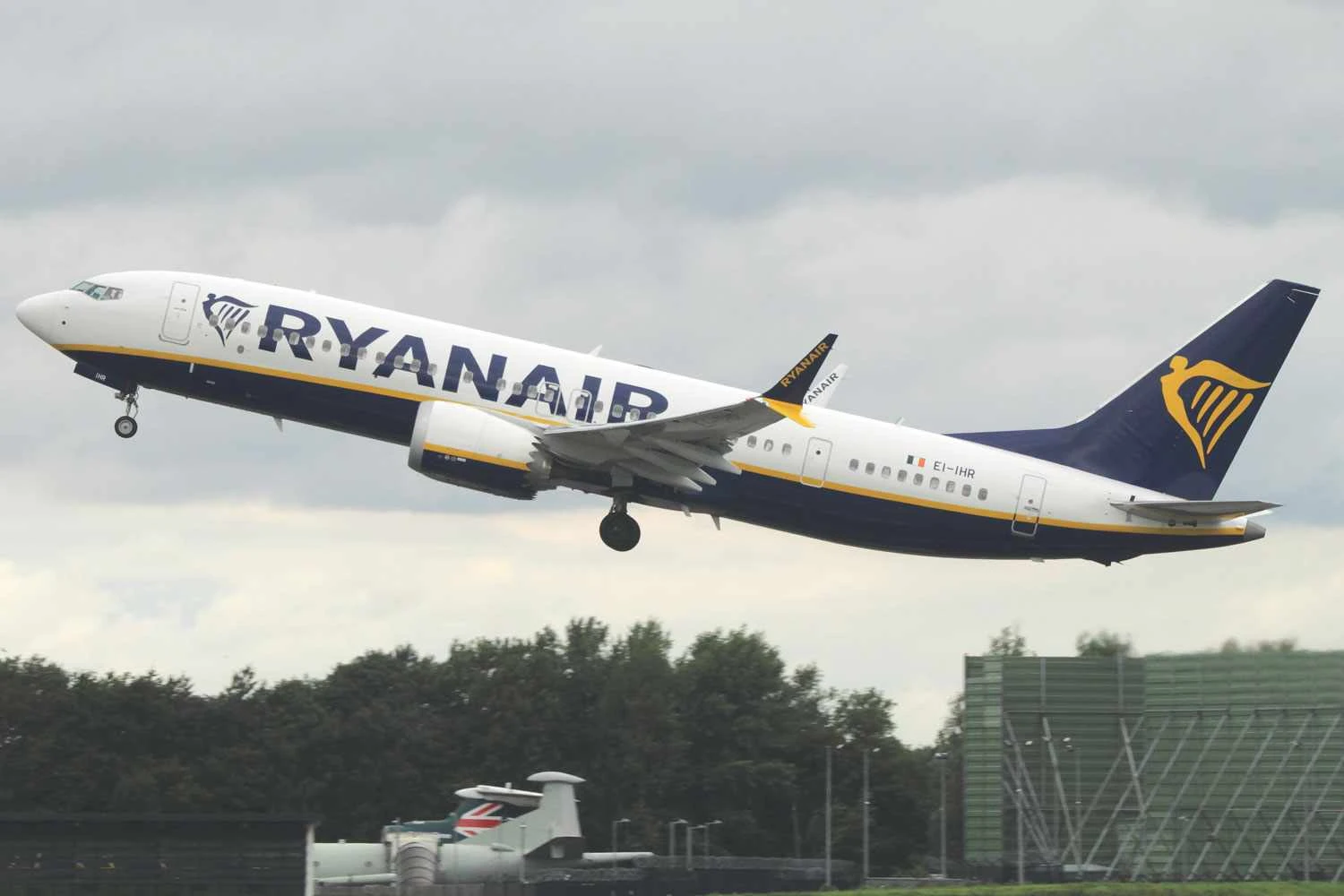
The 777X family, in turn, has 420 gross orders, 322 of which for the 777-9, the first to be certified. Boeing also negotiated 55 777-8F Freighters and 43 777-8.
But it is precisely this data that draws attention. The planemaker reports only three types of data, gross orders, deliveries and unfilled orders.
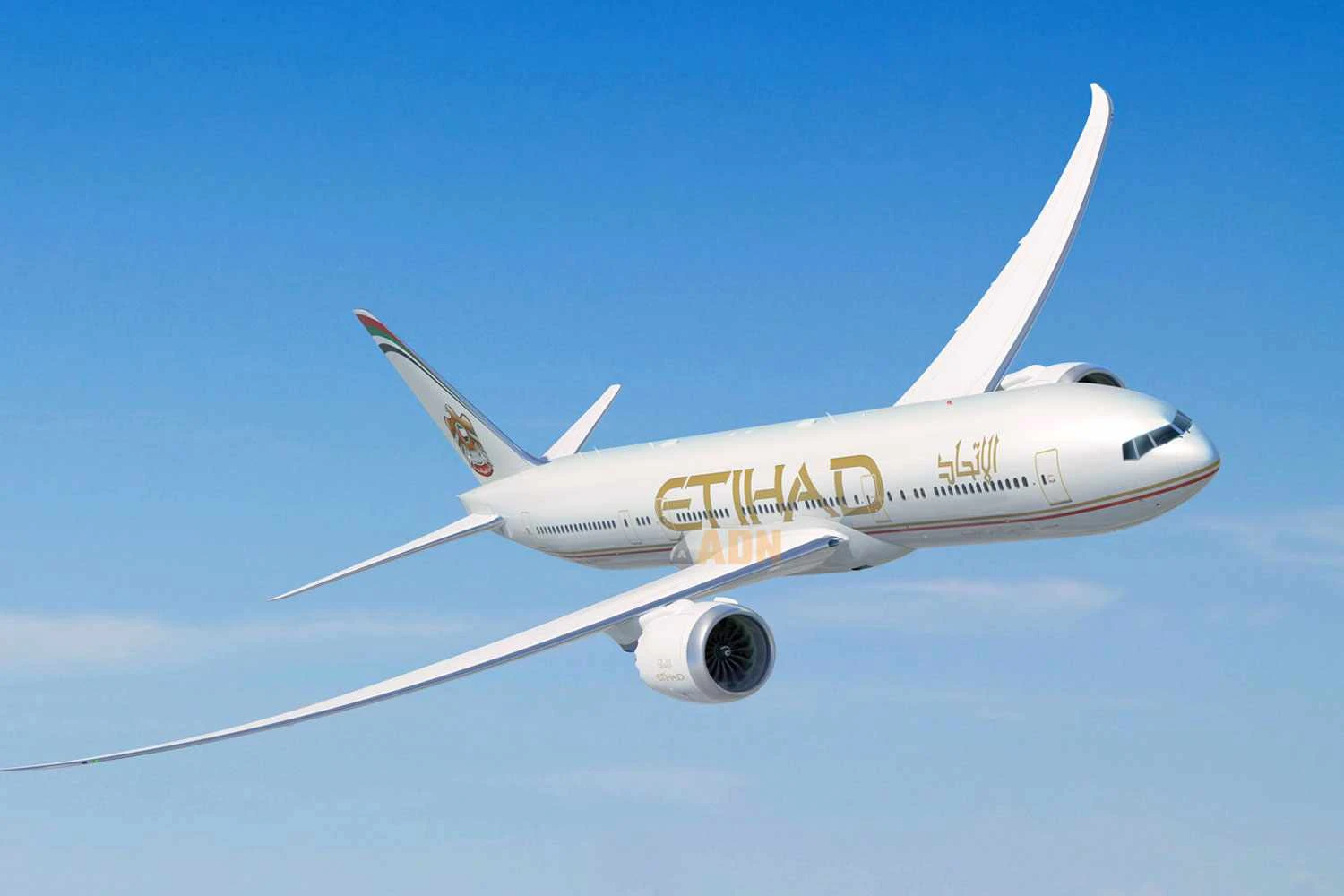
Therefore, the sum of deliveries and aircraft pending delivery outlines a more realistic scenario in which the 777-8 has only eight aircraft on order.
The data coincides with the information that Emirates Airline gave up receiving 16 of these aircraft, replacing them with the 777-9. That would then leave the eight planes ordered by Etihad in 2013.
Net orders
An interesting comparison with the figures shows the relationship between gross and net orders. Boeing has 17,101 gross orders but only 14,513 net orders, or 85% of the total.
There are cases of models in which the ratio is 100%, that is, the gross total is in fact the number of aircraft pending, as with the 777-8F, but this is rare. Other cases involve aircraft for military use, whose agreement is more solid - the 737-800A (P-8A) and the 767-2C (KC-46A) are in this situation.
Most popular posts
[wpp range='last24hours' wpp thumbnail_width=100 thumbnail_height=75 limit=3 stats_views=0 order_by='views']On the other hand, the 767-300F freighter has 279 gross orders, but the sum between deliveries and pending aircraft reaches 280 units, a possible arithmetic error.
The most curious data, however, refers to the 737-8. If on the one hand it is a "minor model" more numerous on the list, the jet has the biggest gap between gross and net orders, no less than 2,751 aircraft, or 26.6% of the total.
See below the data compiled by Air Data News:
| Family | Variant | Gross orders | Net orders* | Deliveries | Unfilled orders | Gross/Net |
|---|---|---|---|---|---|---|
| Boeing 737 NG | 737-800 | 5.455 | 5.014 | 5.012 | 2 | 91,9% |
| 737-800A | 191 | 191 | 174 | 17 | 100,0% | |
| Subtotal | 5.646 | 5.205 | 5.186 | 19 | 92,2% | |
| Boeing 737 MAX | 737-7 | 325 | 297 | 0 | 297 | 91,4% |
| 737-8 | 5.062 | 3.716 | 965 | 2.751 | 73,4% | |
| 737-8-200 | 469 | 468 | 124 | 344 | 99,8% | |
| 737-9 | 420 | 324 | 187 | 137 | 77,1% | |
| 737-10 | 918 | 810 | 0 | 810 | 88,2% | |
| Subtotal | 7.194 | 5.615 | 1.276 | 4.339 | 78,1% | |
| Boeing 767 | 767-2C | 138 | 138 | 75 | 63 | 100,0% |
| 767-300F | 279 | 280 | 234 | 46 | 100,4% | |
| Subtotal | 417 | 418 | 309 | 109 | 100,2% | |
| Boeing 777 | 777-300ER | 880 | 837 | 832 | 5 | 95,1% |
| 777F | 348 | 319 | 250 | 69 | 91,7% | |
| Subtotal | 1.228 | 1.156 | 1.082 | 74 | 94,1% | |
| Boeing 777X | 777-8 | 43 | 8 | 0 | 8 | 18,6% |
| 777-8F | 55 | 55 | 0 | 55 | 100,0% | |
| 777-9 | 322 | 300 | 0 | 300 | 93,2% | |
| Subtotal | 420 | 363 | 0 | 363 | 86,4% | |
| Boeing 787 | 787-8 | 668 | 424 | 393 | 31 | 63,5% |
| 787-9 | 1.276 | 1.115 | 595 | 520 | 87,4% | |
| 787-10 | 252 | 217 | 84 | 133 | 86,1% | |
| Subtotal | 2.196 | 1.756 | 1.072 | 684 | 80,0% | |
| TOTAL | 17.101 | 14.513 | 8.925 | 5.588 | 84,9% |
* Sum of deliveries and unfilled deliveries