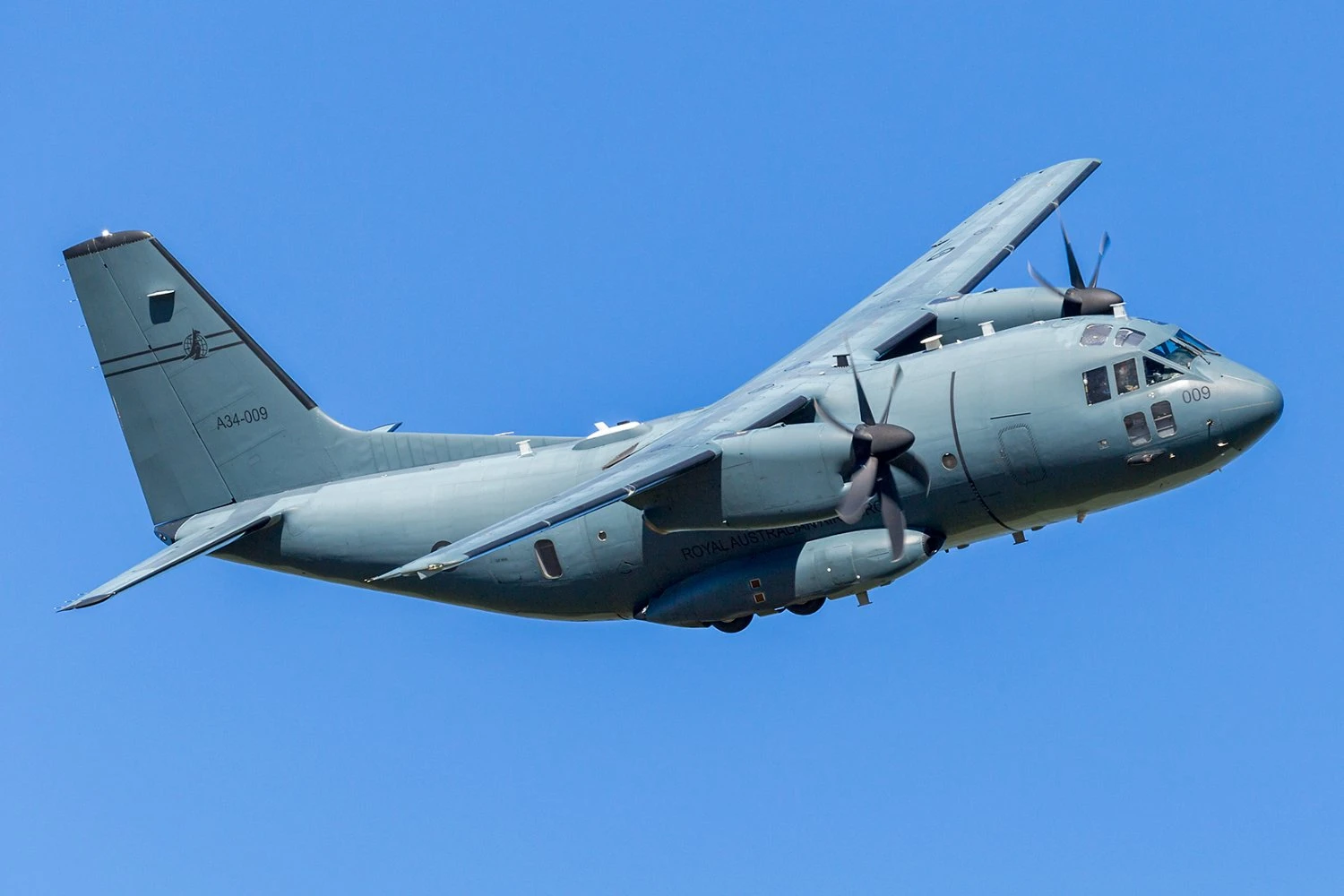
Australia will withdraw its fleet of 10 Leonardo C-27J Spartan tactical transport aircraft from service and replace them with commercial-type aircraft under its 2026 National Defence Strategy.
The aircraft, operated by the Royal Australian Air Force’s No. 35 Squadron, will be phased out without a defined retirement date. Canberra said the replacement fleet will focus on personnel and logistics transport across the Pacific, maintaining support for regional partners under the Pacific Air Program.
Introduced between 2015 and 2018, the C-27J had a relatively short service life in Australia. The twin-engine turboprop was originally acquired as a battlefield airlifter but had its role revised in 2021 toward humanitarian assistance and disaster relief missions. In this capacity, it was used during events such as bushfire and flood response operations, benefiting from its ability to operate from short and unprepared airstrips.
Recent news
September 16, 2026

September 16, 2026

September 16, 2026
Despite this, the fleet faced persistent sustainment issues, including low availability rates linked to supply chain constraints. The aircraft were acquired through a U.S. Foreign Military Sales framework, which added complexity to maintenance support compared to other operators that rely more directly on the manufacturer’s logistics network.
The retirement also aligns with a shift in the RAAF’s structure, which places greater emphasis on long-range strike, surveillance and interoperability with allied forces.
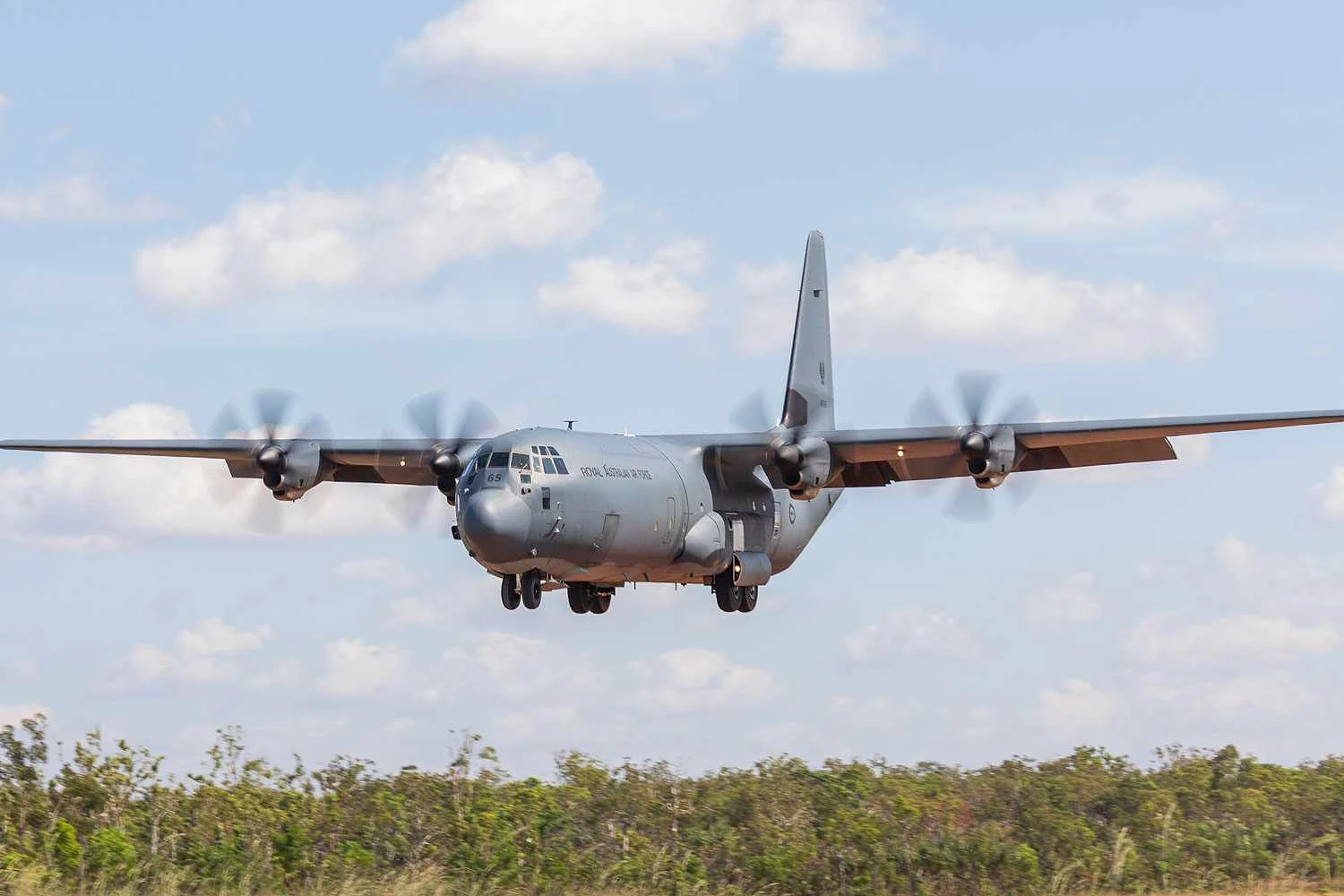
While the C-27J will be replaced by commercial platforms for routine transport tasks, Australia is expanding its fleet of Lockheed Martin C-130J Hercules, increasing the number of aircraft from 12 to 20. These will cover more demanding missions that require a rear cargo ramp and greater tactical capability.
Follow Air Data News: WhatsApp | Google News | Instagram | LinkedIn | Twitter | Facebook
The future replacement for the Spartan is expected to prioritize lower operating costs and compatibility with civilian infrastructure across the Pacific. However, such aircraft will likely lack some of the C-27J’s capabilities, particularly in austere environments.