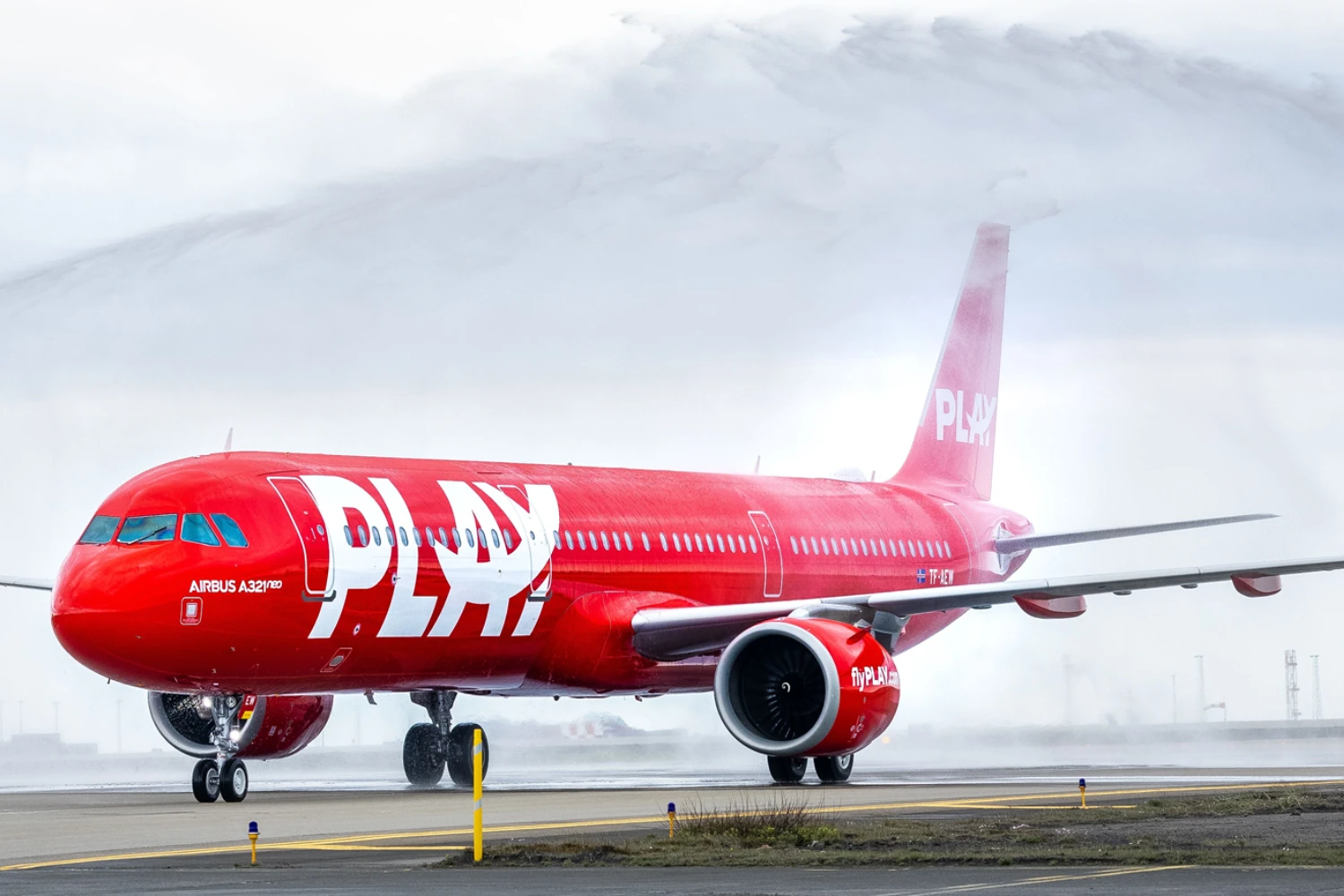
Airbus is not seeing airlines cancel or defer aircraft orders despite rising fuel costs and operational disruptions linked to the conflict involving Iran, according to Chief Executive Guillaume Faury.
Speaking at an industry event this week, Faury said airlines have endured years of challenges but continue to maintain their order books even as higher fuel prices and airspace restrictions increase operating costs.
“Airlines have been through hell,” Faury said, adding that the current environment has not triggered any meaningful reduction in demand for new aircraft.
His comments come as Airbus enters the second half of the year with momentum after overcoming a slow start to 2026. The manufacturer delivered 81 commercial aircraft in May, its highest monthly total of the year and well above the 51 aircraft handed over in May 2025.
Related news
September 15, 2026
September 15, 2026
The strong performance allowed Airbus to move ahead of last year's pace for the first time in 2026. Through May, the company delivered 262 aircraft compared with 234 during the same period in 2025.
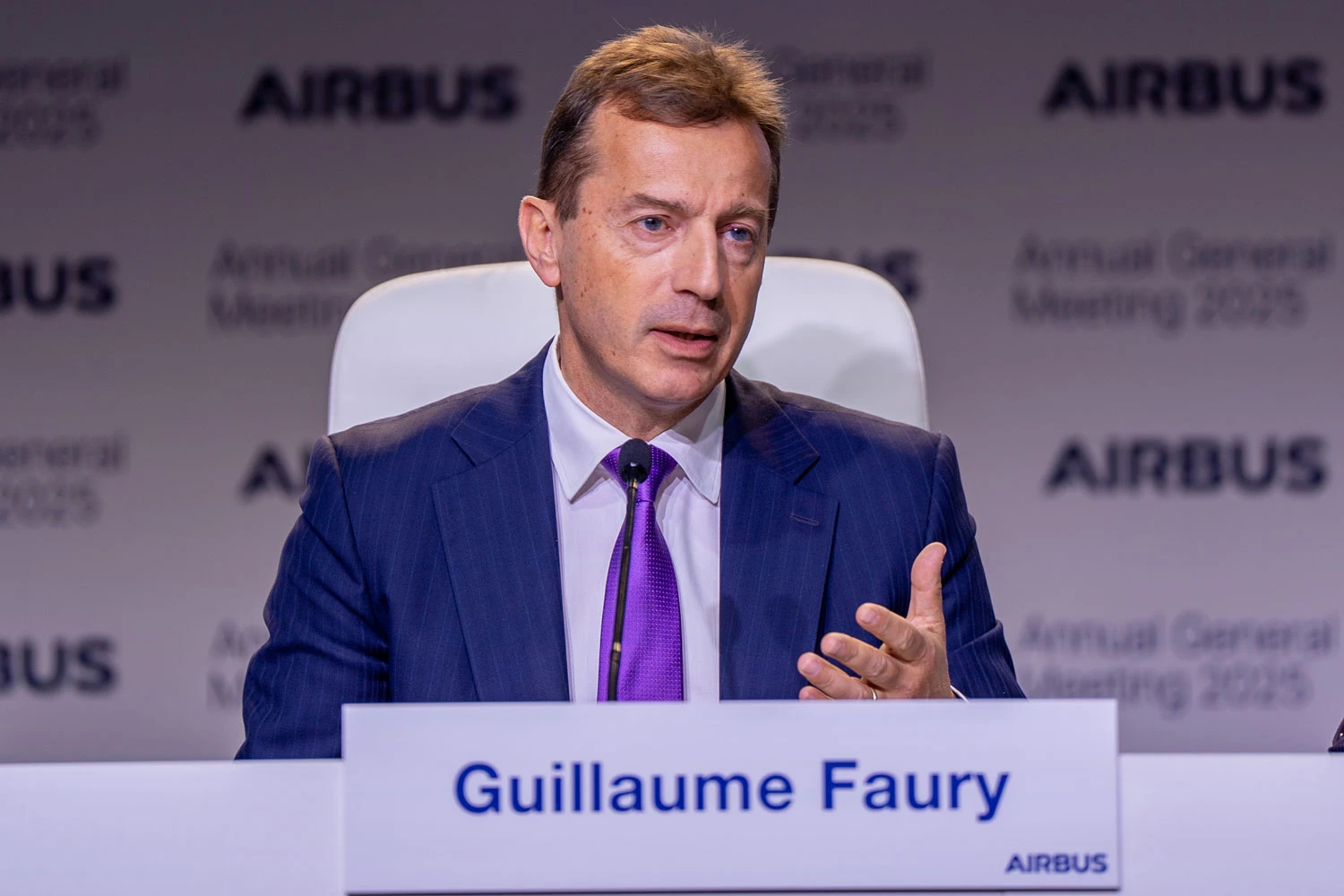
Faury said Airbus is now in a much better position regarding supply chain stability than in recent years, although some challenges remain.
One of the main concerns continues to be engine availability. The Airbus chief expressed frustration with Pratt & Whitney and acknowledged that delays in engine deliveries could affect production plans.
Airbus is targeting a production rate of 75 single-aisle aircraft per month by 2027, but Faury said that objective remains dependent on suppliers meeting delivery commitments.
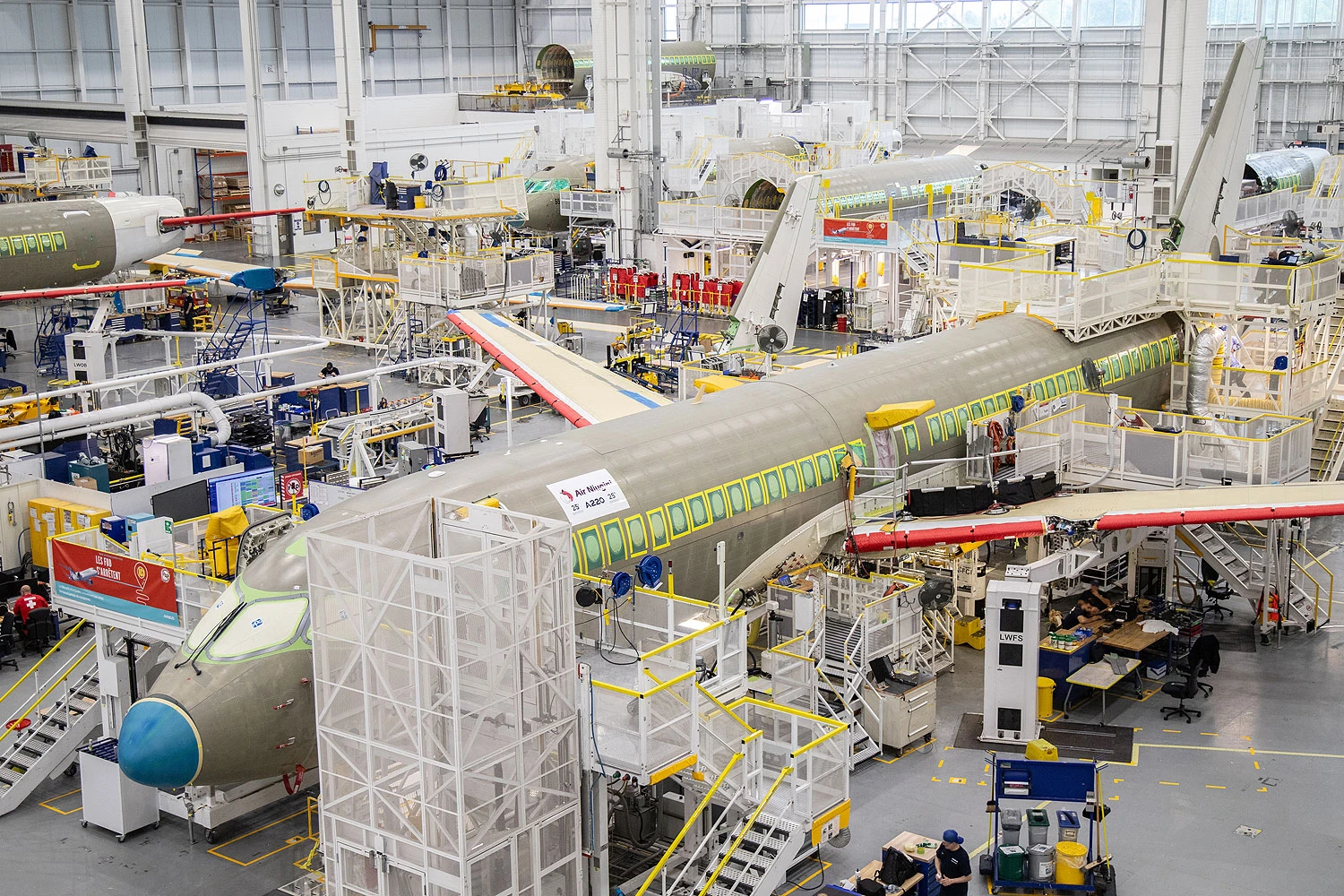
The manufacturer currently expects to deliver around 870 aircraft in 2026 and has recorded strong sales activity this year. Airbus has booked 815 gross orders since January, or 762 net orders after cancellations.
Faury also said Airbus is preparing for a record second half as it seeks to increase output and reduce a backlog that exceeds 8,600 commercial aircraft.
The executive additionally criticized Europe's regulatory environment, arguing that excessive regulation makes it harder for European manufacturers to compete globally.