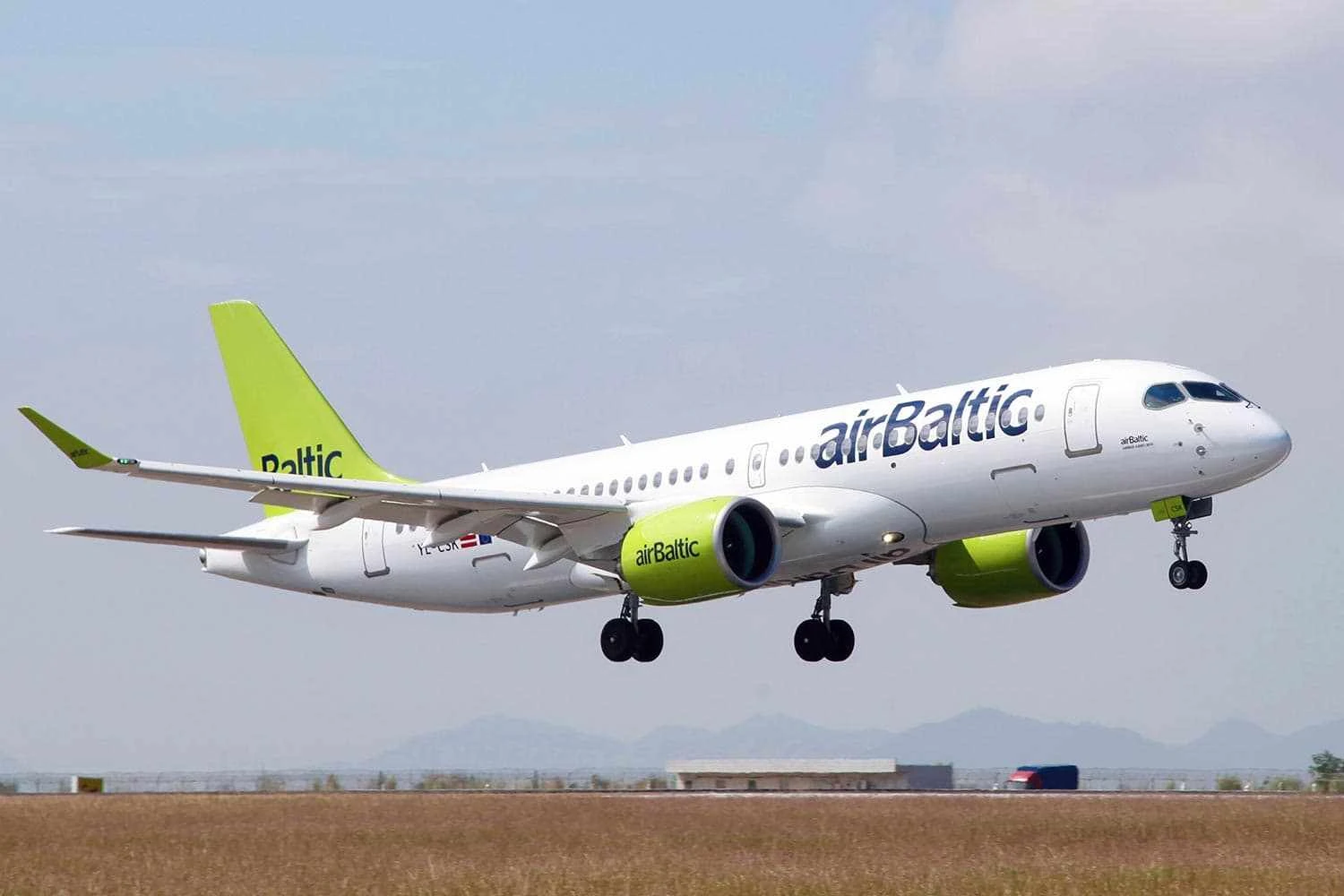
Latvia's state-owned airline airBaltic has unveiled a new business plan that calls for a sharp reduction in its Airbus A220-300 fleet, abandoning the expansion strategy that envisioned 100 aircraft and shifting its focus to restoring financial stability.
The airline said it expects to operate about 36 A220-300s by the end of 2026, compared with 54 aircraft currently in service. The fleet would then increase gradually to around 40 aircraft by 2031.
Related news
September 17, 2026
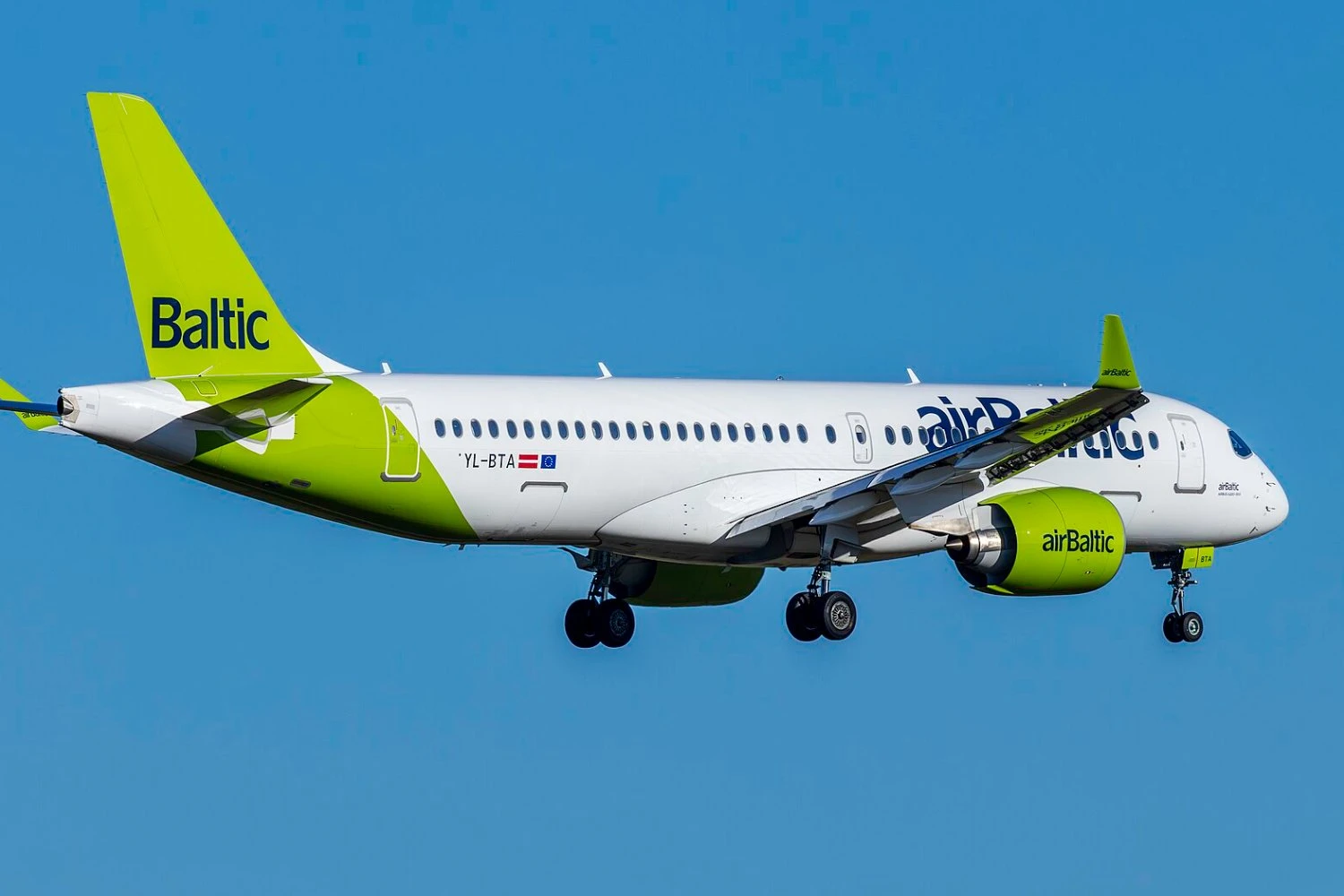
The decision represents a significant change for one of the world's largest A220 operators. According to Planespotters, airBaltic currently flies 54 A220-300s and has already added five aircraft in 2026, including two delivered in June.
The previous business plan, prepared ahead of a planned initial public offering (IPO), assumed continued passenger growth and fleet expansion. The airline now says that slower demand, higher operating costs, geopolitical uncertainty related to the wars in Ukraine and the Middle East, and continuing Pratt & Whitney engine shortages have altered those assumptions.
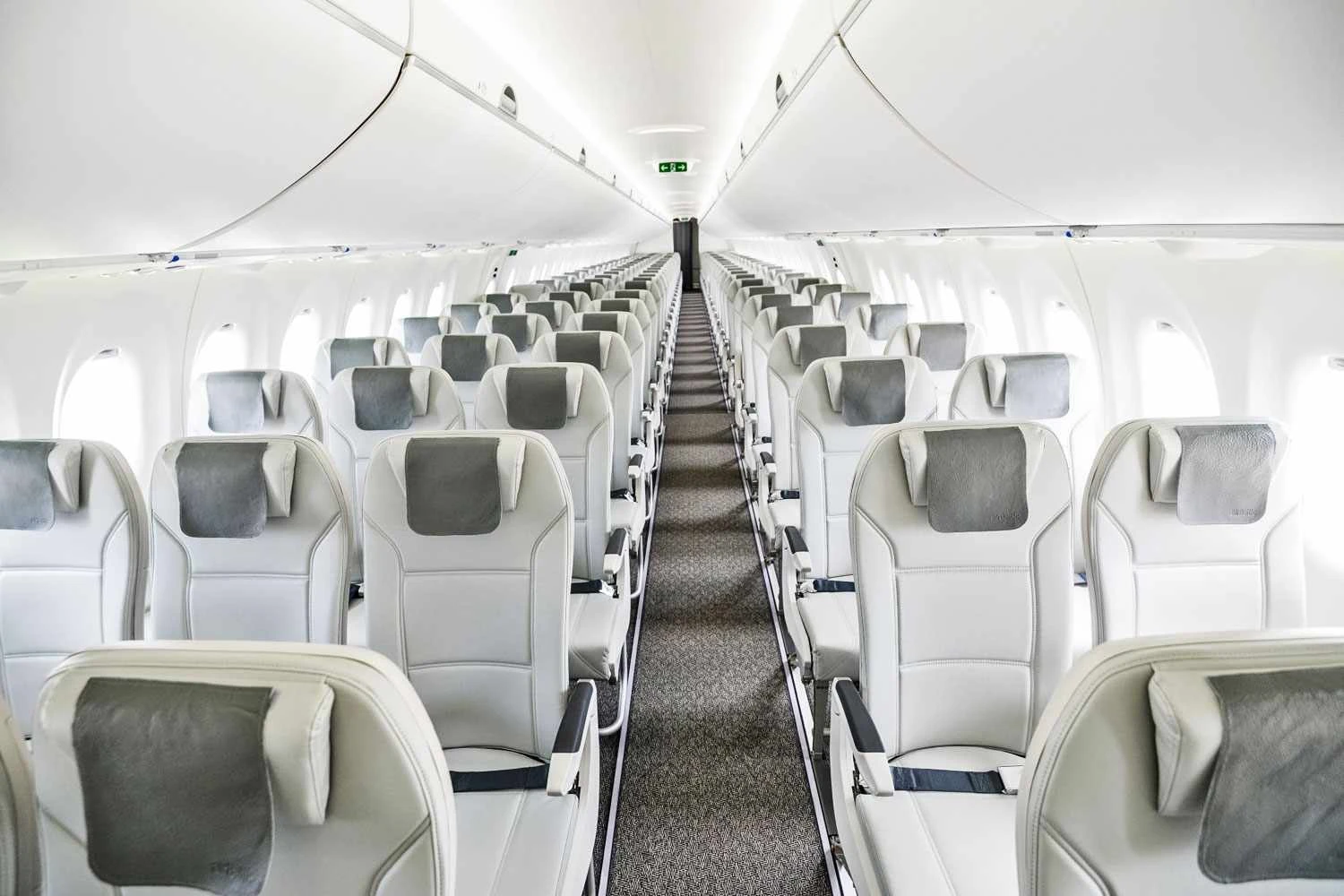
Instead of pursuing rapid expansion, airBaltic will concentrate its network on its main hub in Riga while relying more heavily on ACMI contracts to keep aircraft flying throughout the year and reduce the impact of seasonal demand.
Although the fleet will be considerably smaller, the airline expects scheduled capacity to remain close to current levels through higher aircraft utilization. Available seat kilometers (ASKs) are forecast to fall from about 9.6 billion in 2026 to 8.7 billion in 2027 before recovering to approximately 10.5 billion by 2031.
Follow Air Data News: WhatsApp | Instagram | LinkedIn | Twitter | Facebook
The revised plan also includes a major financial restructuring. airBaltic is seeking €225 million in interim financing and has proposed a recapitalization package combining new debt, fresh equity and the partial conversion of outstanding bonds into shares.
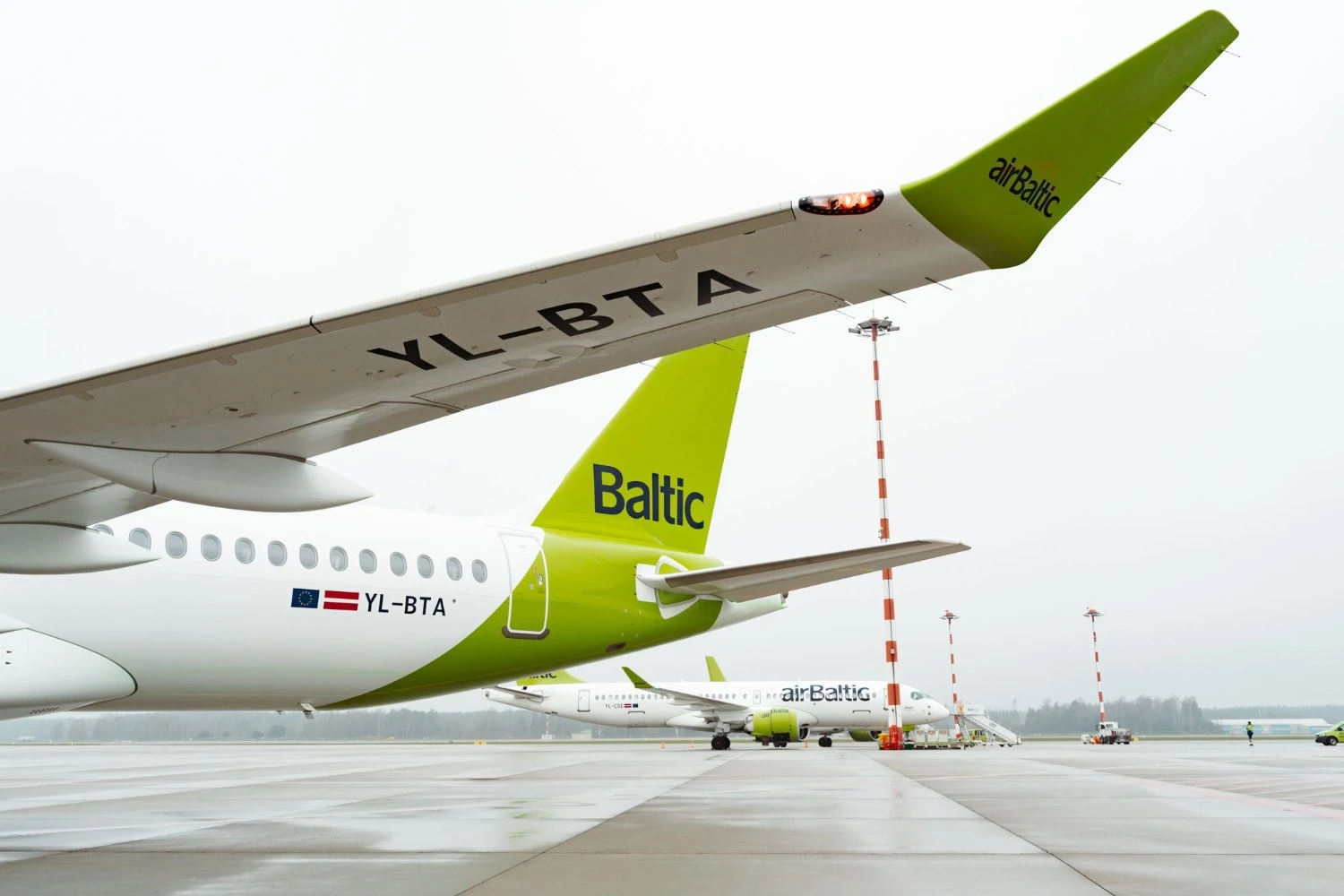
The airline estimates that the new strategy could generate approximately €45 million in recurring annual benefits through lower operating costs and a more efficient use of its fleet.
airBaltic said the restructuring will not affect current operations and that all scheduled flights continue to operate normally.