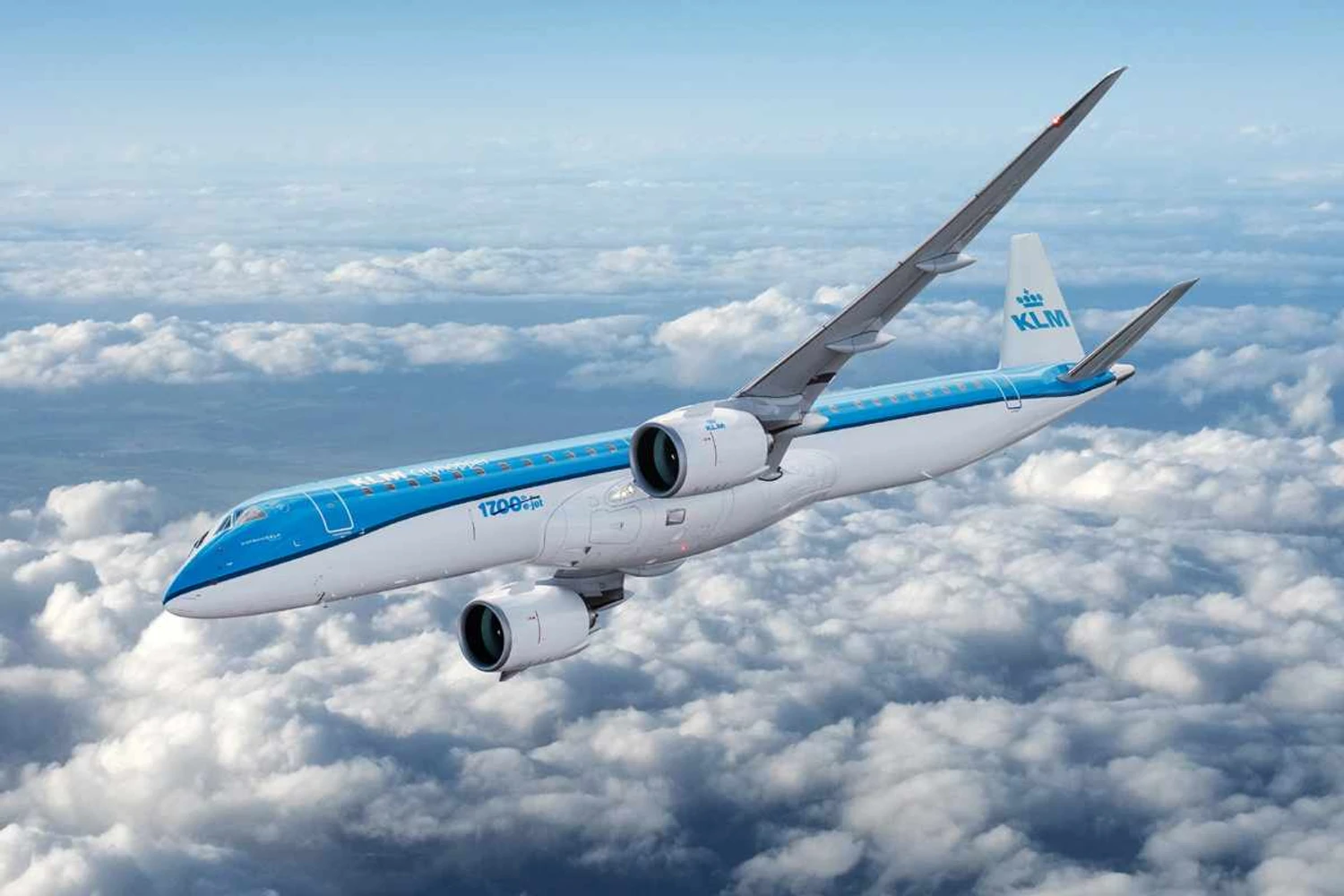
When KLM Cityhopper selected the Embraer E195-E2 to replace part of its first-generation E190 fleet, the Dutch airline became the type of customer Embraer had hoped to replicate across the globe. Today, KLM operates one of the world's largest E2 fleets while continuing to fly E175s and E190s, making it one of the few major carriers to embrace both generations of the E-Jet family.
Few original E-Jet customers have followed that path. Instead of replacing their first-generation fleets with the E190-E2 or E195-E2, many have chosen the Airbus A220, retained older E-Jets longer than expected or adopted different fleet strategies altogether. The trend has forced Embraer to win new operators rather than rely on repeat business from airlines that helped establish the original E-Jet family more than two decades ago.
Related news
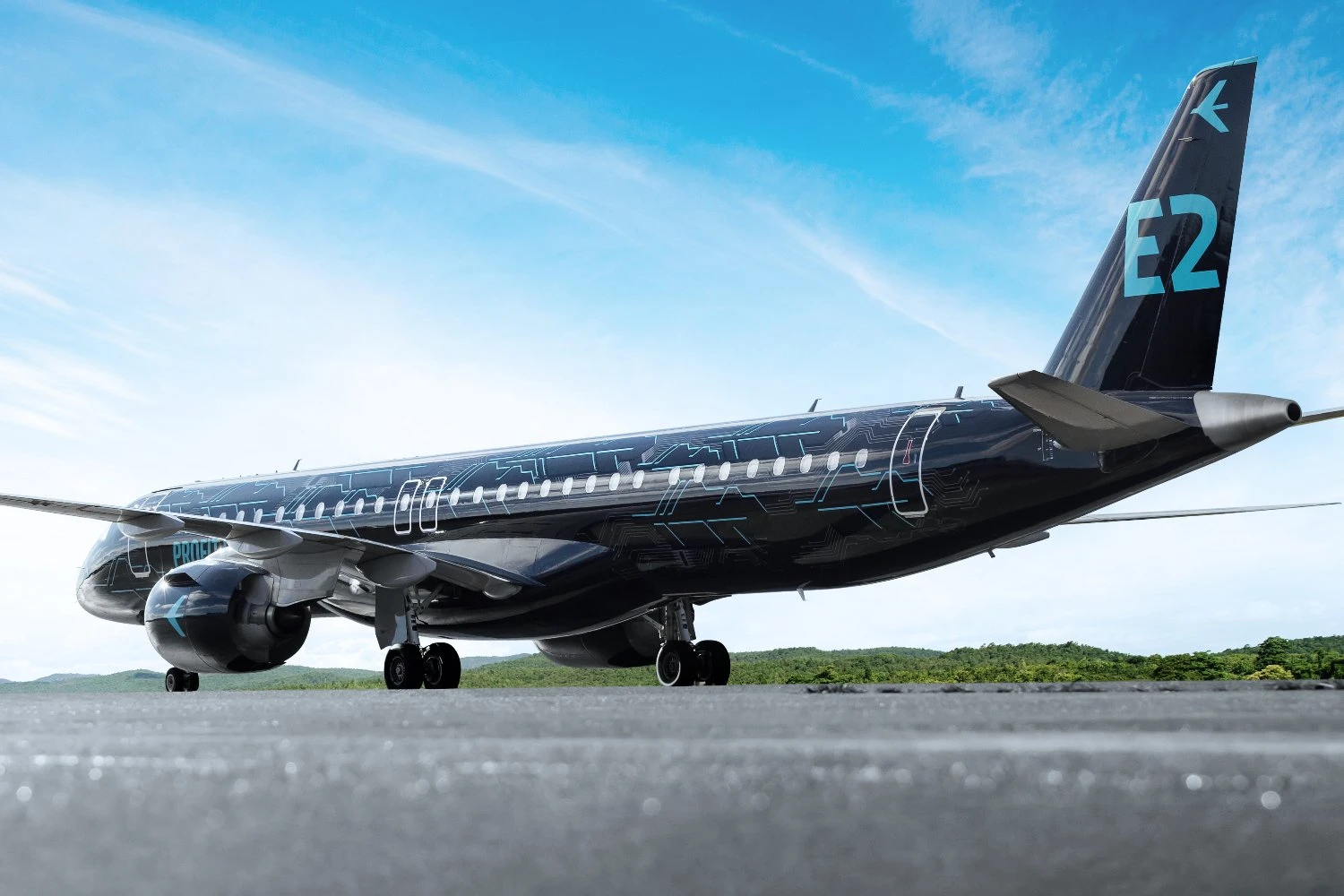
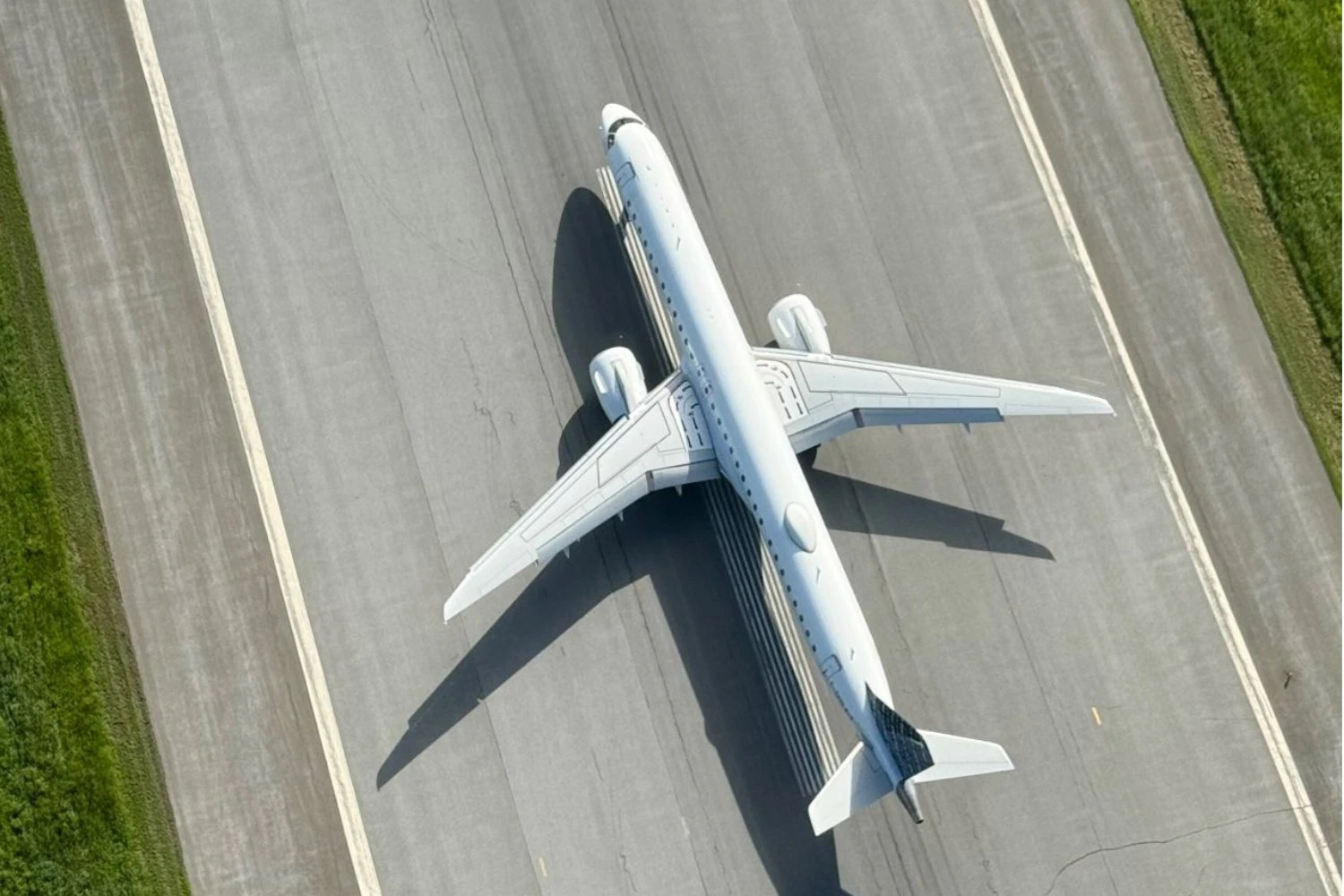
The contrast is notable because the E2 was conceived as a natural successor rather than an all-new aircraft. Embraer preserved the E-Jet concept while introducing new Pratt & Whitney geared turbofan engines, redesigned wings, updated avionics and lower operating costs. For airlines already familiar with the platform, the transition was expected to be relatively straightforward.
Instead, many replacement campaigns have ended in favor of Airbus.
JetBlue, the launch customer for the E190 in North America, retired the type in favor of the A220-300. Air Canada also selected the A220 after operating 15 E175s and 45 E190s, although many of those aircraft later found second lives with regional carriers and other operators.
Air France Hop continues to fly 10 E170s and 26 E190s, but the Air France Group has committed to the A220 as their replacement. Lufthansa reached a similar conclusion after evaluating aircraft for Lufthansa City Airlines, selecting the A220 instead of the E195-E2. Meanwhile, the group's remaining E190s and E195s are gradually being concentrated at Air Dolomiti.
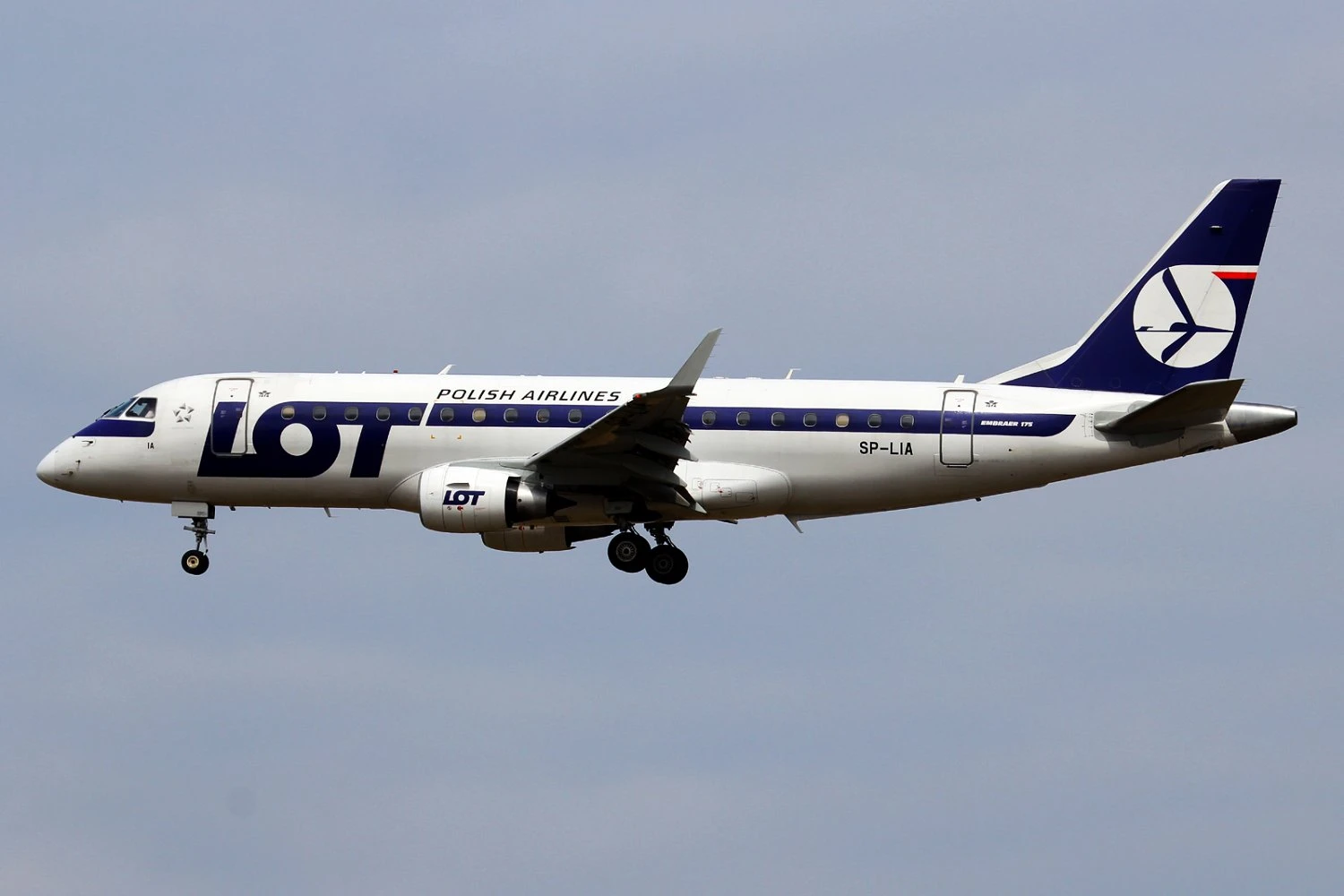
LOT Polish Airlines, the launch operator of the E170 in 2004, also chose the Airbus family after an extensive fleet evaluation. The decision was particularly symbolic given the airline's long association with Embraer, which publicly argued at the time that political considerations influenced the outcome.
Italy's transition proved even more decisive. Alitalia operated 15 E-Jets before ceasing operations, but successor ITA Airways did not retain any of them, instead building an all-Airbus fleet that also includes the A220.
Other original operators have yet to decide what comes next.
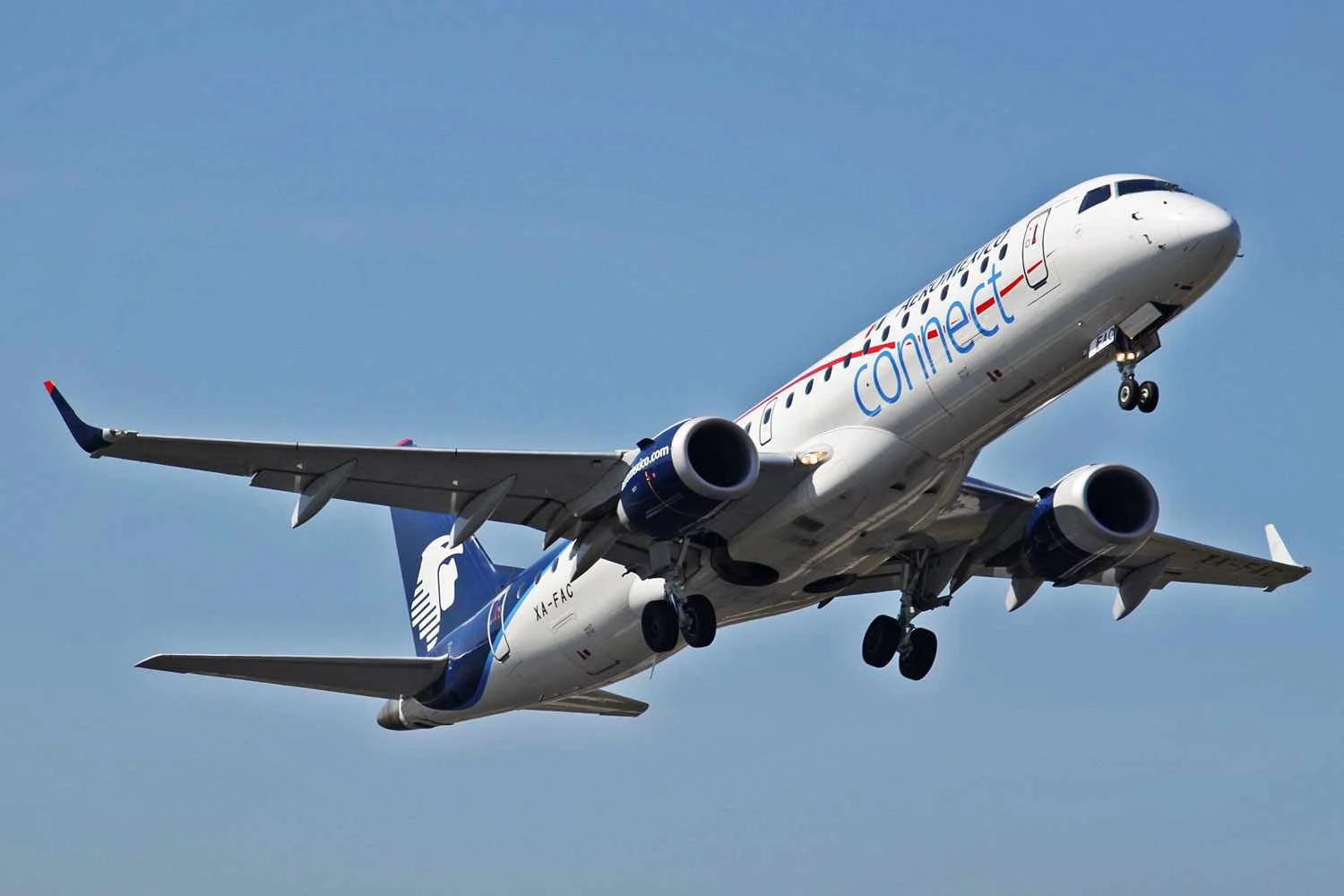
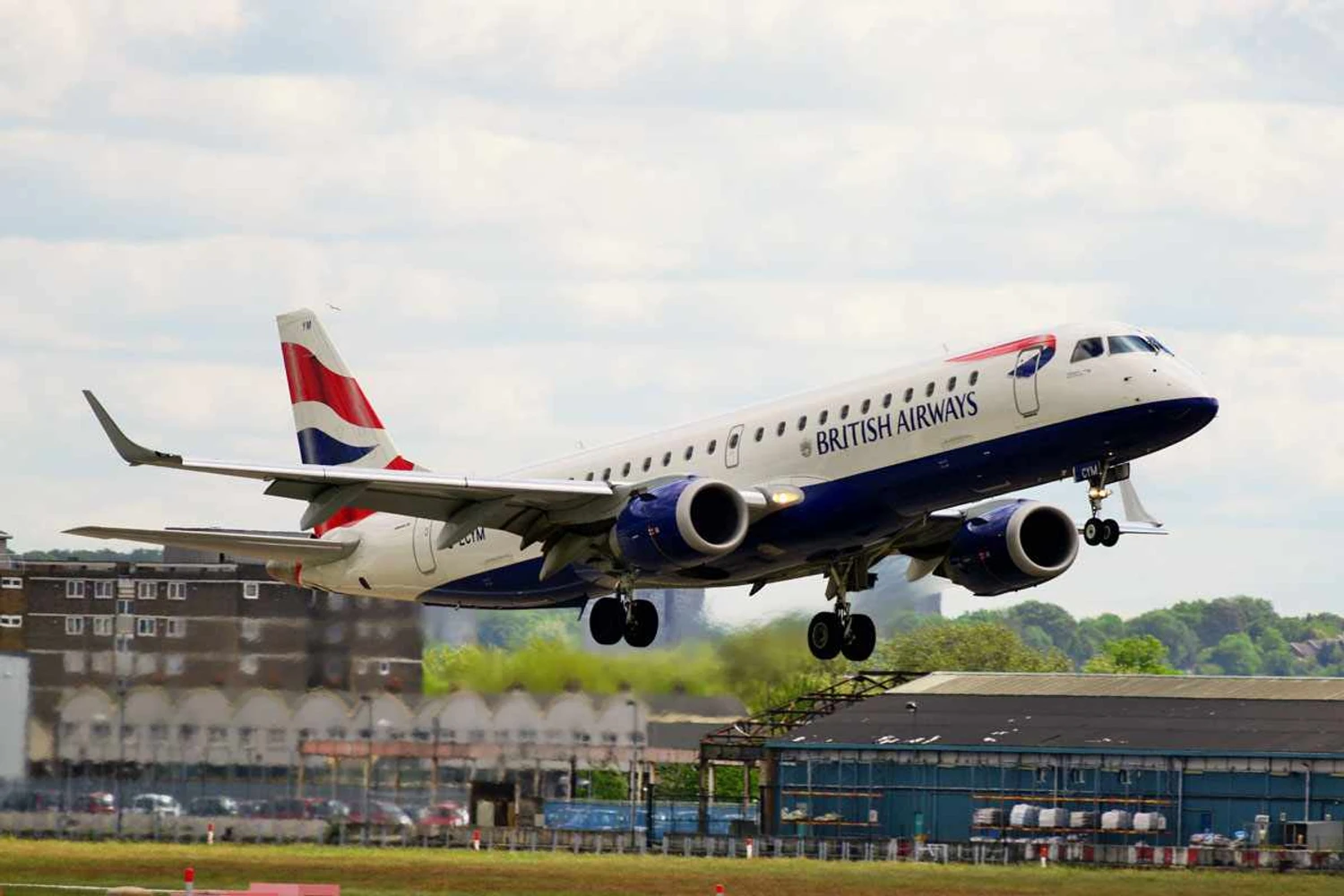
Aeromexico continues to operate 34 E190s, but the fleet is expected to be replaced by Boeing 737 MAX aircraft.. TAP Air Portugal continues to fly 12 E190s and seven E195s without indicating plans to adopt the E2. British Airways CityFlyer also remains committed to its fleet of 20 E190s after previously operating six E170s, but has yet to reveal a replacement strategy.
Aerolíneas Argentinas presents another unusual case. The carrier inherited 24 E190s from Austral and, in 2023, announced plans to acquire 12 E195-E2s. The proposal was later abandoned, leaving the airline without a defined successor for its regional fleet.
Several airlines have instead left the segment entirely. Copa Airlines retired its 15 E190s and returned to an all-Boeing 737 fleet. Air Europa withdrew its 11 E195s between 2016 and 2017 without replacing them, while China Southern also phased out its fleet of 20 E190s without introducing a direct successor.
The United States represents a different challenge altogether. American Airlines, United Airlines, Delta Air Lines, and Alaska Airlines continue to add Embraer E175s through their regional partners, but pilot scope clauses effectively prevent aircraft the size of the E190-E2 and E195-E2 from entering that market. As a result, Embraer remains highly successful with the first-generation E175 while being largely excluded from the largest regional airline market for its newer models.
The contrast with KLM Cityhopper and Azul in Brazil illustrates how uncommon a full transition between the two E-Jet generations has become. While the E2 has secured new operators around the world, persuading many of the airlines that helped make the original E-Jet family a commercial success has proved to be a far more difficult task.