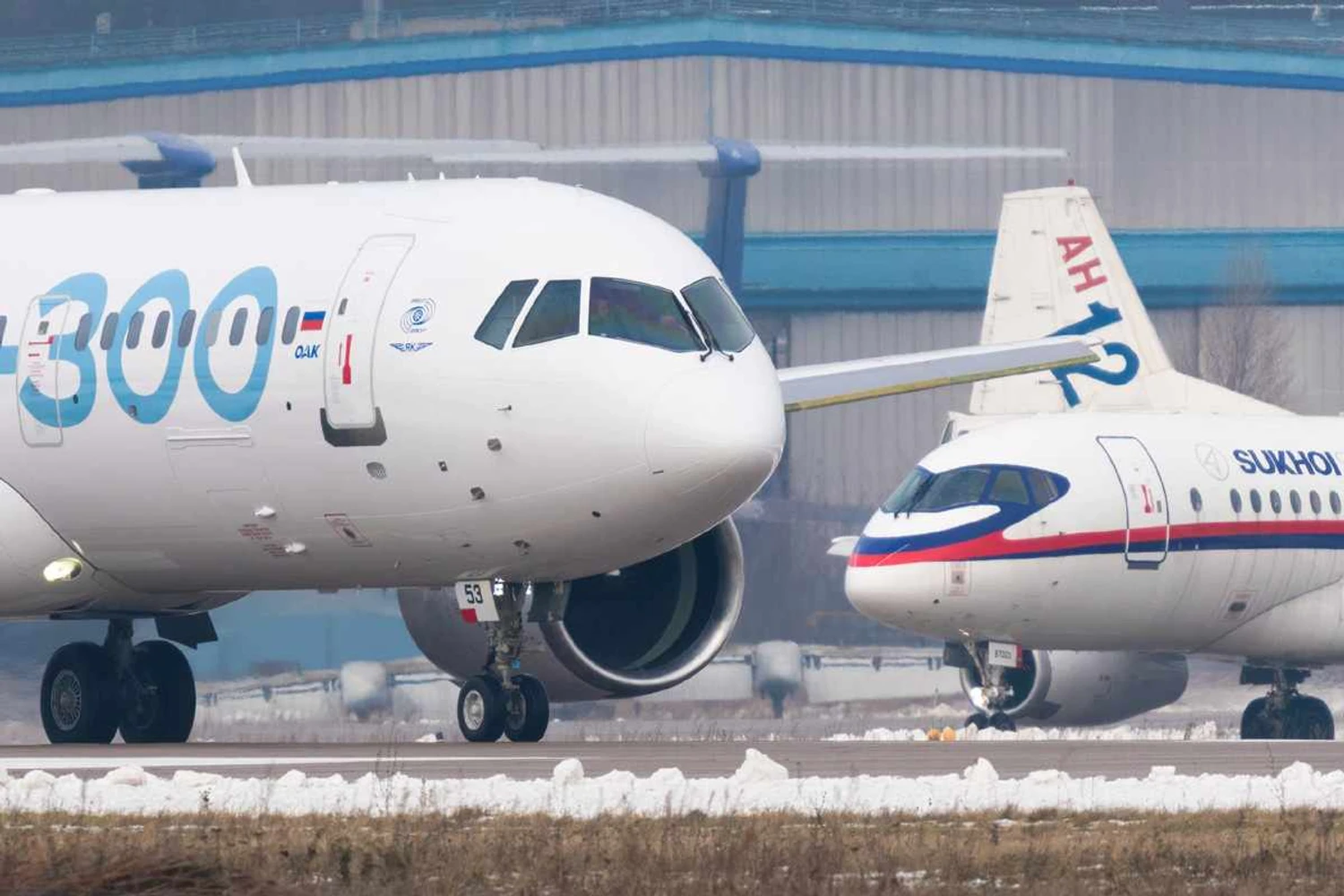
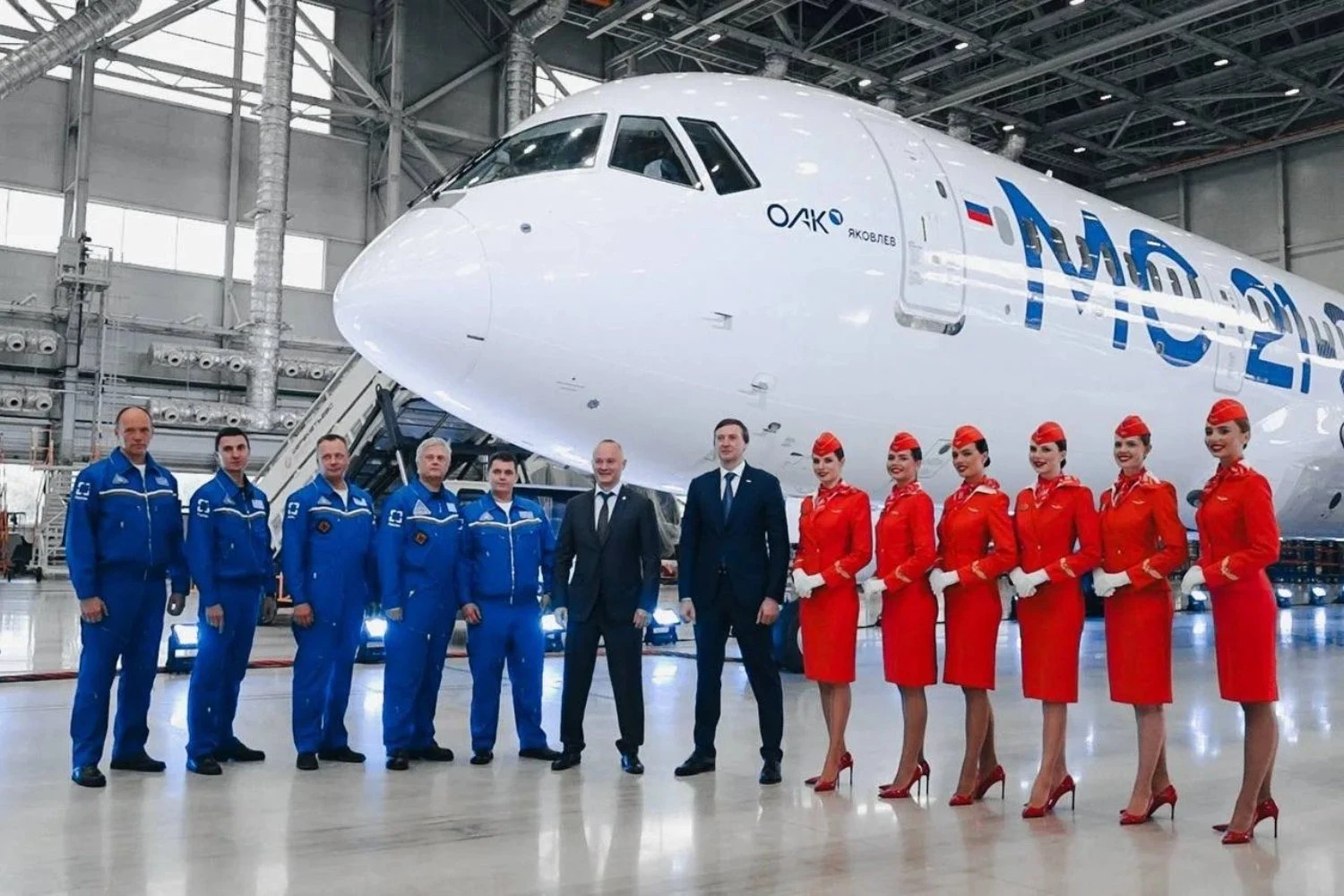
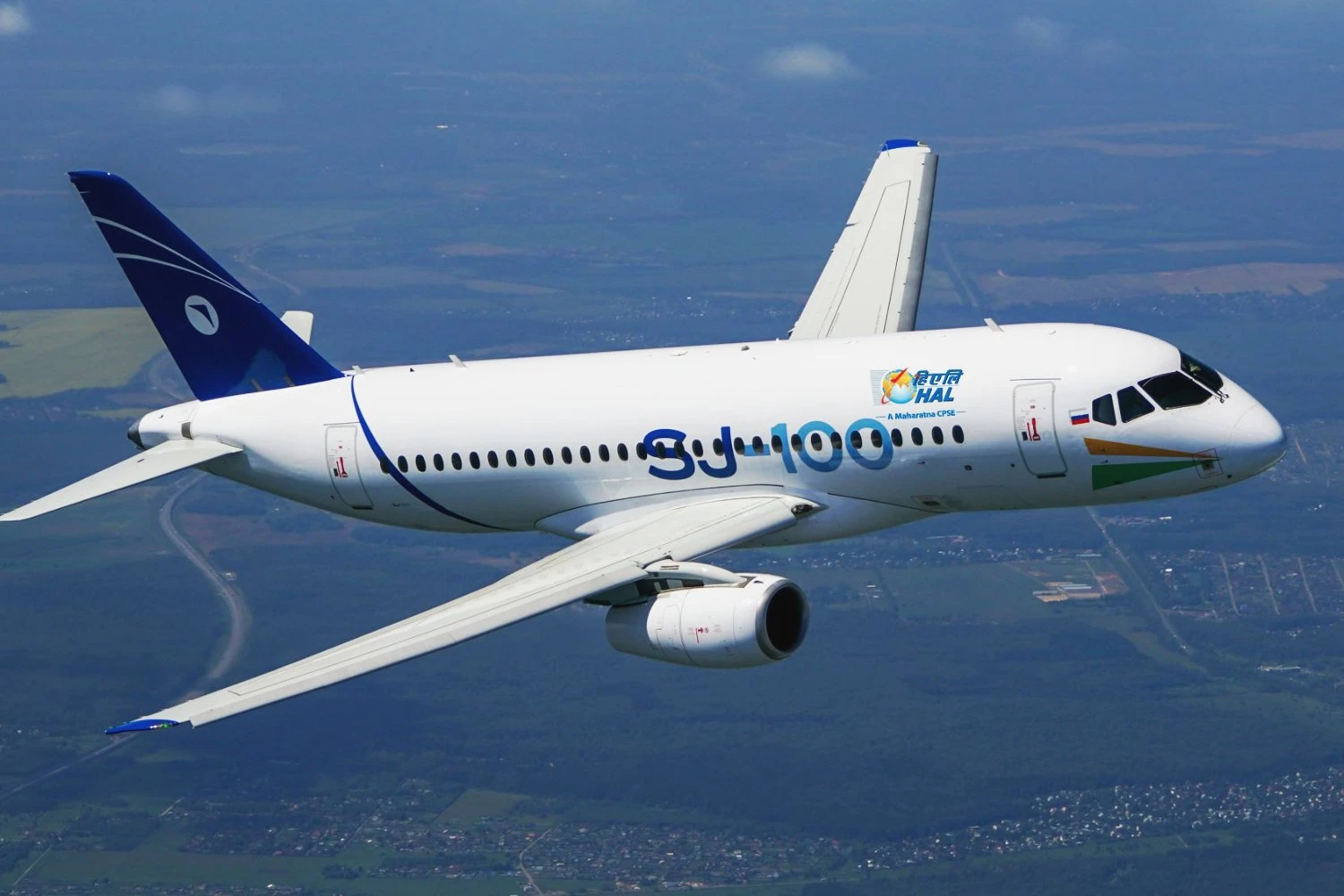
Russian aircraft manufacturer Yakovlev, responsible for the MC-21 and SJ-100 passenger jet programs, is facing a bankruptcy petition filed by a steel supplier over unpaid debts. The case has attracted attention because the company is controlled by the Russian state and plays a central role in the country's efforts to replace Western-built commercial aircraft.
The Moscow Arbitration Court accepted the petition from Izhstal, a steel producer belonging to the private Russian industrial group Mechel, on October 30. A hearing has been scheduled for January 18, 2027, when the court will examine whether the creditor's claim is justified.
The amount of debt behind the petition has not been disclosed. Yakovlev acknowledged the proceedings in a regulatory filing published on November 3, stating that it had taken the necessary measures to settle the outstanding amount in full.
The manufacturer has not been declared insolvent. Its parent organization, the state-owned Rostec conglomerate, rejected suggestions that bankruptcy was a realistic prospect. In a statement on November 6, Rostec said Yakovlev was operating normally and continuing its principal aircraft development programs.

Similar claims against other aircraft manufacturers
The Yakovlev case is not an isolated dispute involving Izhstal and Russia's aviation industry. The steelmaker has also pursued bankruptcy petitions against two aircraft engine manufacturers belonging to the same state-controlled industrial structure.
According to Russian news agency Interfax, Izhstal filed a petition against ODK-Perm Motors, which manufactures the PD-14 engine used by the MC-21. The proceedings involved a claim of 71.6 million rubles, although the court initially left the application without further action pending procedural requirements.
Follow Air Data News: WhatsApp | Instagram | LinkedIn | Twitter | Facebook
The supplier also sought to declare ODK-Saturn bankrupt over a claim of 32 million rubles. That petition was subsequently withdrawn. ODK-Saturn is involved in producing the PD-8 engine developed for the Russian-built SJ-100.
Court records cited by Interfax also identified earlier claims against Yakovlev. One lawsuit filed in March involved 1.4 million rubles, and separate arbitration proceedings resulted in awards totaling 1.96 million rubles. It is not clear whether these amounts correspond to the debt behind the latest bankruptcy petition.
The series of proceedings suggests that Izhstal may be using bankruptcy petitions as a means of securing payment from industrial customers. However, neither the creditor's intentions nor the final outcome of Yakovlev's case has been established.

Financial losses and strategic importance
Although the petition does not establish insolvency, Yakovlev's financial performance has deteriorated. The manufacturer reported a net loss of 5.39 billion rubles in the first half of 2026, compared with a profit of 2.54 billion rubles during the corresponding period of 2025.
Revenue nevertheless increased by 78% to approximately 78 billion rubles during the same period. The company had ended 2025 with a net profit of 1.4 billion rubles.
Yakovlev belongs to United Aircraft Corporation (UAC), which is controlled by Rostec. Its two principal civilian programs, the MC-21 narrowbody jet and the SJ-100 regional aircraft, are central to Russia's strategy of rebuilding its commercial aircraft industry with domestically manufactured systems and components.

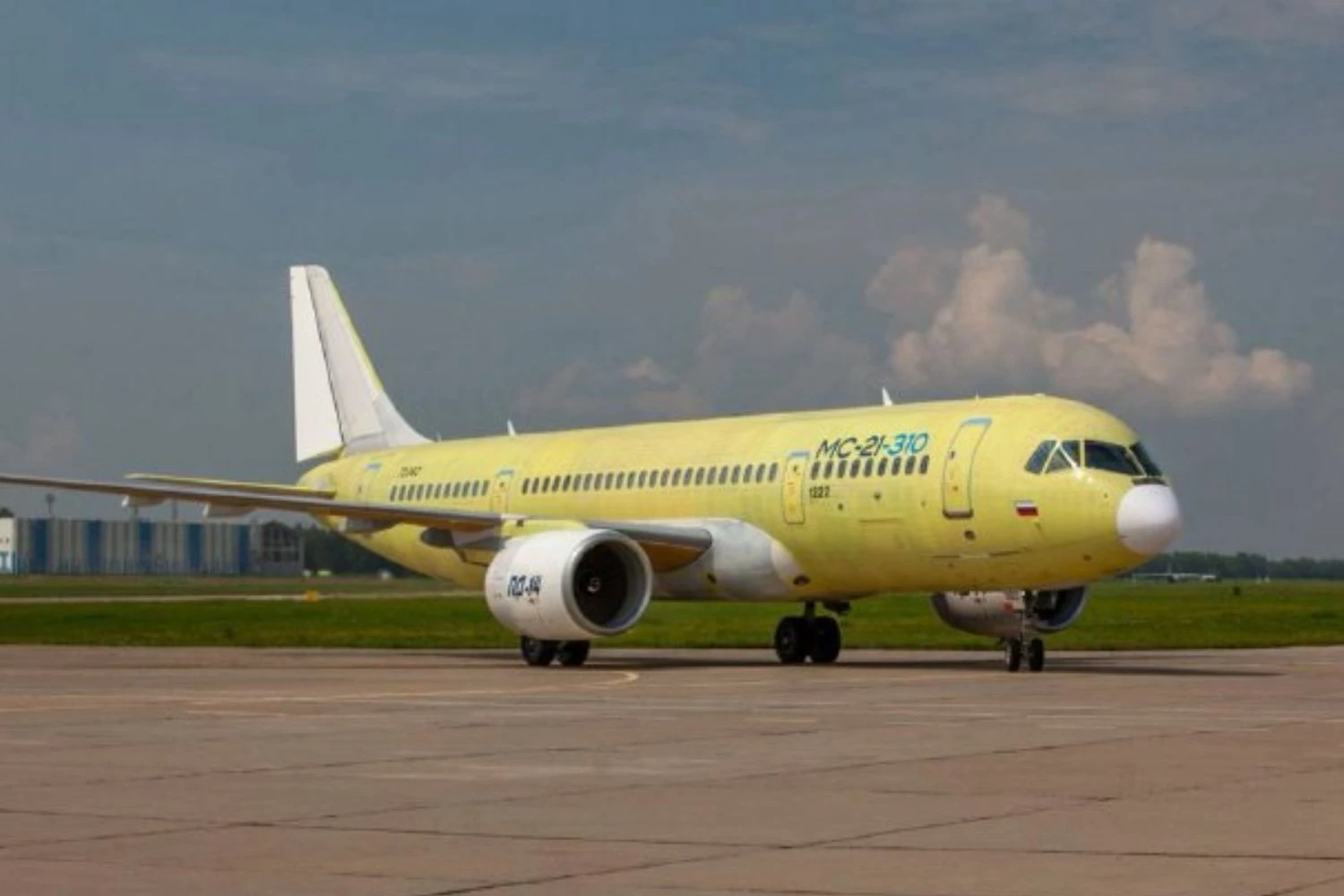
Both aircraft are already in production, although their domestically equipped configurations have yet to complete certification. The SJ-100 is expected to receive approval in the first quarter of 2027, with initial deliveries planned shortly afterward. Certification of the MC-21 is targeted for June 2027, followed by deliveries later that year.
Related news
September 18, 2026
Yakovlev also noted in its regulatory disclosure that it is classified as a strategic enterprise under Russian law, making it subject to special bankruptcy procedures. This status does not automatically eliminate creditors' rights, but it provides a different legal framework from that applicable to ordinary private companies.
Earlier MC-21 certification testing has documented the challenges of bringing the domestically equipped aircraft into service.
The company has also discussed a larger SJ-100 derivative as a potential future project.
