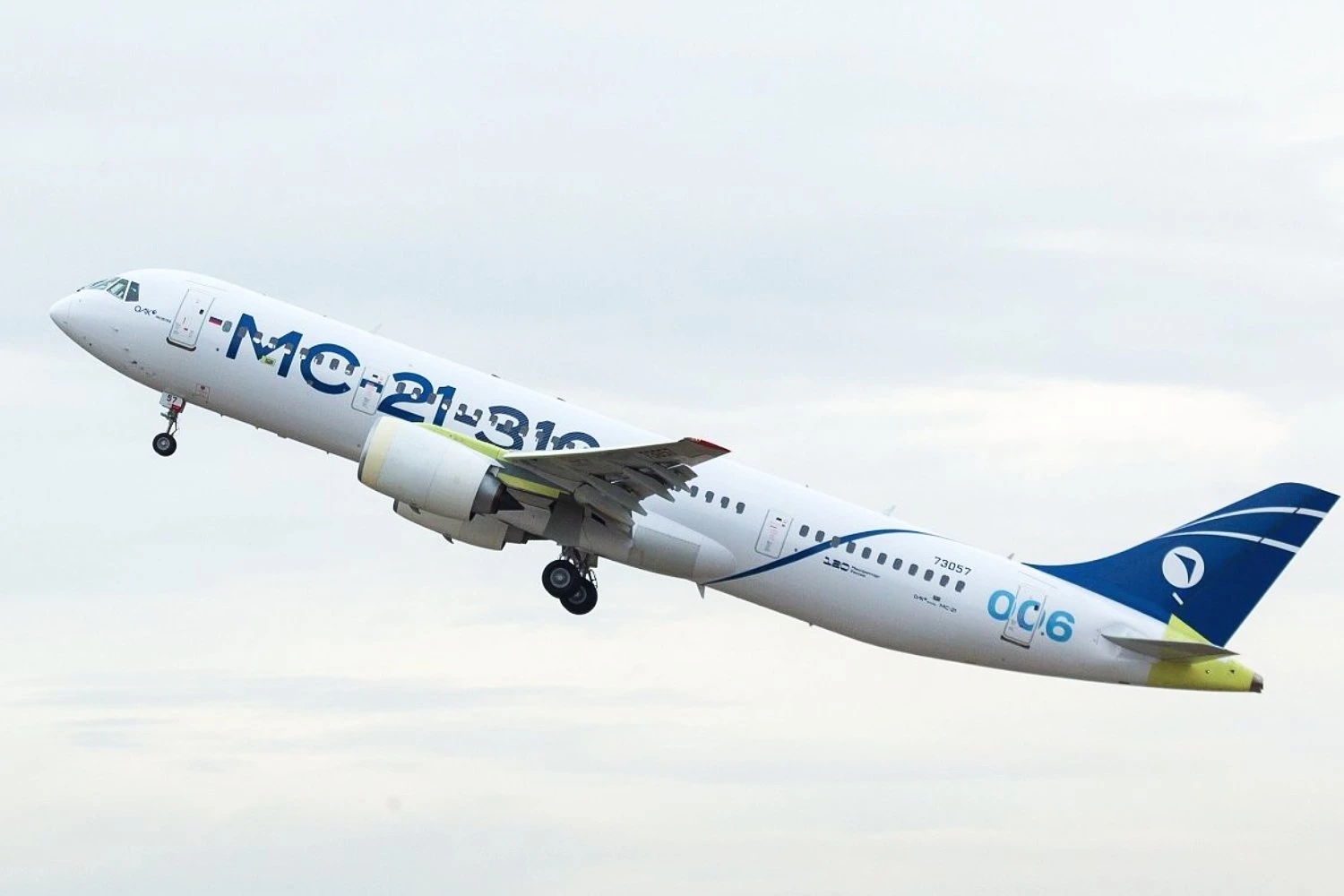
Russia's Yakovlev MC-21-310 has demonstrated a range of about 2,050 nm (3,800 km) with a payload equivalent to 175 passengers during recent certification flights, providing the clearest indication yet of the aircraft's operational capability in its current production configuration.
According to state-owned Rostec, the aircraft completed a series of test flights designed to simulate normal airline operations. Engineers also verified takeoff performance with one engine inoperative, one of the certification requirements for twin-engine aircraft.
Related news
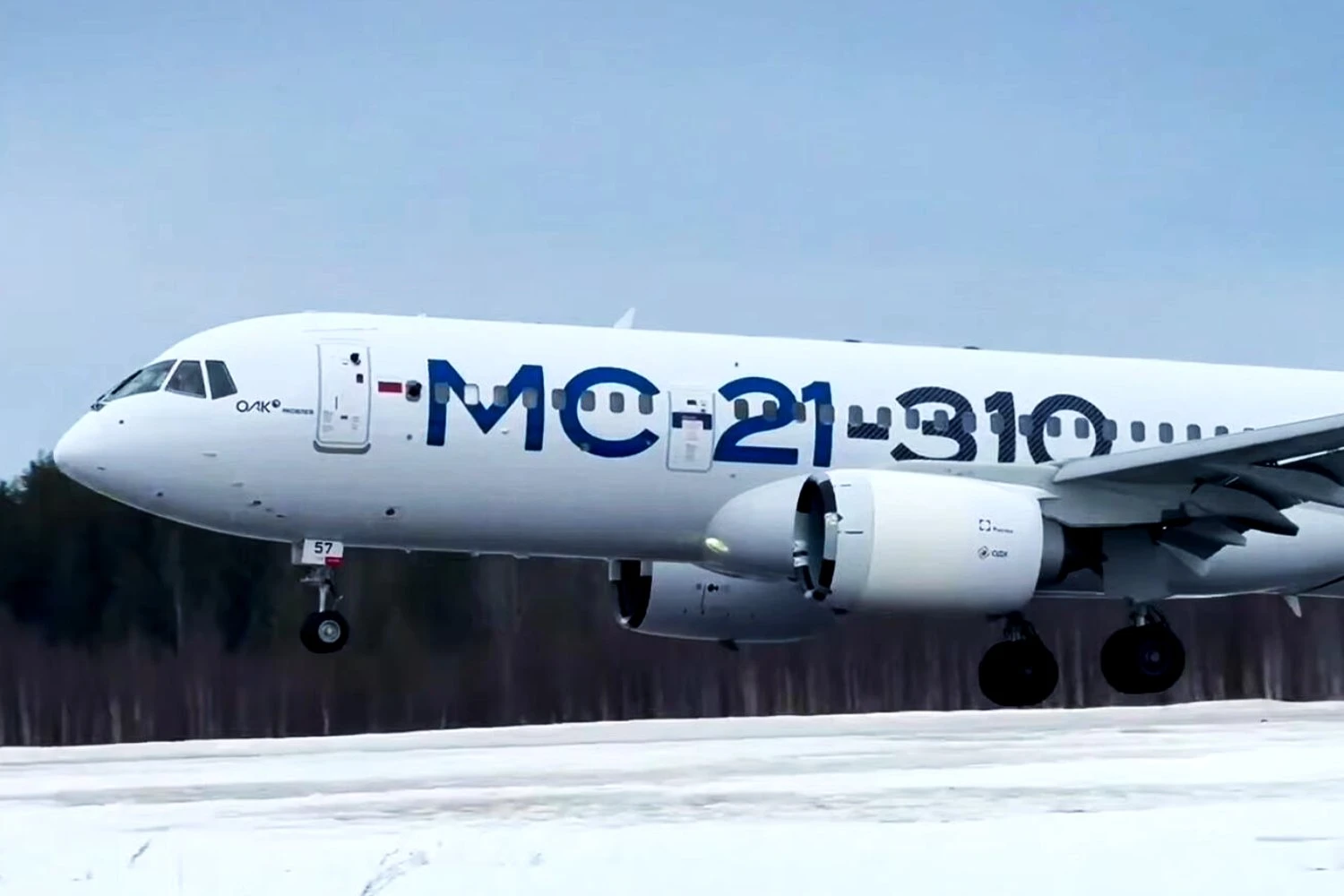
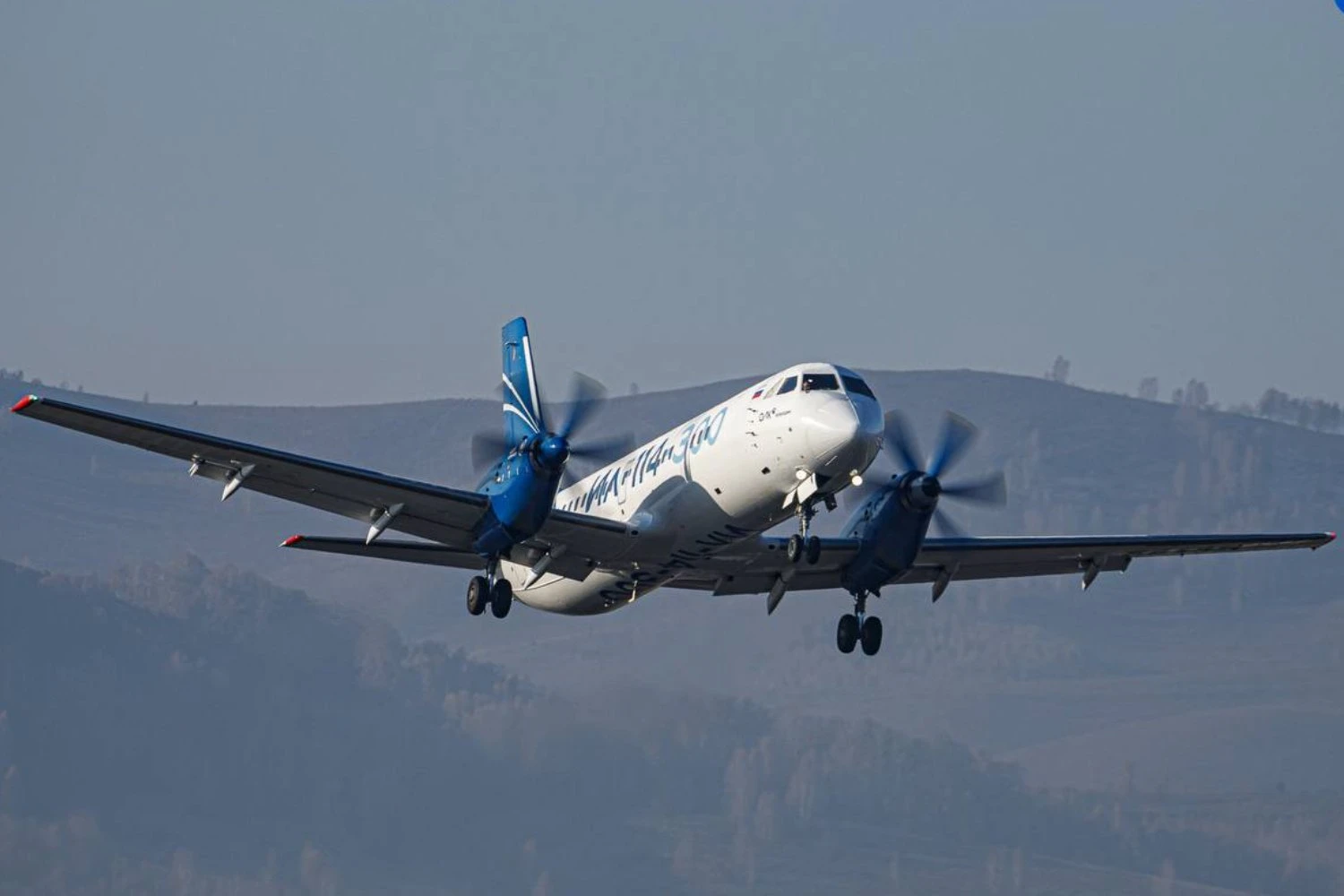
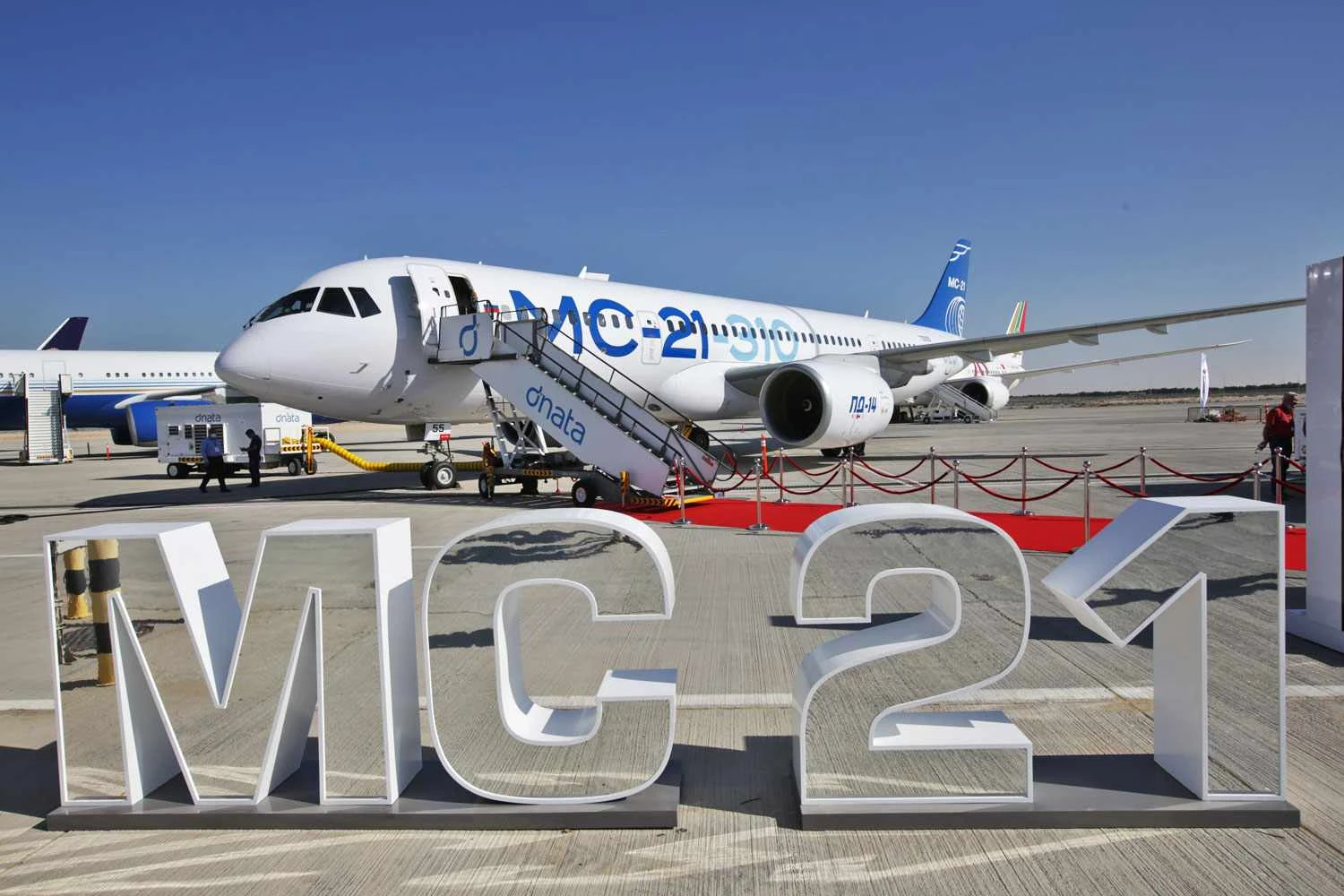
The same range figure was also cited this week by Russian President Vladimir Putin during a visit to Zhukovsky, where he inspected the MC-21-310 alongside the SJ-100 and Il-114-300 as part of a meeting on the country's civil aviation industry.
The tested aircraft was powered by Aviadvigatel PD-14 engines and configured with 175 seats in a two-class layout, matching the configuration planned for the first production batch.
The latest certification flights confirmed the aircraft's performance, but its demonstrated range remains well below that of the Airbus A320neo and Boeing 737 MAX, both capable of flying more than 6,000 km depending on configuration.
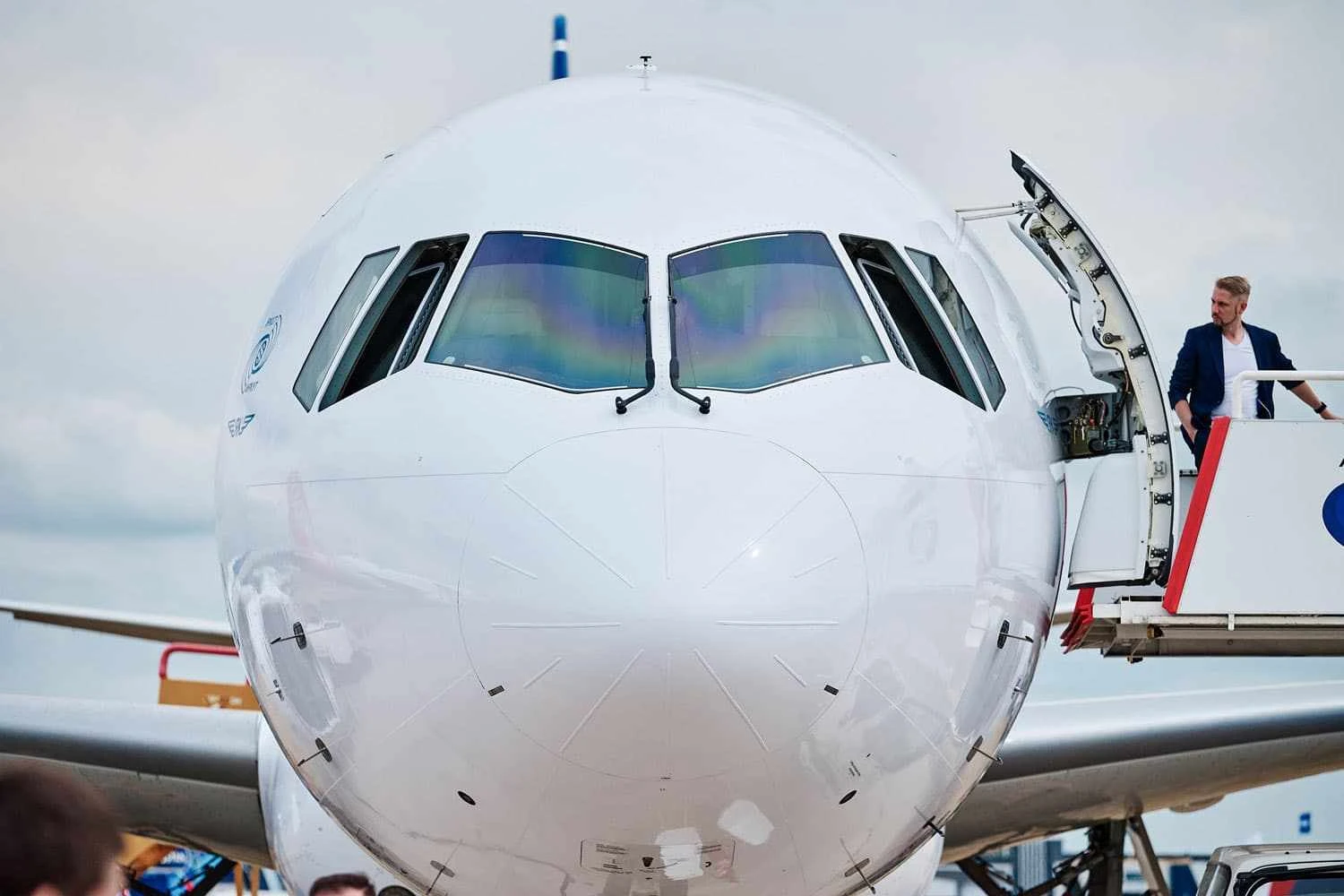
The figures also suggest that the domestically produced version of the MC-21 has not matched the performance originally expected for earlier variants developed with Western suppliers. Before sanctions imposed after Russia's invasion of Ukraine, the aircraft had been designed around Pratt & Whitney PW1400G geared turbofan engines and numerous foreign systems.
Those components have since been replaced by Russian-built alternatives under Moscow's import substitution program, which required redesigning several aircraft systems and delayed the program by several years.
The MC-21 remains in flight testing and has yet to receive certification. Russian authorities expect serial production to begin in 2027 after multiple schedule revisions.