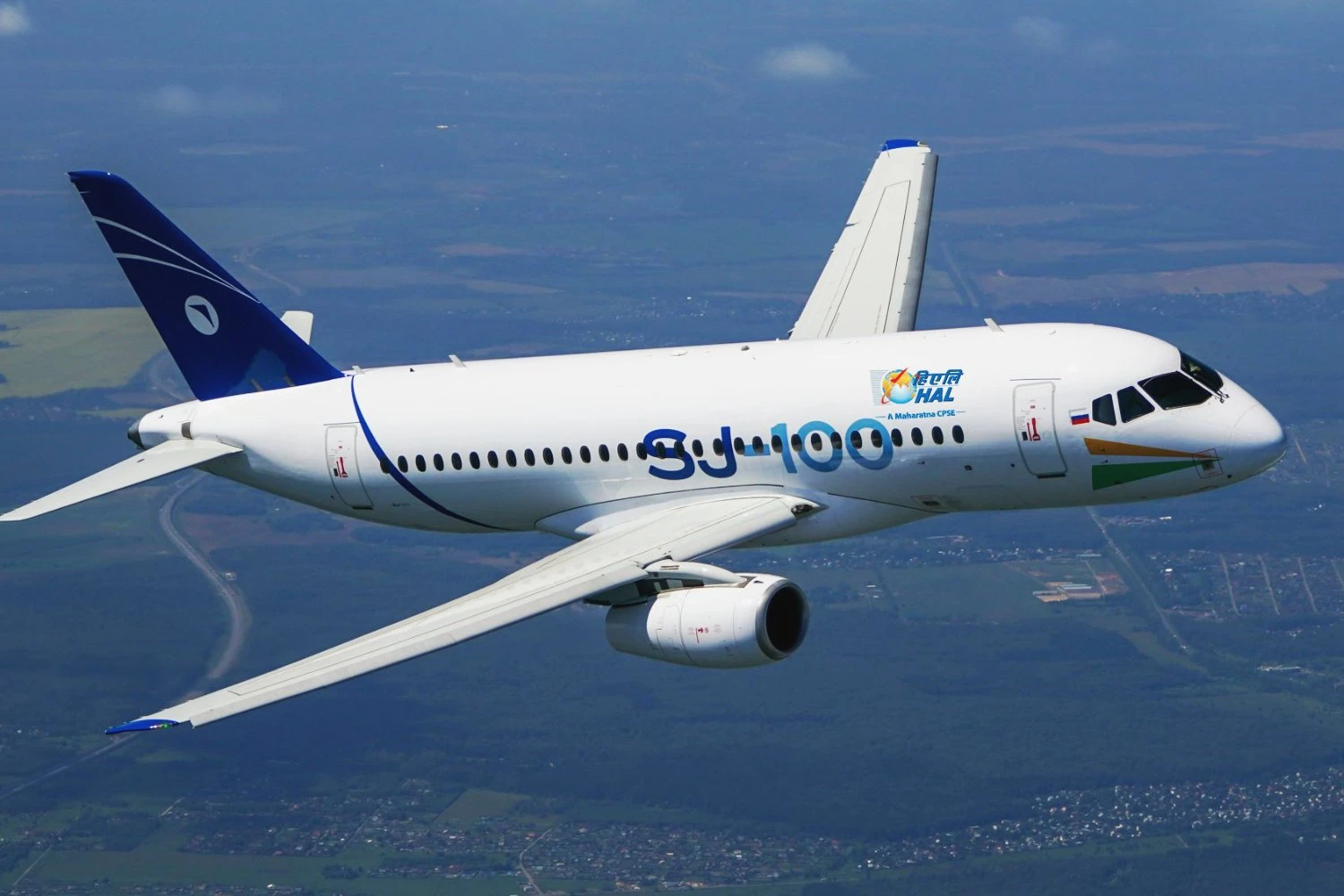
Russian airlines will have to wait until at least the second half of 2027 to receive the first production SJ-100 aircraft, according to a new timetable disclosed by Rostec CEO Sergey Chemezov.
Chemezov gave the date during an interview with Russian state television this week. Asked when deliveries of the SJ-100 and MS-21 would begin, he said both aircraft would reach airlines in the second half of next year.
The statement confirms another delay for the SJ-100, the extensively modified version of the Superjet developed to replace Western-made systems and components following sanctions imposed on Russia.
As recently as May, Russian First Deputy Prime Minister Denis Manturov said SJ-100 deliveries could begin at the end of 2026 or during the first quarter of 2027. In June, Rosaviatsiya head Dmitry Yadrov pointed to the first quarter of next year.
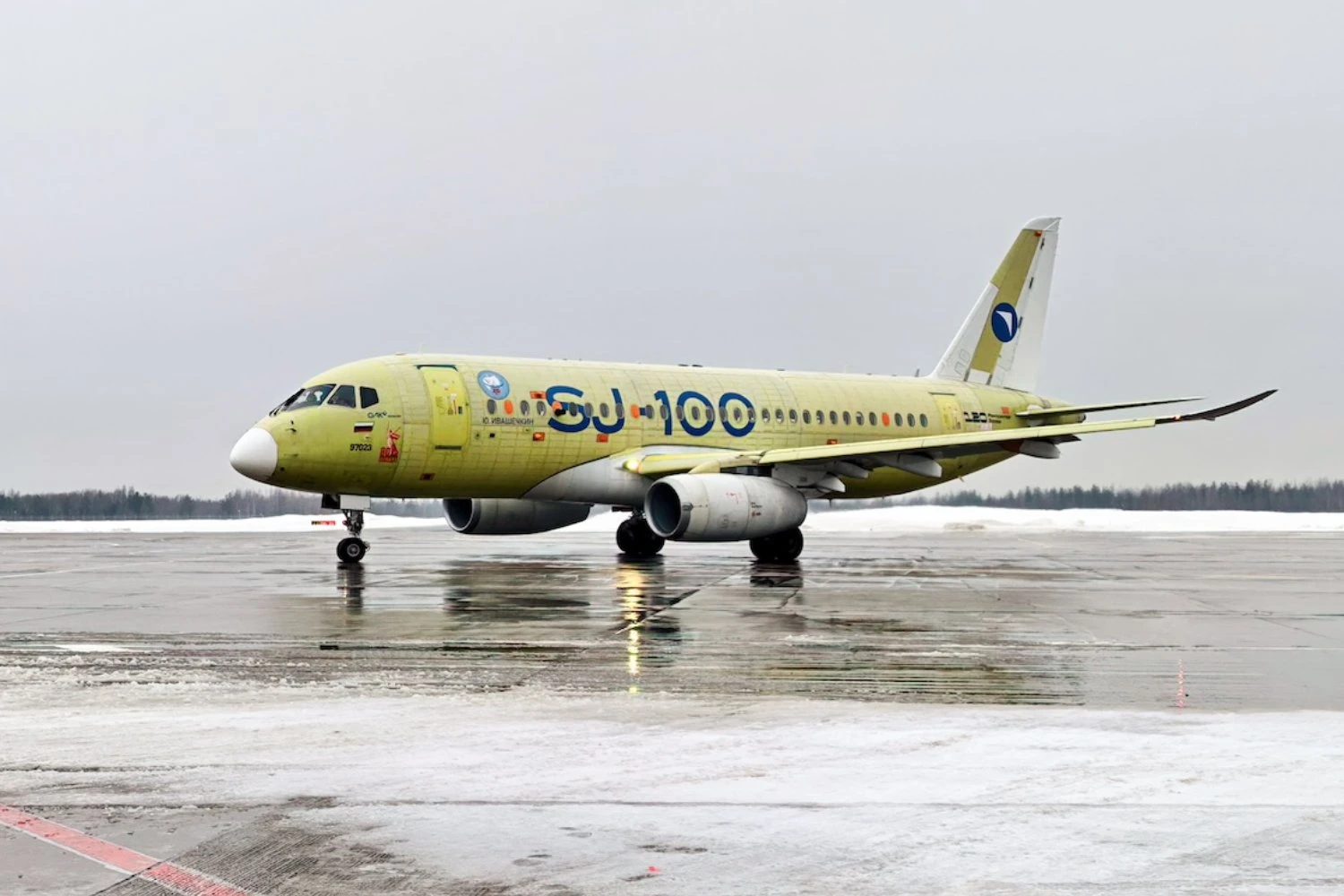
12 aircraft were planned for 2026
The latest schedule is particularly significant because Rostec had previously expected production aircraft to reach customers this year.
In December 2025, Chemezov said the company planned to deliver 12 SJ-100s during 2026. That target will now be missed entirely if the latest timetable is maintained.
Certification also remains incomplete. Industry and Trade Minister Anton Alikhanov said earlier this month that Russian authorities expected the SJ-100 to receive its type certificate in the spring of 2027, with deliveries to follow.
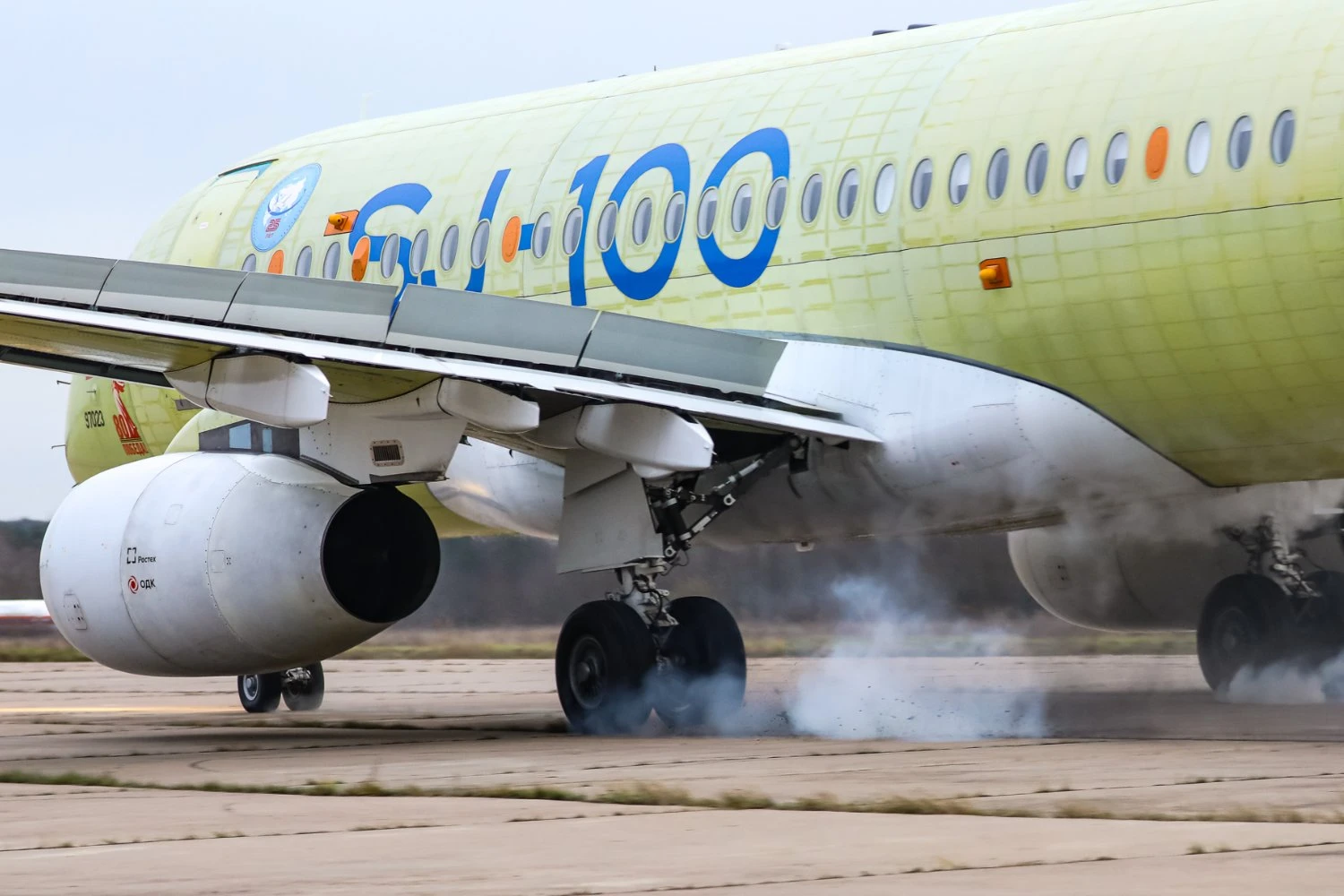
The SJ-100 is powered by the Russian-made Aviadvigatel PD-8 and incorporates domestic replacements for numerous systems previously supplied by Western companies. The program was accelerated after sanctions following Russia's invasion of Ukraine severely restricted access to imported components used by the original Sukhoi Superjet 100.
MC-21 also pushed into second half of 2027
The first SJ-100 equipped with production-standard PD-8 engines made its maiden flight in September 2025. Earlier test aircraft had flown with Franco-Russian PowerJet SaM146 engines while development of the domestic powerplant continued.
The PD-8 is one of the most important elements of the import-substitution program. Russia had previously relied on the SaM146, whose hot section and several other components were supplied by France's Safran.
Certification testing has continued through 2026, with several aircraft participating in the campaign.
The new jet retains the Superjet's basic airframe and approximately 100-seat capacity, but features Russian avionics, landing gear, auxiliary power unit and other locally developed systems.
Chemezov's statement also provides a new timetable for the larger Yakovlev MC-21. Rostec now expects deliveries of that aircraft to begin in the second half of 2027 as well. The MC-21 has faced its own series of delays while Russian industry replaces Western engines, avionics and other equipment.
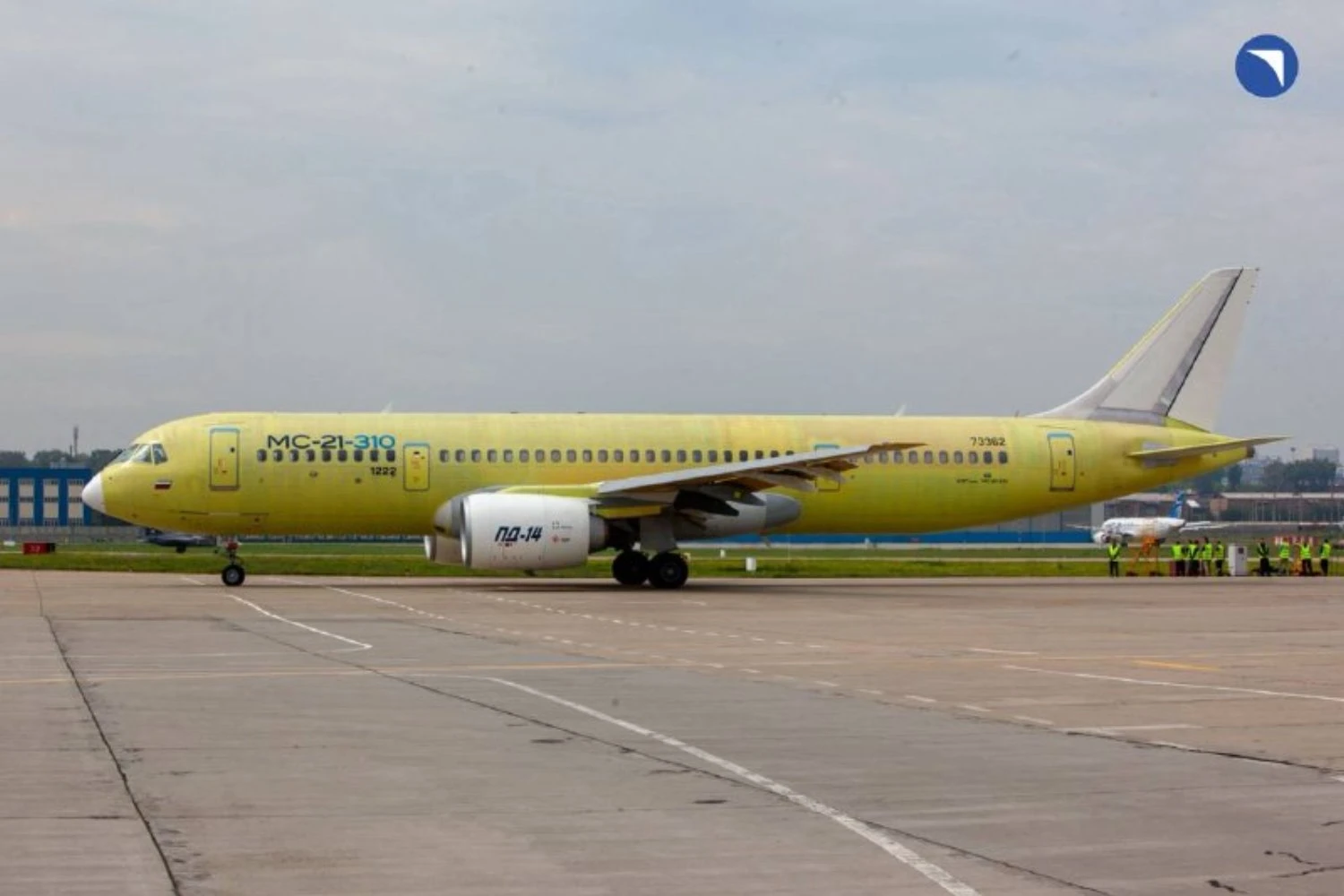
The domestically configured MC-21-310 uses Aviadvigatel PD-14 engines instead of the Pratt & Whitney PW1400G available on the original version.