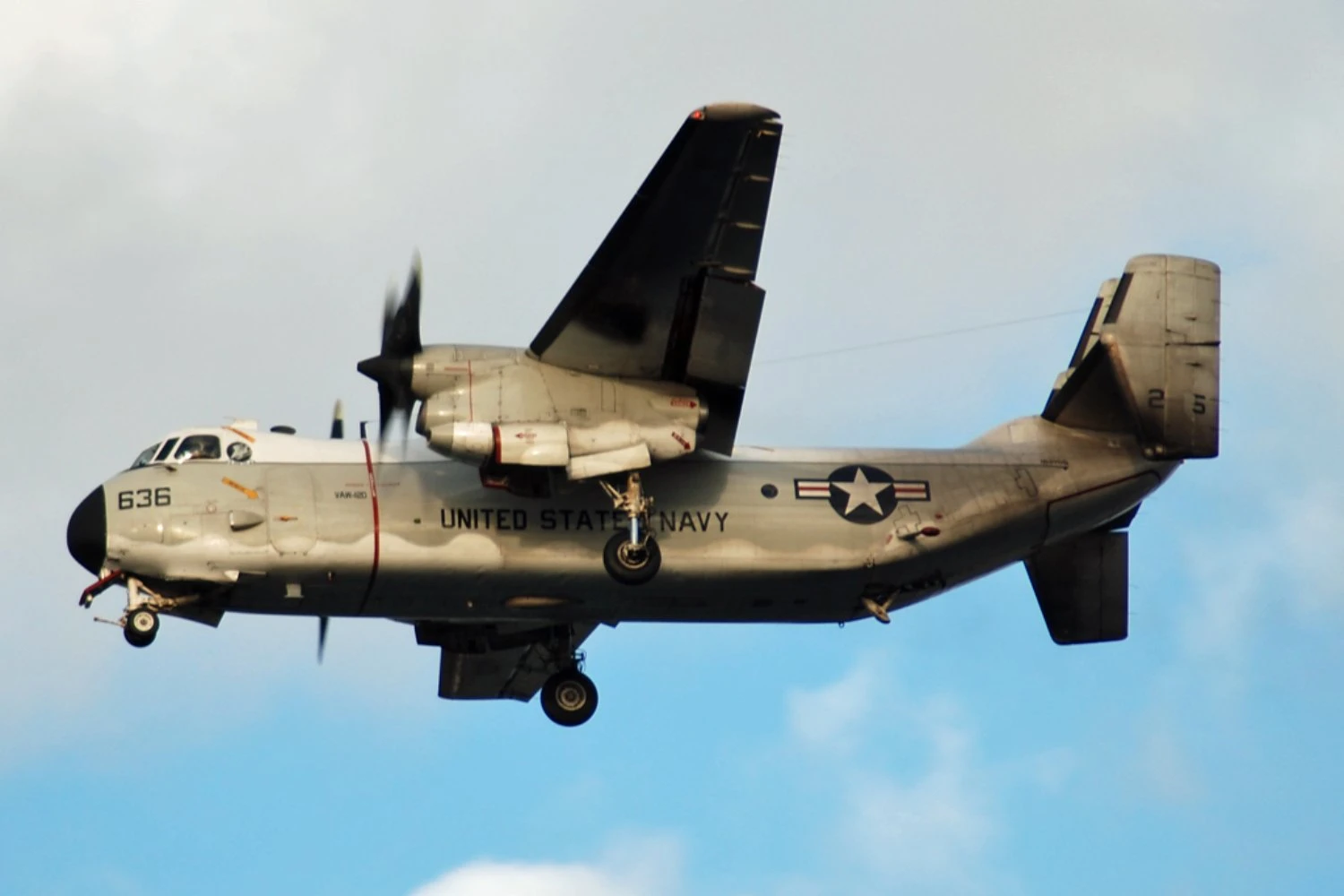
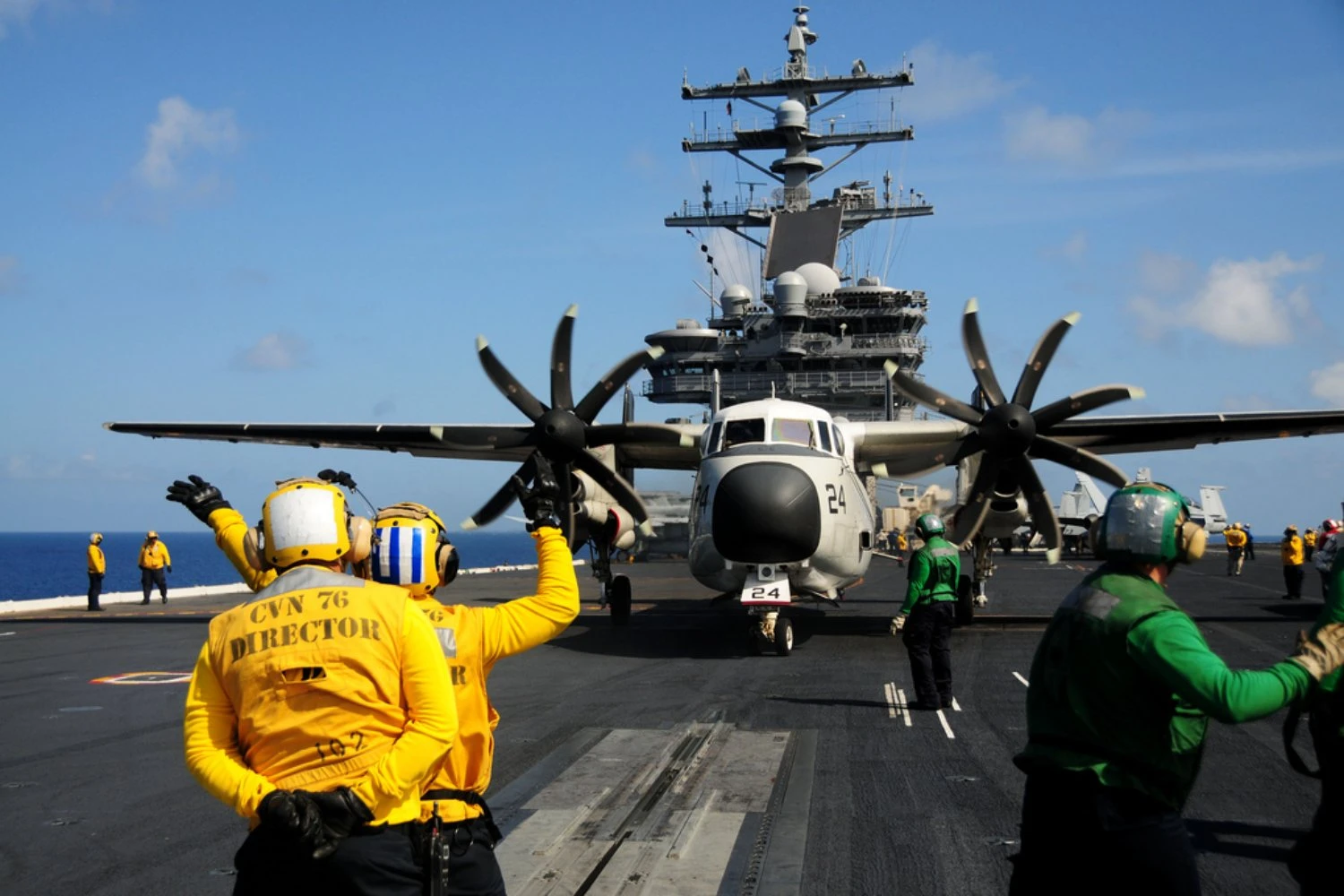
The US Navy has completed the final carrier operations of the Grumman C-2A Greyhound, bringing to a close nearly six decades of service transporting passengers, mail, aircraft parts and other high-priority cargo between shore bases and aircraft carriers.
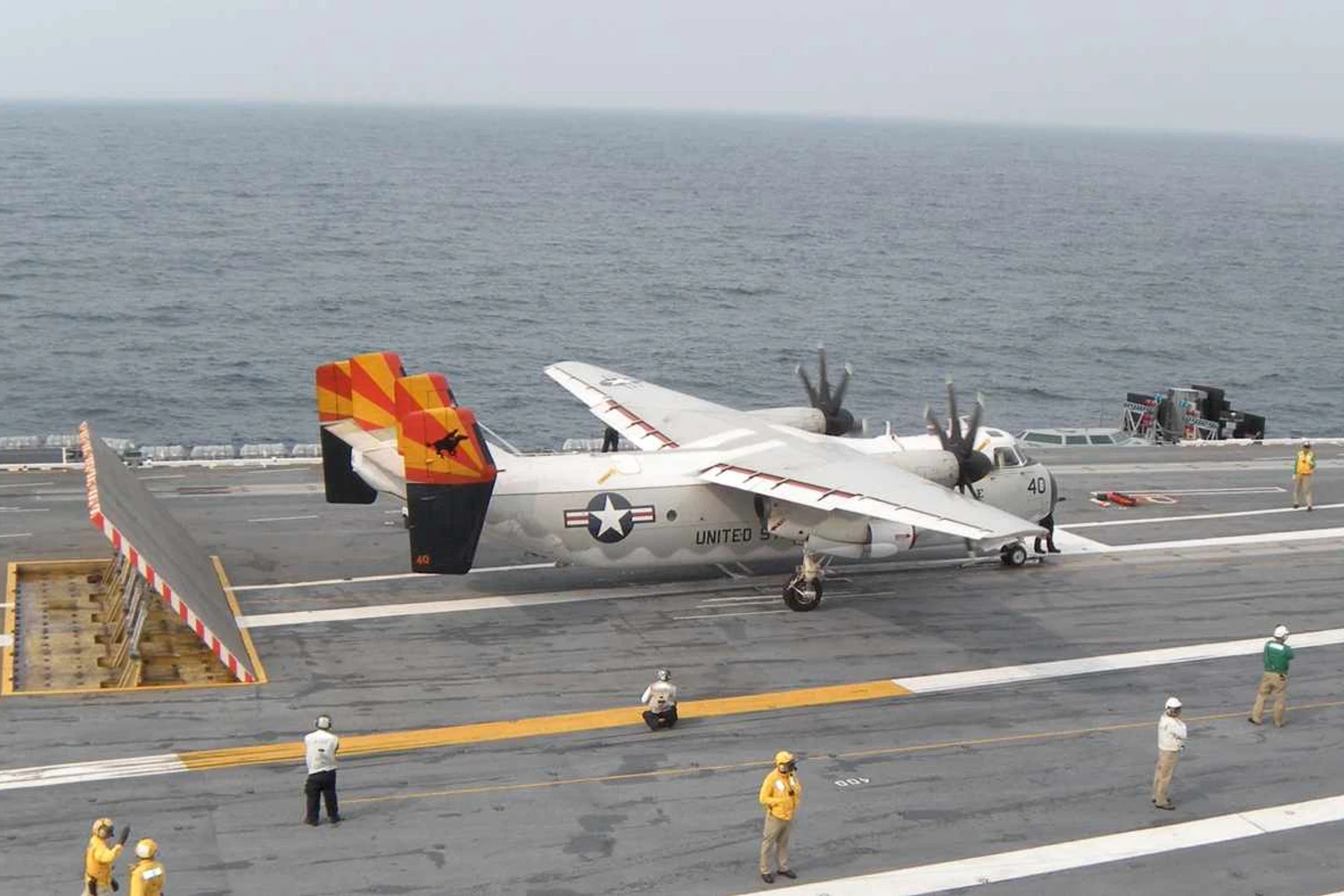
The last arrested landings and catapult launches took place aboard USS Nimitz (CVN 68) on June 25 as the carrier sailed north from Florida toward New York to take part in events marking the 250th anniversary of the United States.
The deployment also marked one of the final milestones for Nimitz, the lead ship of its class, which is expected to retire after five decades of service.
According to Janes, the two C-2A aircraft from Fleet Logistics Support Squadron (VRC) 40 carried senior US Navy officials and journalists before making what is expected to be the Greyhound's final catapult-assisted departure from an aircraft carrier.
From the C-1 Trader to the Greyhound
The Greyhound entered service in 1966, replacing the piston-powered Grumman C-1 Trader in the carrier onboard delivery (COD) mission. While the Trader had fulfilled the Navy's logistics needs during the 1950s and early 1960s, the introduction of larger and more sophisticated carrier aircraft created demand for a transport with greater payload and range.
Recent news
September 21, 2026
September 21, 2026
September 21, 2026
Grumman answered that requirement by adapting the E-2 Hawkeye airborne early warning aircraft into a transport. The C-2 retained the Hawkeye's wings, engines and four-fin tail, but received a wider fuselage with a large rear cargo ramp capable of accommodating bulky loads.
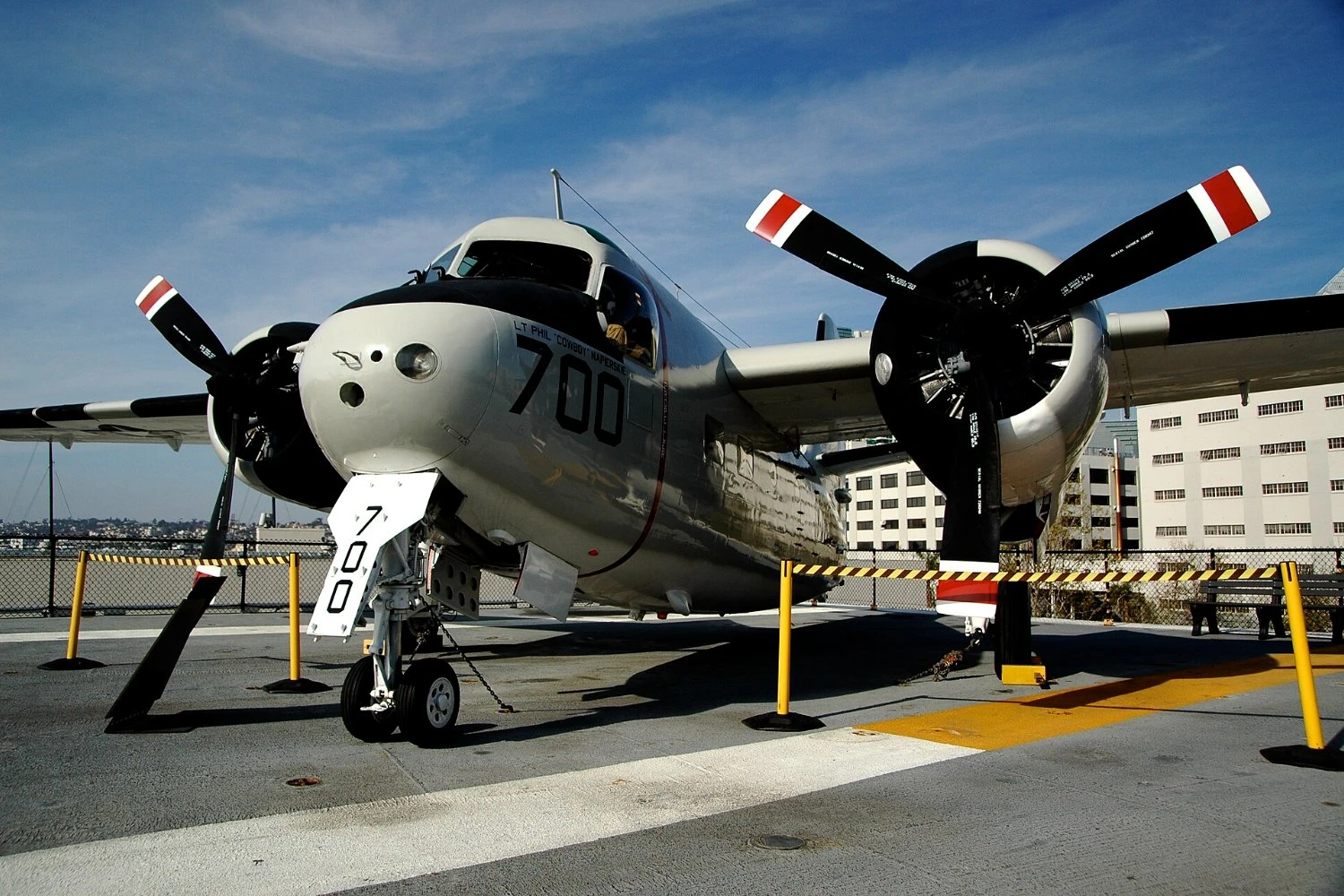
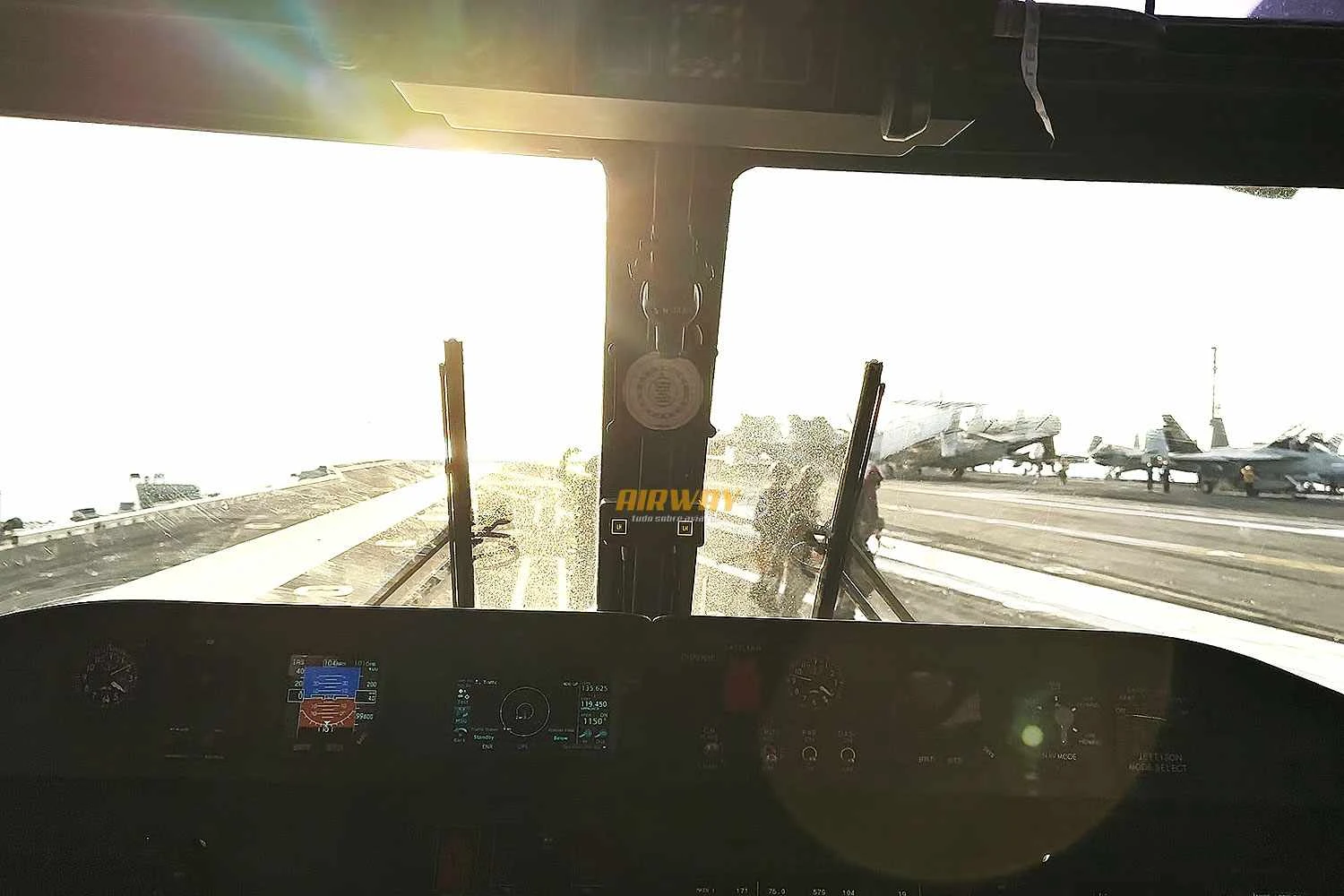
Powered by two Allison T56 turboprop engines, the aircraft could carry up to 28 passengers or around 4.5 tonnes of cargo, including replacement fighter engines, critical spare parts, mail and medical evacuation patients. Later upgrades added new avionics, glass cockpit displays and eight-bladed propellers, extending the fleet's service life well into the 2020s.
A different approach to carrier logistics
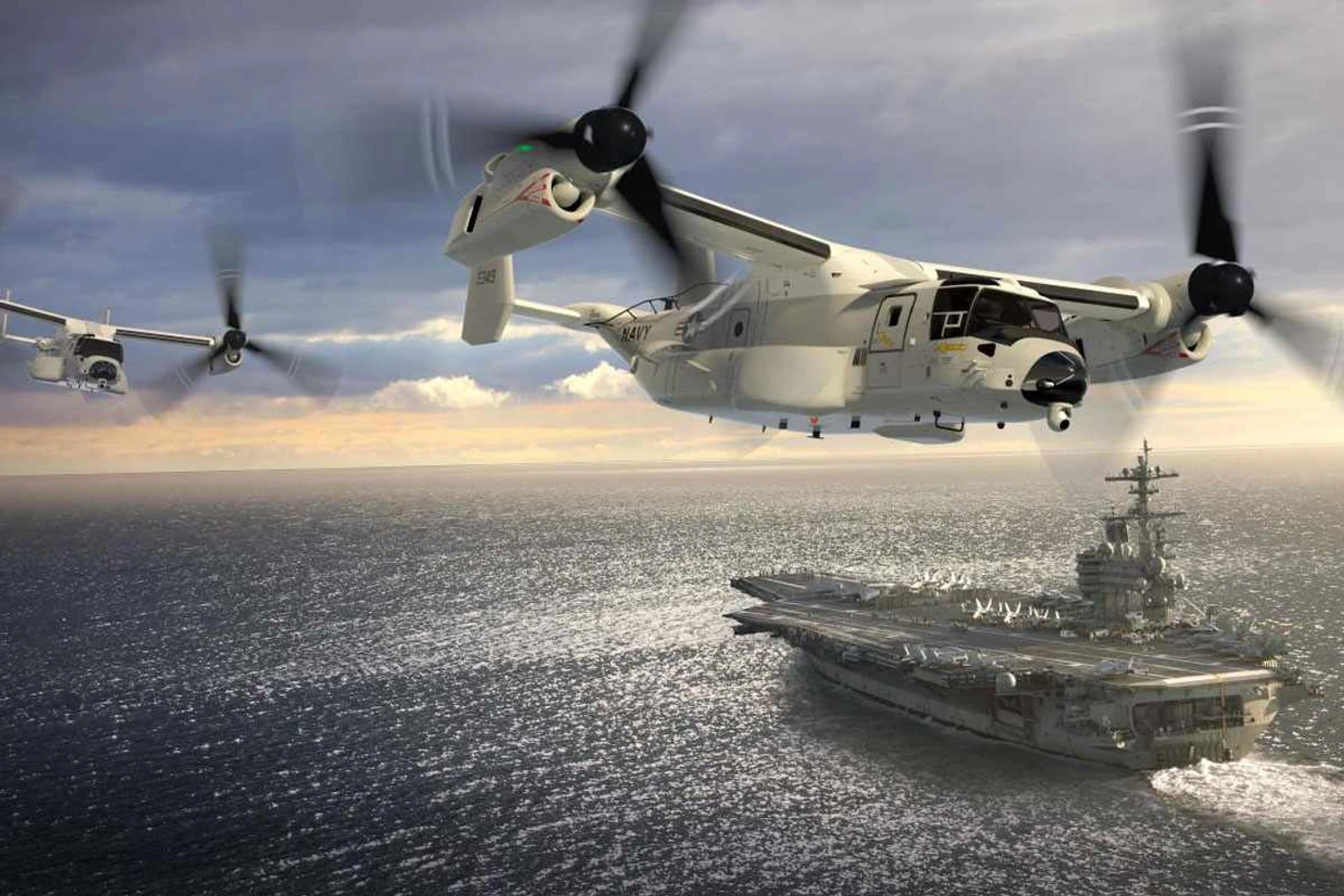
The Greyhound is being replaced by the Bell-Boeing CMV-22B Osprey, ending the era of fixed-wing logistics aircraft operating from US Navy carriers.
Unlike the C-2, the tiltrotor does not land using arresting wires or launch with a steam or electromagnetic catapult. Instead, it takes off and lands vertically like a helicopter, allowing it to operate not only from aircraft carriers but also from amphibious assault ships, small landing zones and forward operating bases without requiring a runway.
The change also alters how the Navy moves personnel and supplies to its carrier strike groups. While the Greyhound offered a pressurized cabin and higher cruising altitude, the CMV-22B provides greater operational flexibility and can refuel in flight, extending its range during long-distance logistics missions.
The transition has not been without difficulties. The Osprey fleet faced operational restrictions following a series of accidents in recent years, forcing some Greyhounds to remain in service longer than originally planned. Even so, the Navy has now completed the transfer of the COD mission, with the remaining C-2A aircraft expected to leave service later this year, closing one of the longest-running transport programs in US naval aviation.