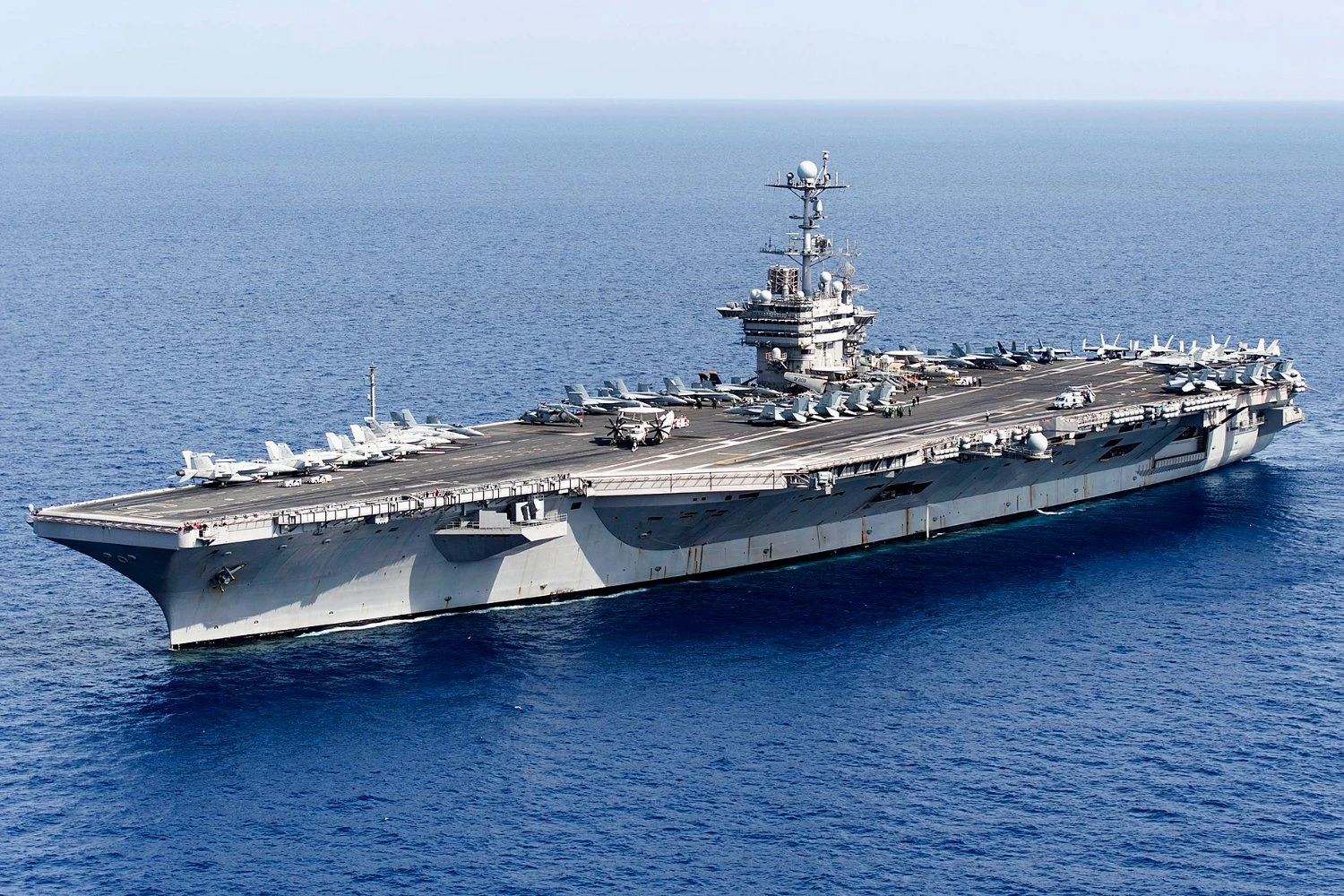
The US Navy has awarded a US$5.1 billion contract to refuel and overhaul the aircraft carrier USS Harry S. Truman (CVN 75), an investment intended to keep the Nimitz-class ship operational for approximately another 25 years.
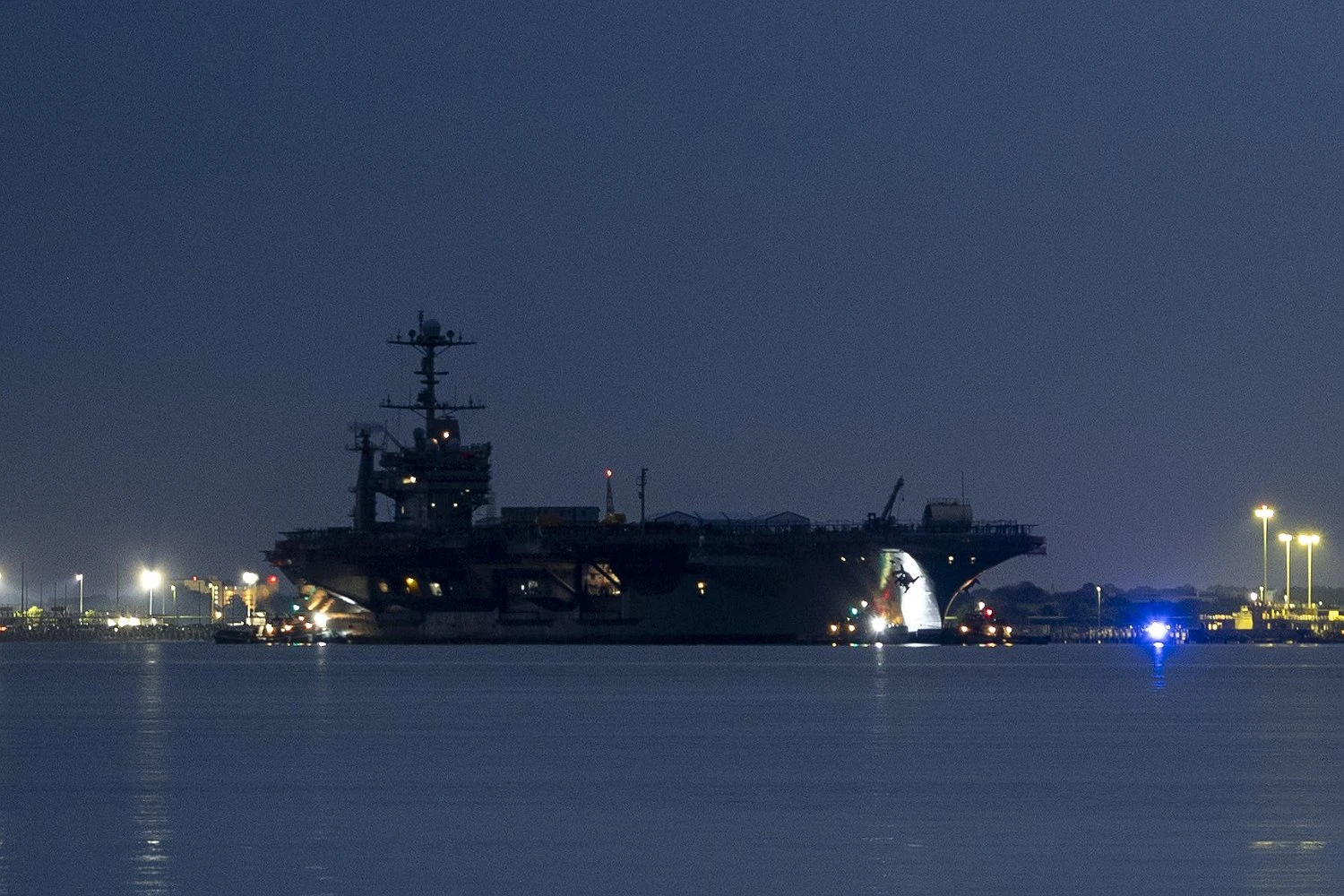
HII's Newport News Shipbuilding received the US$5.10 billion contract, which can reach US$5.18 billion if all options are exercised. Truman arrived at the Virginia shipyard on September 30 to begin its Refueling and Complex Overhaul (RCOH).
Commissioned in 1998, the nuclear-powered carrier is approaching the midpoint of its planned 50-year service life. The RCOH will refuel its two nuclear reactors and include extensive repairs and modernization throughout the ship.
Work will cover the propulsion plant, electrical systems, combat systems, aircraft launch and recovery equipment and other components. Propellers, shafts and rudders will also be removed for maintenance.
Follow Air Data News: WhatsApp | Instagram | LinkedIn | Twitter | Facebook
The overhaul is expected to keep Truman in the fleet into the late 2040s, extending the presence of the Nimitz class as the Navy gradually introduces its replacement, the Gerald R. Ford class.
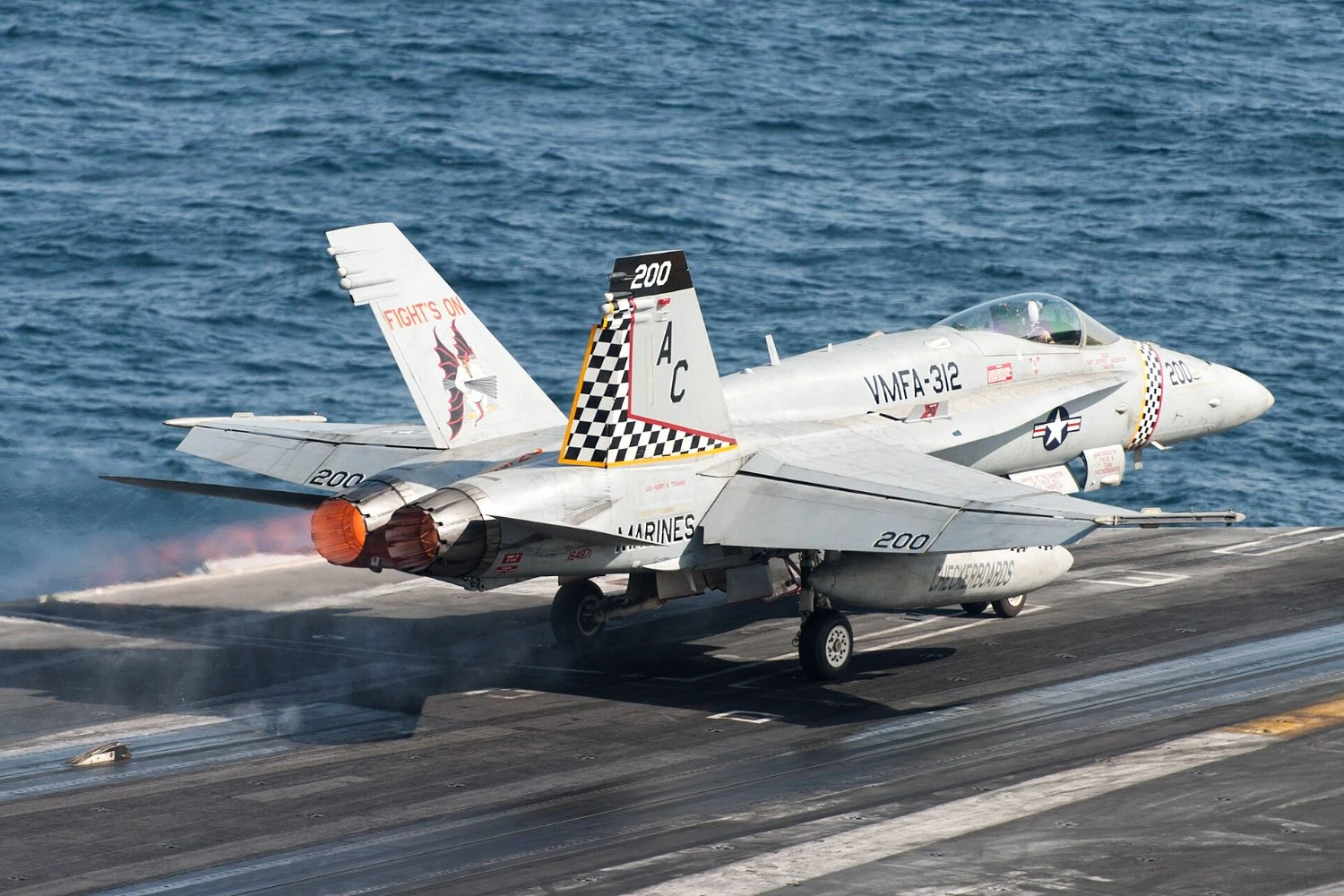
Truman was once targeted for early retirement
The decision to spend more than US$5 billion on Truman contrasts with a proposal made only seven years ago to retire the carrier rather than perform this overhaul.
The US government's fiscal 2020 budget proposal called for Truman to be decommissioned around 2024, approximately halfway through its expected service life. Skipping the RCOH would have avoided several billion dollars in spending and reduced the carrier fleet.
The proposal met opposition in Congress and was abandoned in 2019. The Navy subsequently resumed preparations for the midlife overhaul, with advance procurement and planning funded in subsequent budgets.
Related news
September 30, 2026
September 15, 2026
Truman is the eighth of 10 Nimitz-class carriers. Although construction of the class ended with USS George H.W. Bush (CVN 77), commissioned in 2009, the ships are designed to remain operational for around five decades.
The RCOH is central to that lifespan. Each carrier undergoes the process once, approximately halfway through its service, with the reactors receiving enough new nuclear fuel for the remainder of the ship's planned career.
Ford class is replacing Nimitz gradually
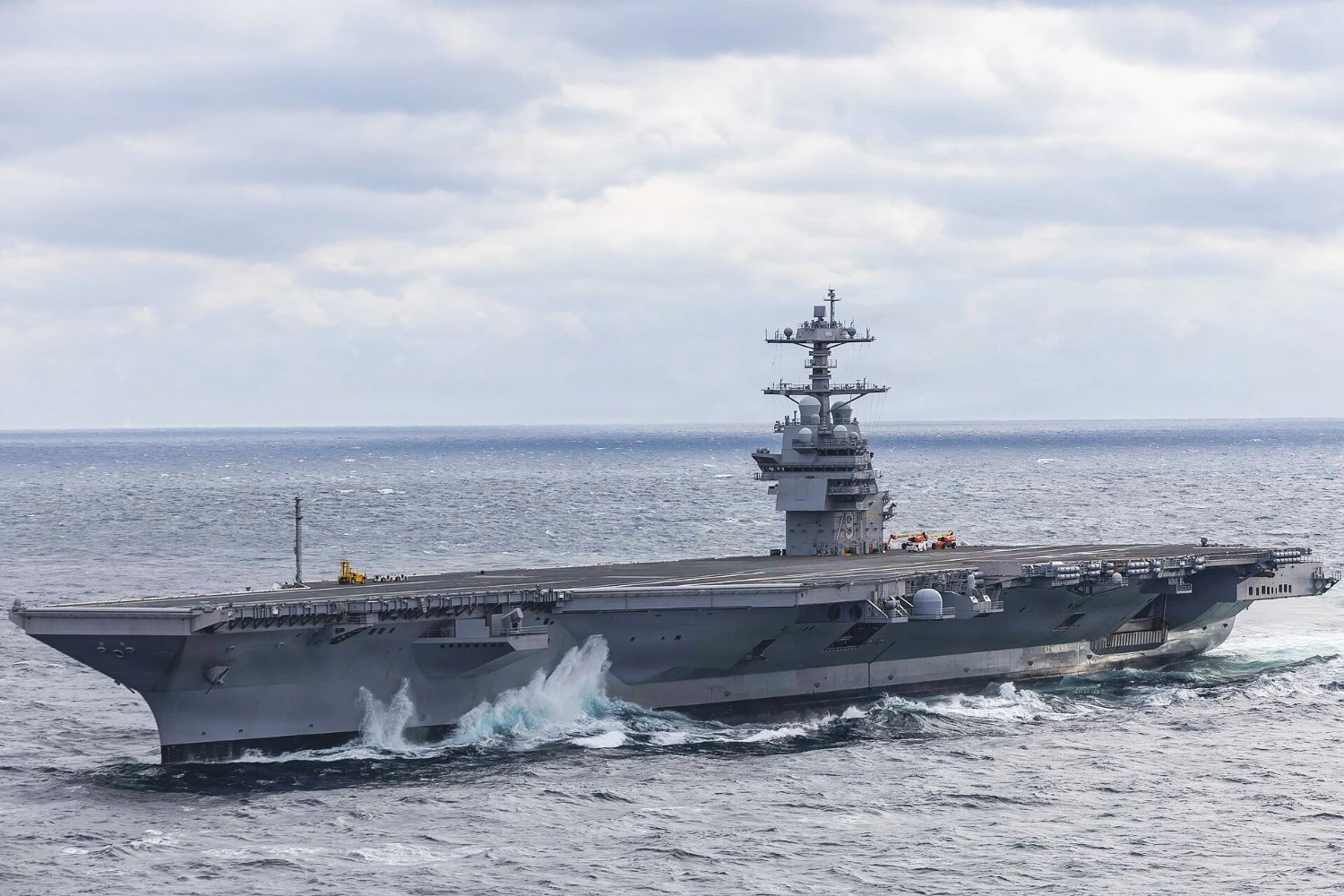
USS Gerald R. Ford (CVN 78), commissioned in 2017, remains the only carrier of the newer class currently in active service.
The future USS John F. Kennedy (CVN 79), the second Ford-class ship, recently reached preliminary acceptance and is scheduled for delivery in 2027. Its arrival will allow the Navy to proceed with the retirement of USS Nimitz (CVN 68), commissioned in 1975 and the oldest aircraft carrier still in US service.
Truman, however, is not being retained as a temporary response to delays involving Kennedy. Its RCOH has been planned for years and effectively commits the Navy to operating Nimitz and Ford-class carriers alongside each other for decades.
USS John C. Stennis (CVN 74) is already undergoing its own RCOH at Newport News. Truman will follow it through the shipyard, where the work is expected to continue into the early 2030s.
The Navy operates 11 nuclear-powered aircraft carriers. The third Ford-class ship, the future USS Enterprise (CVN 80), is under construction at Newport News, while additional ships of the class will progressively replace individual Nimitz-class carriers as they reach the end of their planned service lives.