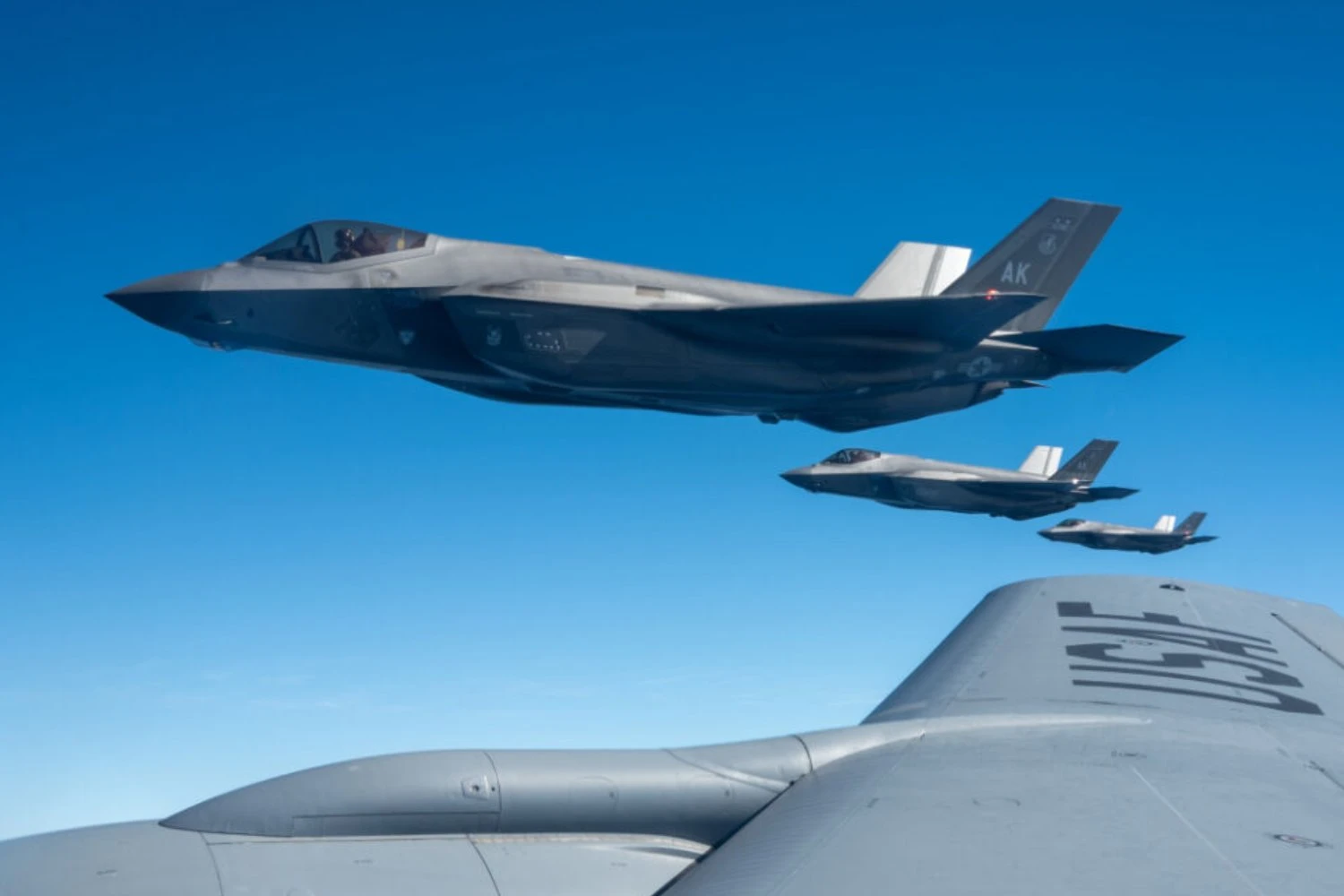
The estimated acquisition cost of the F-35 program has increased by US$51 billion, with a new Pentagon assessment also projecting higher unit costs for all three versions of the fighter after more than a decade in which increasing production helped drive prices sharply lower.
The latest Modernized Selected Acquisition Report (MSAR), released by the US Department of Defense in August, puts the estimated acquisition cost of the program at US$536.2 billion, compared with US$485.2 billion in the previous 2023 assessment.
The increase of about 10.5% covers the aircraft and engines the US government plans to acquire as well as development expenditure. It does not represent the much larger cost of operating and sustaining the F-35 fleet over its lifetime.
Inflation accounts for part of the increase, but the Pentagon also points to higher costs observed in recent production contracts and a growing bill for modernization, including Block 4 capabilities, the new APG-85 radar, the F135 Engine Core Upgrade (ECU) and a new Power and Thermal Management Upgrade (PTMU).
Follow Air Data News: WhatsApp | Instagram | LinkedIn | Twitter | Facebook
Research, development, test and evaluation costs alone have increased by approximately US$19 billion to US$106.6 billion, according to the report. Procurement costs account for nearly US$32 billion of the remaining increase.
F-35 prices reversed a long decline
The new estimates come after a period in which falling F-35 production costs became one of the program's most prominent achievements.
The conventional takeoff and landing F-35A cost more than US$250 million per aircraft in the first low-rate production lot. By Lot 11, its recurring flyaway price had fallen to US$89.2 million.
The decline continued as production expanded. An F-35A cost US$82.4 million in Lot 12, US$79.2 million in Lot 13 and US$77.9 million in Lot 14.
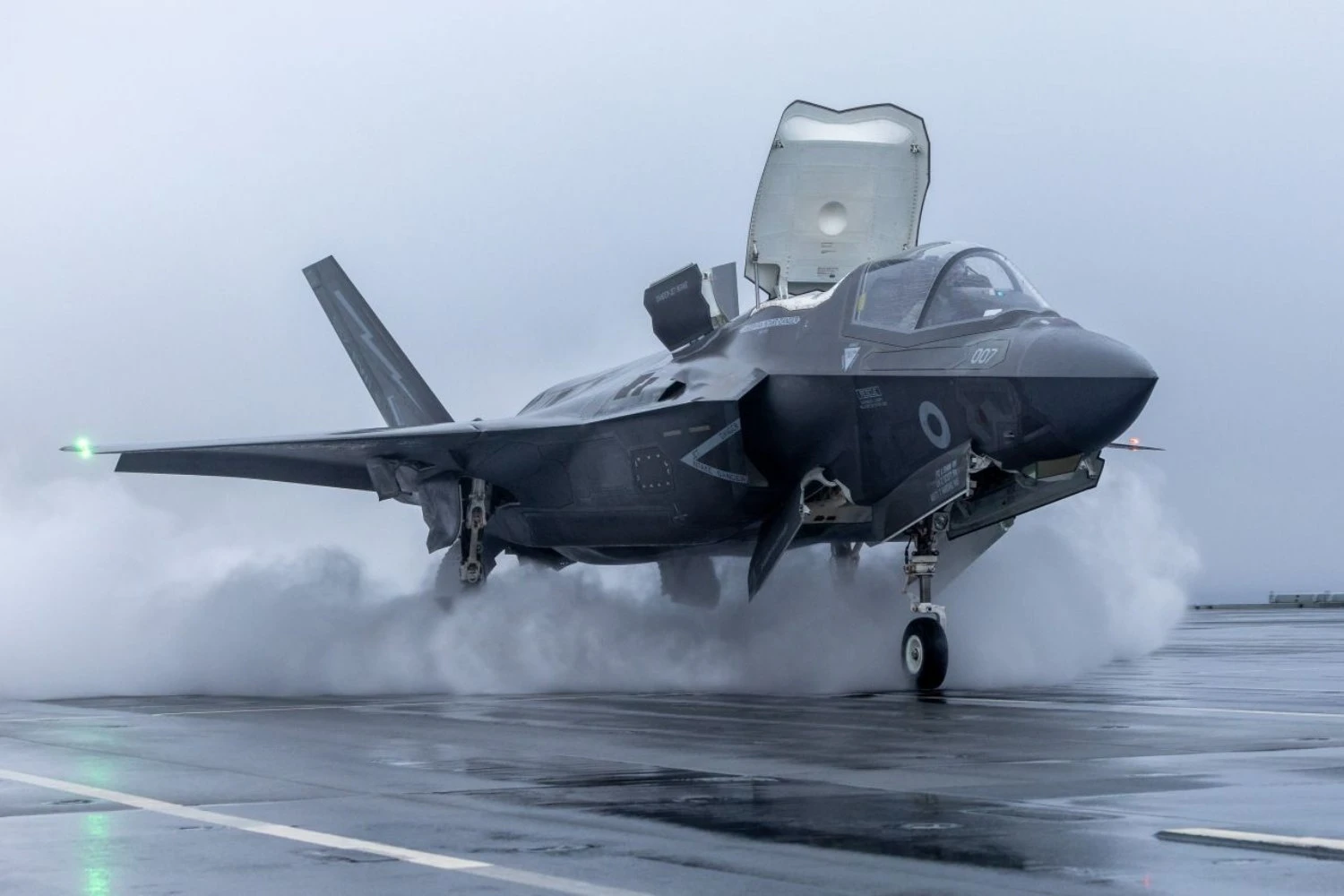
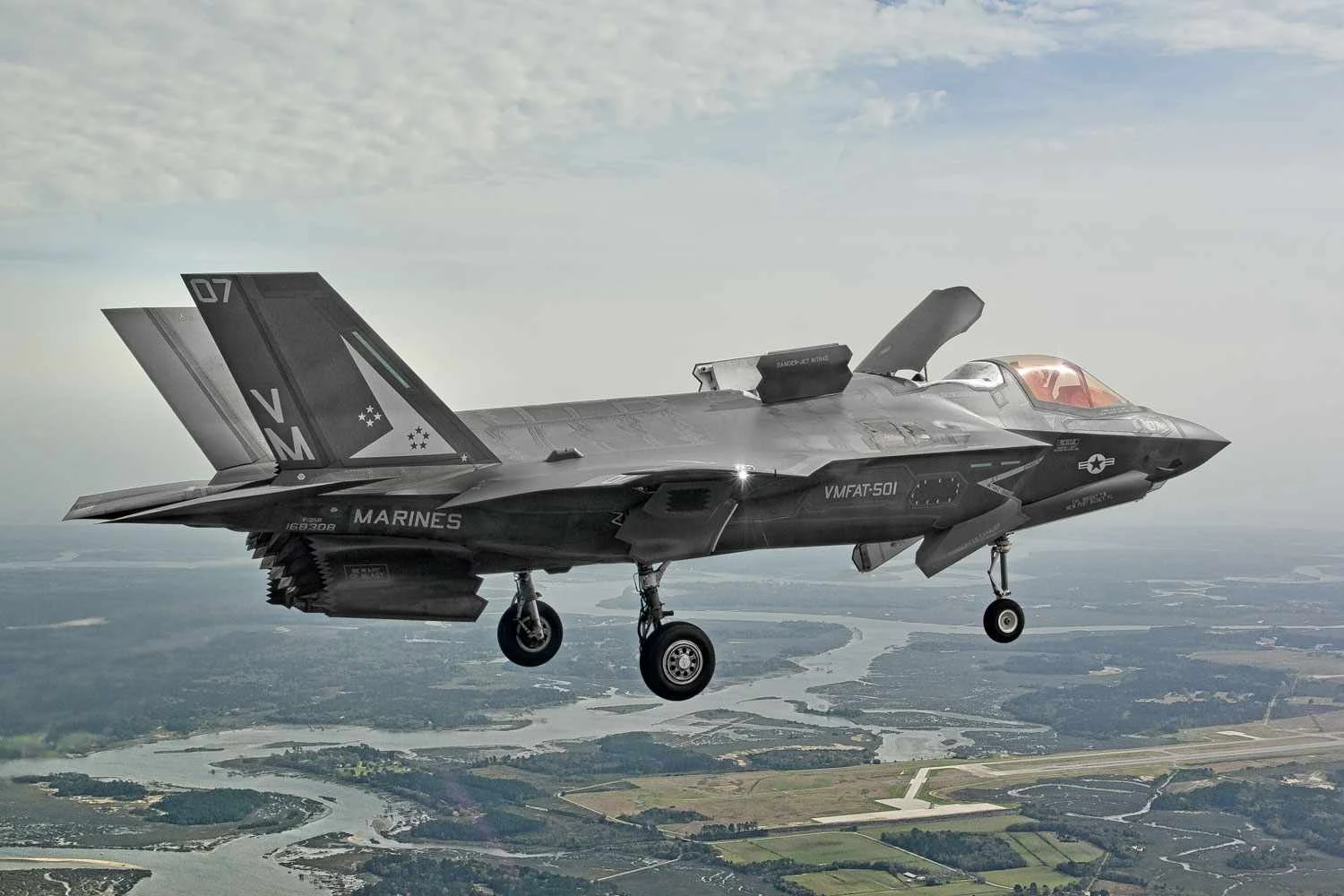
The other variants followed a similar curve. The short takeoff and vertical landing F-35B declined from US$115.5 million in Lot 11 to US$108 million in Lot 12, US$104.8 million in Lot 13 and US$101.3 million in Lot 14.
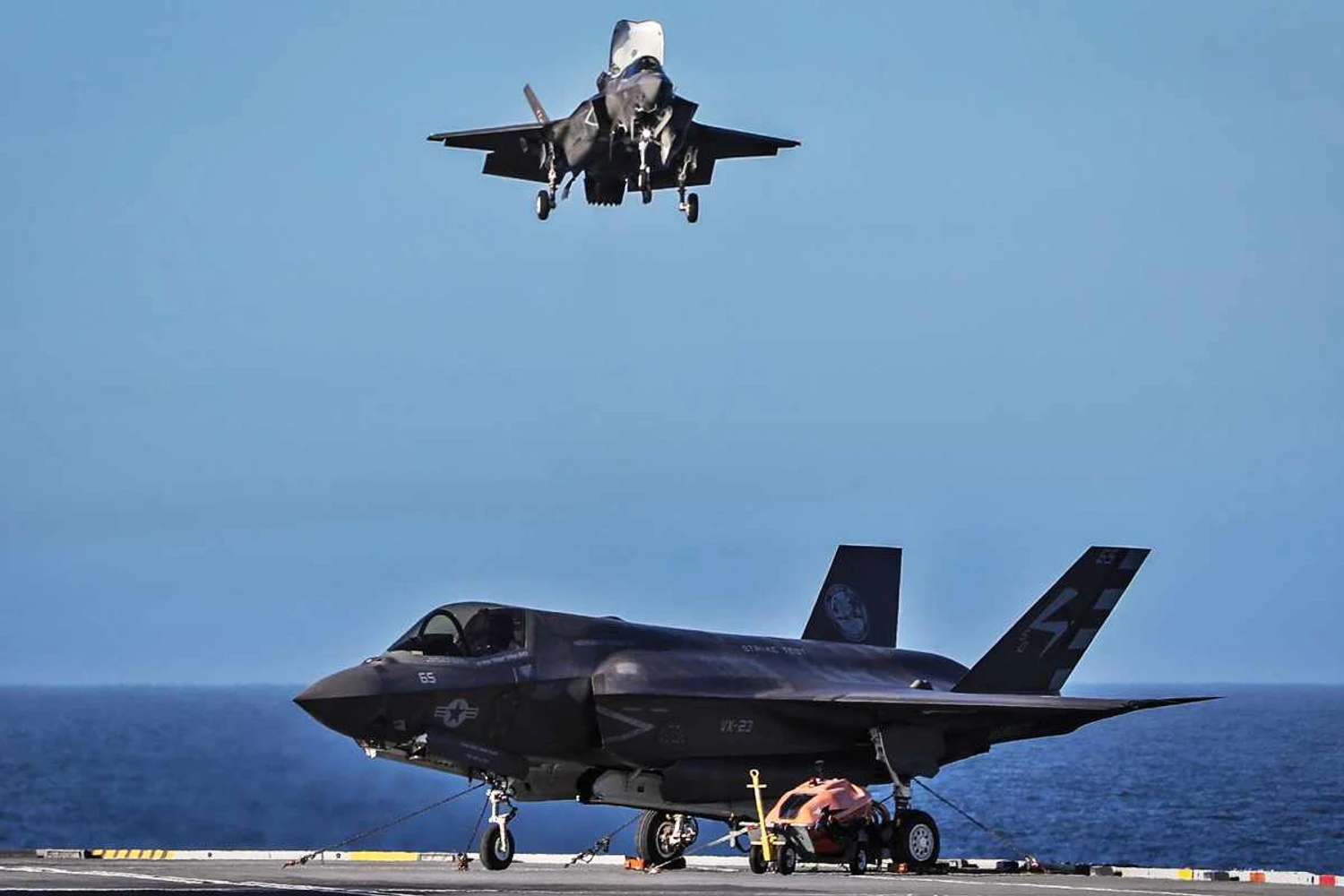
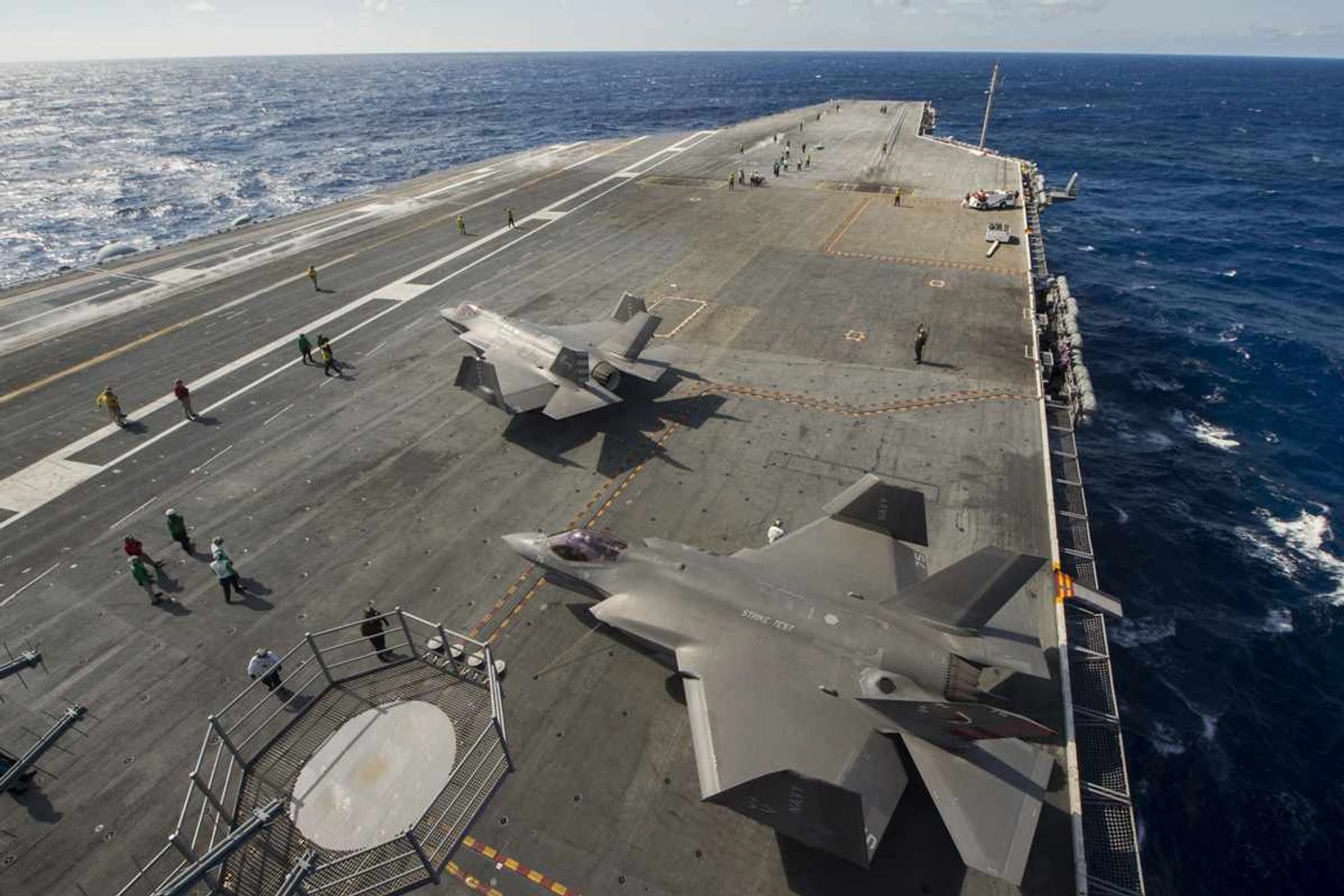
The carrier-capable F-35C fell from US$107.7 million in Lot 11 to US$103.1 million, US$98.1 million and finally US$94.4 million over the same three subsequent lots.
Those figures include the engine and represent nominal prices from different years. They therefore cannot be treated as an inflation-adjusted historical series.
The direction nevertheless changed with Lots 15 through 17. The F-35 Joint Program Office put the average flyaway price across those three lots at US$82.5 million for the F-35A, US$109 million for the F-35B and US$102.1 million for the F-35C.
Recent news
September 21, 2026
September 21, 2026
September 21, 2026
Compared with Lot 14, the nominal increases were about 6% for the F-35A, 8% for the F-35B and 8% for the F-35C.
Inflation was an important factor. Lockheed Martin said the air vehicle portion of the F-35A increased by an average of 6.5% between Lots 14 and 17, less than inflation over the period.
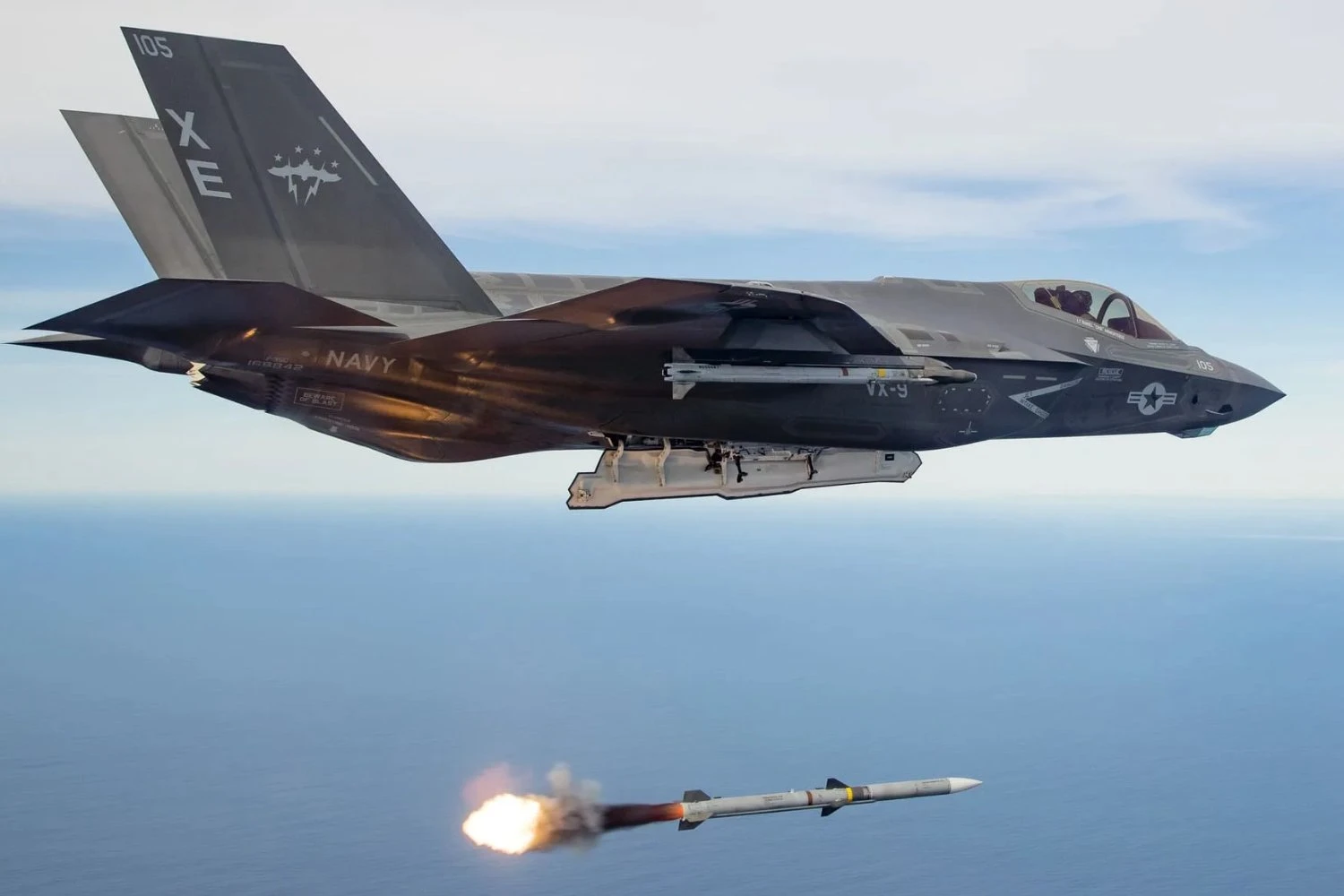
The aircraft were also changing. Lot 15 introduced Technical Refresh 3, or TR-3, the new computing architecture required to enable many of the capabilities planned under Block 4.
Pentagon sees real costs increasing
The latest Pentagon assessment provides a better indication that the change is not solely the result of inflation.
Its Unit Recurring Flyaway estimates are expressed in constant 2012 dollars, allowing the previous and current projections to be compared without the effect of changing dollar values.
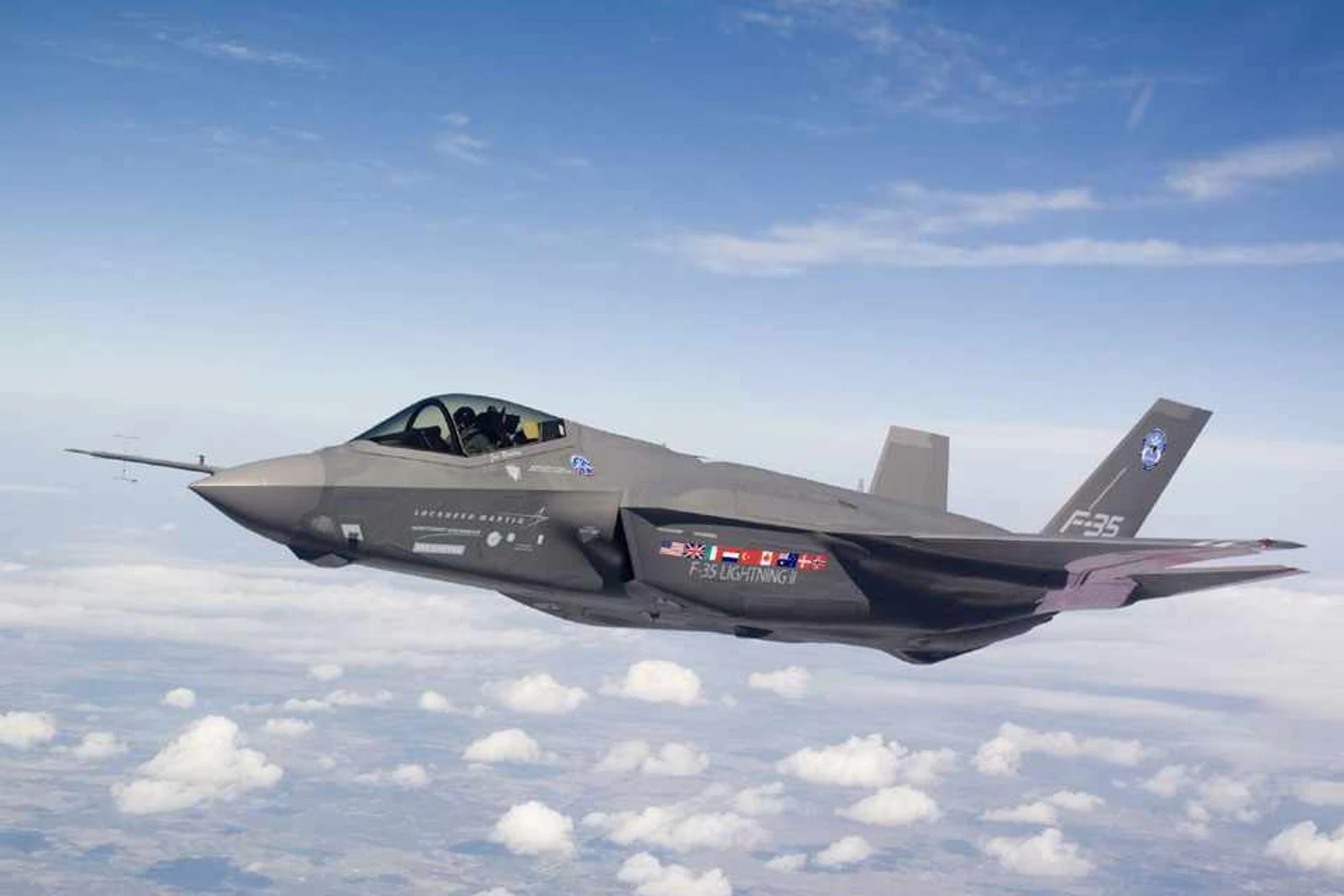
For the F-35A, the estimate increased from US$72.7 million to US$78 million, a 7.3% rise. The F-35B shows the largest increase, from US$99.8 million to US$110.3 million, or approximately 10.5%. The F-35C increased from US$87.7 million to US$93.4 million, about 6.6%.
The figures are program estimates rather than prices for a particular production lot, but they indicate that the Pentagon now expects recurring production costs to be higher in real terms than it did in its previous assessment.
Prices for the latest Lots 18 and 19 make a direct comparison more difficult. Lockheed Martin received a US$24.29 billion contract covering 296 aircraft, while the F135 engines are covered separately.
Pratt & Whitney received a US$2.8 billion contract for Lot 18 F135 production in 2025, covering production engines, spares, modules and associated support. Subsequent contracting covers engines for the two-lot procurement.
The Pentagon has not publicly provided directly comparable individual flyaway prices for each F-35 variant in Lots 18 and 19.
Block 4 adds capabilities and costs
Part of the changing cost structure comes from an F-35 that is considerably different from aircraft produced during the period when unit prices were falling fastest.
TR-3 provides the computing hardware needed for Block 4, a package intended to add new weapons, sensors, electronic warfare capabilities, processing power and networking functions.
The modernization has itself grown considerably from its original scope and schedule. Block 4 was initially planned around 66 capabilities at an estimated development cost of approximately US$10.6 billion, with completion expected in fiscal 2026. Subsequent estimates pushed the cost to roughly US$16.5 billion and completion toward the end of the decade as the planned content expanded.
The Pentagon has since restructured the effort, prioritizing a smaller group of critical capabilities rather than delivering the complete package previously envisioned.
Among the major hardware changes is the APG-85 active electronically scanned array radar, which will replace the APG-81 in future aircraft.
The additional electronics also create another problem: power and heat.
More money for F135 upgrade
The Pentagon awarded Pratt & Whitney another contract modification worth up to US$240.8 million on August 27 to continue development of the F135 Engine Core Upgrade.
The ECU is intended to modify the existing F135 rather than replace it, providing additional capability to support Block 4 and future F-35 configurations while improving engine durability and addressing operational issues.
The latest award funds non-recurring engineering as the ECU moves from risk-reduction work toward engineering and manufacturing development. It also includes long-lead hardware for a spare test engine. Work is scheduled to continue through March 2028.
The US government had previously awarded Pratt & Whitney a contract with an initial ceiling of approximately US$1.3 billion for ECU design, analysis, testing, integration and development activities.
The program recently reached another important stage. The ECU was scheduled to undergo its critical design review in August, although flight testing is not expected until around 2030.
A separate PTMU effort is intended to address the F-35's increasing electrical generation and thermal-management requirements.
Together, TR-3, Block 4, APG-85, ECU and PTMU illustrate why comparing the price of a future F-35 directly with the US$77.9 million F-35A of Lot 14 is increasingly difficult.
The production program that spent years reducing the cost of essentially maturing versions of the fighter is simultaneously being asked to incorporate a new generation of computing, sensors, weapons, power and propulsion capabilities.
The Pentagon's latest assessment indicates that even after removing inflation from the calculation, those changes — combined with higher supplier and production costs — have altered the cost trajectory that drove F-35 prices downward for much of the previous decade.