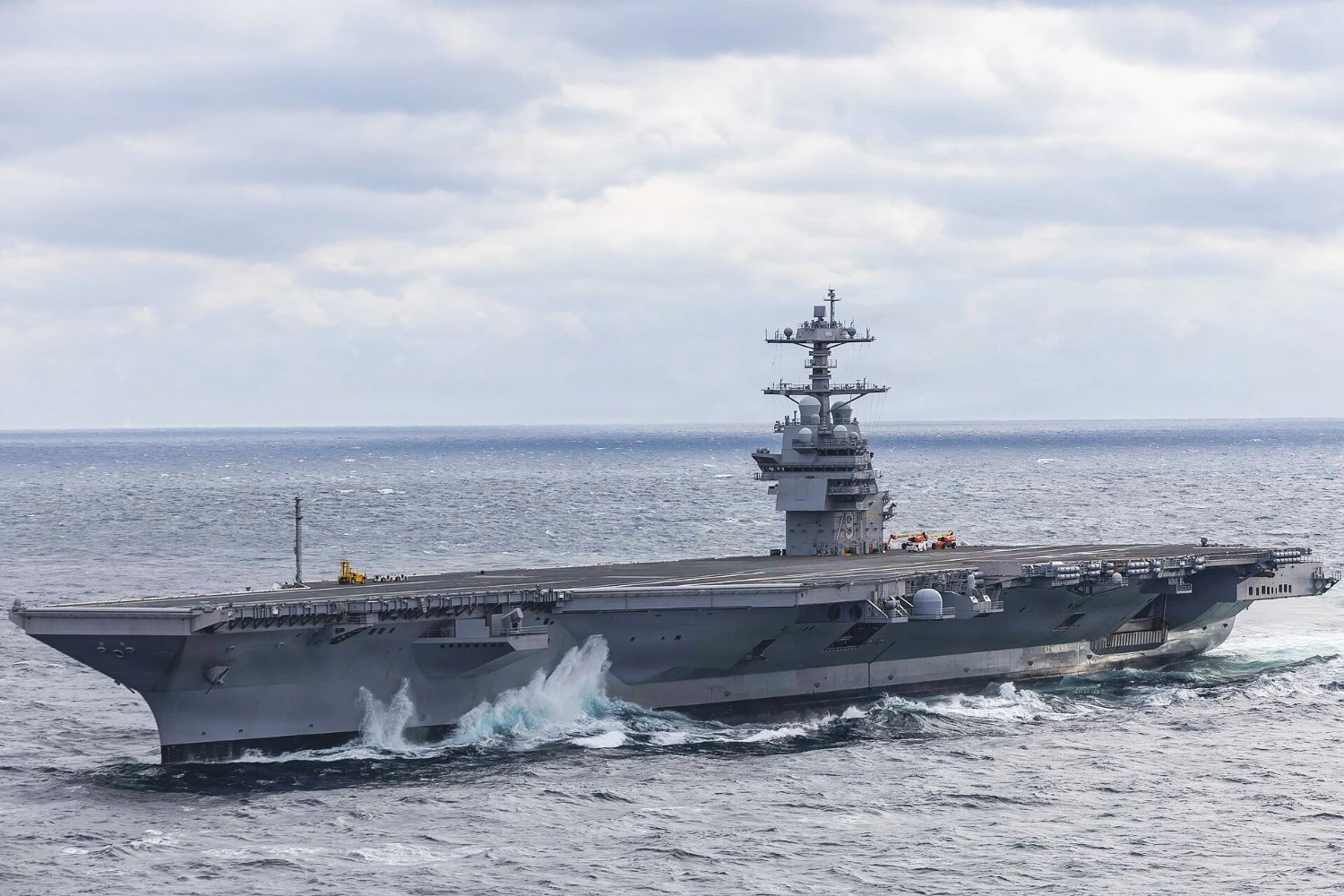
The U.S. Navy has taken preliminary acceptance of the future USS John F. Kennedy (CVN 79), allowing sailors to begin operating and testing the second Ford-class aircraft carrier while shipbuilder Huntington Ingalls Industries completes remaining work aboard the ship.
The milestone is unusual because Kennedy has not yet reached contractual delivery. Under the arrangement, the Navy assumes responsibility for operating the carrier while Newport News Shipbuilding personnel continue work aboard it, with final delivery planned for spring 2027.
Kennedy is approximately 99% complete. Among the principal work still underway are four of its 11 Advanced Weapons Elevators, which use electromagnetic technology to move ammunition between the ship's magazines and flight deck.
Seven elevators have already been turned over to the Navy. According to the service, those units provide access to all magazine areas and are sufficient to begin crew training while work continues on the remaining four.
Follow Air Data News: WhatsApp | Instagram | LinkedIn | Twitter | Facebook
The preliminary acceptance follows Builder's Trials and Acceptance Trials conducted earlier this year. The Navy said moving the carrier to Naval Station Norfolk will allow the crew to increase training and begin testing systems in an operational environment before contractual delivery.
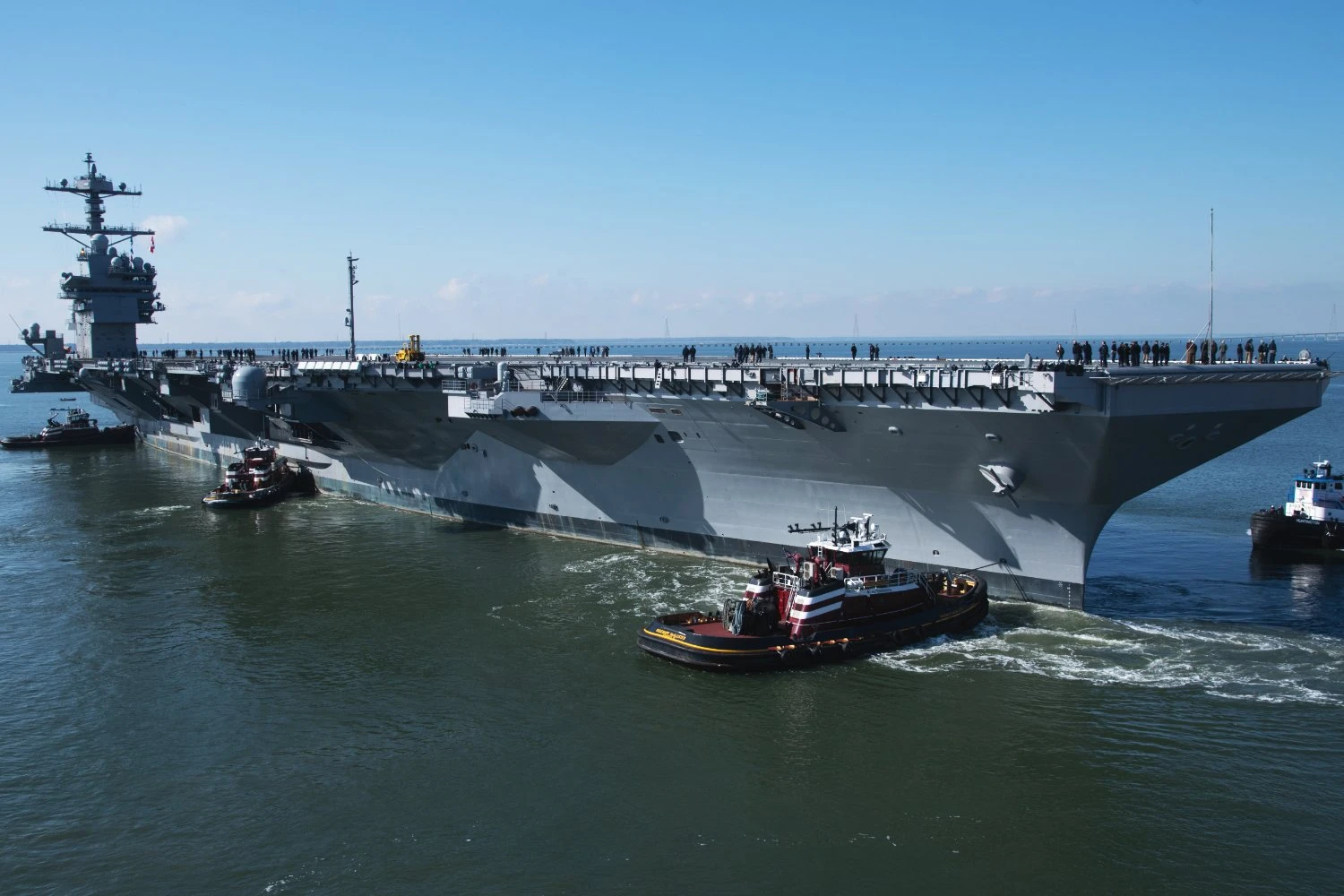
Long road to delivery
John F. Kennedy was originally expected to reach the fleet considerably earlier. Its delivery schedule moved several times as the Navy incorporated additional work into the ship and encountered delays involving major systems.
The Navy had previously targeted July 2025 for delivery. The current schedule calls for contractual delivery in March 2027.
Two areas have played a major role in the delay: completion of the Advanced Weapons Elevators and certification work involving the Advanced Arresting Gear, the system used to recover fixed-wing aircraft aboard the carrier.
Both technologies were introduced with the Ford class and caused substantial difficulties during development of the first ship, USS Gerald R. Ford (CVN 78).
The Navy also deliberately moved work that had once been planned for after delivery into Kennedy's construction period. The decision followed lessons from CVN 78, which required extensive post-delivery work before reaching operational capability.
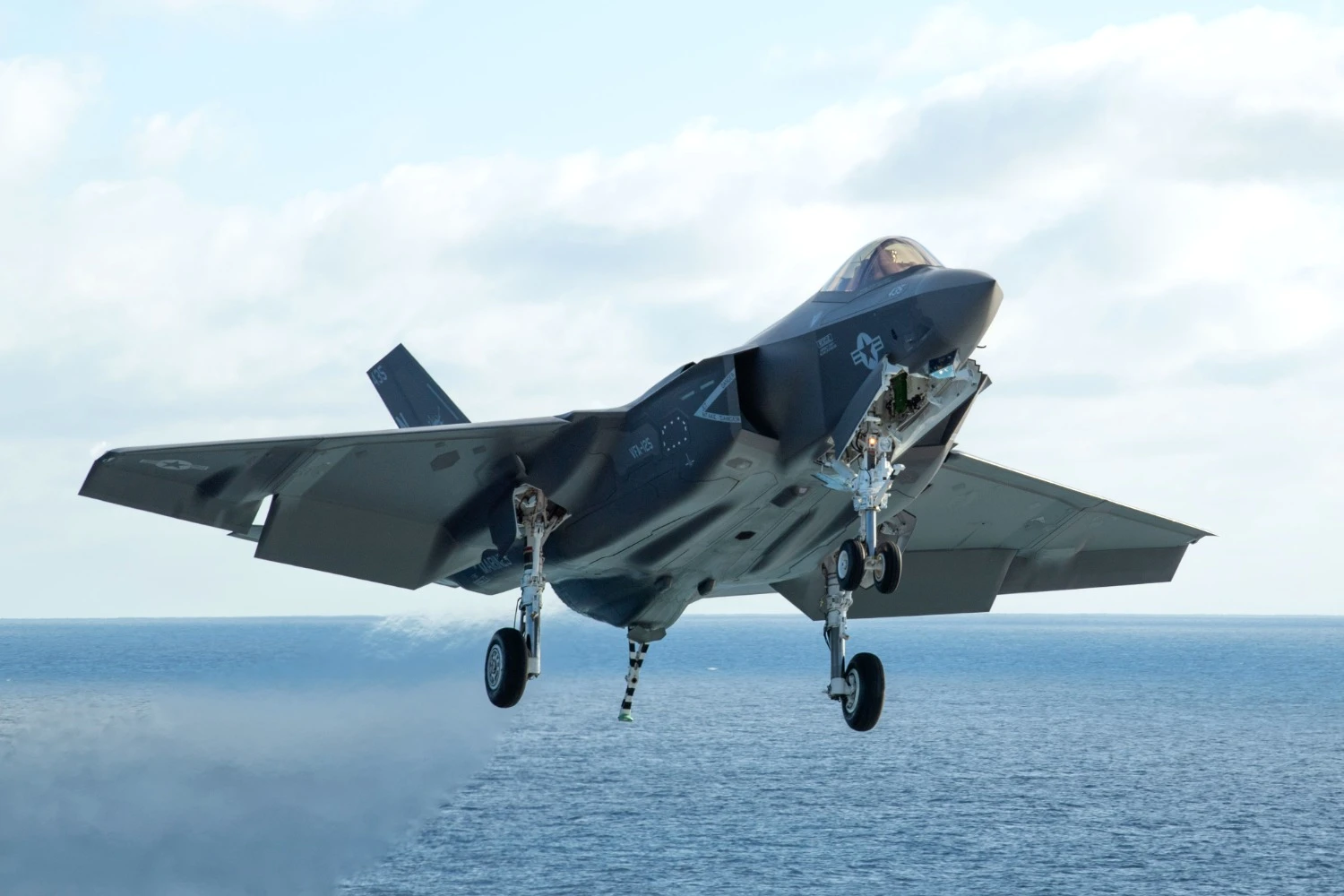
F-35C capability included before delivery
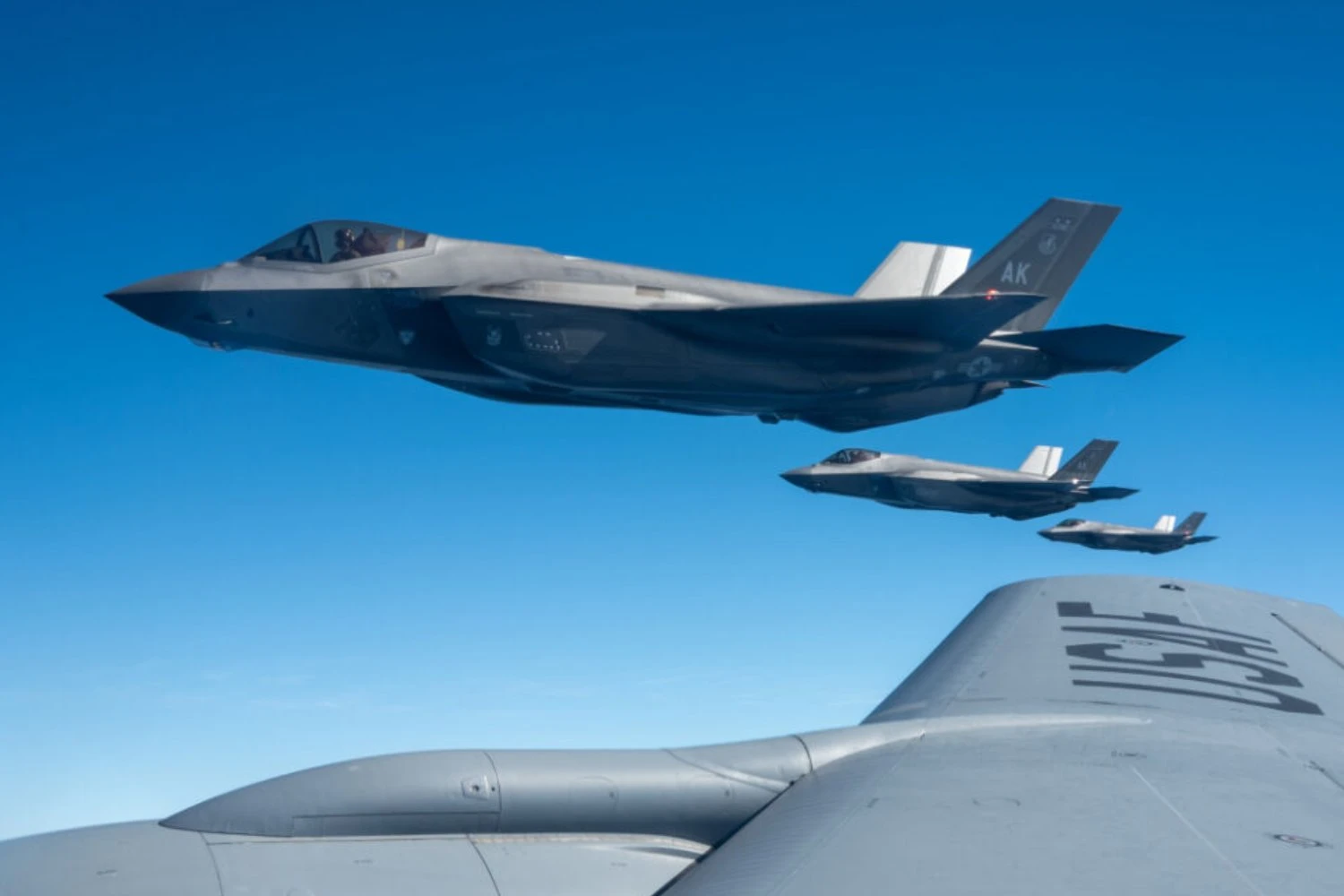
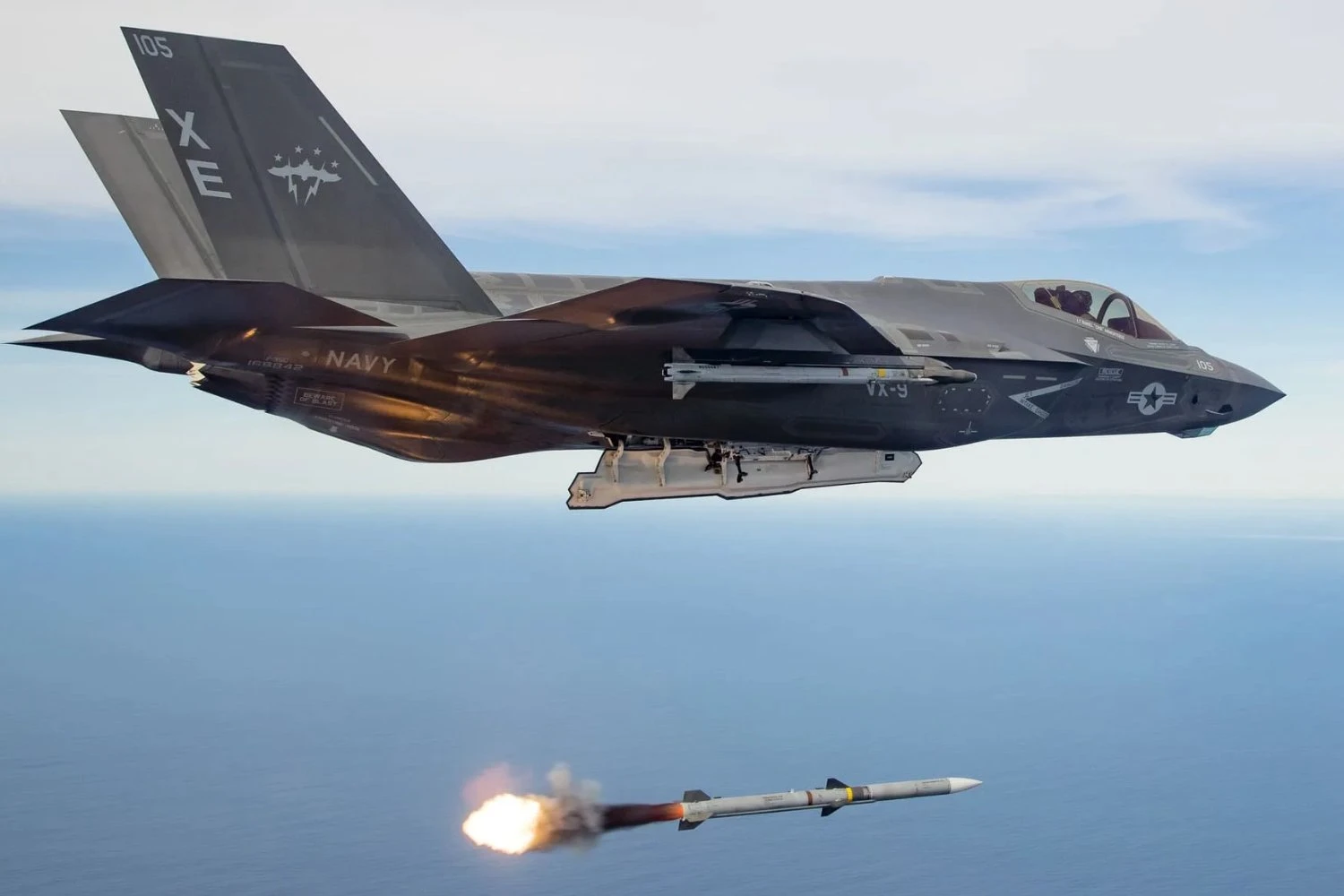
One of those changes involves the Lockheed Martin F-35C fighter jet. Kennedy is being completed with the modifications required to support F-35C operations from its first deployment. The Navy changed the construction plan to incorporate those capabilities before delivery rather than install them later.
Gerald R. Ford was not delivered with the same level of F-35C integration and has yet to deploy with the fighter. Its current air wing, Carrier Air Wing 8, has used Boeing F/A-18E/F Super Hornets as its strike fighters during operational deployments.
The distinction does not mean CVN 78 is unable to launch or recover the F-35C. Instead, Kennedy is receiving the shipboard infrastructure and support capabilities needed to routinely embark and sustain the aircraft as part of its operational air wing from the beginning of its service.
Kennedy also incorporates other changes from the first Ford-class carrier, including the Enterprise Air Surveillance Radar.
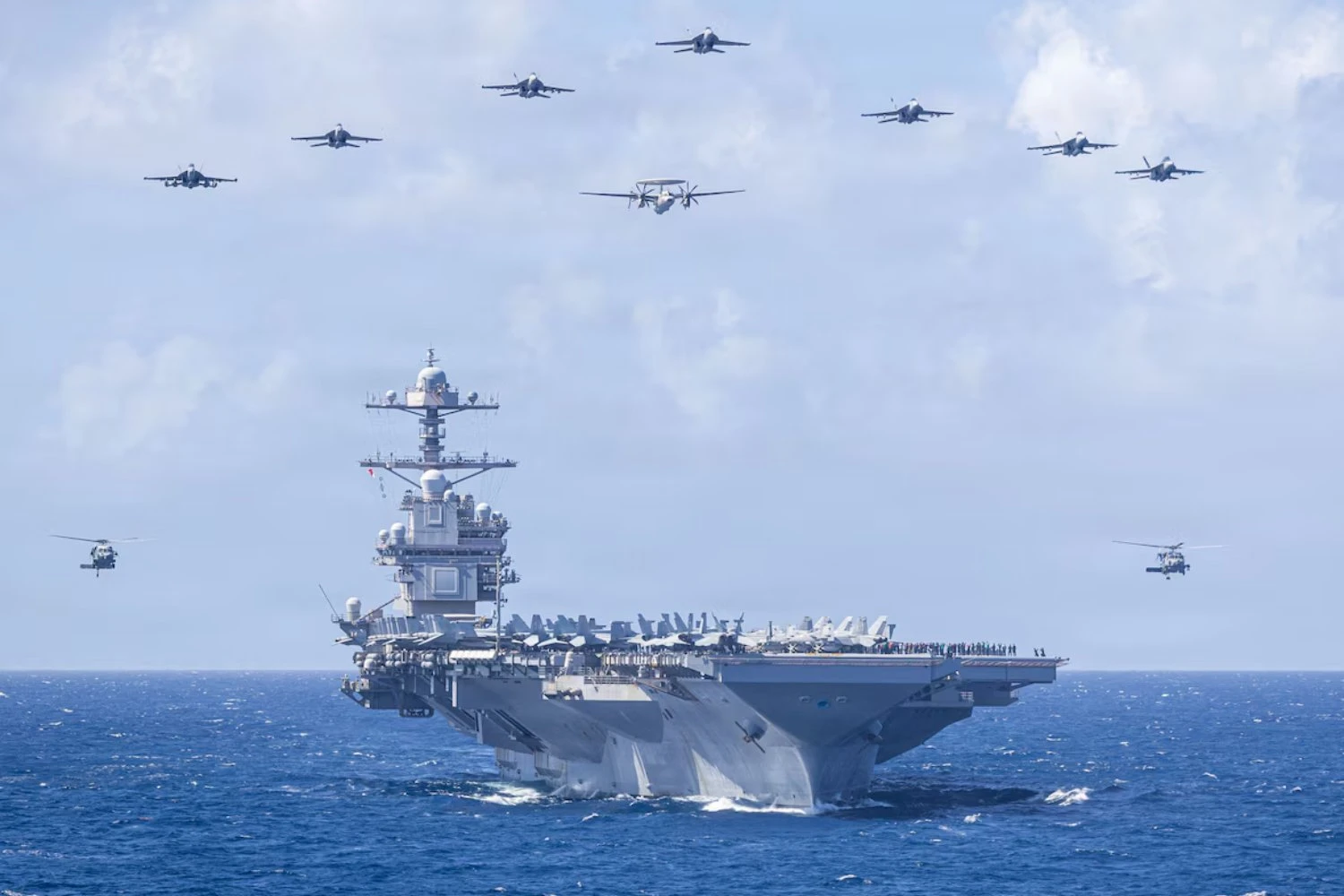
US$13 billion carrier
The estimated procurement cost of CVN 79 has risen to approximately US$13.2 billion. The fiscal 2026 budget included another US$150 million in cost-to-complete funding associated with the ship.
Kennedy was christened in December 2019 and first went to sea in January 2026 for Builder's Trials. Acceptance Trials followed as the Navy and shipbuilder tested propulsion, electrical, navigation and other ship systems.
The carrier is the second of the Ford class, which introduces electromagnetic aircraft launch and arresting systems, new weapons elevators, a redesigned flight deck and greater electrical generating capacity compared with the preceding Nimitz class.
Related news
September 15, 2026
August 25, 2026
CVN 79 will eventually replace USS Nimitz (CVN 68), the first ship of the previous carrier class, in the Pacific Fleet. Kennedy is planned to be homeported at Naval Base Kitsap-Bremerton in Washington state.
The Navy has not yet publicly identified the carrier air wing that will make Kennedy's first operational deployment, including which F-35C squadron will embark aboard the ship.
Before that can happen, Newport News Shipbuilding must complete the remaining construction work and the Navy must take final contractual delivery of CVN 79. The carrier will then continue through testing, certification and crew training before entering operational service.