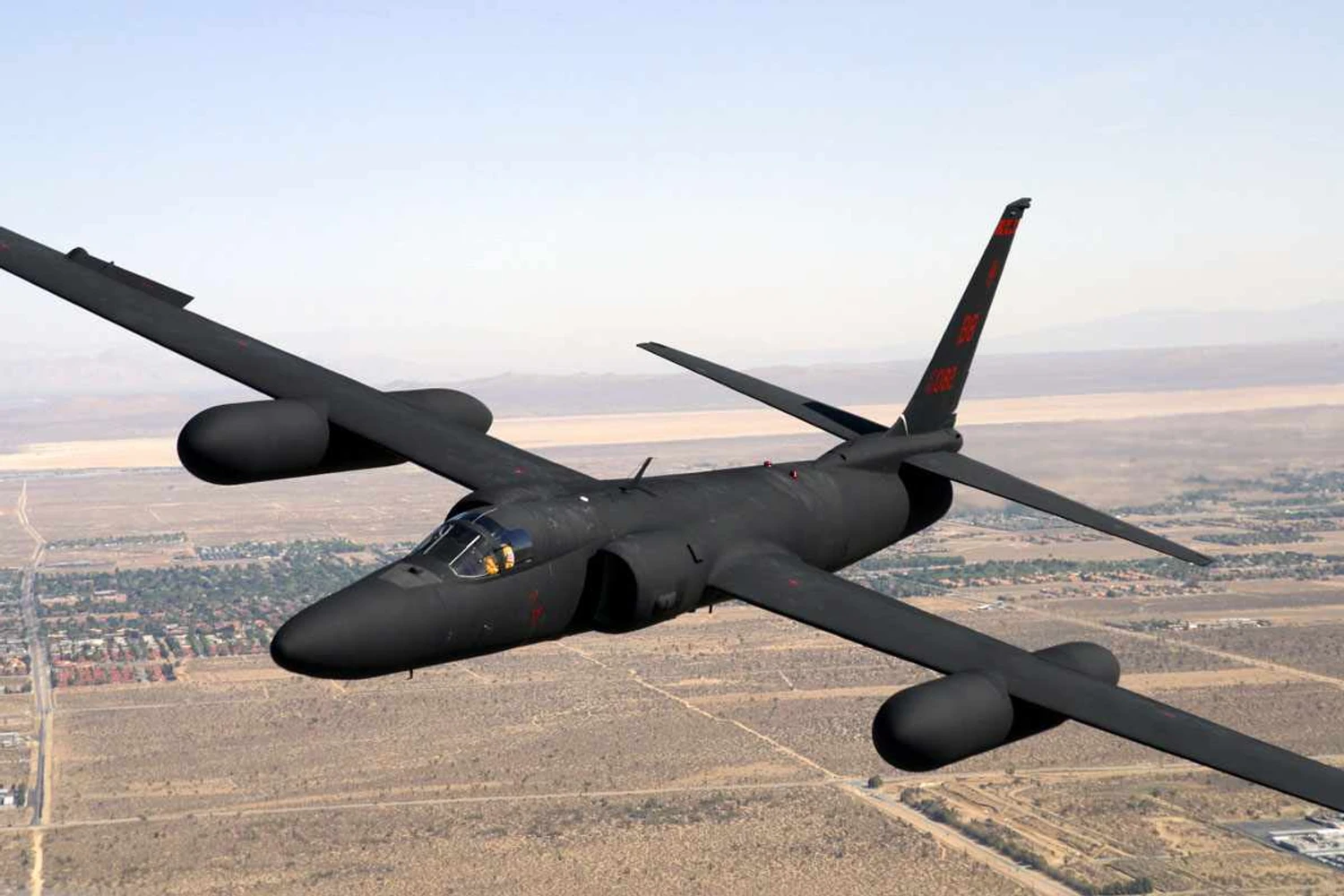
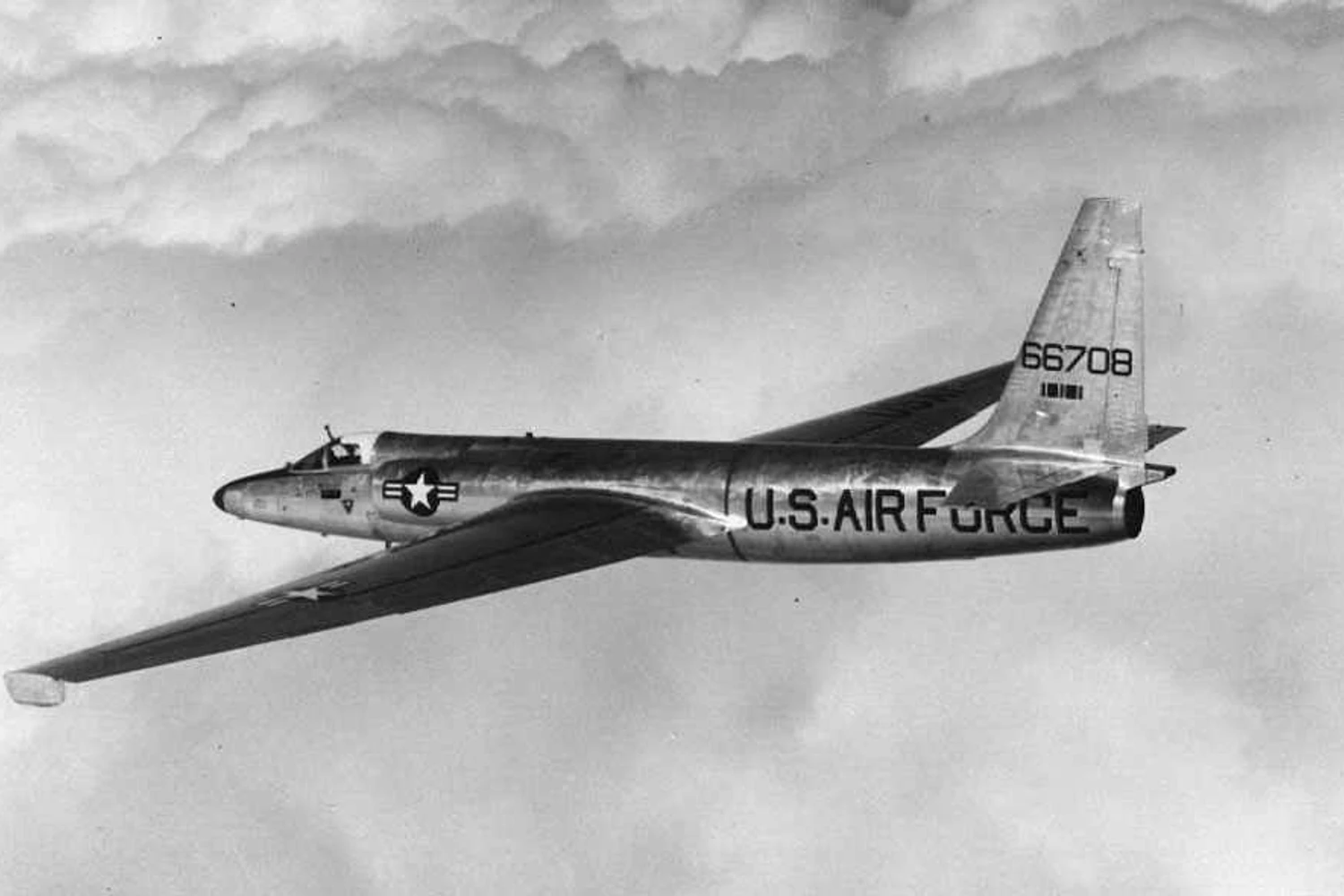
The US Congress is once again moving to preserve the US Air Force's fleet of U-2 Dragon Lady reconnaissance aircraft, setting up another clash with service leaders who want to retire the Cold War-era spy plane.
A draft fiscal 2027 defense spending bill released by the House Appropriations Committee would prevent the Air Force from retiring more than two U-2s during the budget cycle. The proposal also includes $81 million for programmed depot maintenance to restore four aircraft and increase the operational availability of the fleet.
The measure comes after the US Air Force requested funding to retire all 23 remaining U-2s and eliminate the program's operations and maintenance budget.
According to The War Zone, lawmakers have repeatedly blocked previous attempts to retire the aircraft amid concerns that existing and planned replacement systems are not yet ready to assume its missions.
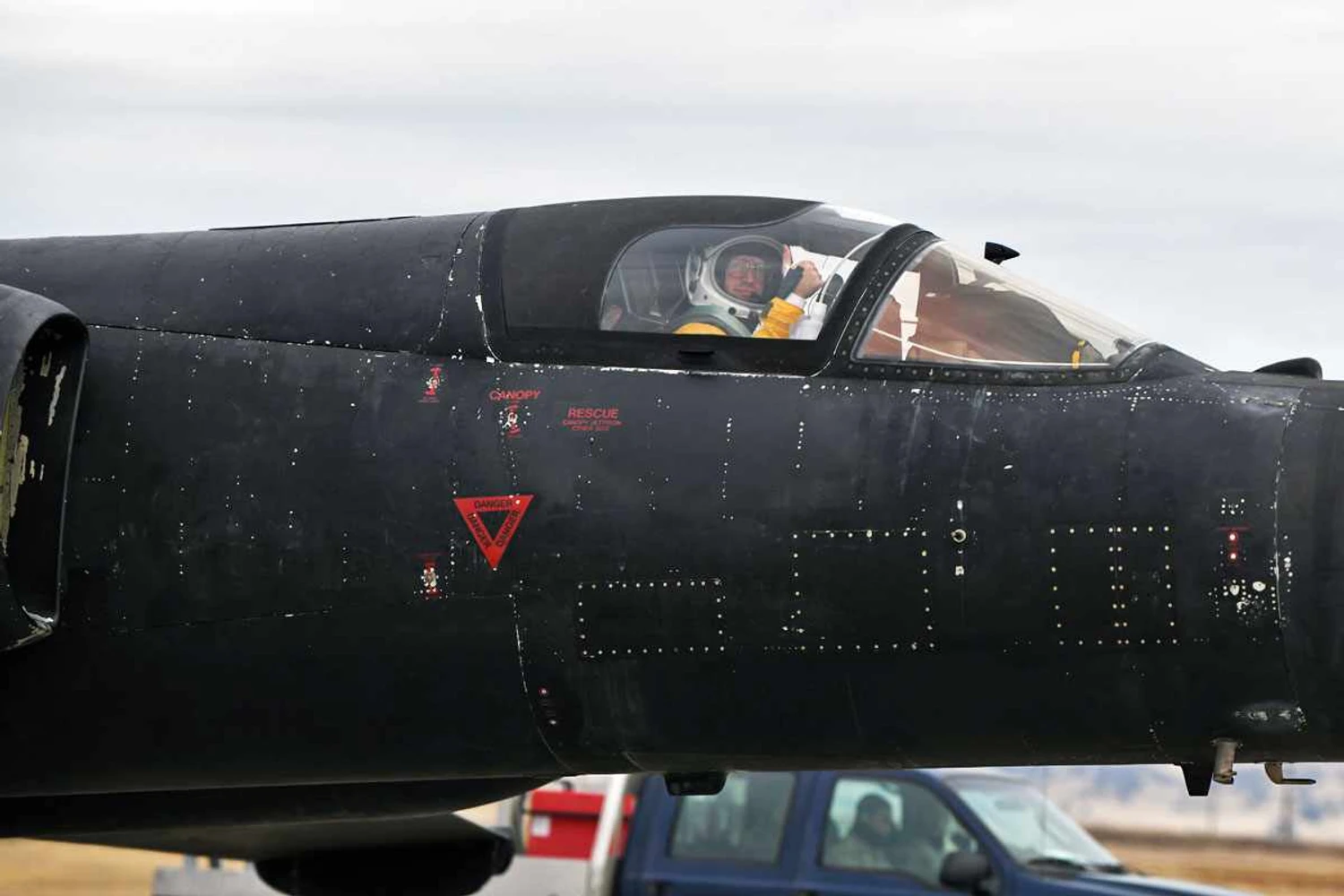
The USAF argues that the U-2 is increasingly vulnerable in future conflicts and has become more difficult and expensive to maintain. The current fleet consists of 20 single-seat U-2S aircraft and three two-seat trainers, all derived from airframes that entered service decades ago.
In budget documents released earlier this year, the service said continued operation of the fleet would require substantial investment to address aging aircraft, supply chain issues and safety concerns.
Congress, however, continues to view the Dragon Lady as a unique intelligence-gathering platform.
Related news
September 15, 2026
September 04, 2026
Capable of operating above 70,000 feet, the U-2 can carry a combination of imaging, signals intelligence and communications relay systems while remaining outside heavily defended airspace. The aircraft has also supported missions ranging from border surveillance and counter-narcotics operations to disaster response.
One factor behind congressional skepticism is uncertainty surrounding the platforms expected to replace the U-2.
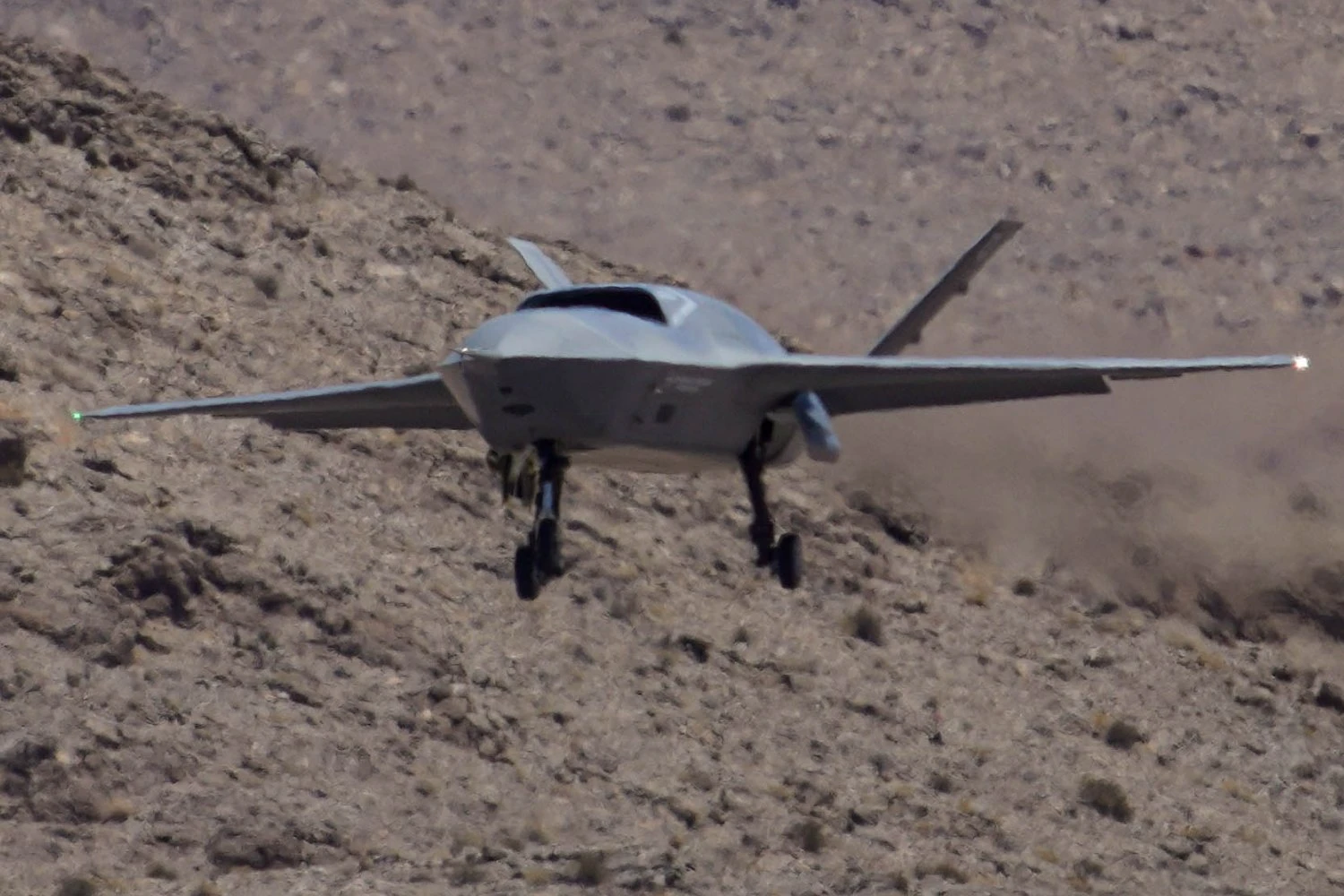
The Air Force has pointed to a future mix of advanced surveillance satellites and classified airborne systems. Among the candidates frequently mentioned is a stealthy high-altitude drone commonly referred to as the RQ-180, although officials have disclosed few details about its capabilities or fleet size.
The timing of those replacements remains a concern. The US Space Force is targeting 2028 for the initial deployment of new space-based surveillance capabilities, while details surrounding next-generation airborne intelligence platforms remain largely classified.
The latest proposal goes beyond simply preserving the fleet. Funding for four aircraft to undergo depot-level maintenance suggests lawmakers want to maintain operational capacity rather than allow the U-2 force to gradually shrink.
The legislation must still pass through Congress and be reconciled with a Senate version before becoming law. Previous efforts by the service to retire the Dragon Lady have repeatedly been scaled back or blocked during that process.
First flown in 1955, the U-2 remains one of the longest-serving military aircraft still in frontline U.S. service. More than seven decades after its debut, Congress appears unwilling to let the aircraft leave the inventory until a proven successor is available.