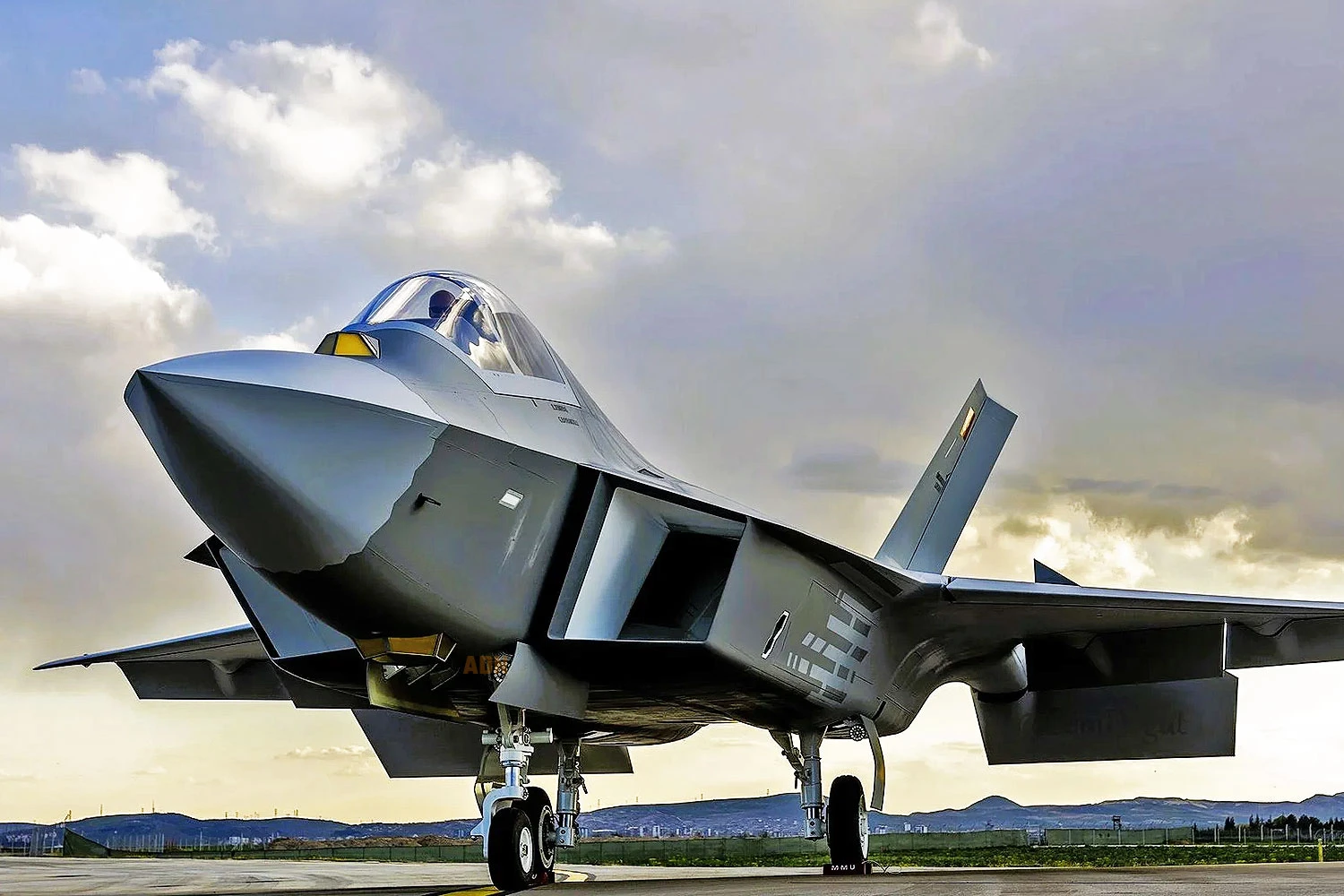
The United States is expected to move forward with the sale of General Electric F110 engines for Turkey's indigenous KAAN fighter, according to a Reuters report citing sources familiar with the matter.
The package, reportedly valued at more than $700 million, would provide the engines for the first production batches of the aircraft and is expected to be formally submitted to the US Congress in the coming days.
Related news

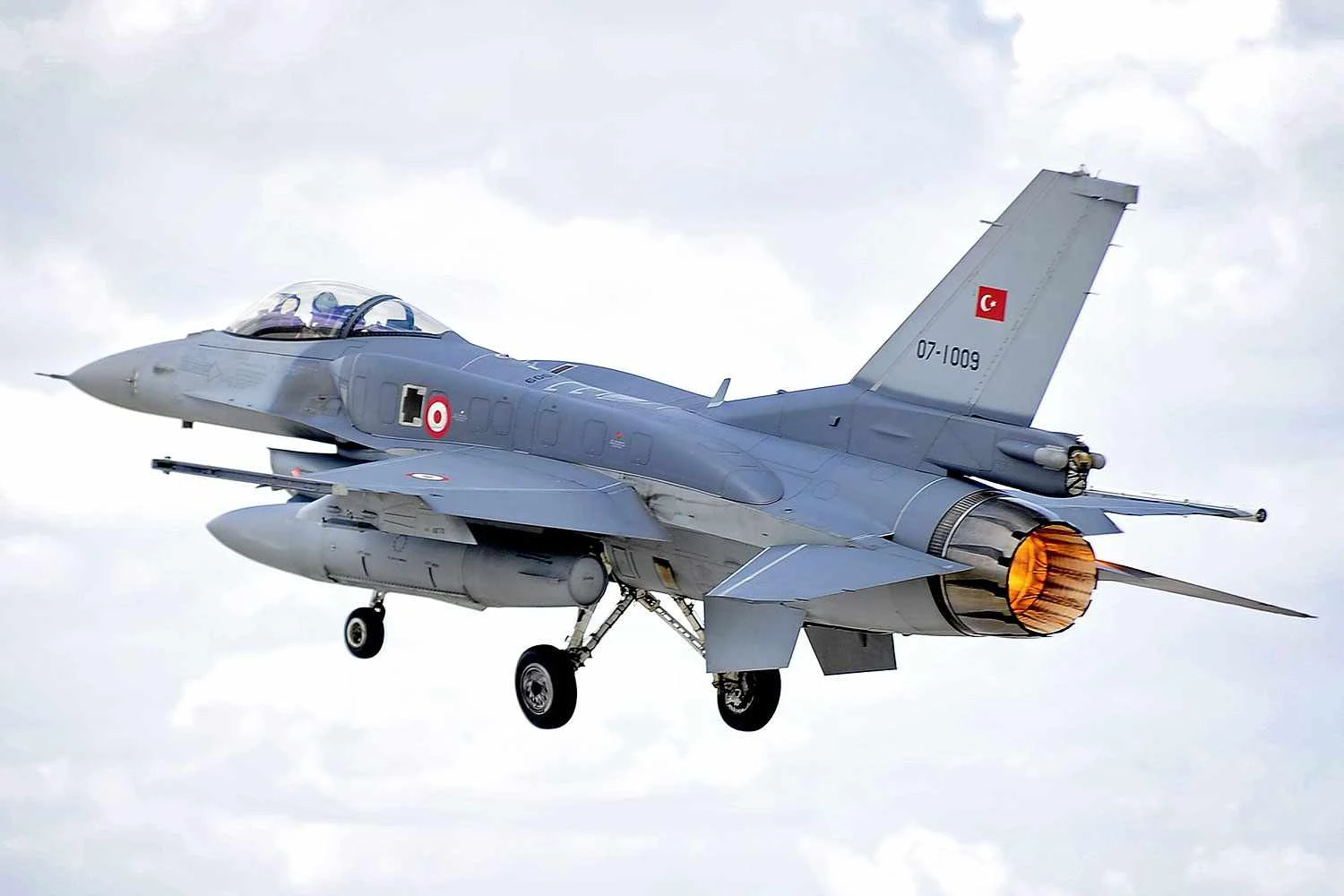
The engine sale is one of the most significant external components of the KAAN program, Turkey's fifth-generation fighter project led by Turkish Aerospace (TAI). The aircraft first flew in February 2024 and is intended to eventually replace the Turkish Air Force's fleet of F-16 fighters.
Powered by two GE F110 afterburning turbofan engines, the KAAN is considerably larger than the Lockheed Martin F-35 and has been designed with low-observable features, internal weapons bays and advanced avionics. The F110 is already widely used by aircraft including the F-15EX and several versions of the F-16.
TAI plans to begin delivering the first batch of 20 production aircraft to the Turkish Air Force in 2028. The company is also working on a domestically developed engine intended to power future production blocks.
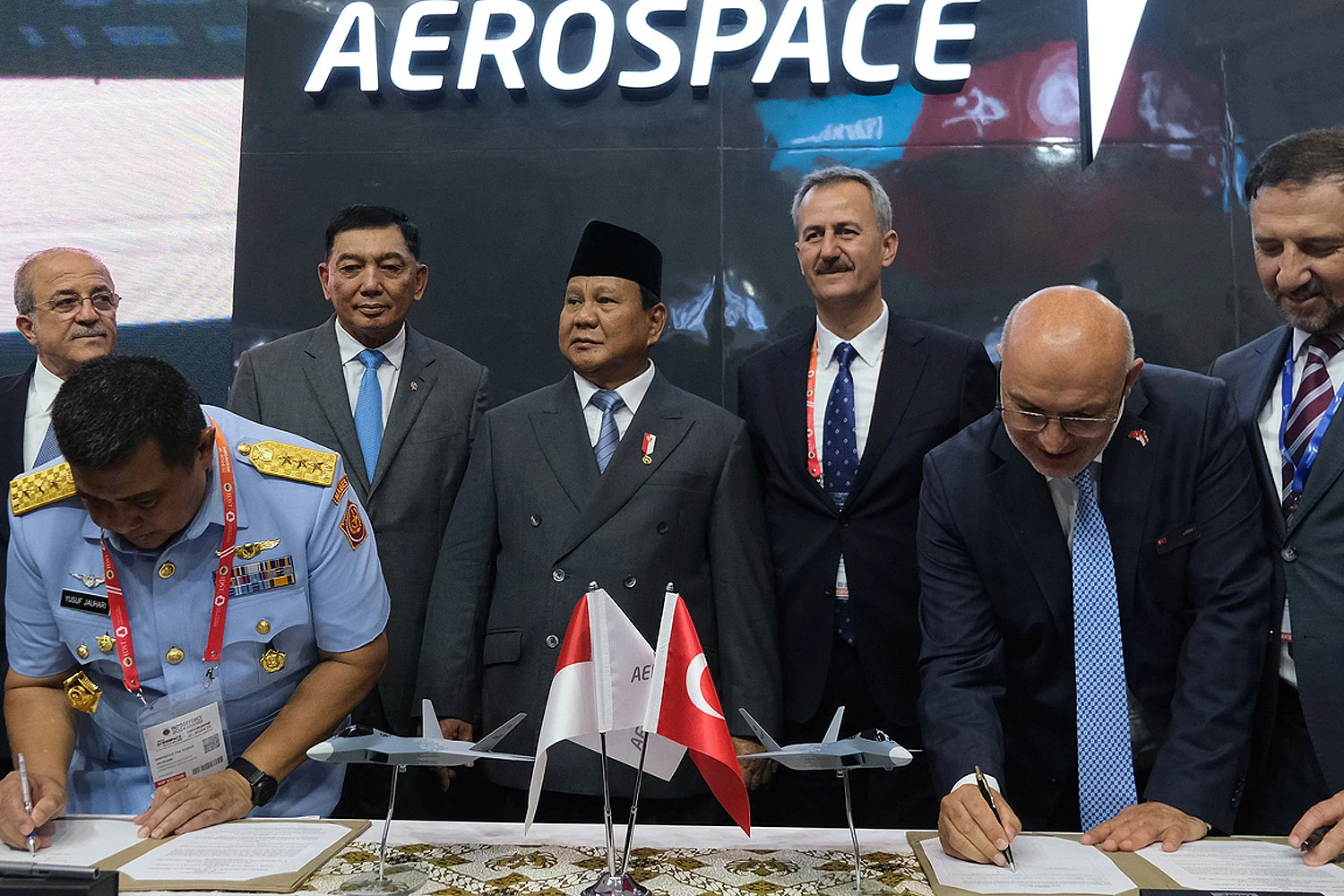
The KAAN has attracted interest beyond Turkey. Indonesia signed an agreement earlier this month covering the planned acquisition of the fighter, while Turkish officials have also identified several countries in the Middle East and Asia as potential export customers.
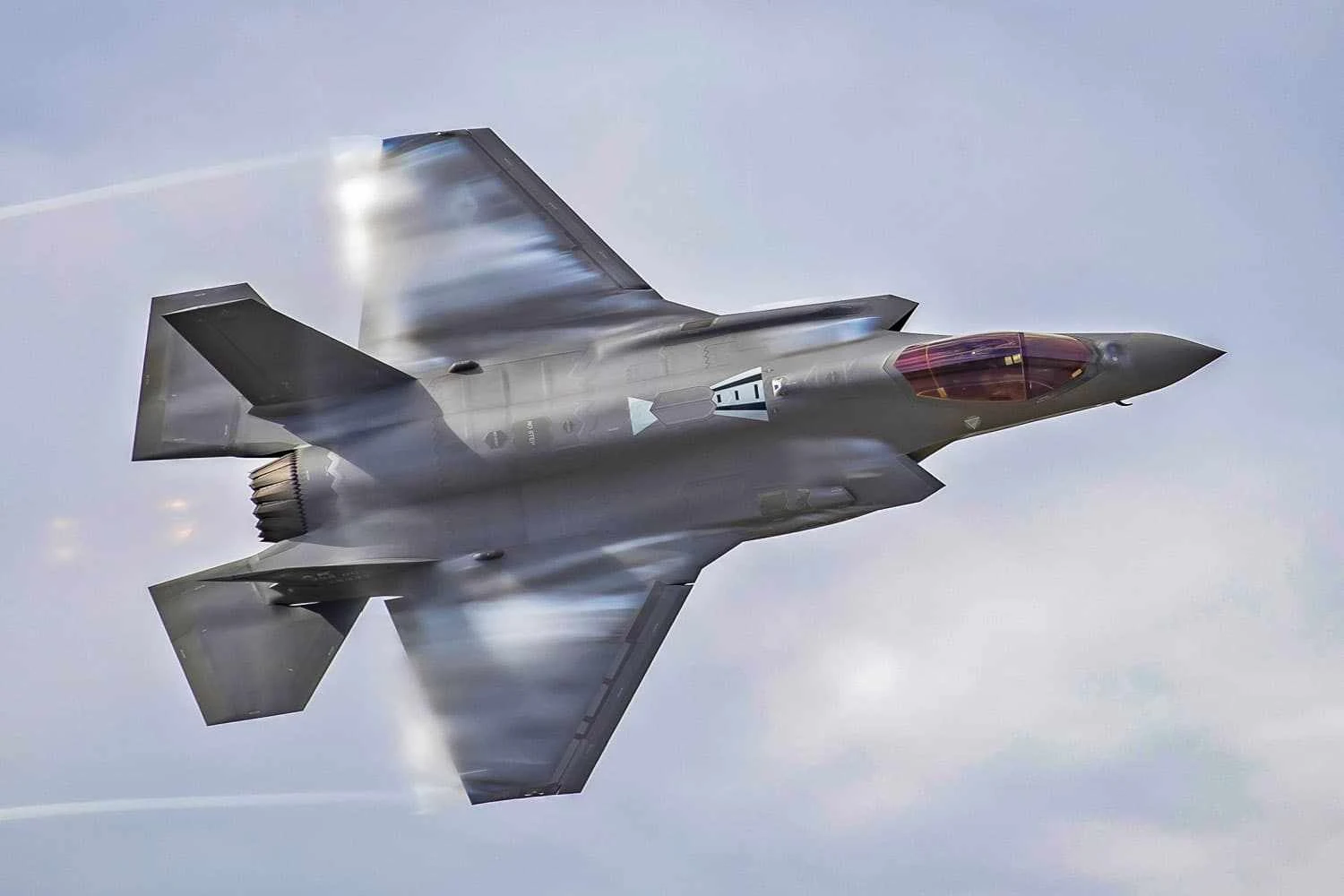
The reported US decision comes after years of uncertainty surrounding defense ties between Washington and Ankara following Turkey's removal from the F-35 program in 2019. While the engine approval would support the KAAN program, it does not alter Turkey's status outside the multinational stealth fighter project.
Neither the US State Department nor the Turkish government has officially confirmed the proposed engine sale. Reuters reported that congressional objections remain, although the Trump administration intends to proceed with the approval.