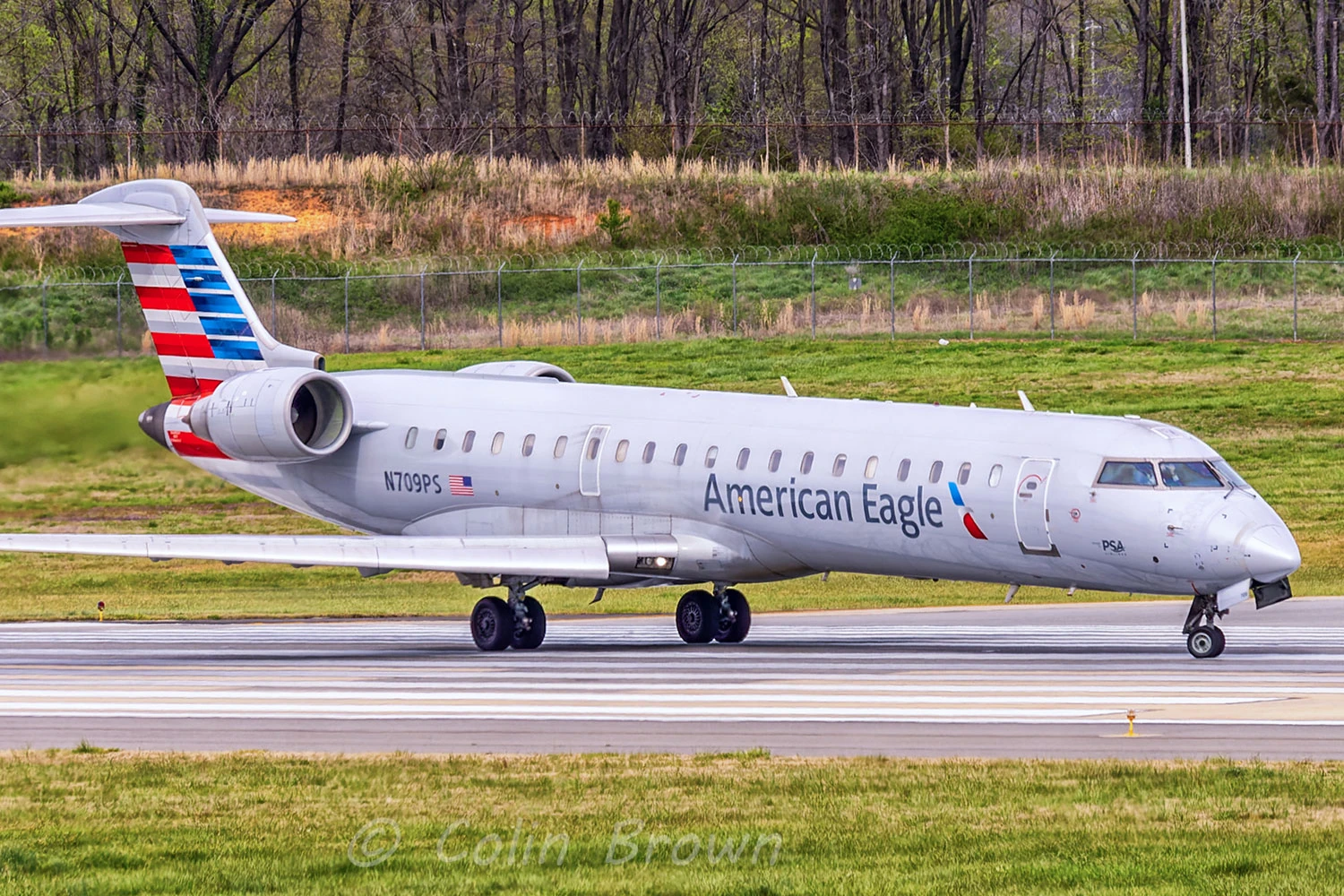
The fatal midair collision between an American Eagle CRJ-700 regional jet and a U.S. Army Black Hawk helicopter near Ronald Reagan Washington National Airport in January 2025 has sparked a dispute between the Federal Aviation Administration (FAA) and the National Transportation Safety Board (NTSB) over cockpit traffic-alert technology.
The NTSB has recommended that the FAA mandate ADS-B In for all aircraft operating in airspace where ADS-B Out is already required. ADS-B In enables pilots to receive real-time information about nearby aircraft on cockpit displays, which the NTSB says could help prevent similar accidents. The board also called for the same requirement to apply to military aircraft in US airspace.
Related news
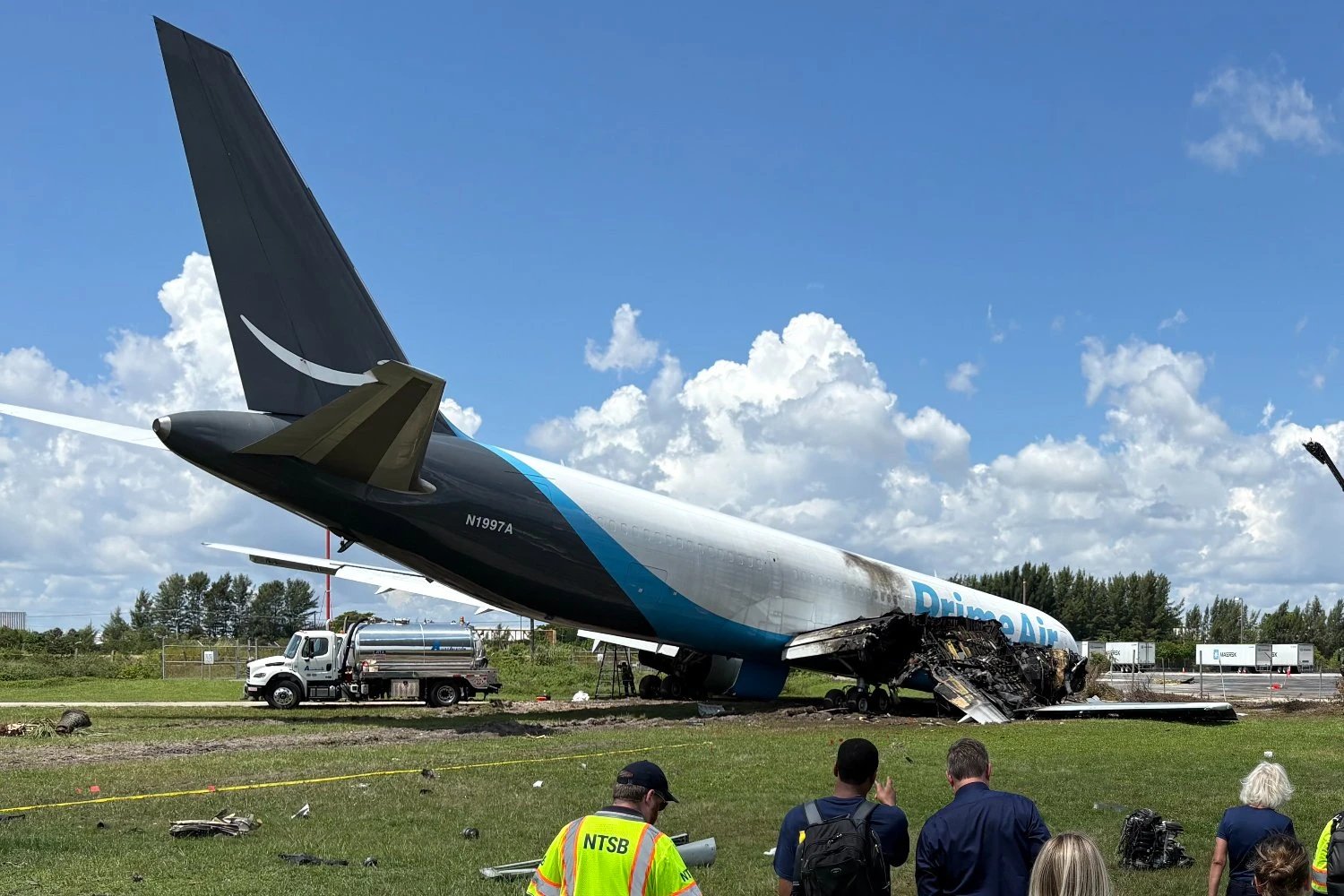
September 14, 2026
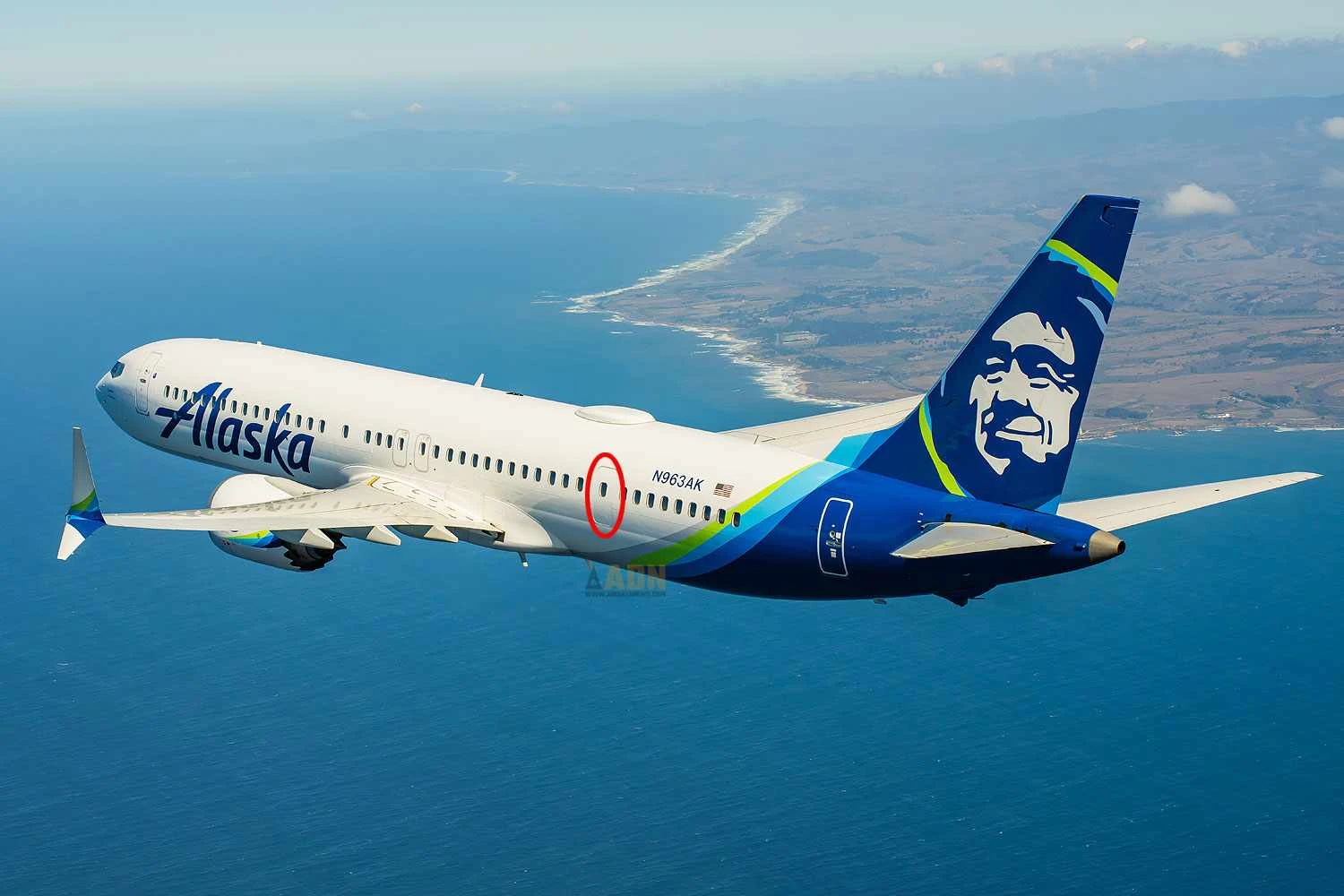
September 03, 2026
FAA officials have expressed support for enhanced cockpit technology but have raised concerns about the cost of retrofitting existing fleets and potential technical challenges. According to the agency, implementing an ADS-B In mandate would likely require congressional approval. Estimates suggest that equipping an aircraft with ADS-B In could cost $50,000 or more, depending on the model and existing avionics.
Some US airlines have begun voluntarily installing ADS-B In. American Airlines has equipped over 300 Airbus A321s and is working to add the system to its Boeing 737 fleet. United Airlines reports that its new widebody deliveries include ADS-B In, and the carrier is considering retrofits for other aircraft types.
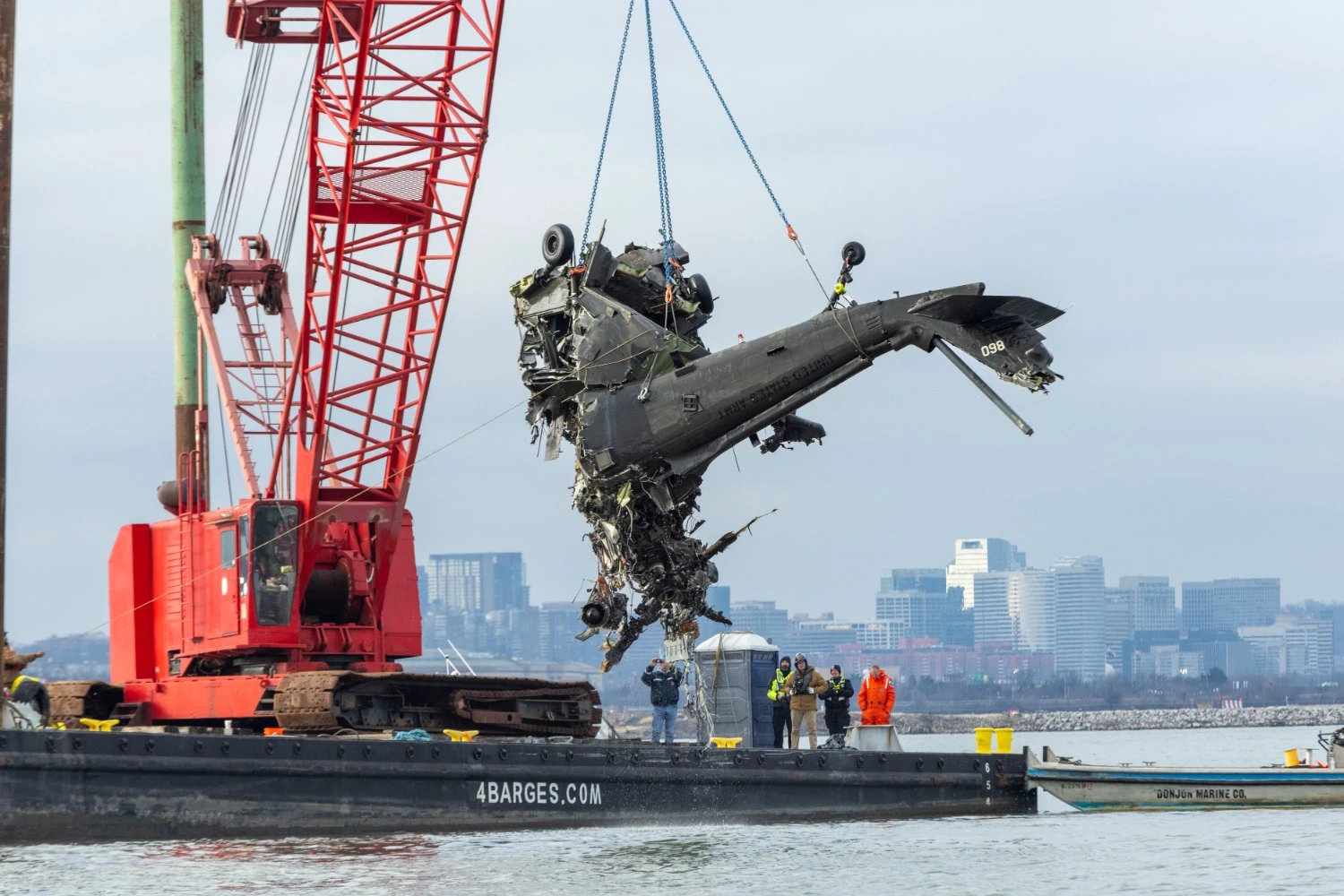
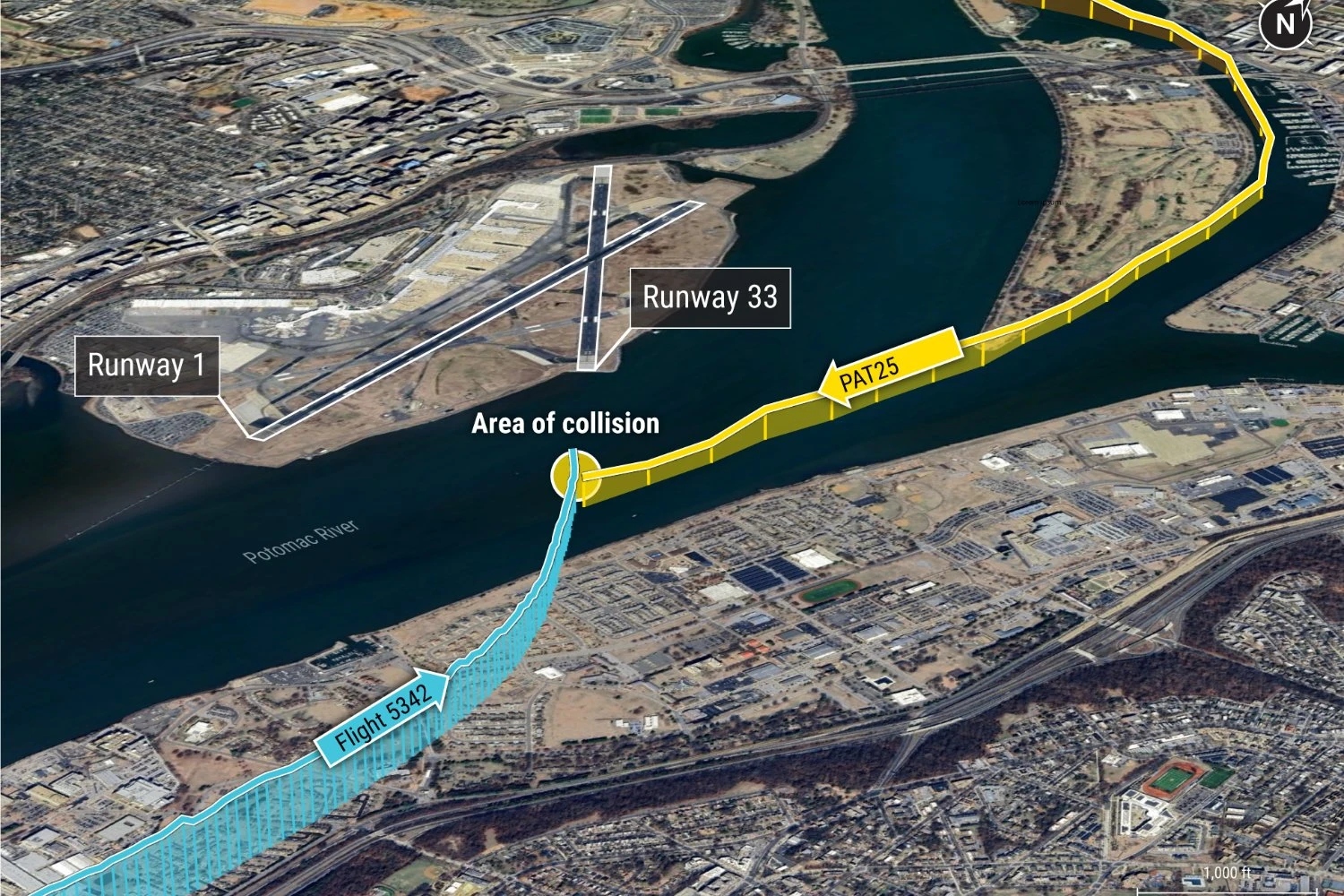
The January 29, 2025, collision involved a PSA Airlines CRJ-700 operating as American Eagle Flight 5342 and a US Army UH-60L Black Hawk helicopter over the Potomac River. All 64 people on the regional jet and three military personnel aboard the helicopter died. The NTSB stated that cockpit alerts from ADS-B In could have provided the flight crew with advance warning before the crash.
Congress is now considering legislative proposals that address cockpit alert technology. A Senate version would require more comprehensive retrofitting, while a House bill would give operators more flexibility. The NTSB has criticized the House approach, arguing it does not fully address the board’s recommendations.
FAA and NTSB officials met in May to discuss the issue further. The outcome of the mandate debate remains uncertain as industry, regulators, and lawmakers weigh safety benefits against cost and operational impacts.