The US Air Force (USAF) is pulling a KC-135 Stratotanker out of long-term storage at the Davis-Monthan boneyard in Arizona to replace a tanker destroyed in a crash earlier this month, military officials confirmed. The move is a standard procedure to keep the fleet at required readiness levels, according to a report by Air and Space Forces.
The replacement tanker was stored at the 309th Aerospace Maintenance and Regeneration Group (AMARG), the sprawling desert facility that preserves and recycles retired aircraft. The Air Force regularly draws aircraft from storage to backfill losses or bolster inventory.
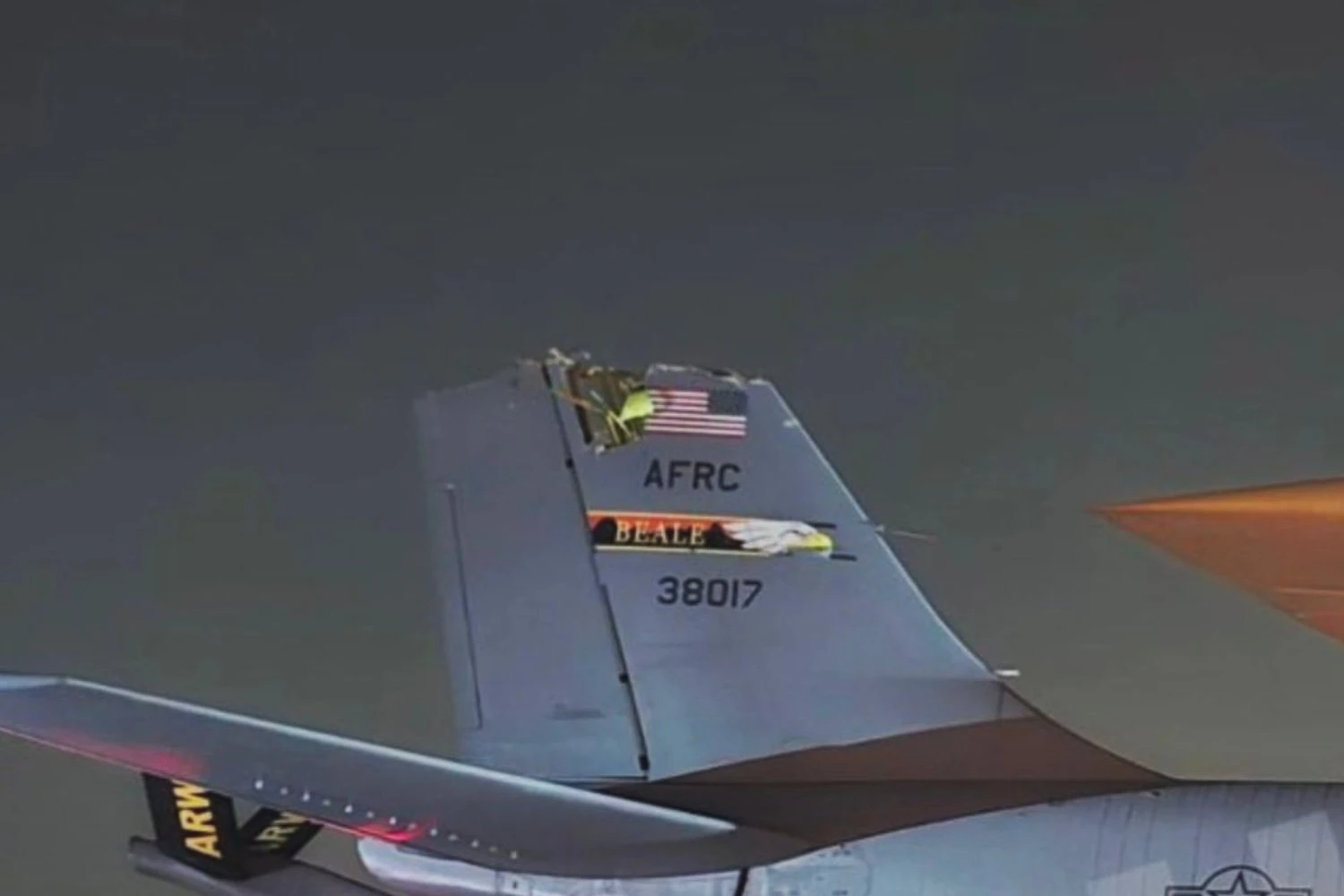
The aircraft being recovered is intended to replace a KC-135 lost after a mid-air collision with another aerial refueling aircraft of the same type.
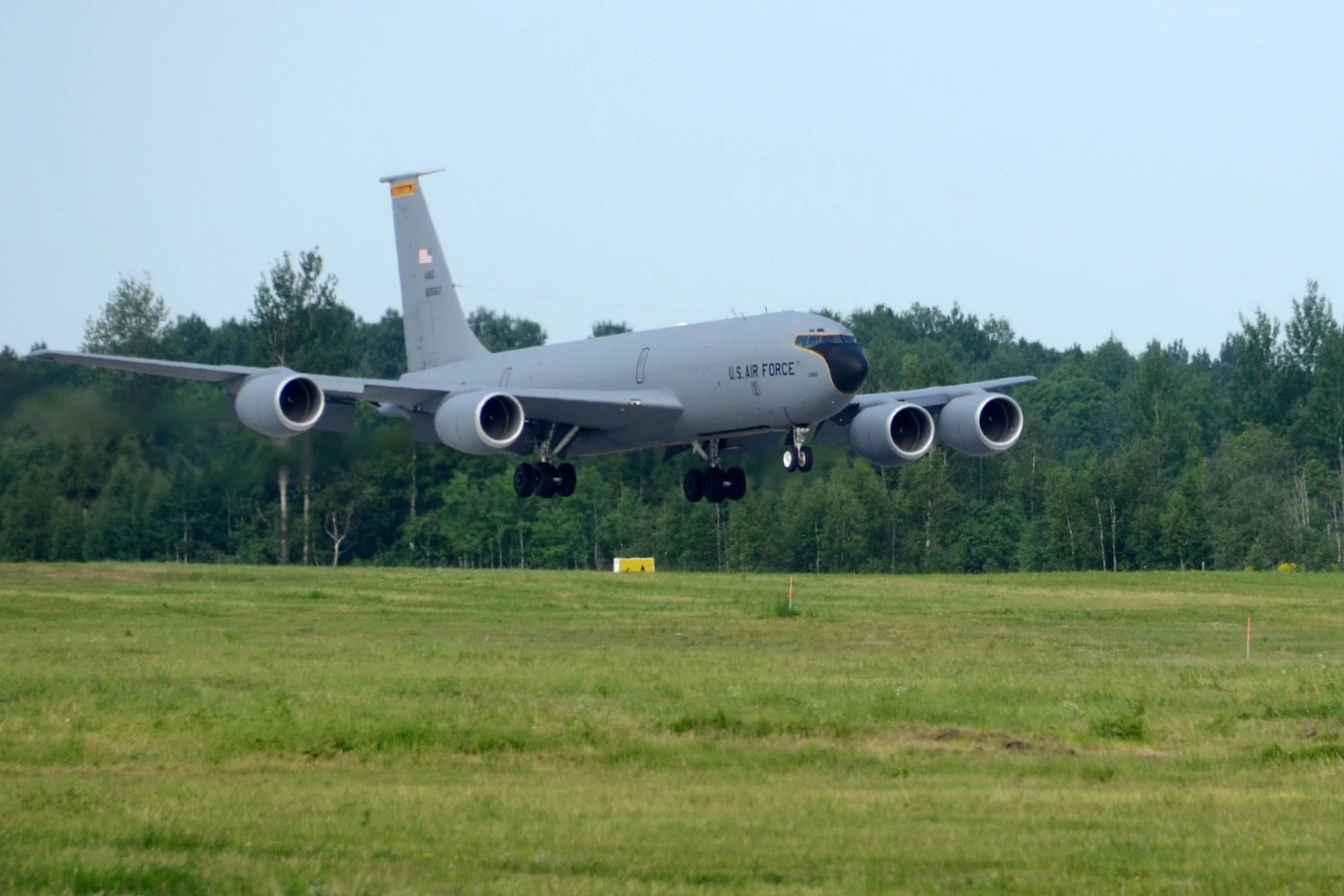
The KC-135 fleet, which entered service in the 1950s, remains the backbone of the Air Force’s air-refueling capability. The service operates around 400 Stratotankers, but the fleet faces growing strain from age and maintenance demands.
Related news
September 21, 2026
September 21, 2026
The boneyard draw comes as lawmakers on Capitol Hill are pushing to restrict KC-135 retirements, citing persistent issues with the newer KC-46 Pegasus tanker. A legislative proposal introduced in March would bar the Air Force from retiring any KC-135s until the KC-46 achieves full operational capability and meets reliability benchmarks.
The bill also requires that decommissioned KC-10 Extender tankers remain flight-ready if needed. The move reflects congressional concern over the pace of the tanker replacement program, which has been plagued by development delays and technical deficiencies.
The Air Force has acknowledged the KC-46’s shortcomings, including problems with its remote vision system and cargo-handling capability, but insists the aircraft is safe for refueling missions. Nevertheless, the KC-135 continues to carry the bulk of the service’s refueling sorties, including recent operations in the Middle East.
The boneyard extraction is expected to take several weeks, after which the refurbished tanker will undergo flight checks before returning to active service.