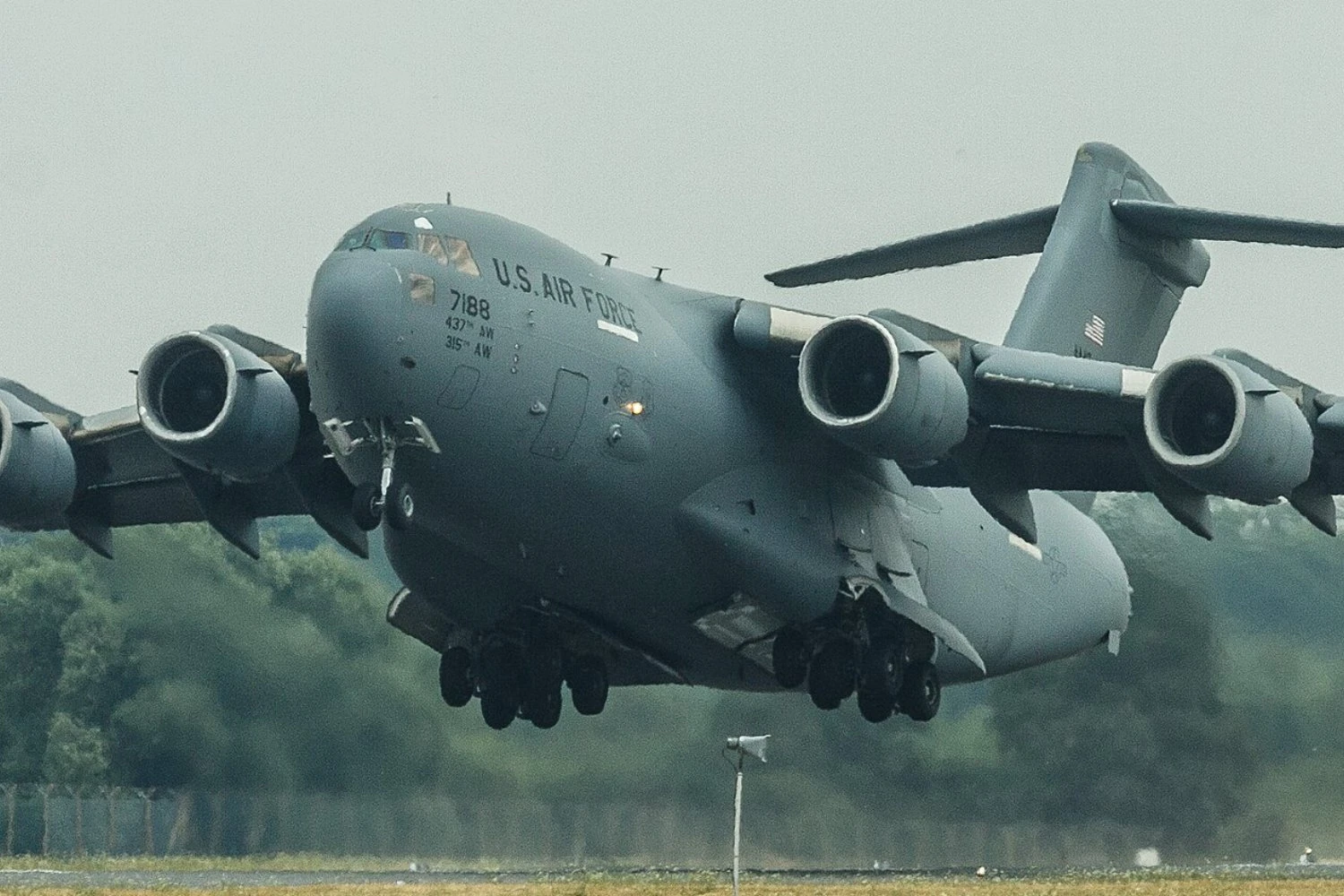
The US Air Force is preparing to use its Boeing C-17 Globemaster III transport aircraft as cruise missile launch platforms, a capability that senior commanders say is approaching operational deployment after years of testing.
Speaking at the Airlift/Tanker Association's annual symposium in Kissimmee, Florida, on November 6, Air Force Chief of Staff Gen. Kenneth Wilsbach said the service was enthusiastic about equipping its transport fleet with palletized missiles. His remarks were reported by Air & Space Forces Magazine, which covered the event.
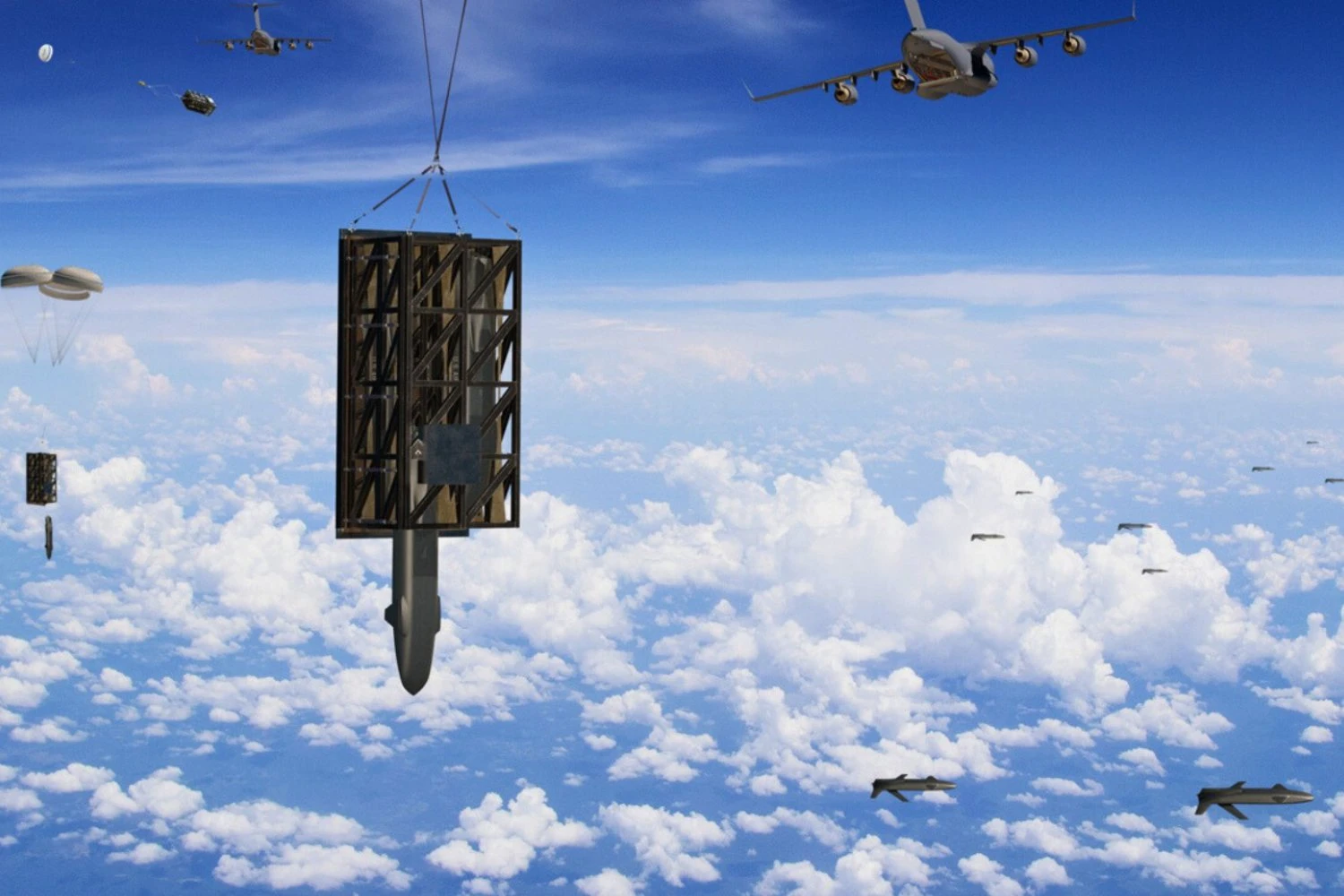
The concept would allow C-17s and C-130 Hercules aircraft to launch cruise missiles from their cargo compartments without permanent modifications. Rather than using conventional missile launchers, the weapons would be carried in specialized containers mounted on standard cargo pallets.
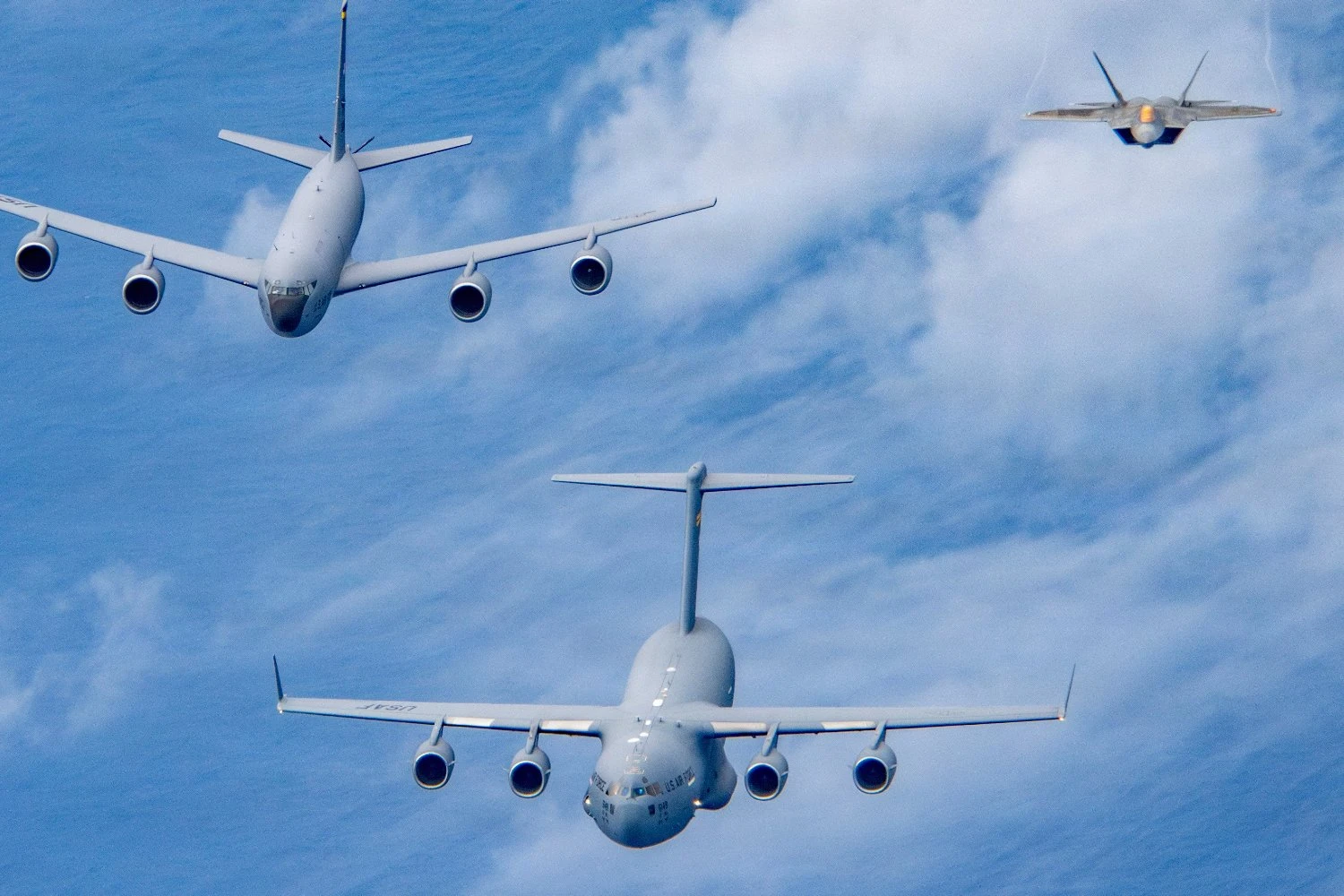
Air Mobility Command chief Lt. Gen. Daniel Tulley also addressed the capability at the symposium, describing how transport aircraft could deliver large numbers of missiles against enemy targets. The approach would give the Air Force additional strike capacity without relying exclusively on fighters and bombers.
From Rapid Dragon to Dragon Cart
The project originated with Rapid Dragon, an Air Force Research Laboratory program launched in 2019 to investigate the use of transport aircraft as missile carriers. The concept has also drawn interest overseas, including a Japanese proposal to arm the Kawasaki C-2.
Follow Air Data News: WhatsApp | Instagram | LinkedIn | Twitter | Facebook
Under the system, a pallet carrying multiple missiles is released through the aircraft's rear cargo ramp. A parachute stabilizes the container before the weapons separate, ignite their engines and fly toward their designated targets.
The Air Force demonstrated the concept with the C-17 and C-130 during earlier trials. Experiments included a nine-missile configuration for the C-17 and a six-missile arrangement for the C-130, although these should not be confused with the final operational capacity of the new system.
In April, the Air Force formally established Dragon Cart as a program of record, transferring responsibility to the Air Force Life Cycle Management Center. The service plans to introduce the capability in 2027, although an operational deployment date has not been confirmed.
Thousands of cheaper missiles planned
The latest development involves the Family of Affordable Mass Missiles (FAMM), a program intended to provide large numbers of lower-cost weapons.
The palletized version, designated FAMM-P, is being developed specifically for deployment from transport aircraft. A separate variant, FAMM-L, is intended for carriage by combat aircraft.
Related news
November 05, 2026
Wilsbach said the palletized weapon would cost approximately one-tenth as much as an AGM-158 JASSM cruise missile. He also indicated that production lead times could be measured in months rather than years.
According to budget documents cited by Air & Space Forces Magazine, the Air Force has requested $355 million to procure 1,000 FAMM weapons in fiscal 2027. Its longer-term projections envisage approximately 28,000 missiles over five years, with an estimated expenditure of $12.6 billion.
Those figures cover the FAMM program rather than an exclusive allocation to C-17 aircraft. The number of missiles ultimately carried by each transport aircraft will depend on the weapon configuration and operational requirements.
The proposed strike role comes as Boeing has also studied a stealth transport aircraft concept as a potential successor to existing military airlifters.
