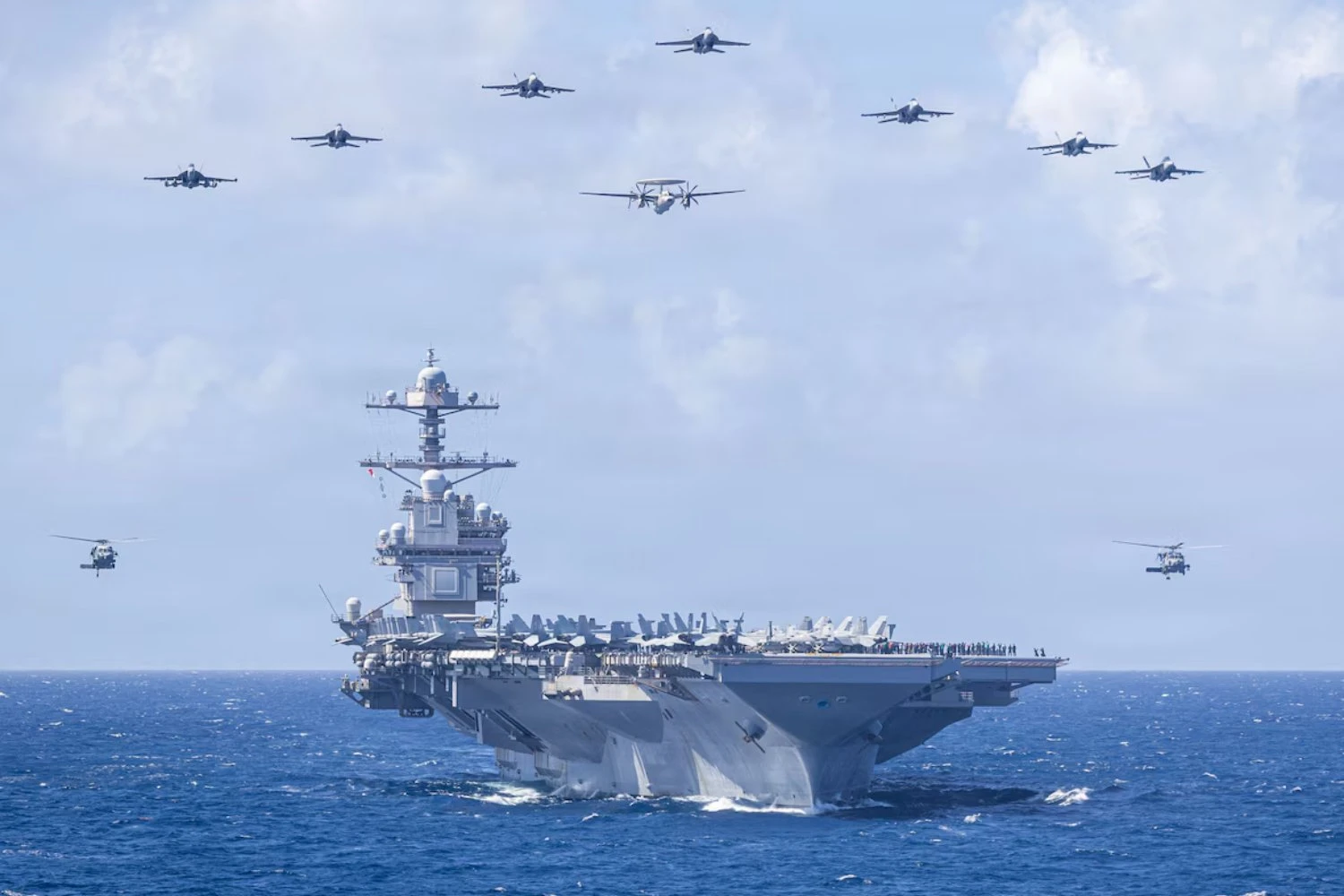
U.S. President Donald Trump has ordered the Pentagon to develop a plan to replace the electromagnetic catapults planned for the future USS Doris Miller with steam-powered equipment, potentially reversing one of the main technological changes introduced with the Gerald R. Ford class.
Trump signed a national security memorandum on August 13 that gives the Pentagon 60 days to determine what would be required to replace the Electromagnetic Aircraft Launch System (EMALS) aboard CVN-81. The directive also calls for a study of replacing the carrier's Advanced Weapons Elevators with hydraulic systems.
Follow Air Data News: WhatsApp | Instagram | LinkedIn | Twitter | Facebook
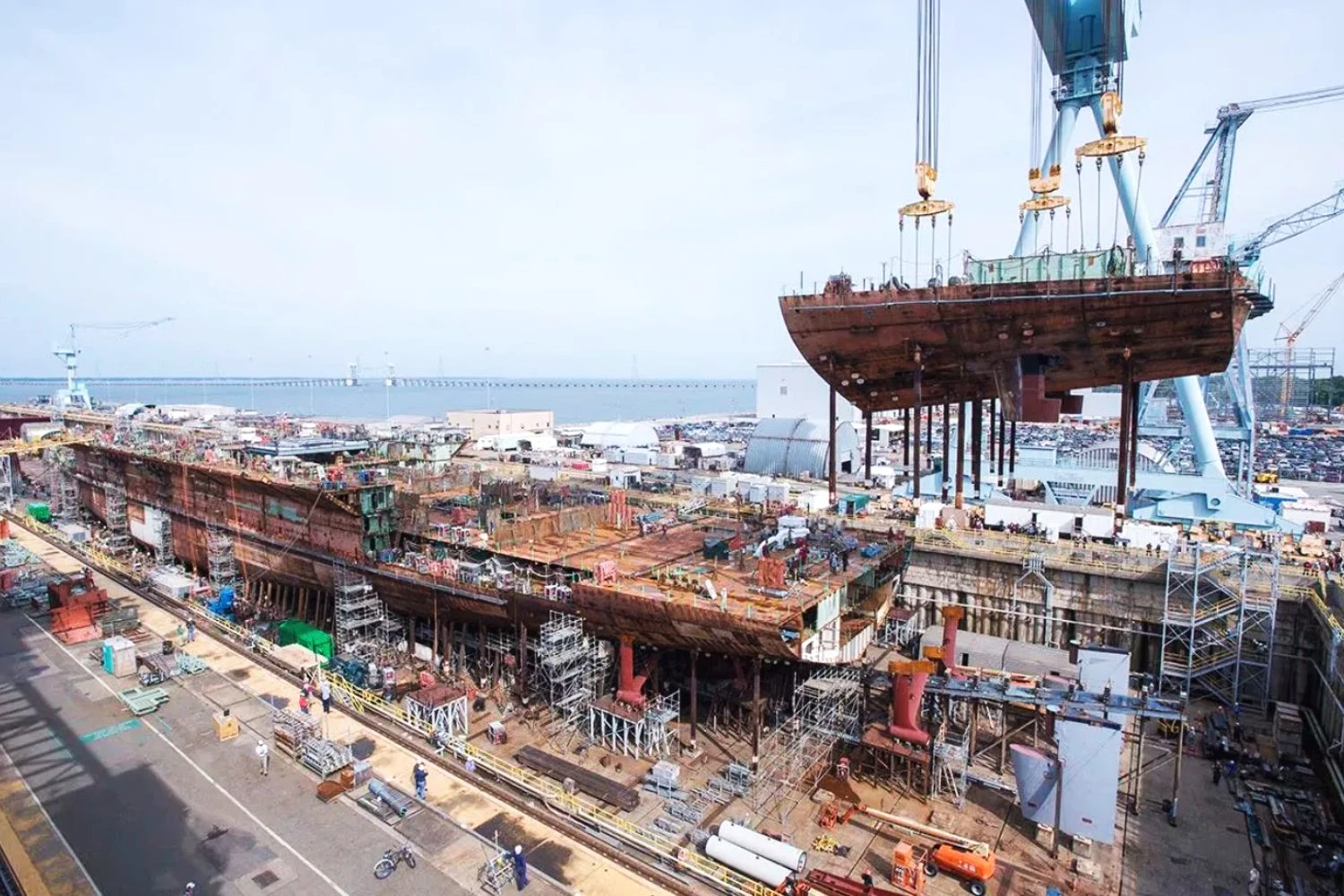
Doris Miller is the fourth Ford-class carrier and is already under construction. The order therefore raises a fundamental engineering question: whether a ship designed from the outset around electrical systems can realistically be converted to technology used aboard the older Nimitz class without major delays and additional costs.
Trump's opposition to EMALS is hardly new. He has complained publicly about electromagnetic catapults since 2017, during his first term, when USS Gerald R. Ford was struggling with technical problems that delayed its introduction into operational service.
His argument has remained largely unchanged. Trump considers steam catapults simpler, easier for sailors to repair at sea and less dependent on specialized electronics. He has repeatedly cited conversations with Navy personnel who, according to his account, told him they preferred steam because mechanical problems could be repaired aboard the ship without the technical complexity associated with EMALS.
In 2017, Trump described the electromagnetic system as too complicated and expensive and said the Navy should return to "goddamned steam." He has repeated variations of the same story almost every year since then.
Related news
September 15, 2026
August 25, 2026
There was a technical background to his criticism at the time. EMALS had significant reliability problems during development. Together with difficulties involving the new Advanced Arresting Gear and weapons elevators, the system contributed to the troubled introduction of USS Gerald R. Ford.
But the technology Trump criticized in 2017 is now operational. Ford has conducted tens of thousands of electromagnetic launches, including during extended deployments, and the Navy has continued installing the system aboard subsequent ships of the class.
The question is therefore no longer whether the Navy should have selected EMALS when it designed the Ford class more than two decades ago. Trump's order asks the service to reconsider that choice after the development costs have already been absorbed and the technology has entered operational use.
Why EMALS replaced steam
Aircraft carriers need catapults because conventional carrier aircraft cannot accelerate to flying speed within the available deck length using engine thrust alone.
Nimitz-class carriers use steam produced by their nuclear propulsion plants. High-pressure steam drives a piston connected to the aircraft through a shuttle in the flight deck, accelerating the jet along the catapult track.
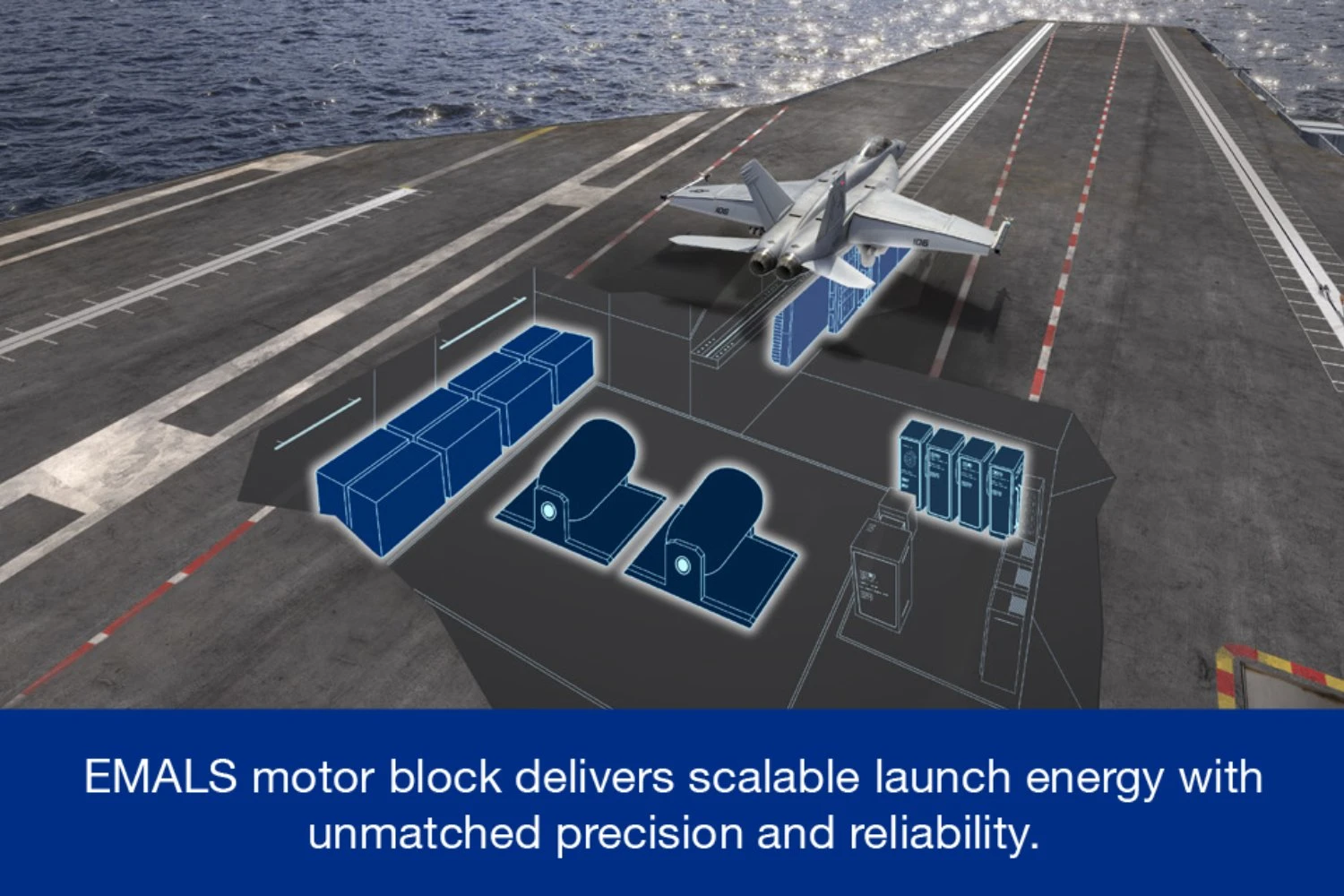
EMALS replaces that arrangement with linear electromagnetic motors. Electrical energy produces the force that accelerates the shuttle and aircraft.
One advantage is much more precise control of acceleration. The system can adjust the amount and delivery of energy according to the aircraft's weight and characteristics instead of relying on steam pressure.
Recent news
September 21, 2026
September 21, 2026
September 21, 2026
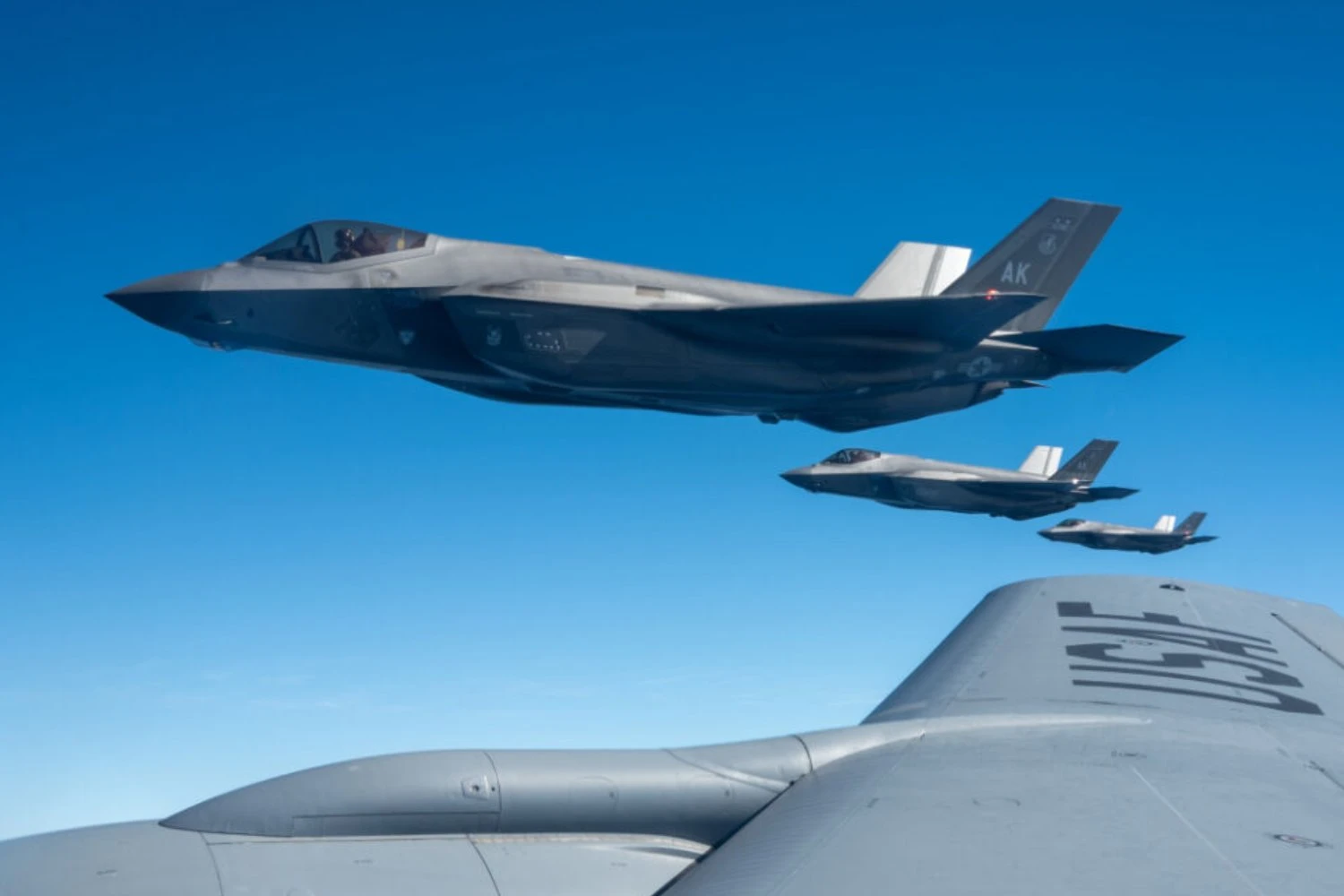
That can reduce loads on the aircraft during launch and gives the carrier a larger operating envelope. A heavy F/A-18E/F Super Hornet or F-35C requires considerably more launch energy than a smaller unmanned aircraft.
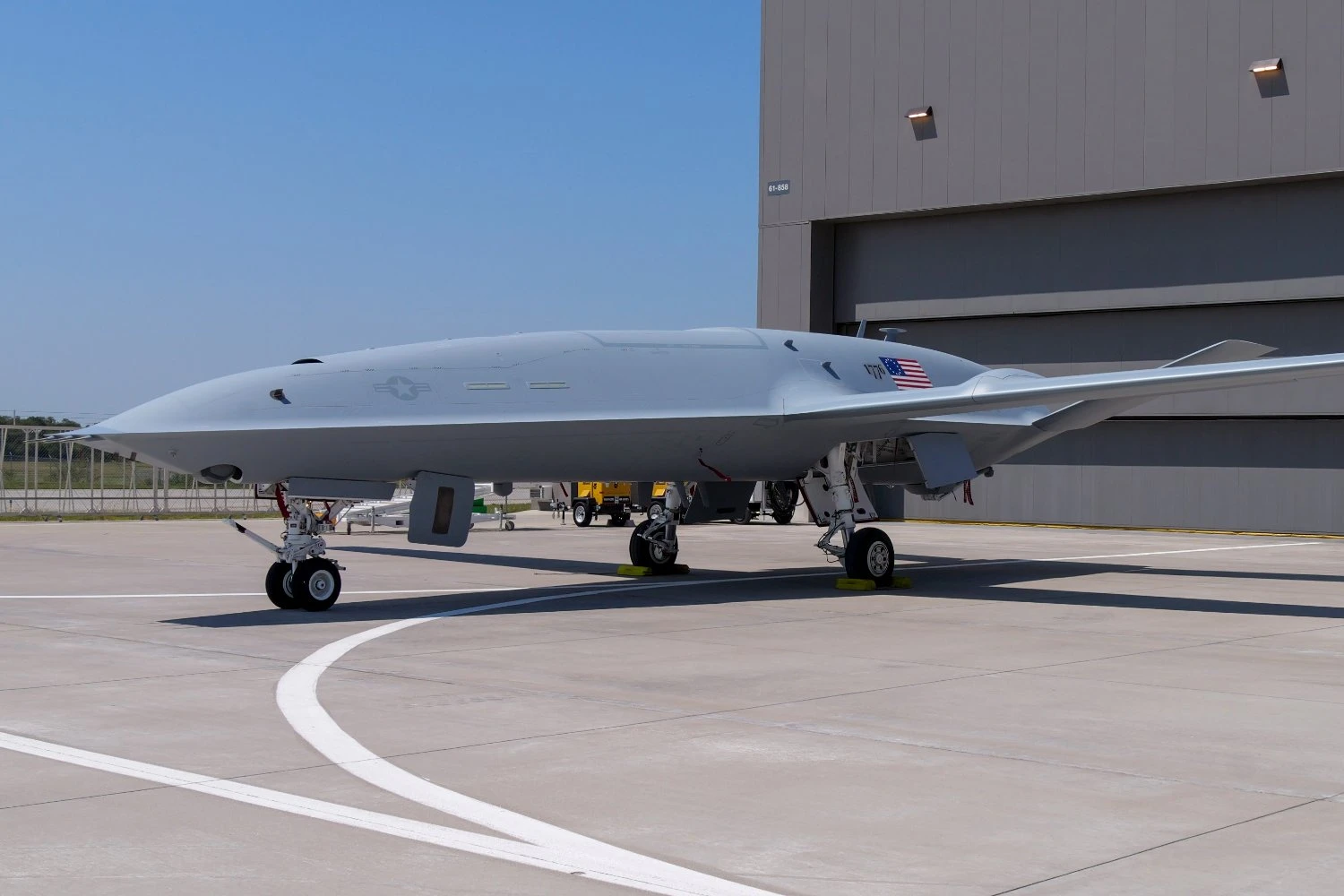
This capability has become more relevant as the Navy prepares to introduce the Boeing MQ-25 Stingray tanker and considers other carrier-based unmanned aircraft. Future carrier air wings could contain aircraft with considerably different weights and launch requirements.
EMALS was designed in part to accommodate precisely this evolution.
Difficult conversion
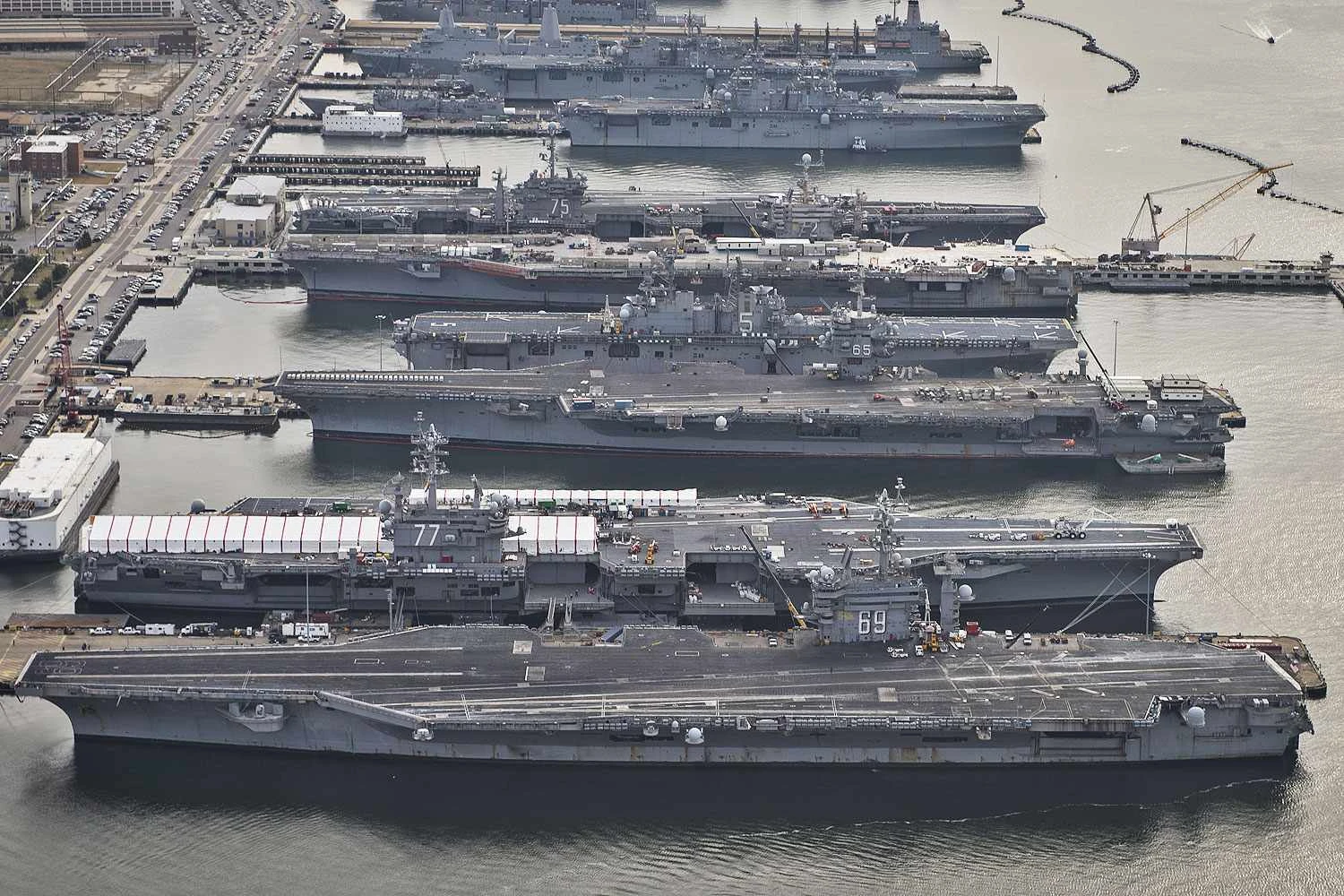
The problem with Trump's proposal is that steam and EMALS are not interchangeable pieces of flight-deck equipment.
The Ford class was designed around substantially greater electrical generation than the Nimitz class. Its two A1B nuclear reactors supply the power required by EMALS and other electrical systems aboard the ship.
A steam catapult requires a different infrastructure. Steam must be taken from the propulsion plant and routed through large pipes to the catapult machinery, with additional equipment required to manage water and condensation.
Doris Miller was never designed to accommodate that system.
General Atomics, which produces EMALS, has warned that changing the design now would create substantial cost, schedule and integration risks. The company says work on the launch equipment for CVN-81 is already nearly 50% complete.
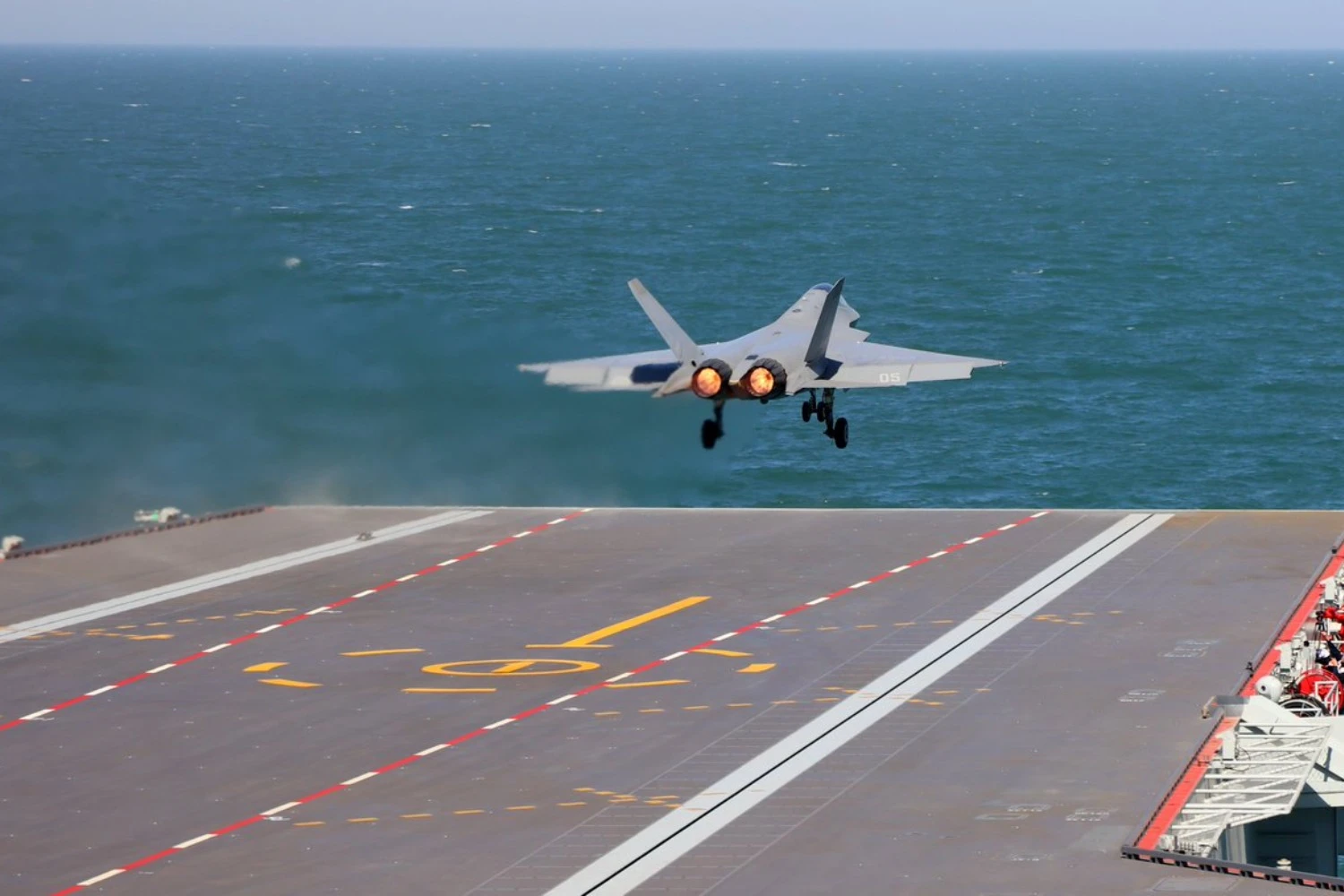
There is also an industrial issue. The last U.S. carrier built with steam catapults was USS George H.W. Bush, the final Nimitz-class ship, commissioned in 2009. The Navy has not needed a new steam-catapult production line since then.
If the change goes ahead, Doris Miller could consequently differ substantially from the first three Ford-class carriers, all of which retain electromagnetic catapults.
China chose electromagnetic catapults
Trump's order comes at an unusual point in the development of carrier aviation because the United States is no longer alone in operating electromagnetic catapults.
China selected the same basic technology for Fujian, its newest carrier and its first designed for conventional catapult launches. The older Liaoning and Shandong use ski jumps and depend on aircraft power for takeoff.
Fujian has three electromagnetic catapults and has tested them with the J-15T fighter, the newer J-35 stealth fighter and the KJ-600 airborne early warning aircraft.
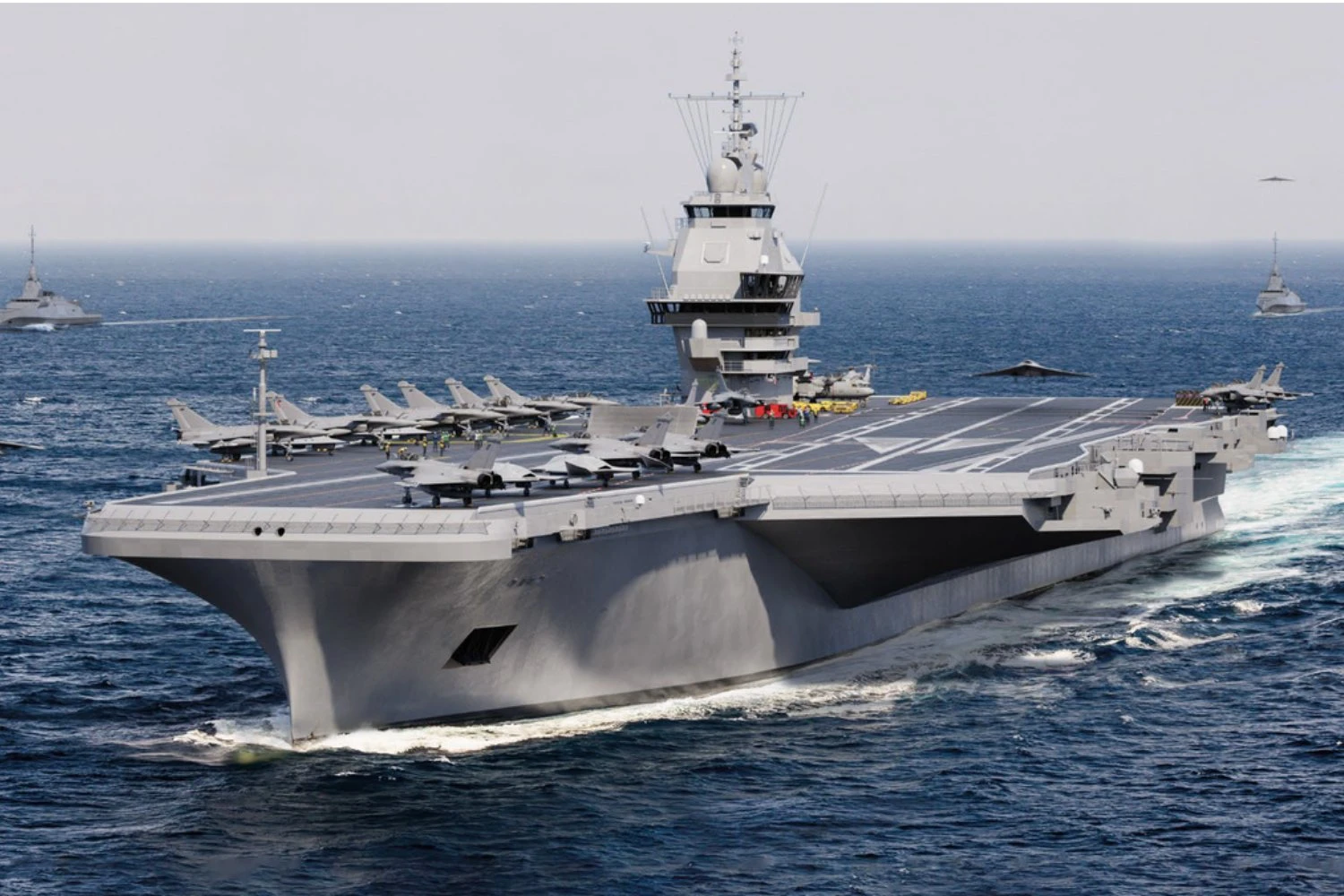
The choice is particularly significant because the KJ-600 is a large fixed-wing support aircraft, while future Chinese carrier air wings are also expected to incorporate unmanned types.
The U.S. Navy therefore finds itself in an unusual position. It spent years and considerable resources solving the problems associated with electromagnetic launch, while China and France subsequently chose the technology for their new carriers. The White House is now asking whether the fourth Ford-class ship should return to the system the United States began replacing with USS Gerald R. Ford.