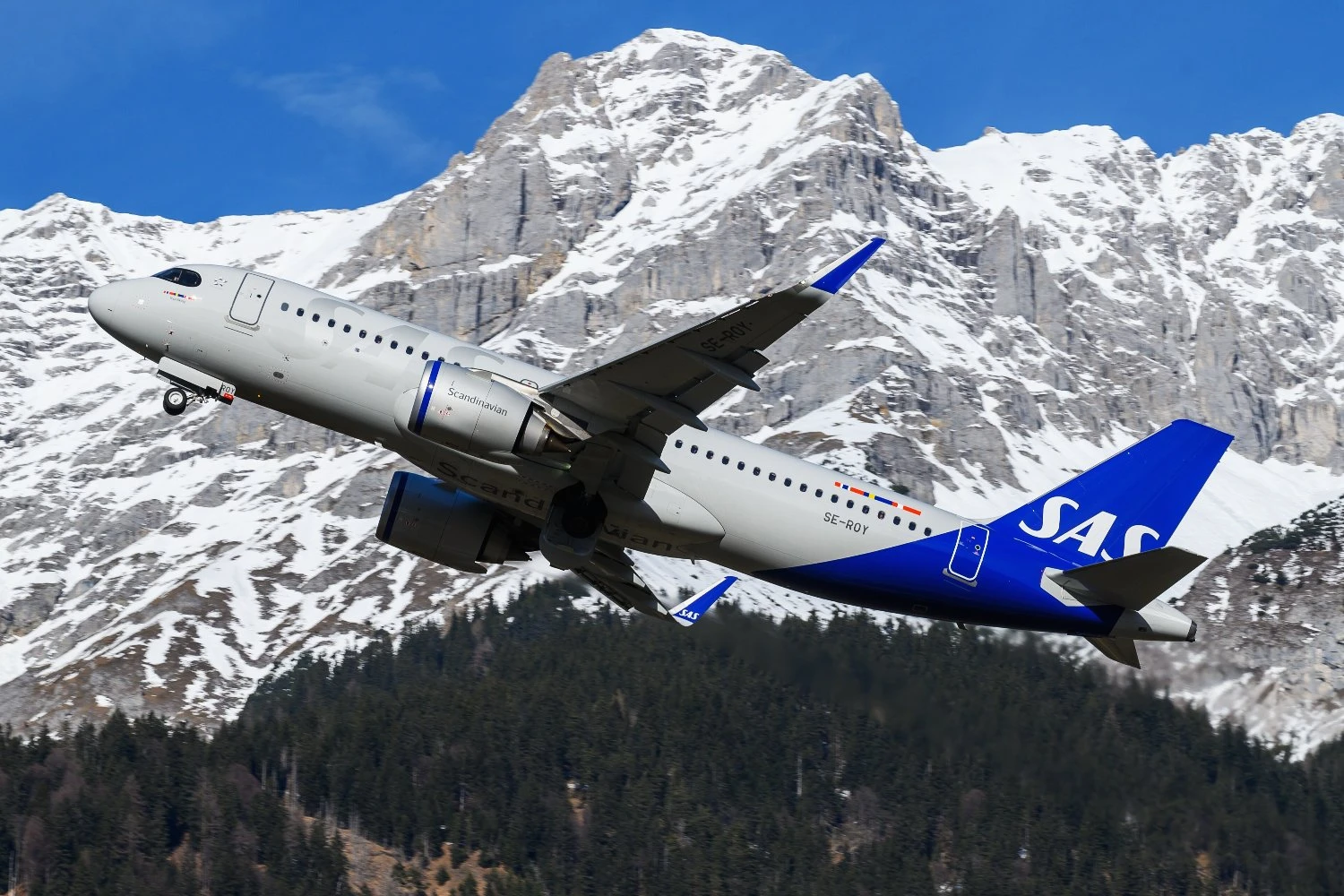
SAS has completed the installation of Starlink high-speed internet across its entire fleet of 81 Airbus A320neo aircraft, only six months after the Scandinavian carrier introduced the service.
The A320neo is the first aircraft type in the SAS fleet to have Starlink installed on every aircraft. The 81 jets account for around 70% of the carrier’s total fleet and perform a large proportion of its flights within Scandinavia and elsewhere in Europe.
SAS began offering Starlink in March. The airline said installations were performed alongside its normal flight schedule, with each A320neo undergoing installation, testing and approval before returning to service.
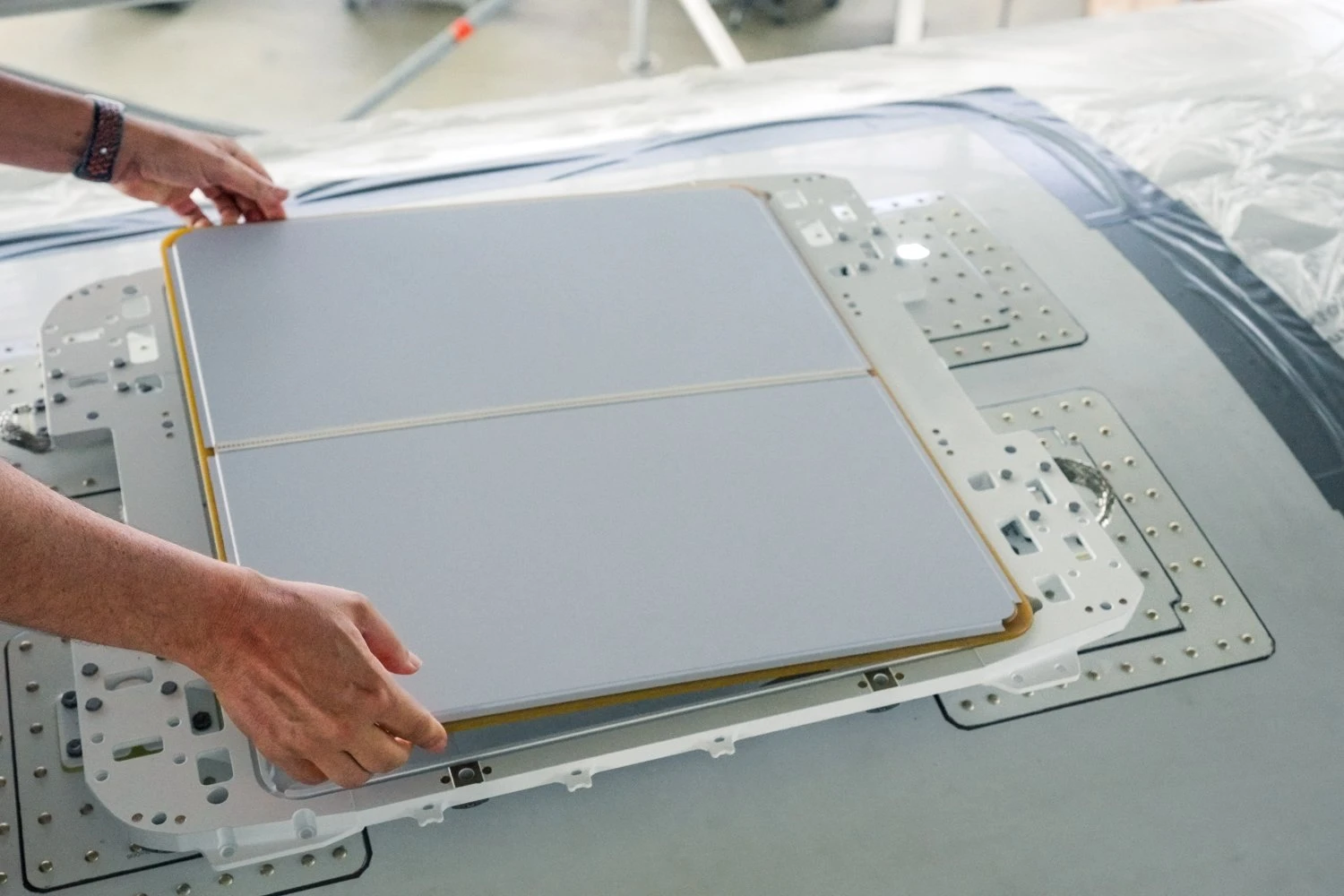
The relatively short six-month rollout is notable given the size of the fleet. Installing satellite internet requires modifications to the aircraft, including an externally mounted antenna and associated cabin and electronic equipment, as well as certification of the installation.
Follow Air Data News: WhatsApp | Instagram | LinkedIn | Twitter | Facebook
SAS has not finished its fleet-wide program. The carrier said preparations are underway for its remaining aircraft types, with further installations scheduled before the end of 2026. Its fleet also includes Airbus A330 and A350 widebody aircraft used on long-haul routes, while regional services include other aircraft types.

Starlink access is free for members of SAS’ EuroBonus loyalty program through an agreement with telecommunications company 3. The system supports gate-to-gate connectivity and is intended to provide enough bandwidth for uses that were difficult or impractical with older inflight internet systems, including video streaming.
Recent news
September 21, 2026
September 21, 2026
September 21, 2026
Unlike traditional satellite connectivity based primarily on geostationary satellites located around 22,000 miles (35,800 km) above Earth, Starlink uses a large constellation of satellites in low Earth orbit. The much shorter distance between aircraft, satellites and ground infrastructure reduces latency, one of the main limitations of older inflight satellite internet services.
Starlink gains airline customers
SAS is one of a rapidly growing number of airlines adopting Starlink as SpaceX expands the aviation business of its satellite network.
Qatar Airways has one of the largest deployments among long-haul operators. The airline began introducing the system in October 2024 and had reached 150 Starlink-equipped widebody aircraft by August 2026. Its entire Boeing 777 and 787-8 fleets and Airbus A350 fleet have received the system, while installations on the remaining 787-9s are due to be completed by the end of the year.
United Airlines is conducting an even larger rollout. More than 400 of its aircraft had Starlink by June, when the US carrier operated its first transatlantic service with a Starlink-equipped Boeing 777-200. United expects close to 1,000 aircraft to have the system by the end of 2026 and plans to complete the installation on its widebody fleet next summer.
British Airways introduced Starlink commercially in March aboard a Boeing 787-8 and plans to equip its entire fleet within two years. Parent company IAG has also selected the system for Iberia, Aer Lingus, Vueling and LEVEL.
The Lufthansa Group began passenger service with Starlink on August 19, initially aboard a Lufthansa A320neo. The group intends to install the system across approximately 850 aircraft operated by Lufthansa and its other airlines by 2029, including SWISS, Austrian Airlines and Brussels Airlines.
Other adopters include Air France, airBaltic, Hawaiian Airlines, WestJet and several carriers in Asia and the Middle East. The rapid expansion has made low-Earth-orbit satellite connectivity an increasingly important alternative to established inflight internet systems.
Not every major airline has selected Starlink, however. LATAM Airlines Group chose SES in July for its next generation of inflight connectivity across Airbus and Embraer aircraft. Rather than relying exclusively on a low-Earth-orbit constellation, the system combines satellites in geostationary and medium Earth orbits, providing another approach to high-speed onboard connectivity as airlines reassess the technology used to provide internet across their fleets.