
LATAM Airlines Group will invest more than US$25 million to equip over 60 new Airbus and Embraer aircraft with multi-orbit satellite connectivity, extending high-speed internet access to aircraft joining its fleet over the next several years.
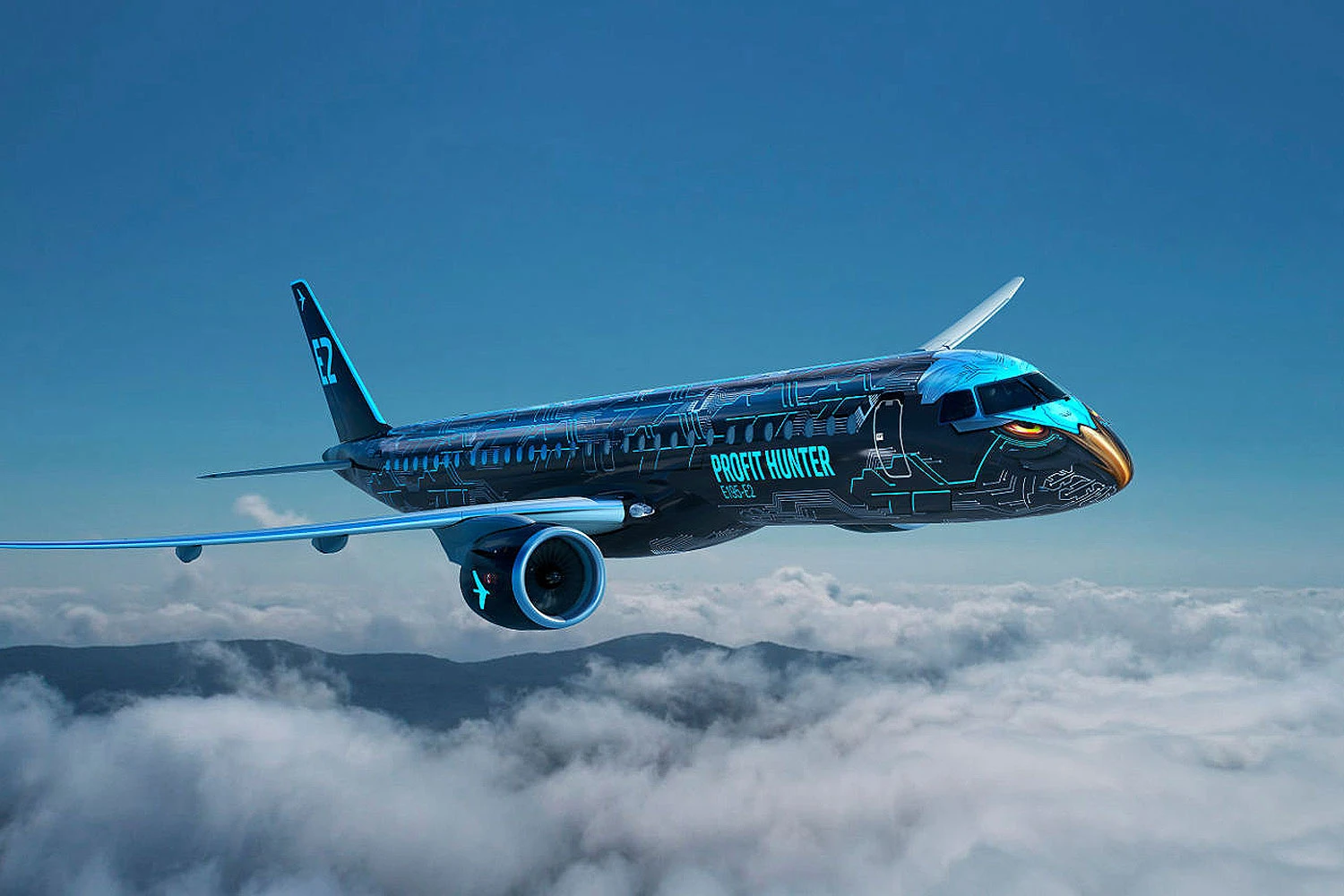
The system supplied by SES will be installed on Airbus A320neo and A321XLR aircraft as well as the Embraer E195-E2, a new type for LATAM that is scheduled to enter service later this year.
Follow Air Data News: WhatsApp | Instagram | LinkedIn | Twitter | Facebook
The agreement itself was disclosed by SES in July, but LATAM provided additional details on Tuesday, August 25, including the value of the investment and plans to offer the service free of charge to LATAM Pass members.
LATAM already has more than 250 aircraft equipped with Wi-Fi. More than 200 A320-family jets use the 2Ku system originally provided by Intelsat, which became part of SES following the completion of their merger in 2025.
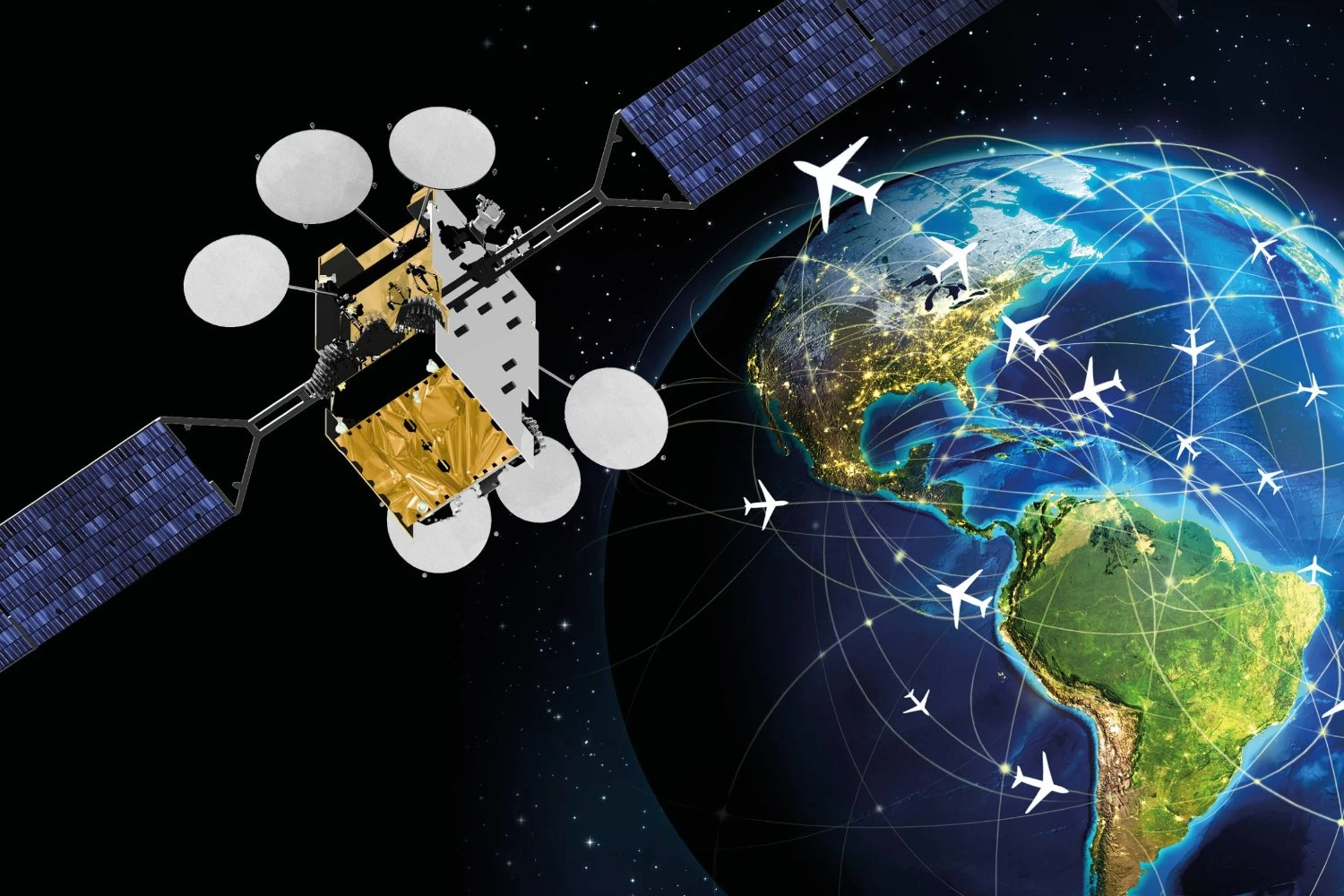
The new aircraft will introduce a different generation of connectivity. Instead of relying on a single satellite orbit, the SES system can use networks at different altitudes, automatically selecting connectivity according to factors including availability and capacity.
Its architecture combines low-Earth-orbit (LEO) connectivity, primarily through the OneWeb constellation, with geostationary (GEO) satellite capacity. LEO satellites orbit much closer to Earth and consequently offer substantially lower latency than traditional geostationary satellite connections.
LATAM chooses a different path from Starlink
The decision is notable as a growing number of airlines have selected SpaceX's Starlink for onboard connectivity. Starlink has attracted carriers with its large LEO constellation and the prospect of delivering an internet experience much closer to what passengers encounter on the ground.
LATAM is pursuing a similar objective through a different architecture.

Starlink is a vertically integrated system using SpaceX's own LEO constellation. SES instead combines capacity from different satellite networks and orbital regimes, providing redundancy and allowing aircraft to move between available connections.
That does not necessarily make one system faster than the other. Starlink benefits from a much larger LEO constellation, while the SES approach offers the flexibility of a multi-orbit network. Actual passenger performance will depend on factors including available satellite capacity, antenna performance, aircraft installation and the number of users sharing the connection.
Recent news
September 21, 2026

September 21, 2026

September 21, 2026
The important difference from older inflight satellite systems is that LATAM will also have access to low-latency LEO connectivity. The choice of SES therefore does not mean the airline is foregoing the technology behind Starlink's improvement in onboard internet, but rather adopting it through a different network model.

The investment will also cover aircraft with substantially different missions. The A320neo and E195-E2 will primarily operate within Latin America, while the longer-range A321XLR will allow LATAM to deploy a narrowbody on longer international routes.
LATAM has not specified when installation across all 60-plus aircraft will be completed.