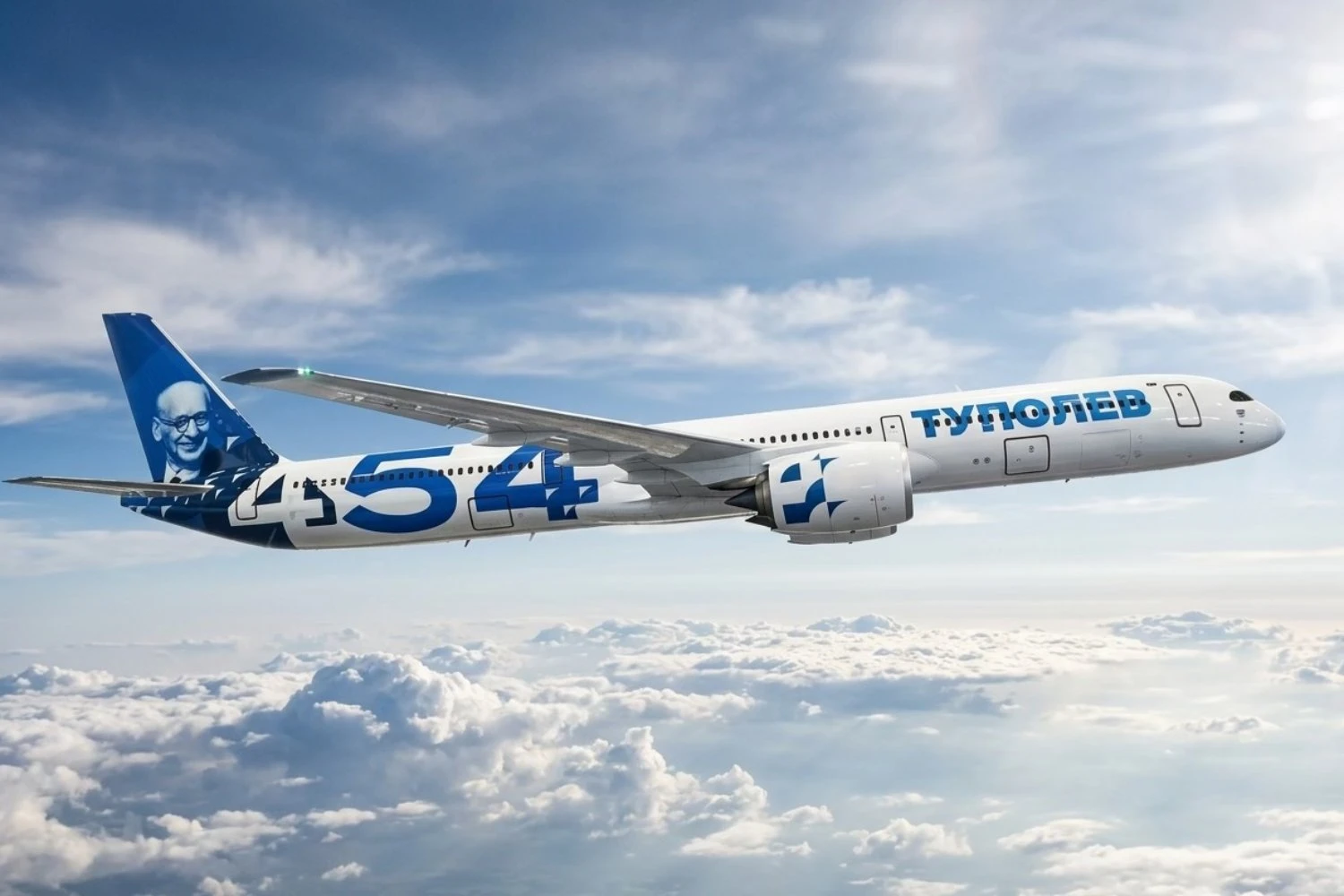
Russia has presented a concept of a new widebody aircraft, the Tupolev Tu-454, marking a tentative return to a segment it has effectively lacked since the collapse of its joint program with China.
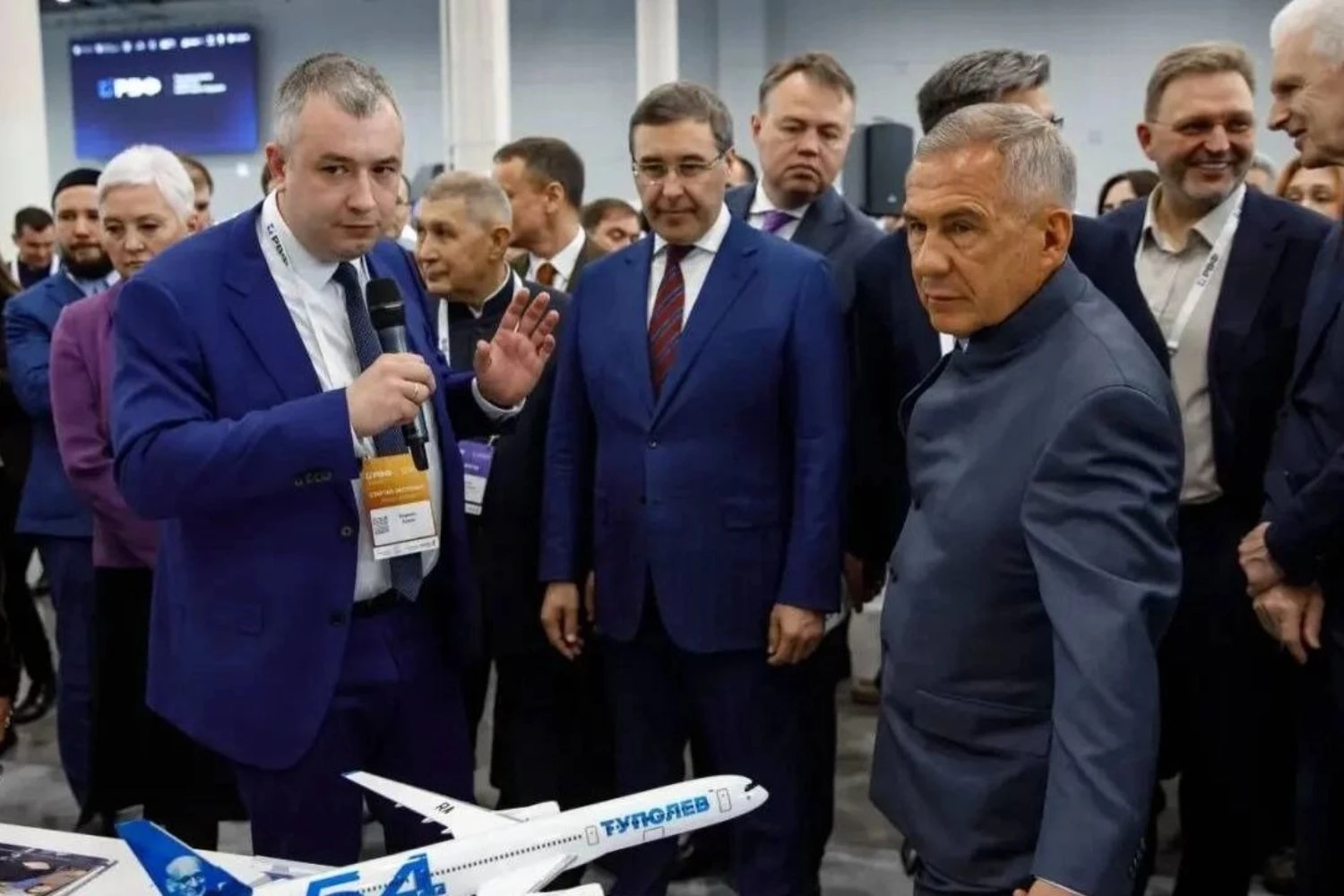
The aircraft was shown during the Russian Venture Forum in Kazan as a twin-engine long-haul jet with a size between the Boeing 787 and Airbus A350. The model points to a capacity of 250 to 350 passengers and a range of around 15,000 km, placing it squarely in the core widebody market.
So far, however, the United Aircraft Corporation (UAC), which controls Tupolev, has not issued an official statement on the project. There are no confirmed timelines, orders or detailed specifications, and the aircraft remains at the mockup stage.
Follow Air Data News: WhatsApp | Google News | Instagram | LinkedIn | Twitter | Facebook
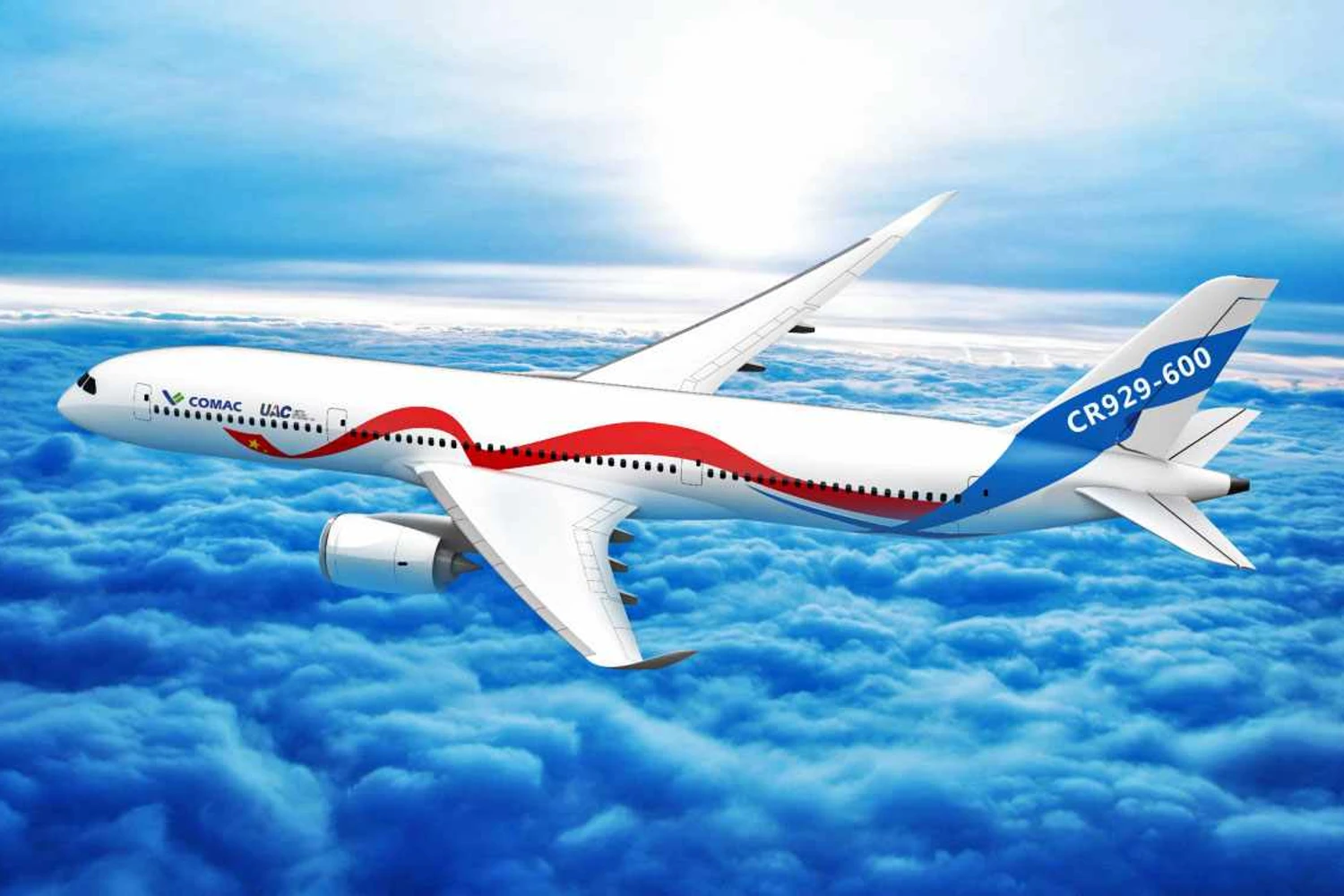
The unveiling comes as Russia seeks to rebuild a domestic widebody capability after exiting the CRAIC joint venture with China. That program, originally known as the CR929, was intended to deliver a long-haul aircraft similar to the Tu-454. The Chinese partner has since moved ahead independently, relaunching the aircraft as the C929.
New turbofan
One of the more notable aspects of the Tu-454 presentation is the reference to a new engine, the PD-26. Russia has long been developing the larger PD-35 turbofan as a powerplant for future widebody aircraft, but the appearance of the PD-26 suggests either a parallel effort or a shift in strategy toward a different thrust class.
Both engine programs remain under development, and neither has reached a level of maturity comparable to Western counterparts such as the Rolls-Royce Trent XWB or General Electric’s GEnx.
Related news
September 18, 2026
September 10, 2026
Another unexpected element is the branding of the aircraft under Tupolev. The design bureau has not launched a new commercial jet program in decades and historically focused on narrowbody and military platforms. It also lacks a track record with modern widebody aircraft, unlike Ilyushin, which developed models such as the Il-62 and Il-86, or Yakovlev, which has been more active in recent civil programs.
The choice raises questions about how responsibilities are divided within UAC and whether the Tu-454 is a defined program with clear leadership or still an early concept without a stable structure.
Commercial aircraft programs behind schedule
Any attempt to bring a new widebody to market faces significant technical and industrial challenges. Modern aircraft in this segment rely heavily on composite structures, advanced aerodynamics and highly efficient engines. Western sanctions imposed after 2022 have further limited access to key technologies, supply chains and certification pathways.
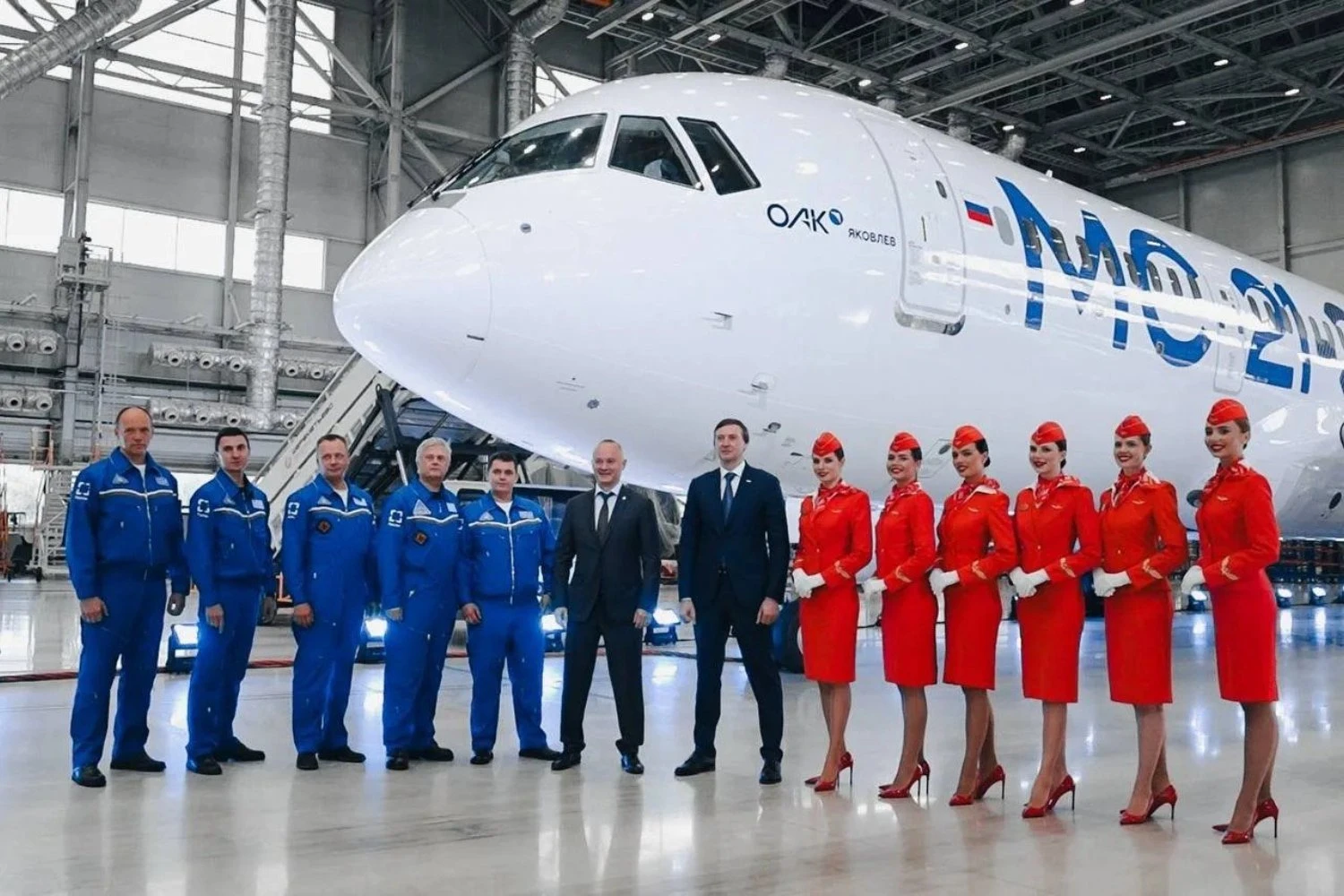
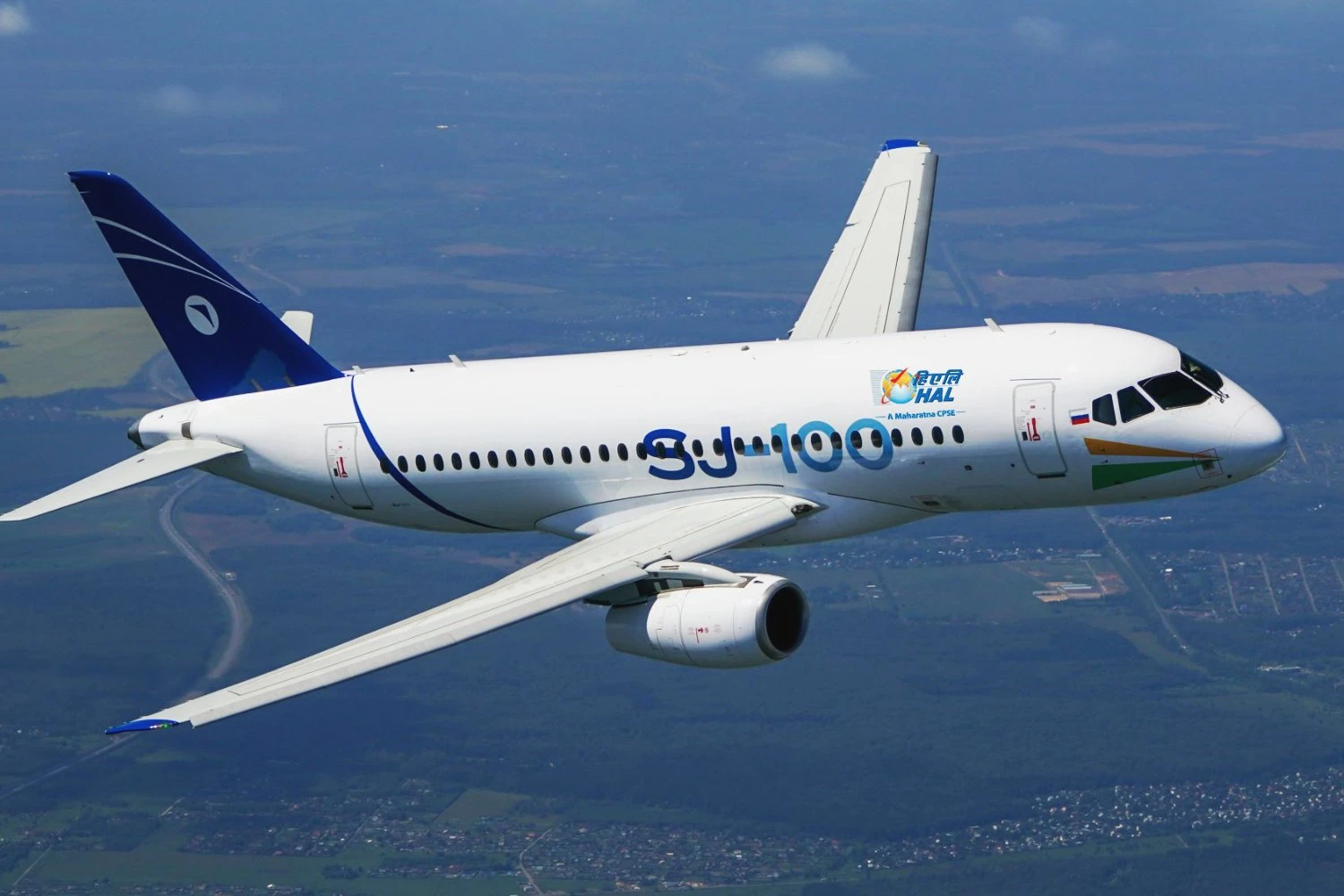
At the same time, Russia’s domestic aviation sector has struggled to meet production targets even for smaller aircraft. Programs such as the Tu-214 have delivered only limited numbers while new aircraft such as the MC-21, SJ-100, and Il-114-300 are still awaiting certification.
Recent news

September 21, 2026
September 21, 2026
September 21, 2026
Despite these constraints, the strategic need for a long-range aircraft remains. Russia’s geography and the loss of access to Boeing and Airbus jets have increased pressure to develop indigenous solutions.
For now, the Tu-454 stands as an early-stage concept that outlines intent rather than a defined program. Turning it into a certified, competitive aircraft will depend on progress in engines, materials and industrial capacity over the coming years.