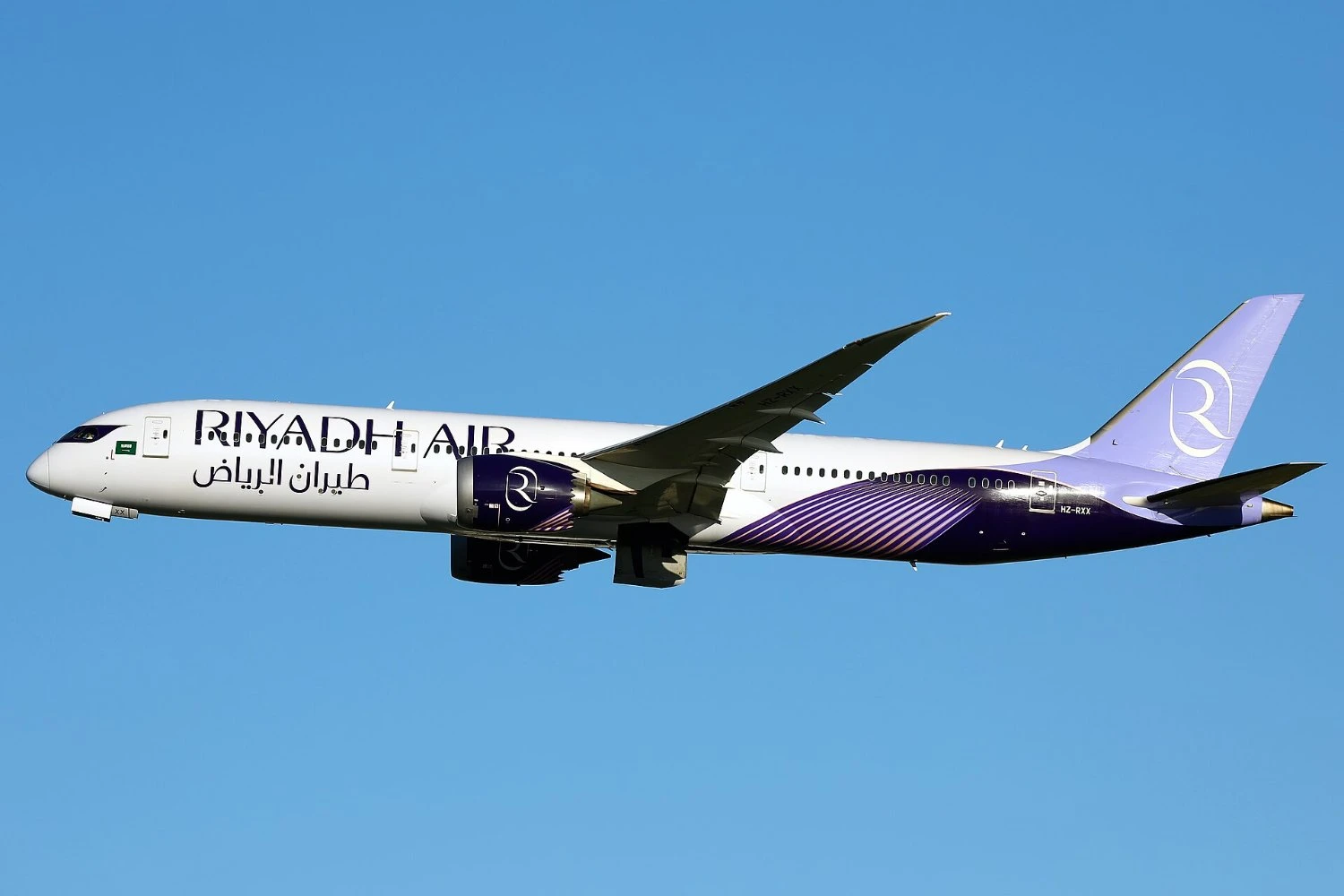
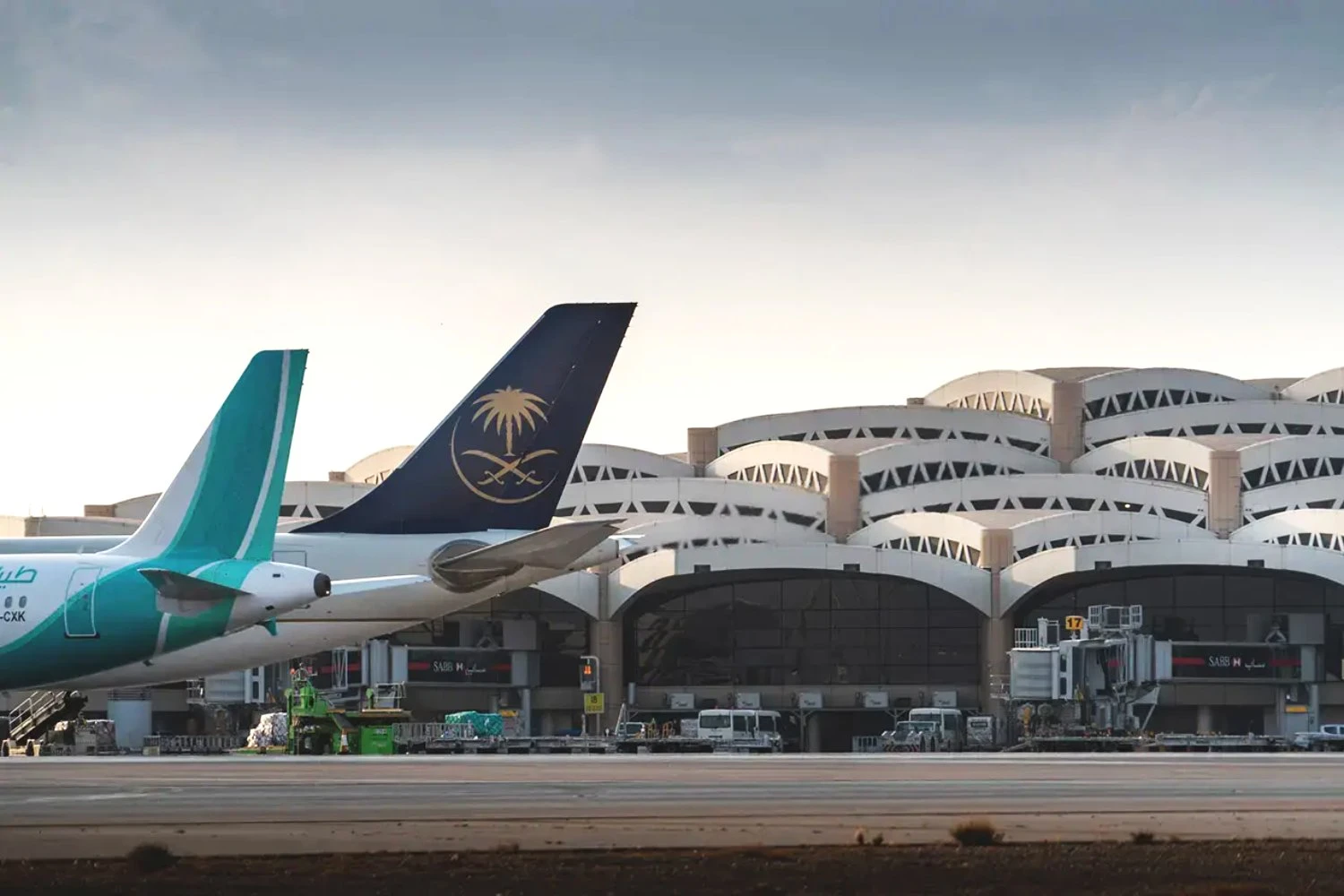
Riyadh Air has moved part of its operation about 250 miles (400 km) north of the Saudi capital after repeated Houthi attacks severely disrupted King Khalid International Airport, forcing the young airline to operate a reduced network from Al Qassim.
The temporary arrangement began on October 25 and covers flights to London Heathrow, Cairo, Jeddah, Dhaka, Lahore and Islamabad. Other routes that Riyadh Air had launched during its rapid expansion from its home hub have been suspended.
The move does not put the airline's aircraft beyond the range of Houthi missiles and drones. Al Qassim instead offers an alternative to keeping the fleet concentrated at an airport that has repeatedly been targeted and has suffered severe operational restrictions.
The scale of the disruption in Riyadh has been exceptional. According to aviation analytics company Cirium, 4,071 of the 4,736 flights scheduled at King Khalid International between October 8 and 25 were cancelled, equivalent to 86% of the airport's planned operation.
Follow Air Data News: WhatsApp | Instagram | LinkedIn | Twitter | Facebook
The airport was hit during a series of Houthi attacks this month. A strike on October 10 killed 13 people, and the facility remained closed for several days before a limited reopening. The Houthis have continued to claim attacks against Riyadh since operations began to resume.
The situation has also prompted several foreign airlines to suspend services to the Saudi capital, with some cancellations extending into November.
A 4.5-hour bus ride before the flight
Riyadh Air has created an unusual ground operation to preserve service for passengers originating in the capital.
Travelers can check in and hand over their baggage in Riyadh before being transported by coach to Al Qassim Airport. The road journey takes about 4.5 hours.
The airline schedules the buses to leave Riyadh six hours and 15 minutes before flight departure, allowing passengers to reach Al Qassim about one hour and 45 minutes before takeoff. Travelers can also make their own way to the airport.
Al Qassim is not immune to the regional security threat, and its location does not prevent it from being reached by long-range weapons. Moving aircraft there instead disperses Riyadh Air's operation away from the airport that has become a recurring target and remains subject to cancellations and restrictions.
Network had already reached 16 destinations
The crisis interrupted Riyadh Air's expansion only months after the Saudi carrier began full commercial operations on June 10.
Its network had already grown to 16 destinations, including Riyadh itself and services to Jeddah, Cairo, Dubai, London, Manchester, Madrid, Milan, Mumbai, Islamabad, Lahore, Dhaka, Bangkok, Kuala Lumpur and Manila. Jakarta had also been announced, with flights scheduled to begin in November.
Recent news

October 26, 2026
October 26, 2026
The airline is now offering Al Qassim as an alternative only for passengers booked to London Heathrow, Cairo, Islamabad, Lahore, Dhaka and Jeddah. Services to destinations including Dubai, Madrid, Manchester, Mumbai, Bangkok, Kuala Lumpur and Manila have been affected by cancellations from Riyadh.
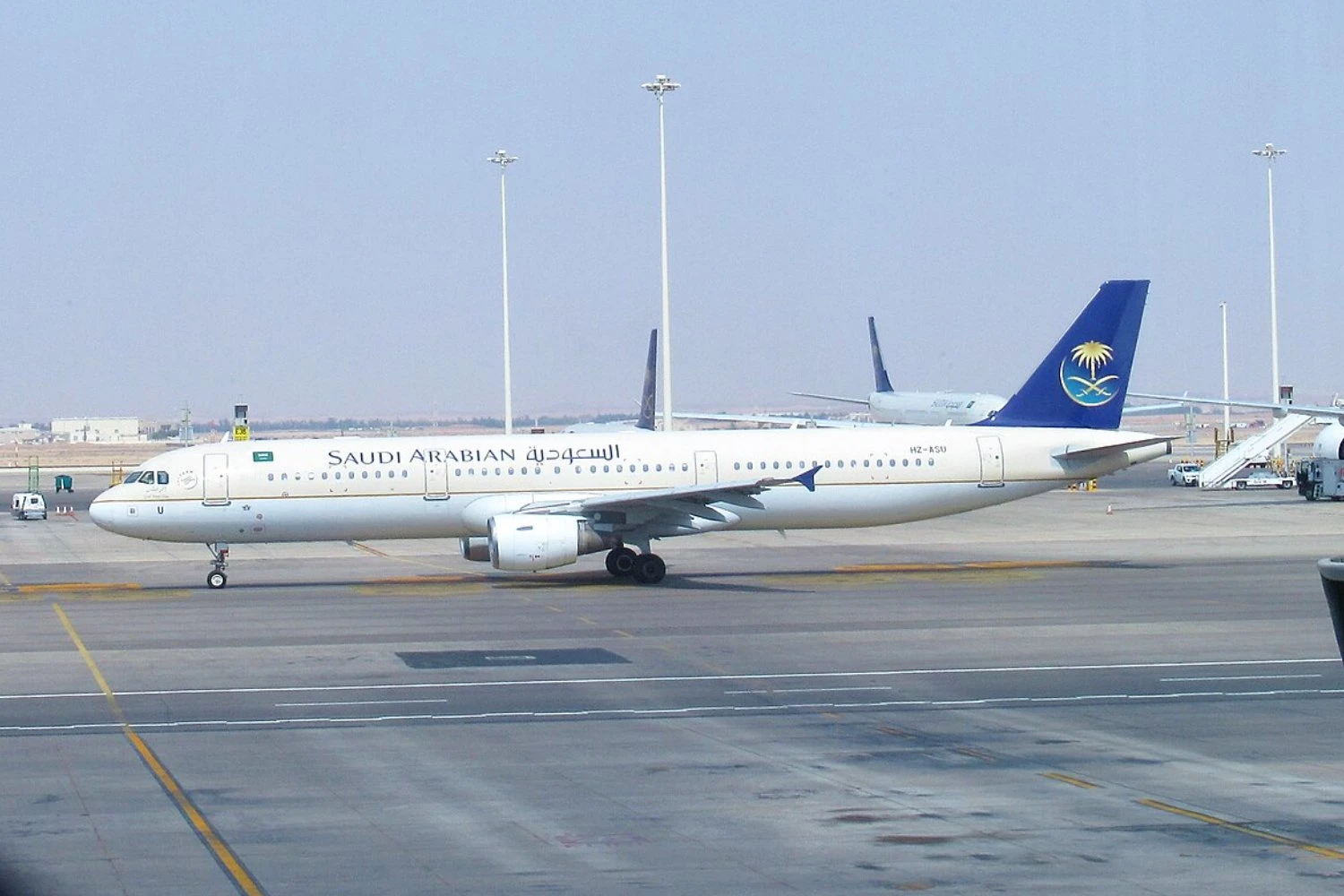
Riyadh Air was created around a hub-and-spoke operation at King Khalid International Airport and plans to serve more than 100 destinations by 2030. The current arrangement therefore preserves only a small portion of the network it had begun building around the Saudi capital.
Dreamliner fleet caught in early expansion
The disruption comes as Riyadh Air rapidly builds both its operating fleet and one of the largest aircraft order books among startup airlines. The carrier currently has ten Boeing 787-9s in its fleet, six of them listed as active and four parked as of October 25.
Riyadh Air initially ordered 39 787-9s with options for another 33 aircraft. At the Farnborough International Airshow in July, it exercised options for 28 additional Dreamliners and introduced the larger 787-10 into its plans, converting 20 aircraft to the new variant. Once 17 aircraft from the latest transaction are finalized, the airline's firm 787 order book will reach 67 aircraft.

The Dreamliner, however, is only one of three aircraft families selected by Riyadh Air. The carrier also has 60 Airbus A321neo-family aircraft planned for its short- and medium-haul network. The first A321neo is scheduled for delivery in November, with commercial service expected to begin in early 2027. The fleet will eventually be divided between 30 standard A321neos and 30 longer-range A321LRs.
Riyadh Air has also ordered 25 Airbus A350-1000s and holds purchase rights for another 25. The widebody order was announced in 2025 and will give the airline a larger long-haul aircraft alongside the 787-9 and 787-10.
Together, the 787, A321neo and A350 programs form a planned fleet of 182 aircraft. Riyadh Air expects to use them to build a network of more than 100 destinations by 2030.