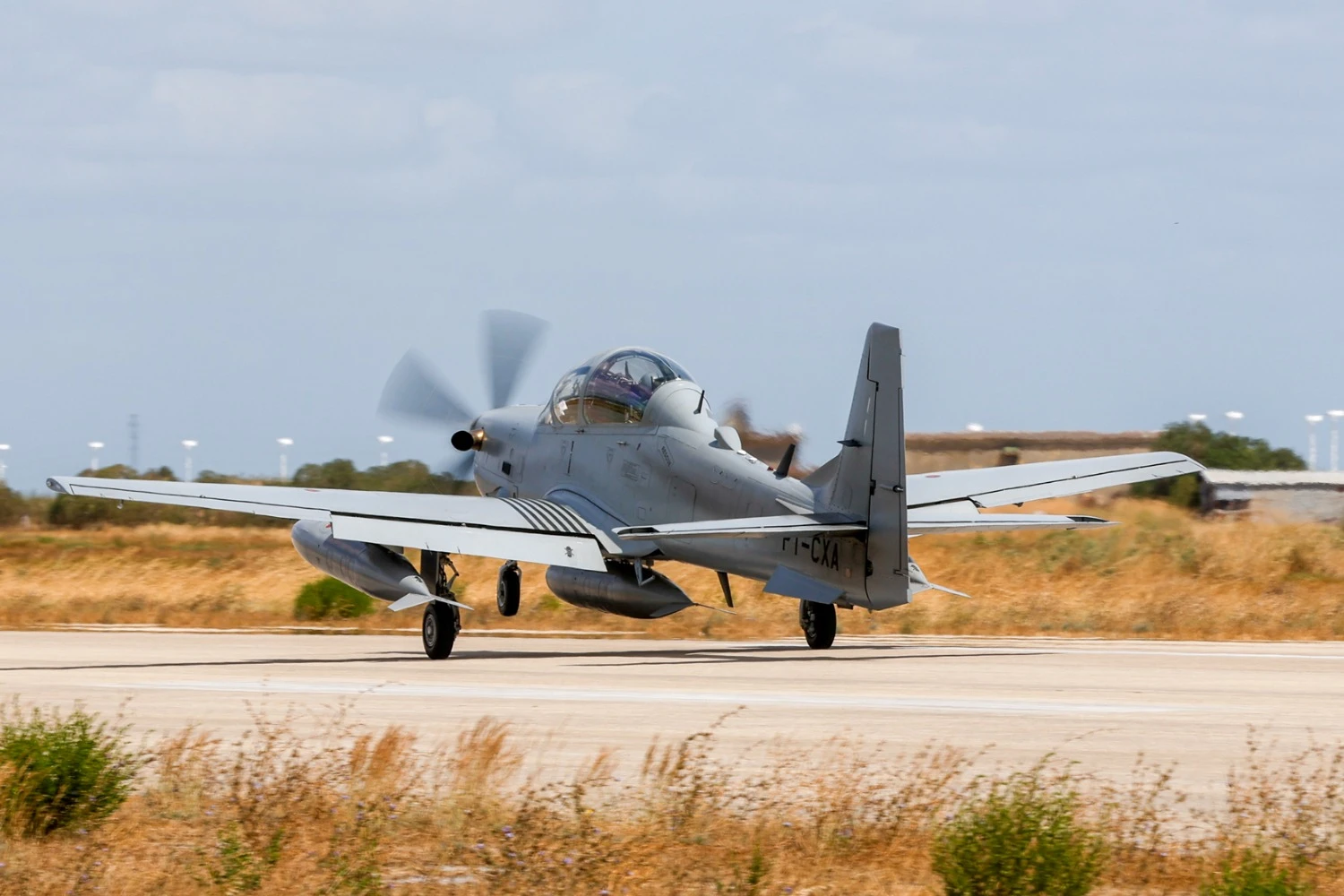
Portugal has taken another step toward becoming the European production base for Embraer’s A-29N Super Tucano, with the government declaring the establishment of a final assembly line for the military aircraft a project of national public interest.
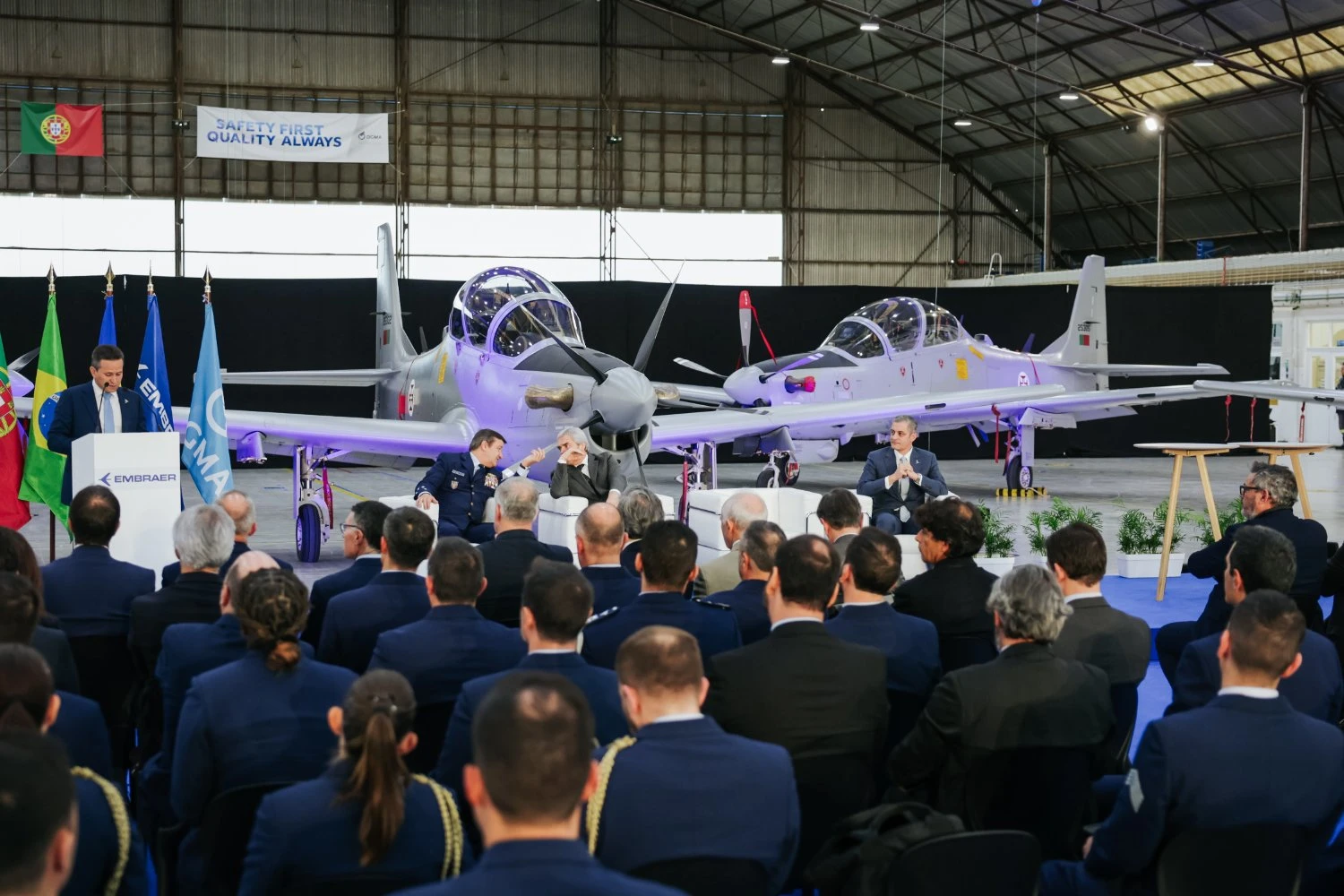
The decision by Portugal’s Council of Ministers moves forward a project announced in December 2025, when the Portuguese Ministry of National Defense and Embraer signed a letter of intent covering the establishment of an A-29N production facility.
Follow Air Data News: WhatsApp | Instagram | LinkedIn | Twitter | Facebook
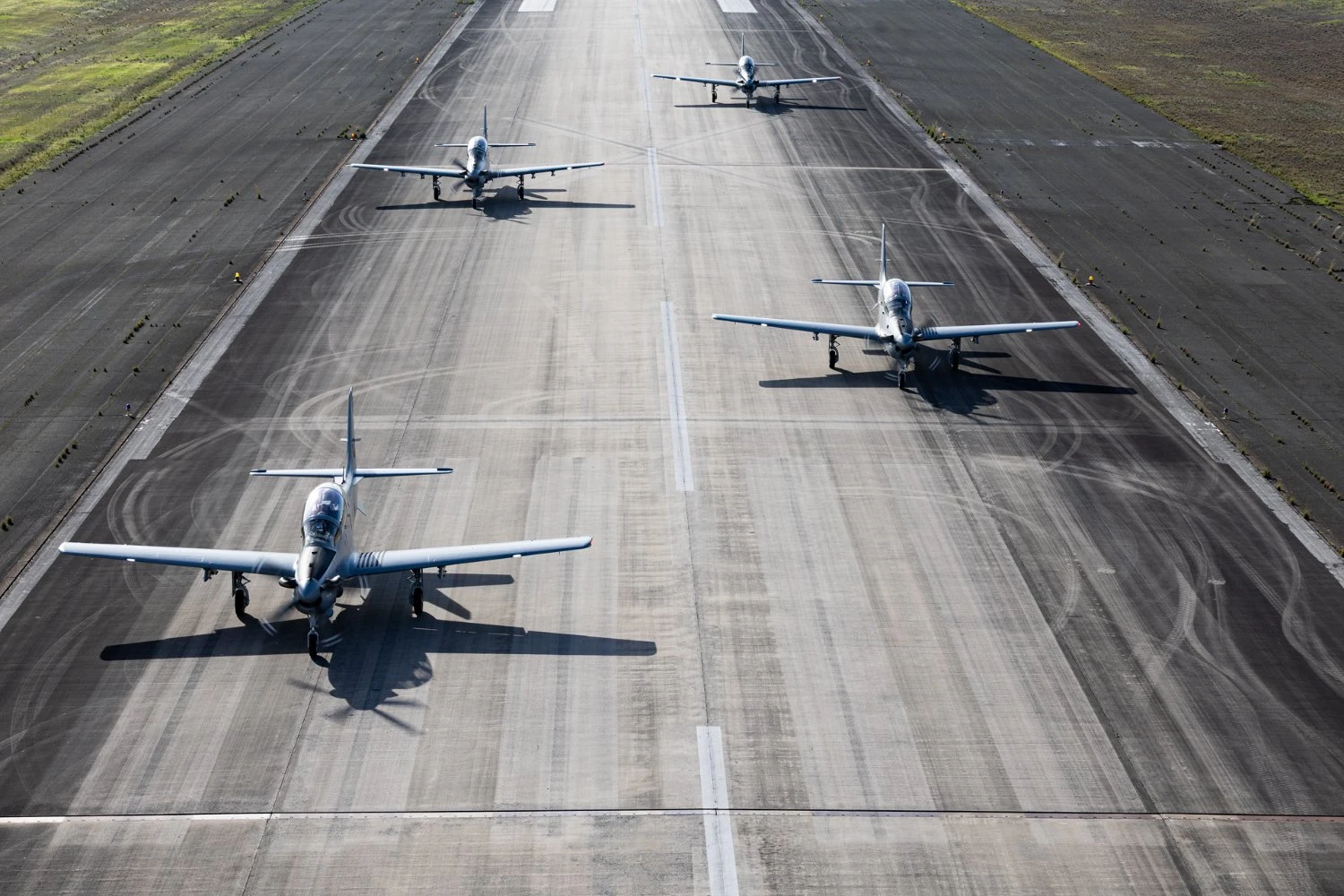
The line could be located at Air Base No. 11 in Beja, southern Portugal, which is becoming the operational home of the Portuguese Air Force’s Super Tucano fleet.
But the proposed facility is not primarily intended to produce the 12 A-29Ns already purchased by Portugal.
Those aircraft began production in Brazil, with the first examples subsequently transferred to Portuguese aerospace company OGMA in Alverca for work associated with the country’s configuration and NATO requirements. The first five were formally delivered in December 2025.
The rationale behind Beja is instead focused on what could come next.
The Portuguese government and Embraer have previously said the facility could support additional domestic requirements and potential orders from other European countries. Portugal is therefore preparing an industrial base for a market that does not yet exist at scale but has already attracted several prospective customers.
Europe becomes a target for Super Tucano
Embraer unveiled the A-29N in 2023 specifically to expand the Super Tucano’s prospects among NATO countries.
The configuration incorporates systems and capabilities intended to meet NATO requirements and improve interoperability with other alliance forces. Portugal became its launch customer in 2024, ordering 12 aircraft under a program valued at around €200 million (US$234 million).
The Portuguese order also provided Embraer with a European reference customer for an aircraft that, despite considerable international success, has built most of its operational presence in Latin America, Africa and Asia.
There is still no second customer for the A-29N. Embraer, however, has already explored several potential European opportunities.
The Netherlands was among the countries associated with the aircraft shortly after the A-29N was unveiled. In 2023, Embraer described the A-29 as one of its initiatives already underway in the country when it signed an agreement with the Netherlands Industries for Defence & Security organization. Embraer executives had also identified the Netherlands as a potential customer for the NATO configuration.
More recently, Poland and Latvia have shown interest in the Super Tucano for a different reason.
Related news
September 18, 2026
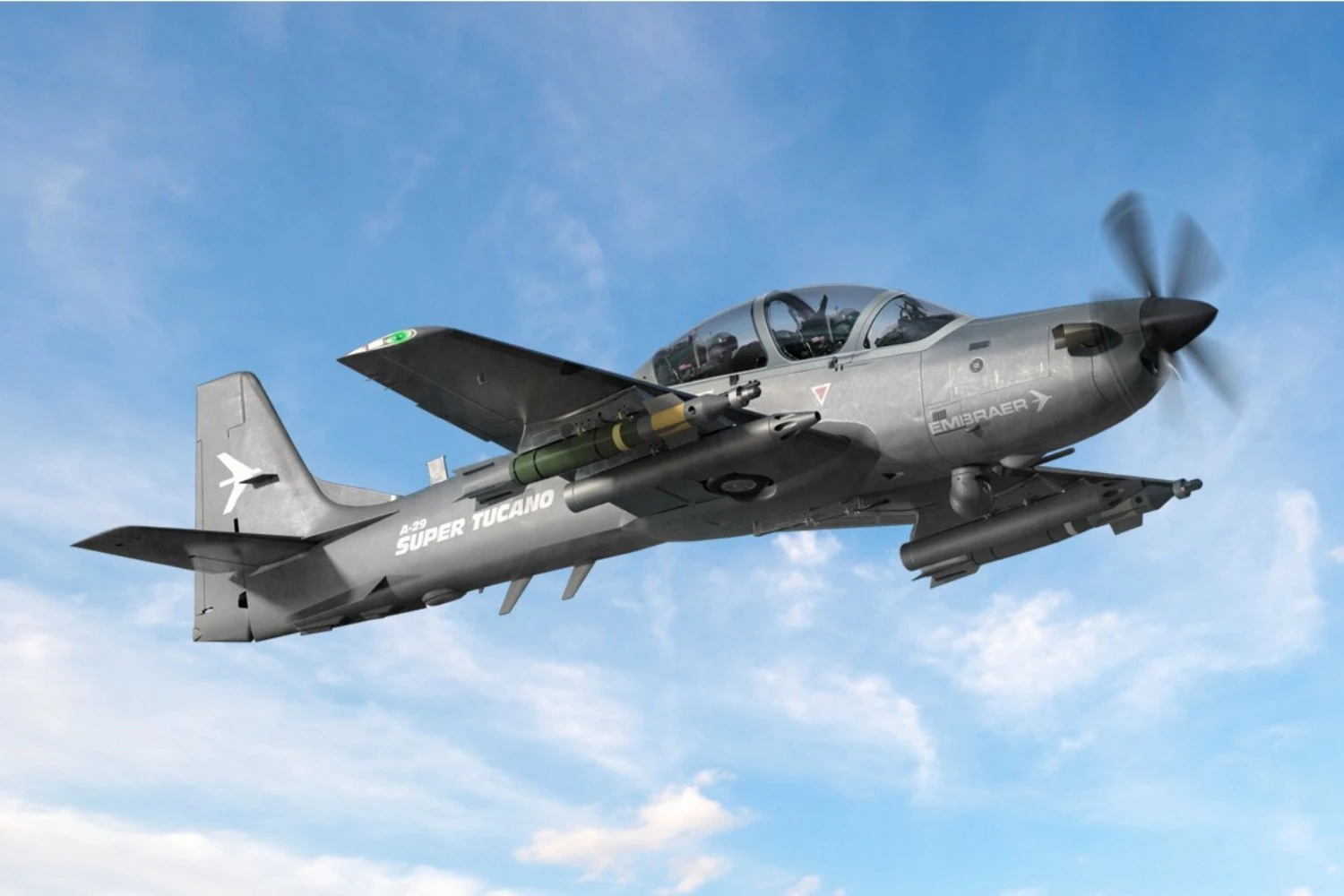

A Polish Air Force delegation visited Embraer facilities in Brazil and evaluated both the C-390 Millennium and A-29, including a demonstration flight aboard the turboprop.
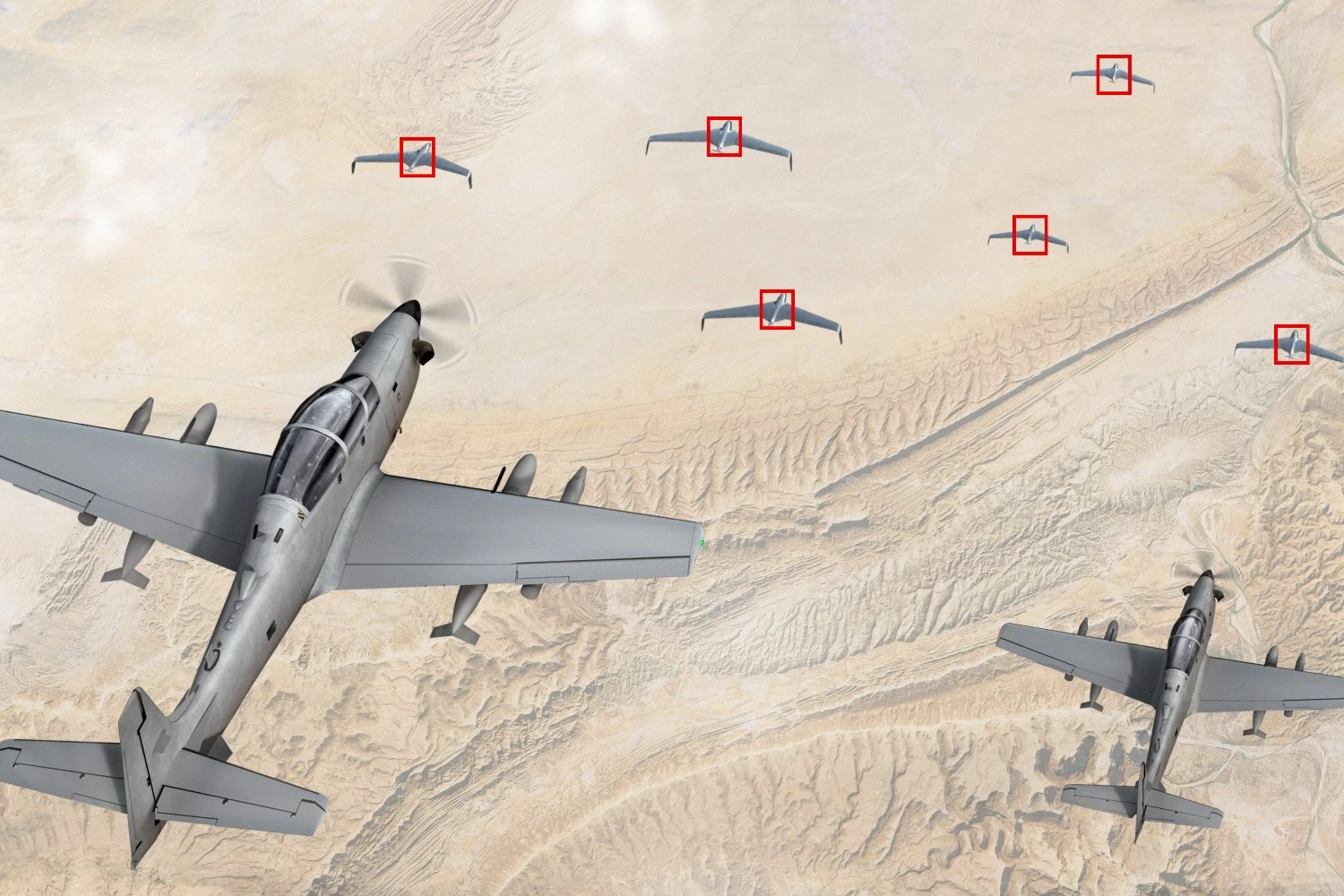
Polish interest has included using aircraft such as the Super Tucano as a complementary means of intercepting drones rather than employing conventional fighters for every target.
Latvia has explored a similar concept. In July, Latvian Air Force commander Major General Viesturs Masulis met Embraer representatives during the Global Air & Space Chiefs’ Conference in London, United Kingdom.
Masulis publicly discussed using an aircraft such as the A-29 as a mobile air defense asset against relatively slow drones, avoiding the need to employ considerably more expensive fighters and missiles against inexpensive targets. Latvia was awaiting a proposal from Embraer.
Drones create another potential market
That emerging requirement could significantly broaden the European market that would eventually sustain a second Super Tucano assembly line.
When Embraer introduced the A-29N, the manufacturer primarily emphasized advanced training, light attack, reconnaissance and NATO interoperability. The war in Ukraine and proliferation of inexpensive attack drones have since created another potential mission.
Using a modern fighter and expensive air-to-air missile against a relatively inexpensive drone becomes increasingly inefficient when an attack involves dozens or even hundreds of targets.
An armed turboprop capable of remaining airborne for extended periods at substantially lower operating cost is consequently being examined as an additional layer of air defense rather than a replacement for conventional surface-to-air systems or fighters.
Embraer has also been developing the Super Tucano for this role, including work on capabilities specifically intended to counter uncrewed aircraft.
Portugal as Embraer’s European industrial base
The Beja initiative has similarities to the industrial strategy already established around the C-390 Millennium.
Portugal became one of the first international customers for the jet-powered transport and its aerospace industry subsequently assumed an important role in the program. OGMA, jointly owned by Embraer and the Portuguese government, participates in C-390 production and support, while Embraer has established other engineering and manufacturing activities in the country.
Portugal has taken a similar approach with the A-29N. Its involvement extends beyond purchasing aircraft, with part of the approximately €200 million (US$234 million) program being directed toward Portuguese industry for development and integration work associated with the NATO configuration.
A Beja facility would add final assembly to that industrial footprint.
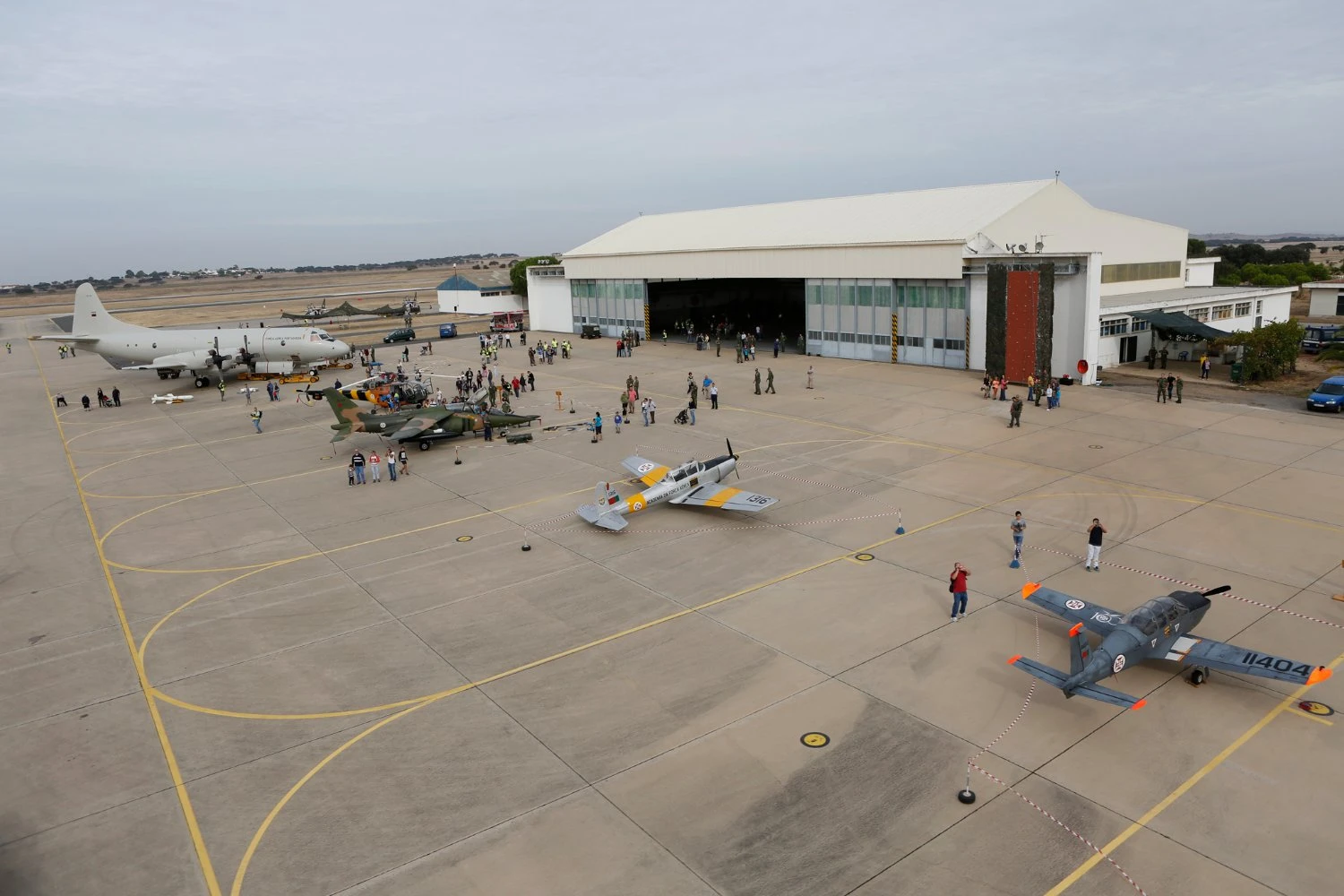
It could also change Embraer’s proposition in future competitions. Rather than offering NATO countries a Brazilian military aircraft manufactured exclusively in Brazil, the company could market an A-29N assembled in Europe within the industrial base of a NATO member.
There is no guarantee that those opportunities will turn into orders. The Netherlands, Poland and Latvia have not ordered the A-29N, and none currently provides enough demand by itself to sustain a Portuguese assembly line.
Portugal and Embraer are instead preparing the industrial infrastructure before a second customer emerges. If growing European interest in the A-29N results in additional contracts, future NATO Super Tucanos could eventually leave a production line in Portugal rather than Embraer’s existing facility in Brazil.