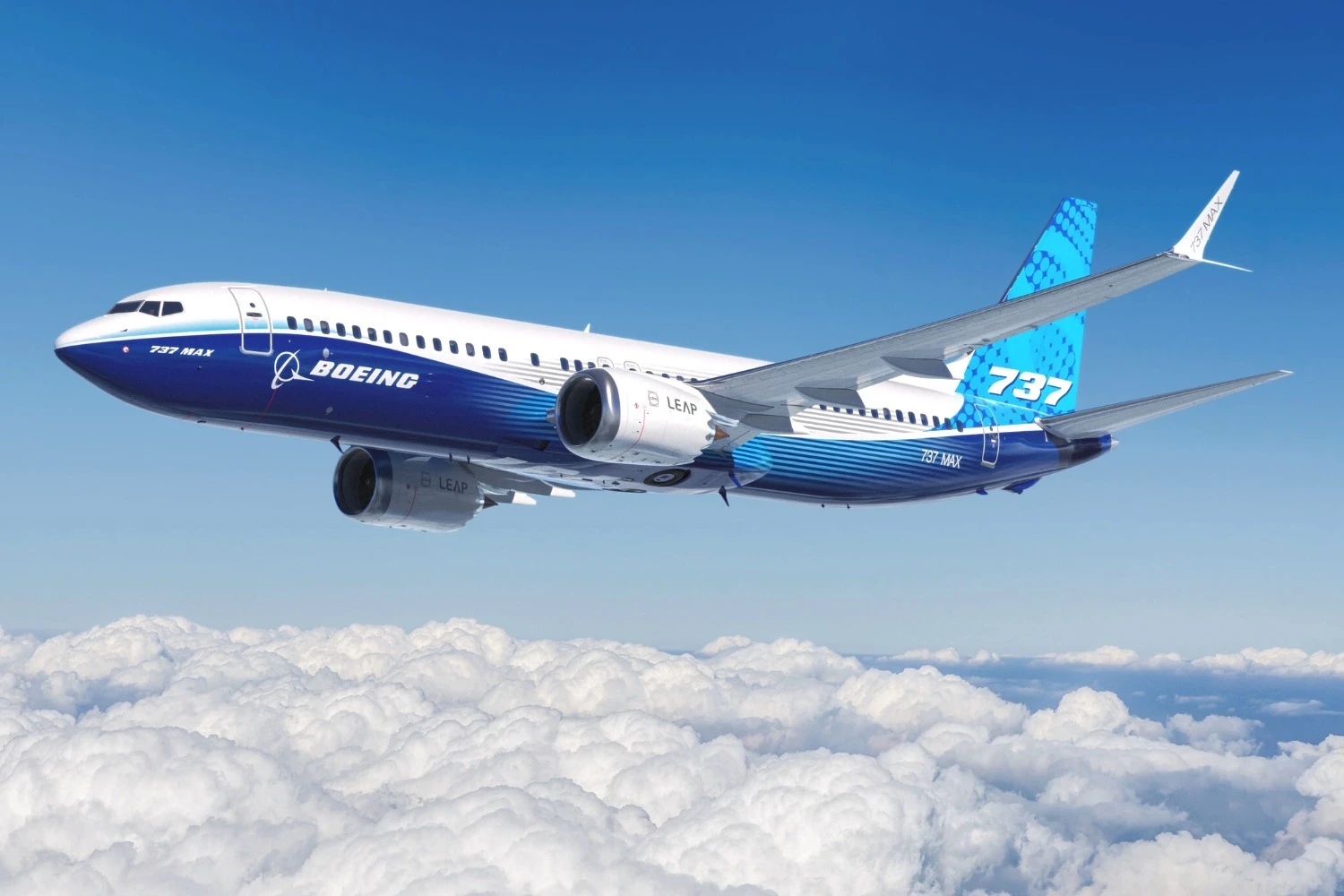
Boeing is taking longer than expected to stabilize 737 MAX production at 47 aircraft per month, with CEO Kelly Ortberg identifying the company's own wing manufacturing operation in Renton as the principal constraint.
“We are not stable yet at 47 a month,” Ortberg said during the Morgan Stanley Laguna Conference on Wednesday, adding that reaching consistent production at the new rate has taken longer than he had anticipated.
Boeing received approval from the Federal Aviation Administration earlier this year to increase 737 production from 42 to 47 aircraft per month. The manufacturer subsequently began moving its production system toward the higher rate but has yet to sustain it consistently.
Unlike previous periods when engine availability and supplier performance constrained 737 output, Ortberg said the external supply chain is currently in good condition. That includes deliveries of CFM International LEAP-1B engines.
Follow Air Data News: WhatsApp | Instagram | LinkedIn | Twitter | Facebook
Instead, the main constraint is inside Boeing's own factories.
Wing production limits output
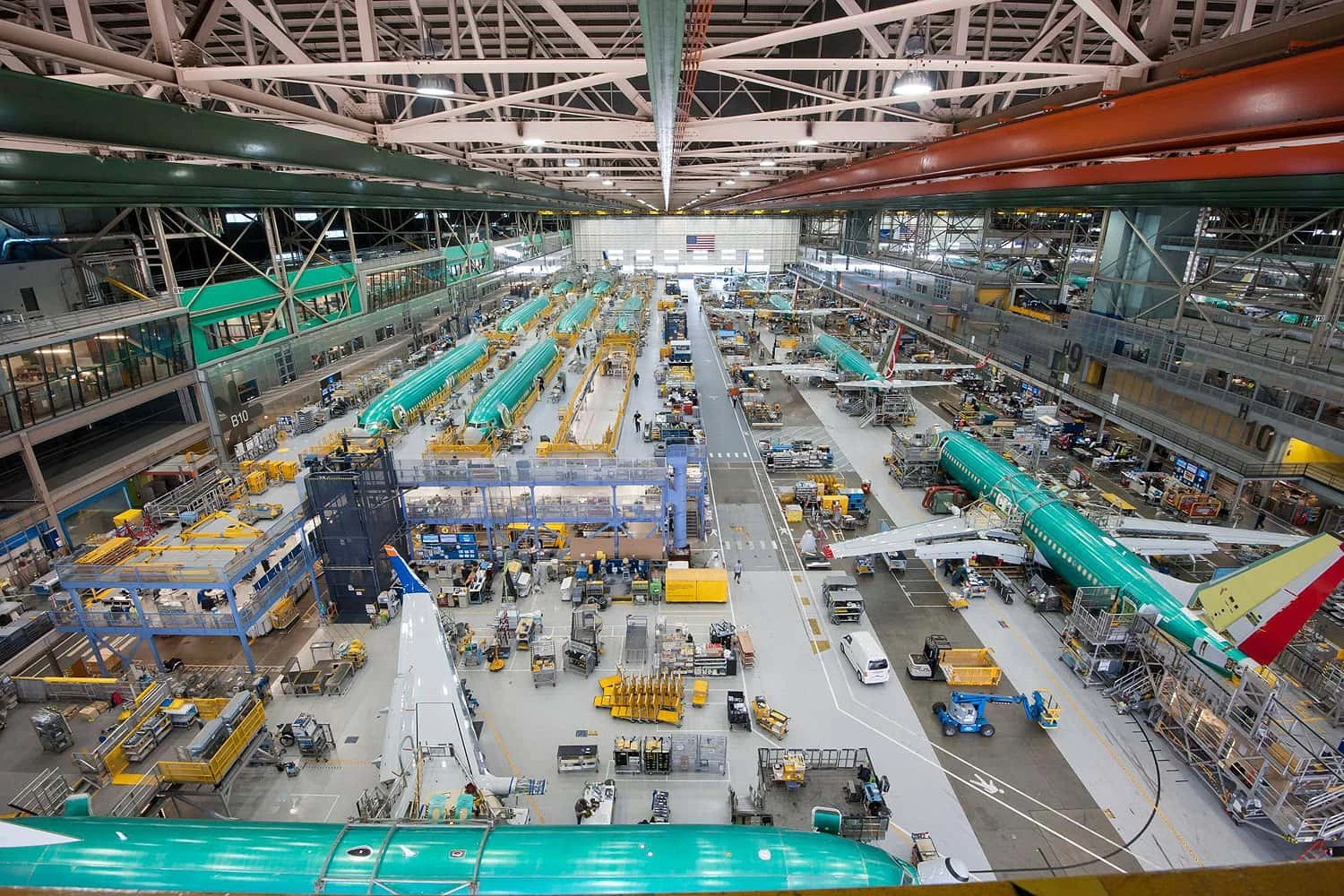
All 737 wings are produced in Renton, Washington, and Ortberg said Boeing has not achieved the planned improvements in production flow there as quickly as expected.
The company has identified actions intended to improve wing output, but the slower progress is preventing the overall 737 production system from becoming stable at 47 aircraft per month.
The situation illustrates the challenge Boeing faces as it moves beyond recovering production from previous disruptions and begins increasing output toward rates not sustained for several years.
Ortberg said the supply chain is generally supporting the current production plan. Constraints could become more significant again at higher rates, but Boeing's immediate task is improving its own manufacturing performance.
Everett needed before 52 per month
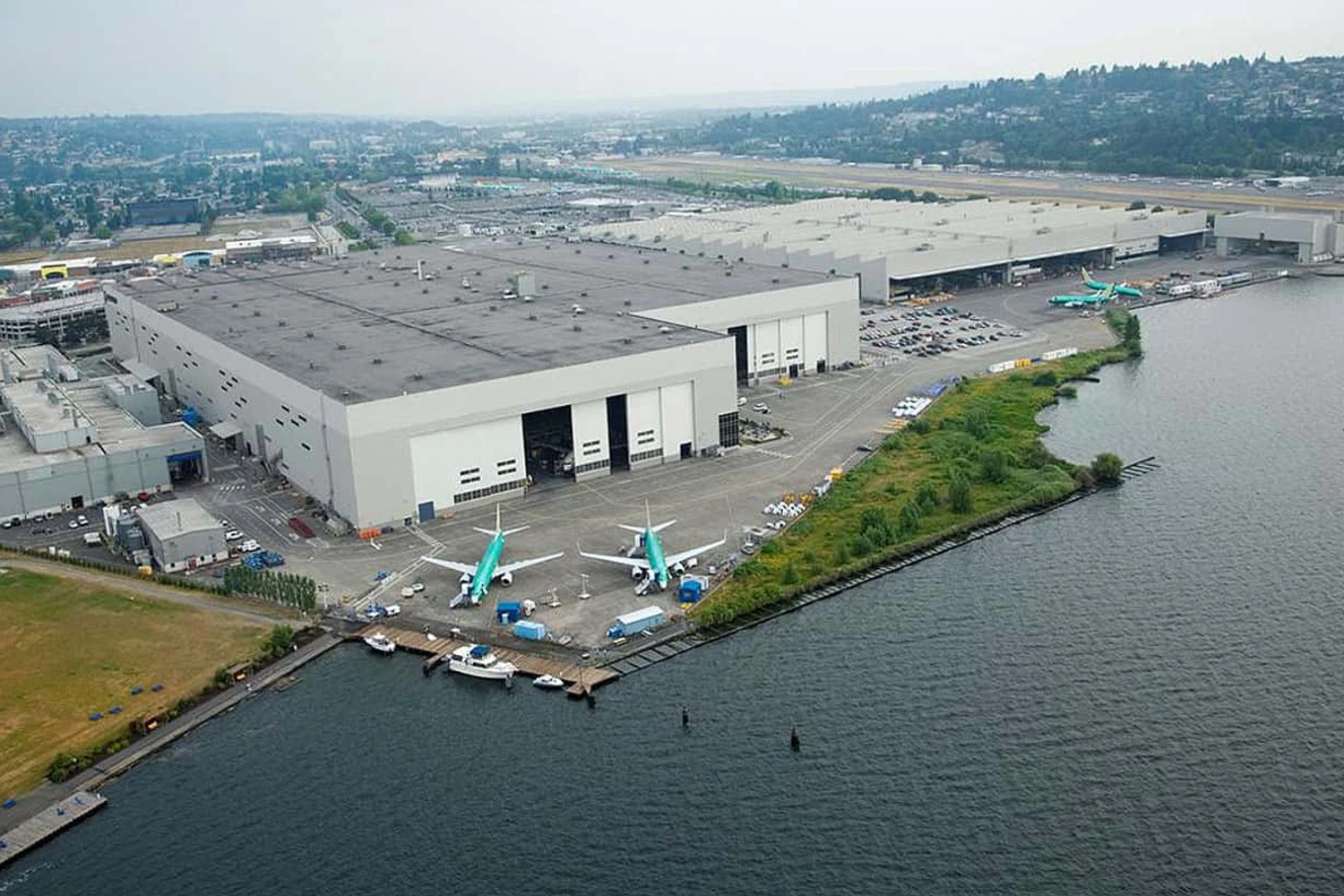
The next increase in 737 production will also depend on Boeing's new assembly line in Everett, where the company has begun building its first aircraft.
Four 737s are being assembled as part of the process to certify the North Line, including two MAX 10s. Boeing needs to complete the qualification of the facility before it can use Everett as a regular source of additional production capacity.
The MAX 10 is particularly suited to the Everett facility because of its length. Ortberg said Renton's physical dimensions make it impossible to place a complete production line of the largest MAX variant nose-to-tail, while Everett provides considerably more space.
The timing coincides with the MAX 10 approaching certification. Ortberg said all flight testing has been completed and only three Boeing deliverables remained for the FAA when he left Seattle this week. The variant already accounts for approximately 30% of the 737 backlog.
Boeing now expects to increase overall 737 production to 52 aircraft per month in 2027, after stabilizing the current rate and bringing Everett into regular operation.
Further increases, including a potential rate of 57 aircraft per month, would require both Boeing and its suppliers to demonstrate that they can sustain higher output. For now, the immediate constraint remains the flow of wings through Renton rather than the availability of engines or other major components.