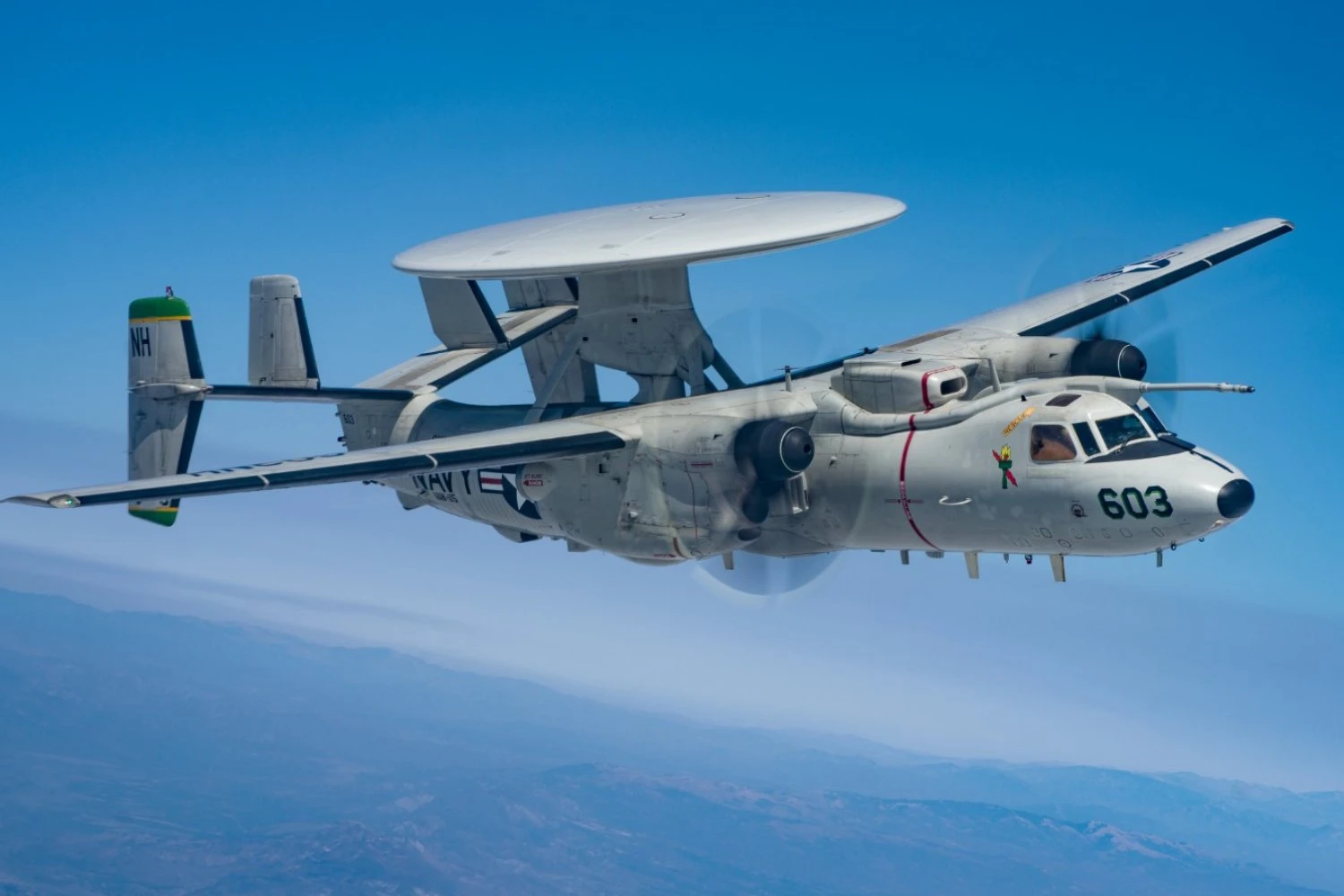
Northrop Grumman has completed the critical design review for the Block II upgrade of the E-2D Advanced Hawkeye, clearing the program to move into integration and testing ahead of the first deliveries by the end of the decade.
The modernization will involve an extensive replacement of mission-system hardware and software rather than changes to the basic aircraft. Northrop Grumman has provided few technical details about the new equipment, but says the architecture will reduce crew workload and improve situational awareness while making subsequent upgrades easier to incorporate.
Related news
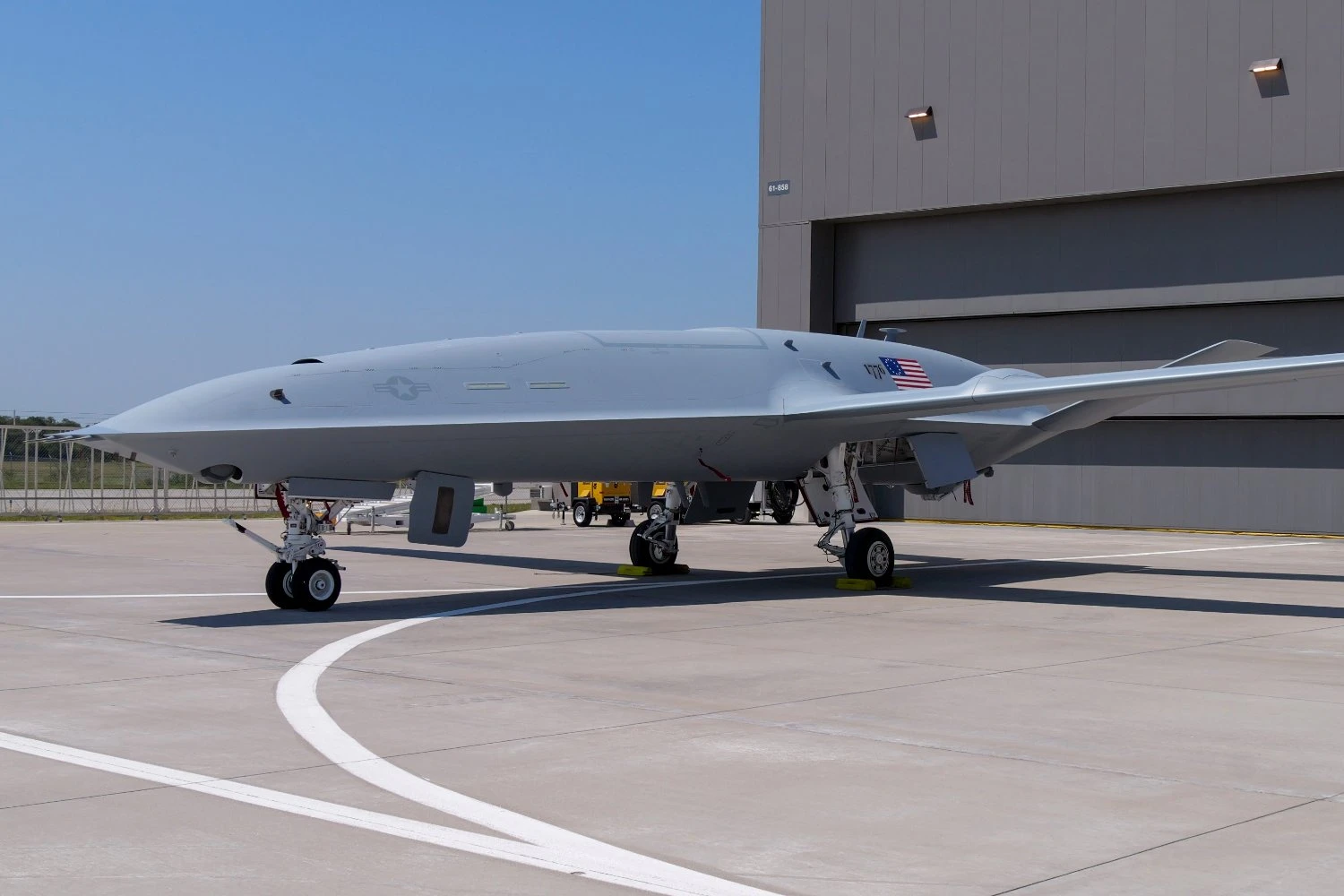
September 15, 2026
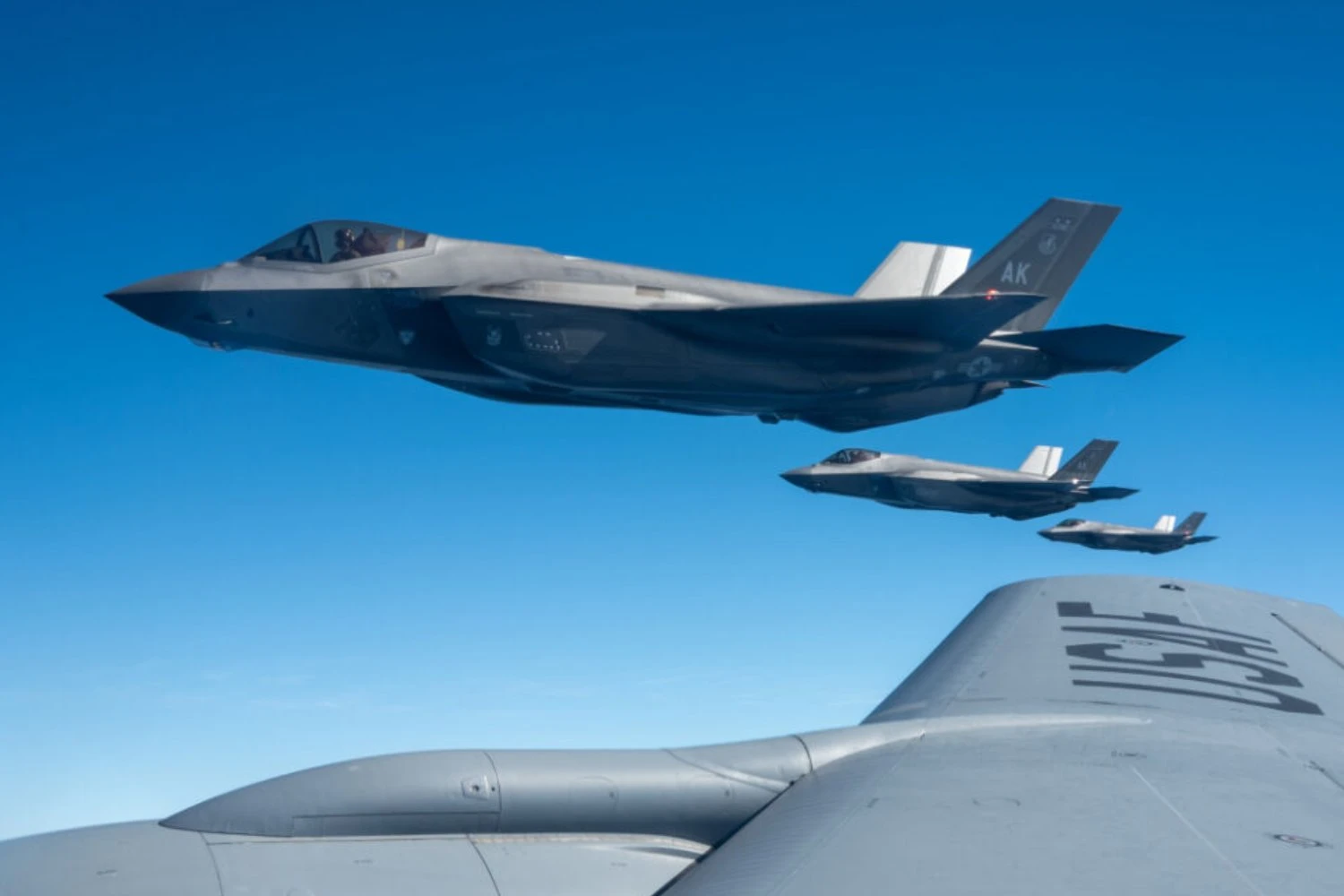
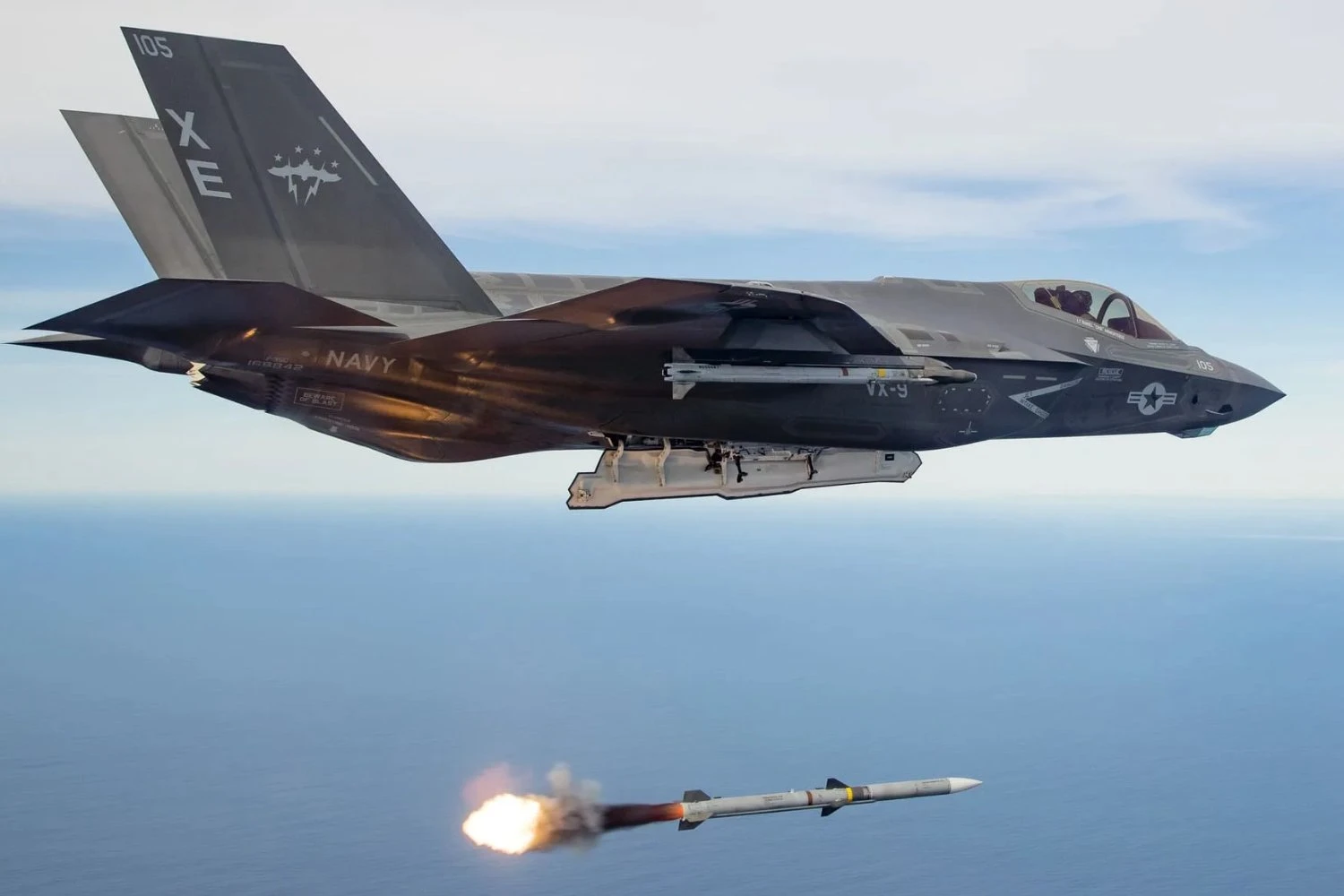
August 25, 2026
Block II will use a modular open-systems architecture and commercial off-the-shelf technology. The changes will be incorporated into newly manufactured E-2Ds and offered as retrofits for aircraft already in service.
The approach is particularly significant for an aircraft whose lineage is considerably older than the other types currently operating from US Navy aircraft carriers.
Oldest aircraft design on the carrier deck
The Hawkeye traces its origins to the E-2A, which first flew in 1960 and entered US Navy service in 1964. Although today's E-2D is vastly different internally, the basic configuration remains immediately recognizable: a high-wing twin-turboprop aircraft with a large rotating radar dome and four vertical tail surfaces.
Its longevity is unusual aboard modern US carriers. Fighters have progressed through several generations since the first Hawkeyes appeared, while other specialized aircraft have disappeared or been replaced.
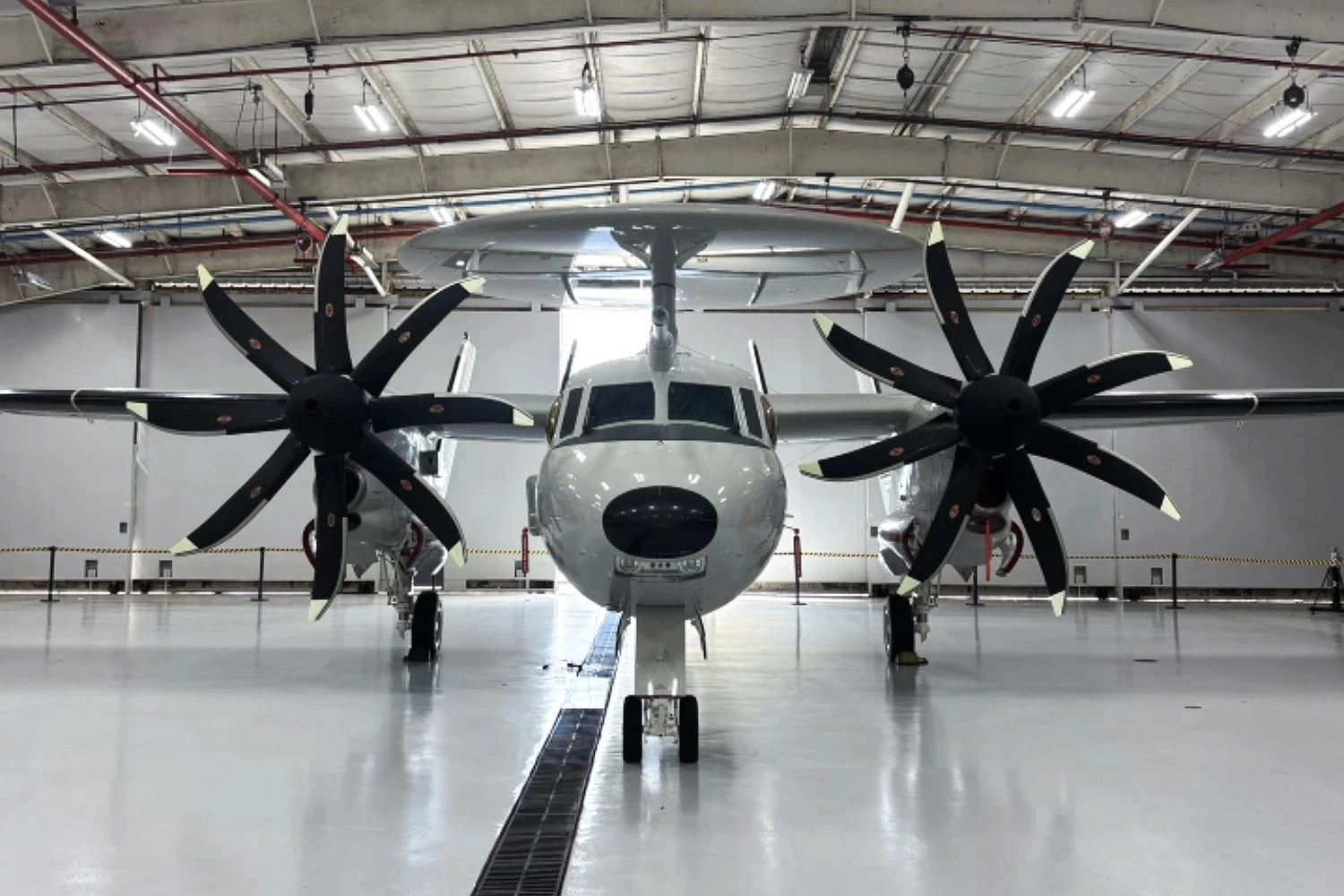
The Grumman C-2 Greyhound, itself derived from the E-2 and first flown in 1964, spent decades carrying passengers and cargo between carriers and shore bases. The Navy has been replacing it in the carrier onboard delivery role with the CMV-22B Osprey.
No equivalent retirement is approaching for the Hawkeye. Instead, the Navy continues buying E-2Ds and investing in successive upgrades intended to keep the aircraft operational for decades.
The E-2D entered service in 2014 as the latest major evolution of the family. Among its most important changes was the AN/APY-9 radar, combining mechanical rotation of the large dorsal rotodome with an electronically scanned array. The aircraft also received new avionics, mission computers and a redesigned cockpit compared with the E-2C it replaced.
France and Japan
Its role has also expanded beyond simply detecting aircraft at long range. The E-2D acts as an airborne command-and-control node for a carrier strike group, collecting and distributing information among ships and aircraft and helping manage engagements far beyond the immediate vicinity of the carrier.
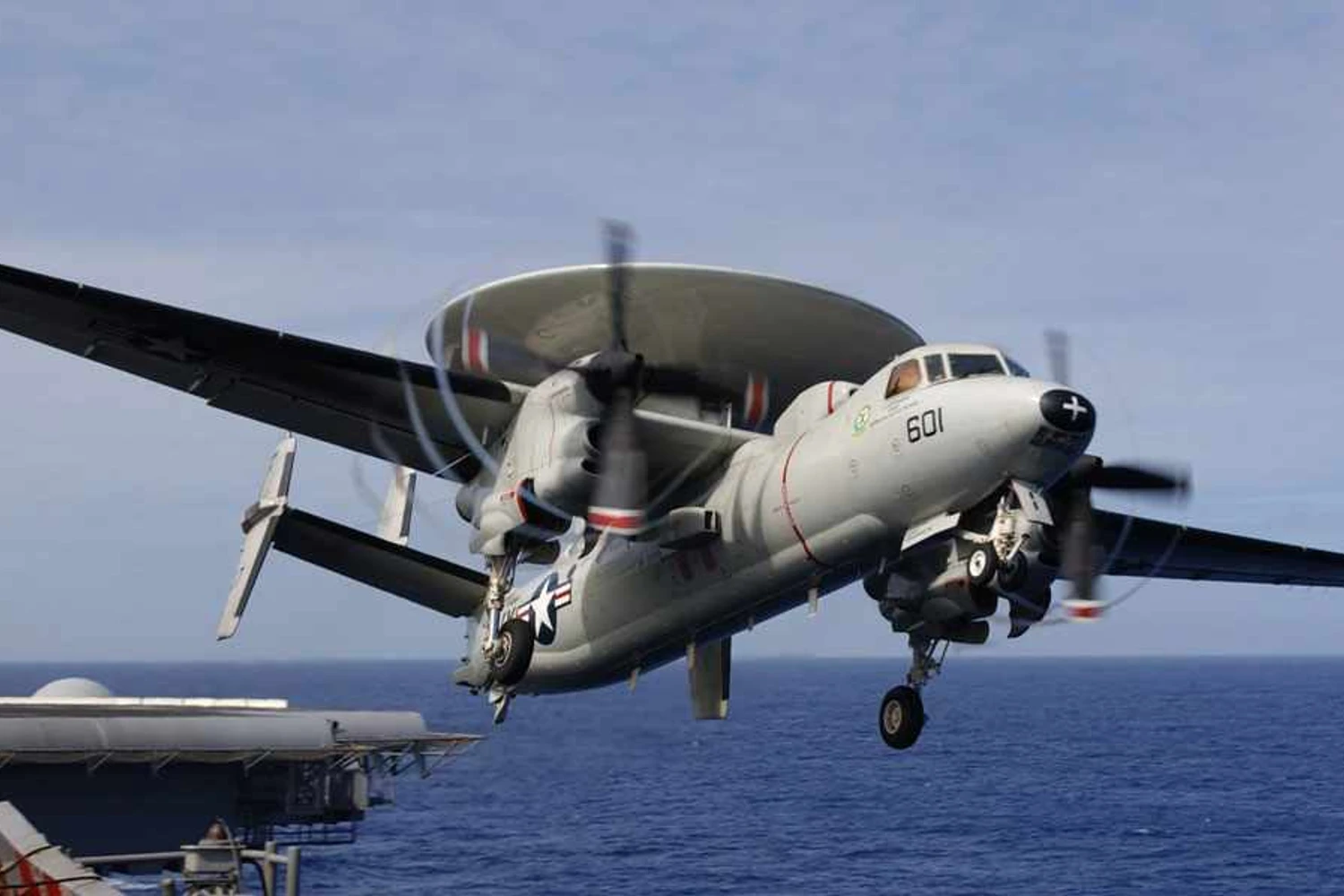
Block II is intended to keep that mission architecture adaptable as sensors, weapons and data networks continue to change. Northrop Grumman has not disclosed the complete equipment package or the precise schedule for retrofitting the existing fleet.
The completion of the critical design review means the configuration has matured sufficiently for integration and testing to begin. Northrop Grumman expects the first Block II aircraft to be delivered before 2030.
The E-2D is also operated outside the United States. Japan has ordered the Advanced Hawkeye to replace part of its older E-2C fleet, while France selected the E-2D to succeed the E-2Cs currently used aboard the aircraft carrier Charles de Gaulle.