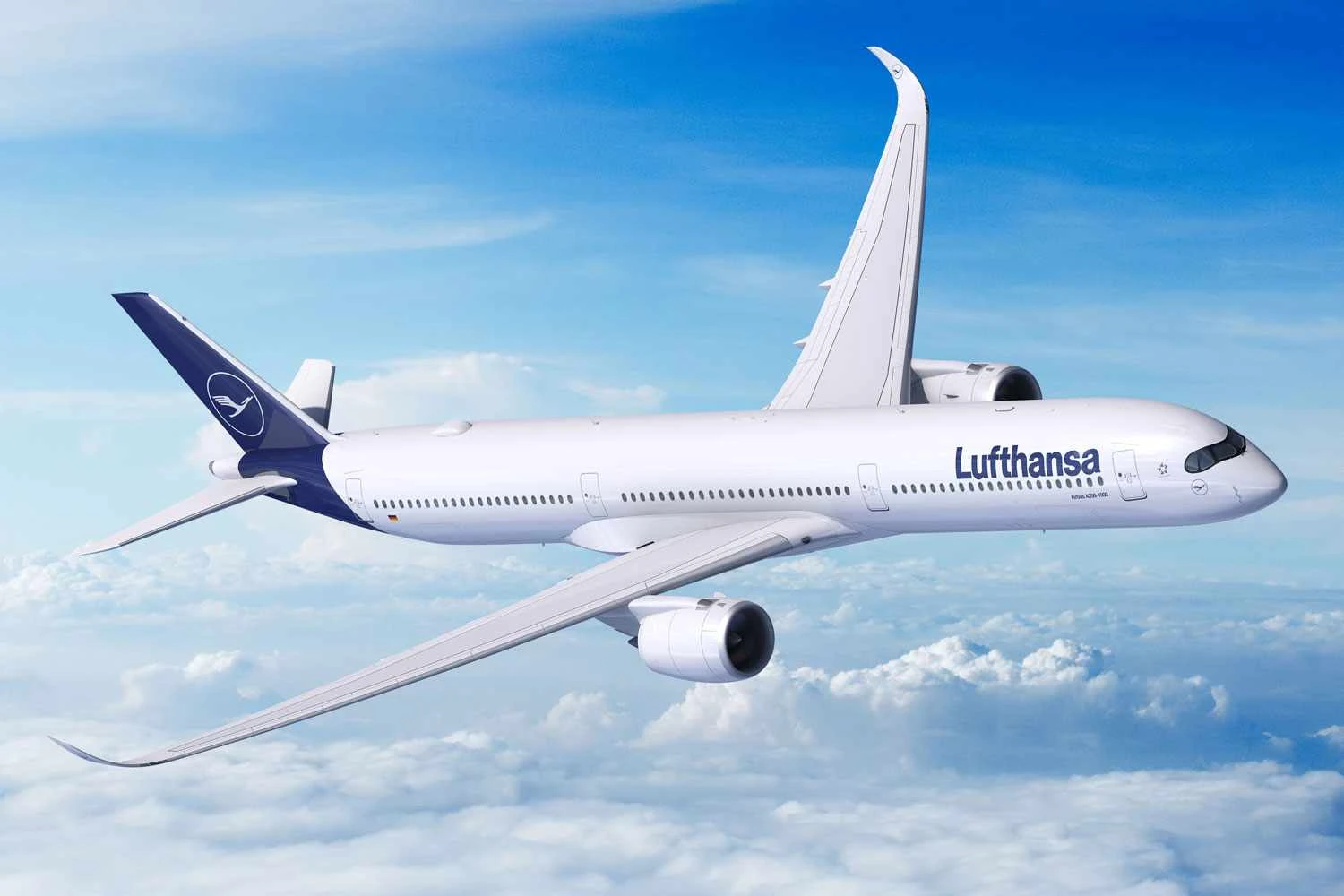
Lufthansa is preparing another widebody aircraft order that will pit the Airbus A350-1000 against the Boeing 777X, according to comments by Chief Executive Carsten Spohr during an internal meeting with employees reported by Aviation Week.
Spohr said the competition between the two manufacturers is expected to begin in the spring of 2027, with deliveries planned from 2033 onward. He did not disclose how many aircraft the airline intends to acquire.
Related news
September 21, 2026
September 21, 2026
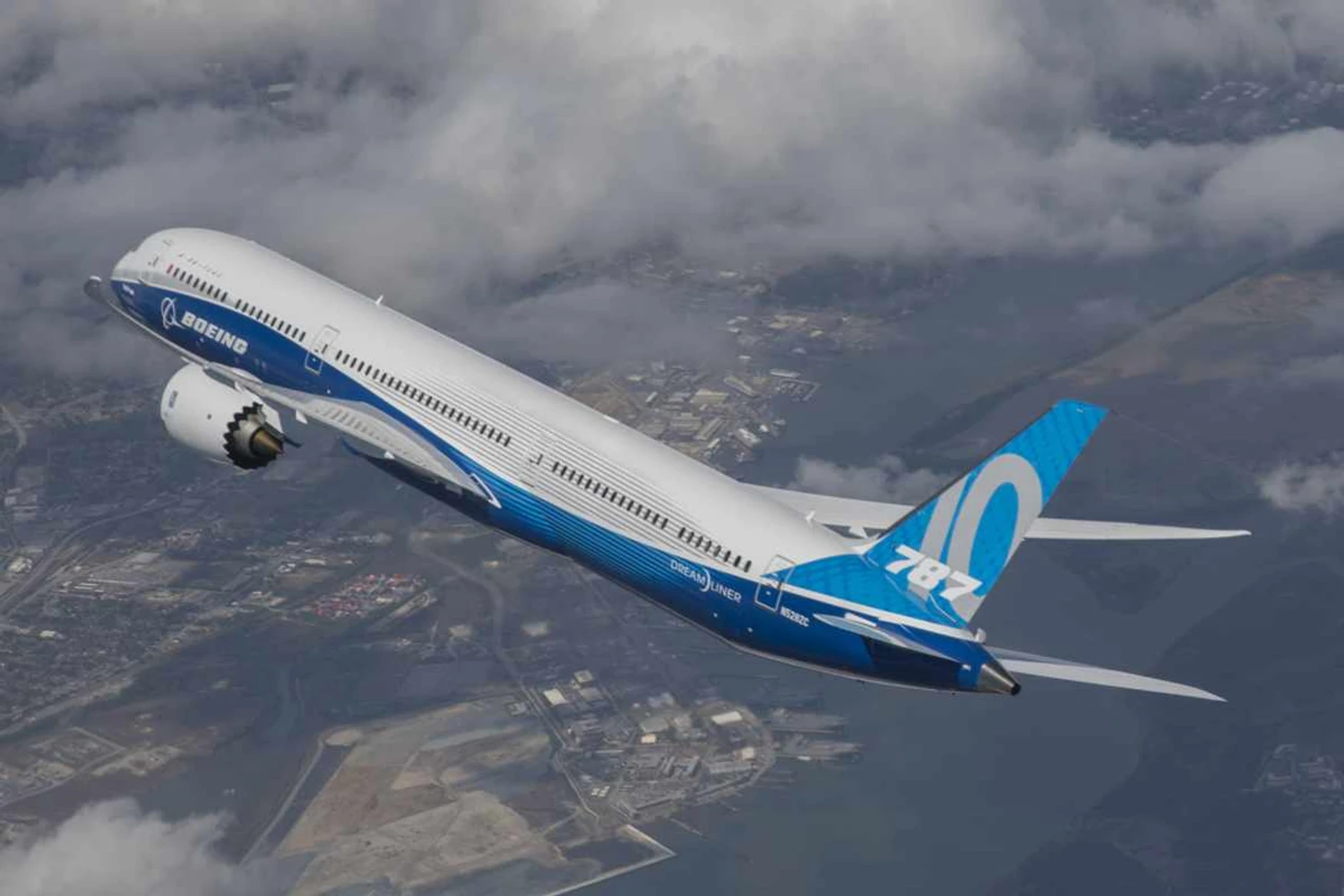
The German airline already has substantial commitments with both manufacturers. Its current order book includes 21 Airbus A350-900s, 15 A350-1000s, 25 Boeing 787-9s and 27 Boeing 777X aircraft, none of the A350-1000s or 777Xs having entered service yet.
Lufthansa remains the launch customer for the Boeing 777-9, although the program has slipped several years behind schedule. The airline now expects to receive its first aircraft during the first quarter of 2027 and has decided to keep part of its Airbus A340-300 fleet in service until the delayed twinjet arrives.
A new order would determine which manufacturer supplies the next generation of Lufthansa's largest long-haul aircraft. Another batch of Boeing 777Xs would likely operate primarily from Frankfurt, while additional A350-1000s could be divided between the airline's Frankfurt and Munich hubs.
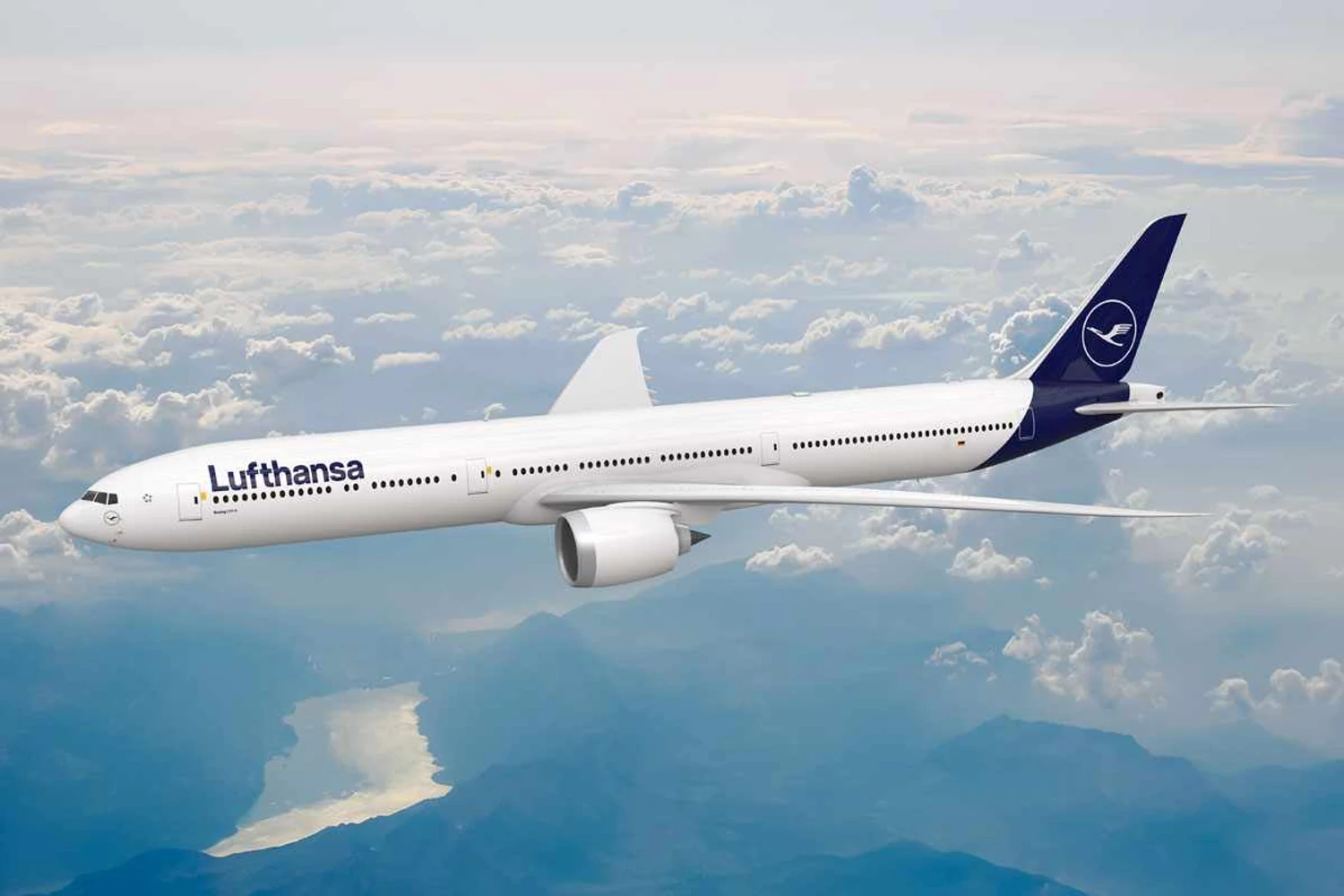
The A350-1000 and 777-9 sit at the upper end of the twin-engine long-haul market. In typical high-capacity layouts, the A350-1000 carries around 390 to 400 passengers, while the 777-9 can carry about 430, although Lufthansa has not disclosed final cabin configurations for either type.
Follow Air Data News: WhatsApp | Instagram | LinkedIn | Twitter | Facebook
The potential campaign comes only weeks after Lufthansa expanded orders already in place, adding ten Airbus A350-900s and ten Boeing 787-9s for delivery between 2032 and 2034.
Spohr also told employees the airline plans to simplify its European network. Lufthansa expects to remove another 15 aircraft from short-haul operations during 2027 while discontinuing additional routes that do not meet profitability targets.