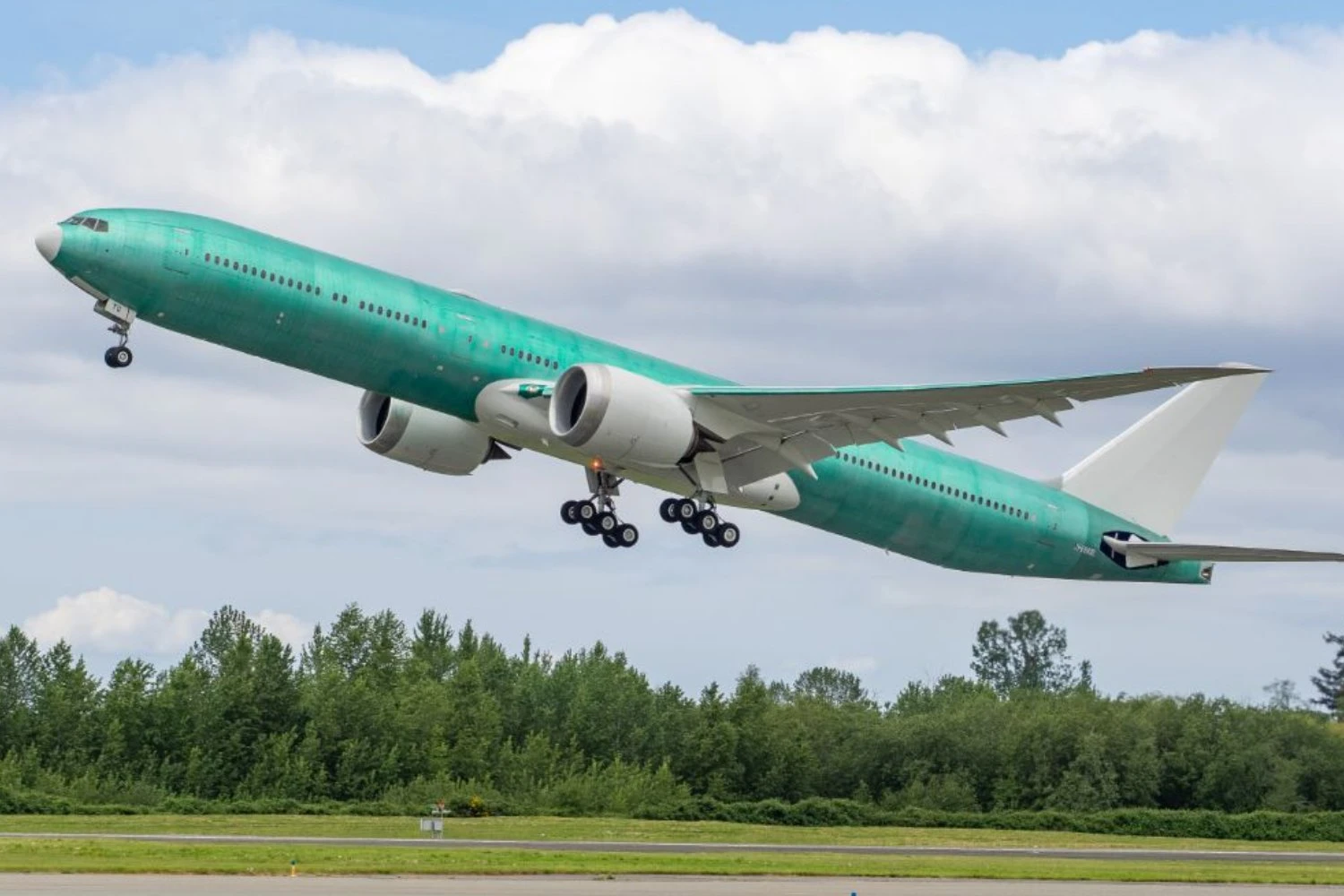
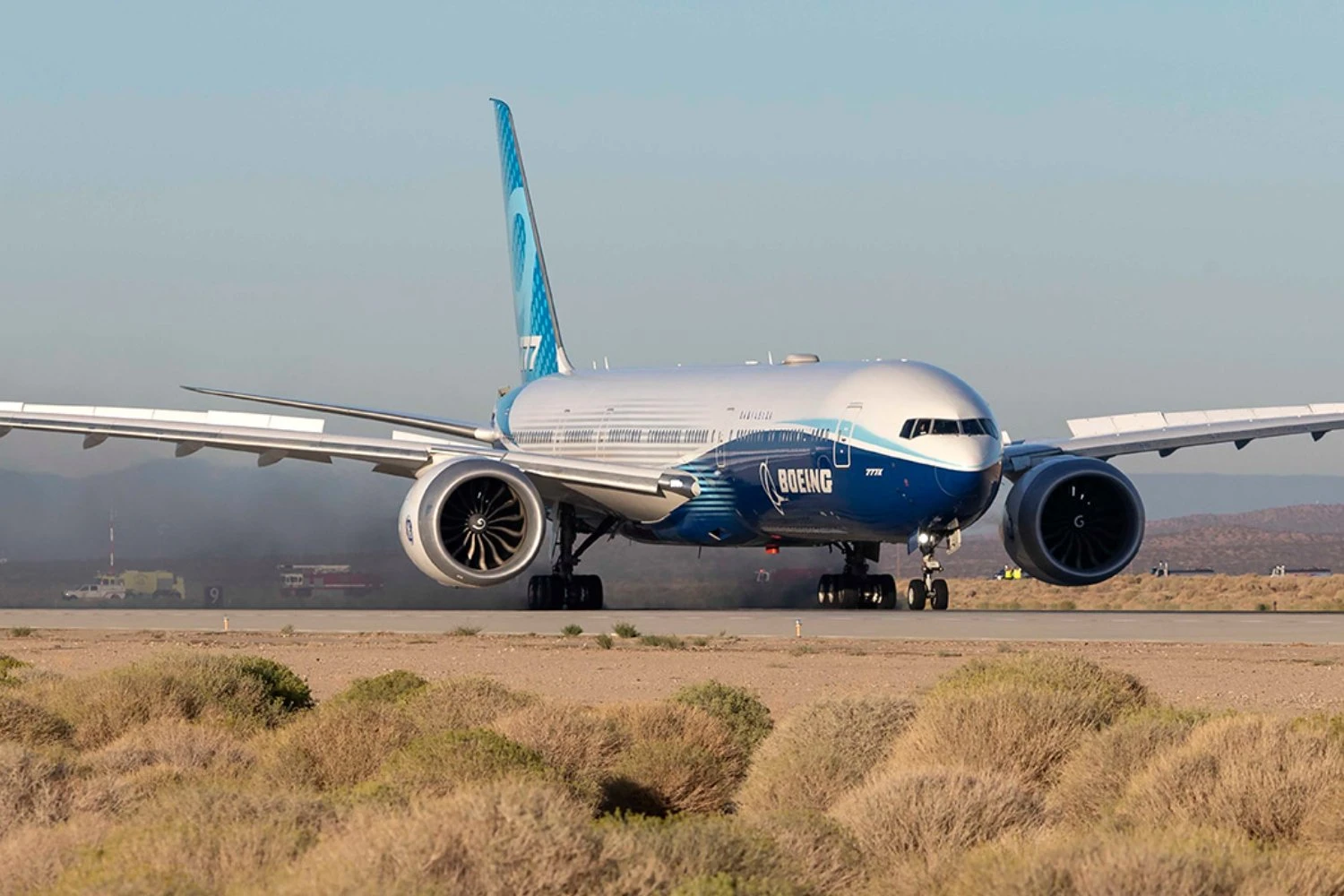
The Boeing 777-9 is now expected to receive certification in early 2027, according to comments made by U.S. Federal Aviation Administration (FAA) Administrator Bryan Bedford and first reported by Aviation Week.
Speaking during the CAPA Airline Leader Summit in Charleston, South Carolina, Bedford said he expects certification of the remaining Boeing 737 MAX variants to be completed first, followed by the 777X program.
Related news
September 21, 2026
September 21, 2026
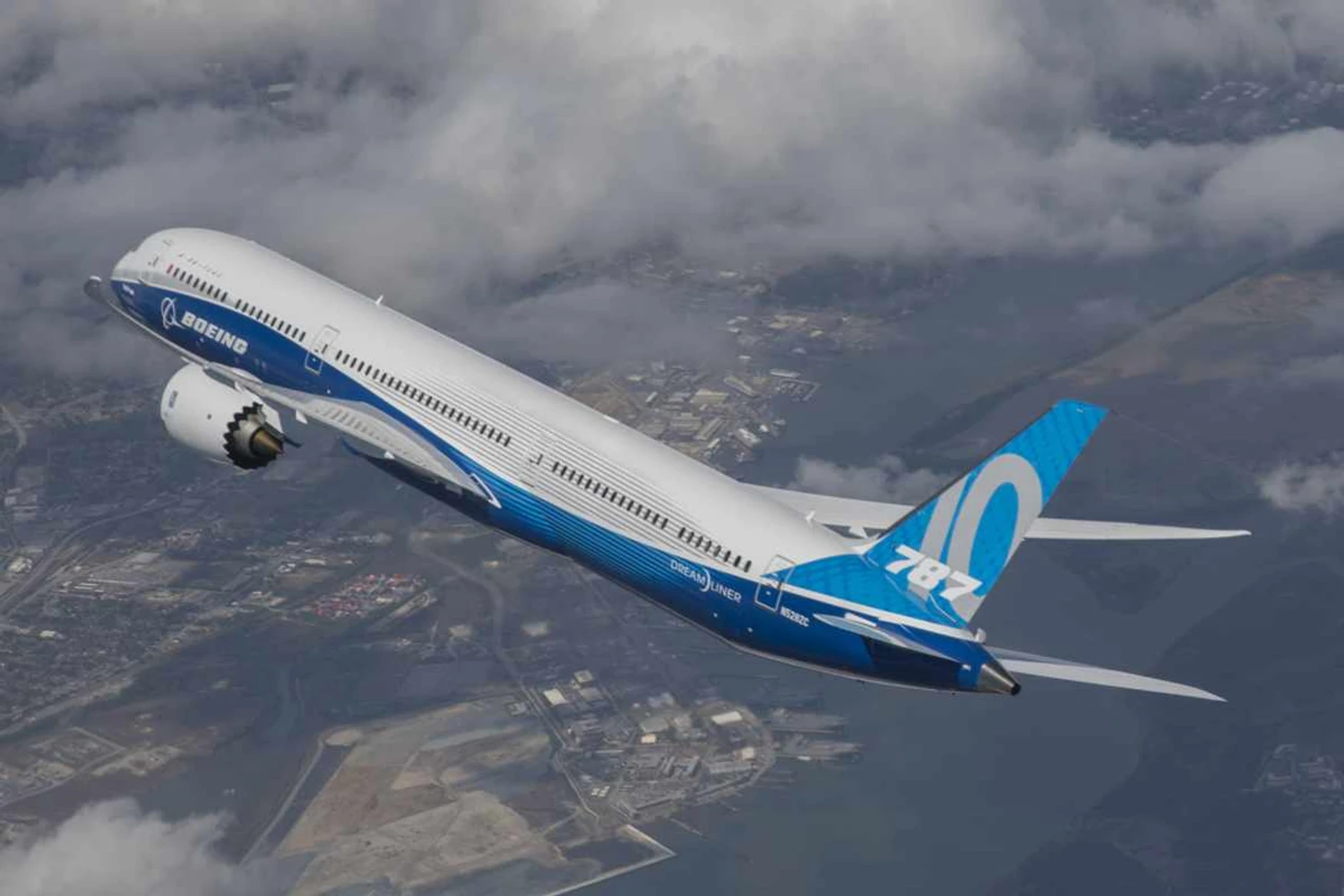
“I think we’ll get the MAX 7 first, then followed by the -10 and hopefully the 777 early next year,” Bedford said.
The timeline means another delay for Boeing's largest twin-engine aircraft. The manufacturer had previously indicated that certification activities were progressing toward completion in 2026, allowing deliveries to begin shortly afterward.

The aircraft nearing certification is the 777-9, the first and largest member of the 777X family. Powered exclusively by GE Aerospace's GE9X engines, the model is designed to carry more passengers than current-generation widebodies while offering lower fuel consumption than older four-engine aircraft.
Boeing has accumulated 541 firm orders for the 777-9 from airlines and leasing companies worldwide. Lufthansa is expected to become the launch customer once deliveries begin.
The 777-9 conducted its first flight in January 2020, but the certification campaign has faced multiple setbacks over the past several years, pushing entry into service far beyond Boeing's original schedule.
Follow Air Data News: WhatsApp | Google News | Instagram | LinkedIn | Twitter | Facebook
Boeing continues flight testing with a fleet of four 777-9 development aircraft. One of the final certification milestones involves Extended-range Twin-engine Operational Performance Standards (ETOPS) testing, required for long-haul operations over oceans and remote areas.
Among the largest customers are Emirates, Qatar Airways, Lufthansa, British Airways and Cathay Pacific. Boeing is also moving forward with the assembly of the first 777-8 Freighter, which will replace the 777F as its main large cargo aircraft.