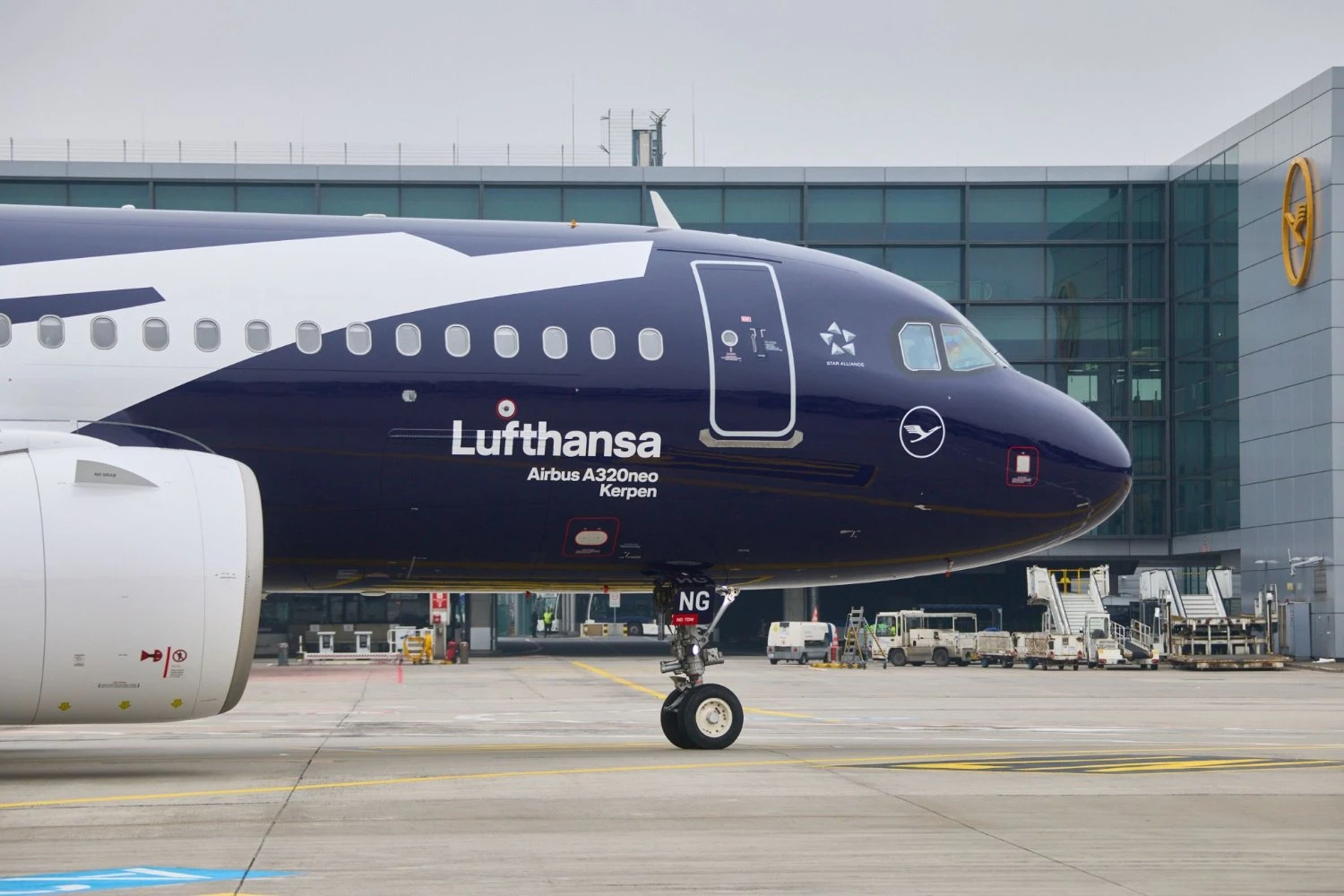
Lufthansa Group reported an improved financial performance in the first quarter of 2026, with revenue rising 8% to €8.7 billion while operating losses narrowed compared to the same period last year.
The group posted an adjusted operating loss (EBIT) of €612 million, compared with a loss of €722 million a year earlier. In practical terms, the company is still in the red for the quarter — which is typical for the season — but lost significantly less money than before. Net loss also improved, from €885 million to €665 million.
One of the clearest signs of recovery is demand. Lufthansa’s airlines filled more seats, with load factor rising to 81.9%, and generated more revenue per passenger. This was especially visible in March, when demand increased after flight capacity in the Middle East was disrupted, pushing travelers toward European hubs.
Related news
May 12, 2026
March 31, 2026
December 10, 2025
That shift helped Lufthansa compensate for routes it could not operate to the region. The group also added flights on routes to Asia and Africa, where demand picked up. Premium cabins performed well, indicating that higher-paying passengers are still traveling despite global uncertainty.
Costs, however, remain a concern. Excluding fuel, unit costs increased 2.5%, mainly due to higher wages and depreciation. Fuel is the biggest issue: the conflict involving the Middle East has pushed oil prices higher, directly affecting airline expenses.
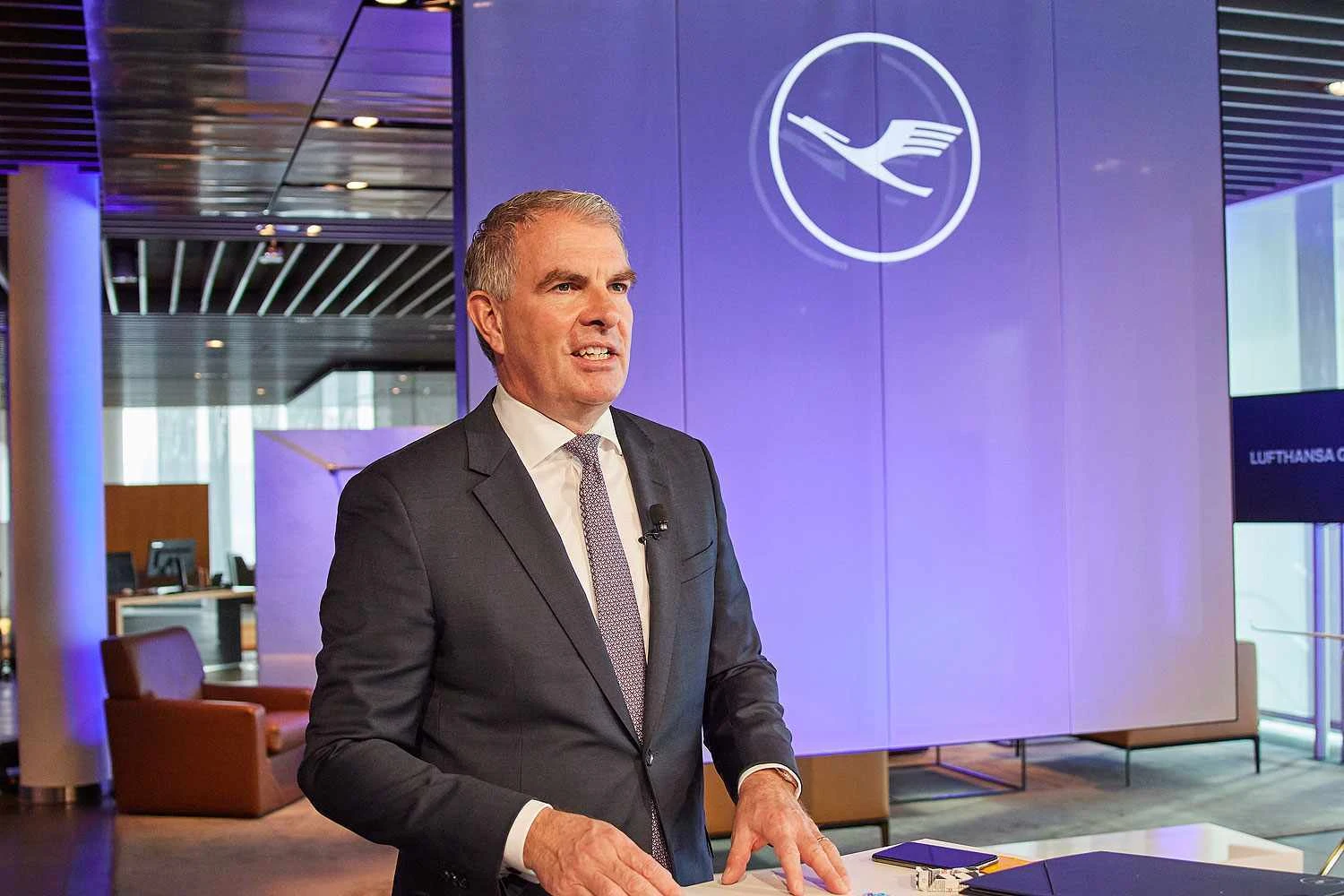
The group estimates that higher kerosene prices could add around €1.7 billion in extra costs in 2026. Even though about 80% of its fuel needs are hedged, the increase still has a significant impact on margins.
Outside passenger operations, other divisions helped support the results. Lufthansa Cargo improved its operating profit to €83 million, benefiting from stronger demand and better pricing, especially toward the end of the quarter. Lufthansa Technik, the maintenance and repair unit, remained stable with €158 million in operating profit, supported by continued demand from airlines worldwide.
Cash generation also improved. Adjusted free cash flow rose 65% to €1.4 billion, helped by stronger operations and lower capital spending. Net debt fell to €5.3 billion, down from €6.4 billion at the end of 2025, indicating a stronger financial position.
Recent news
September 21, 2026
September 21, 2026
September 21, 2026
Lufthansa expects demand to remain strong, particularly during the summer travel season. At the same time, the company acknowledges that uncertainty has increased, mainly due to fuel prices and geopolitical risks.
The group still expects to post a full-year operating profit higher than in 2025, but admits that earnings could fall short of earlier expectations as it works to offset higher fuel costs through ticket prices, network adjustments and cost controls.