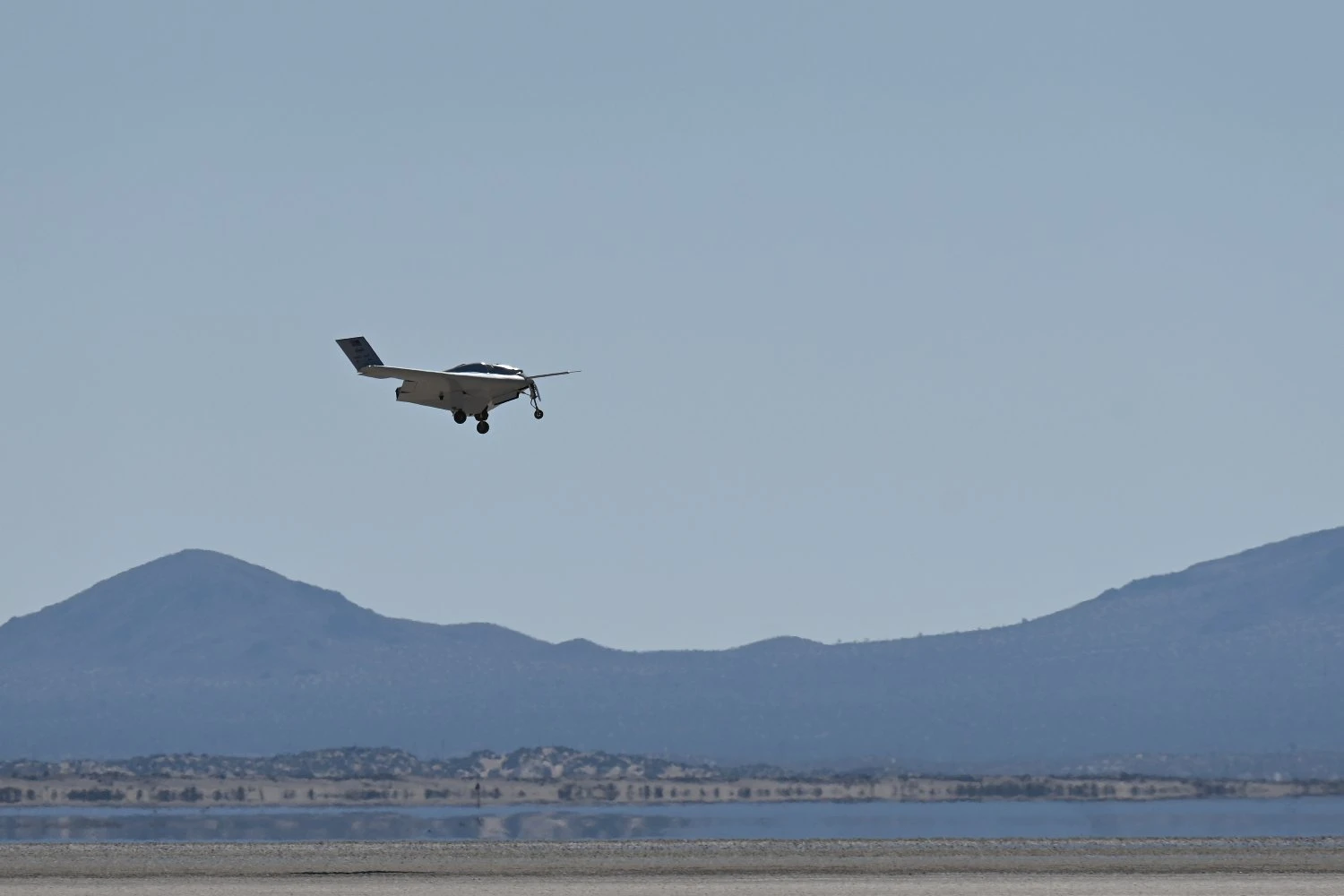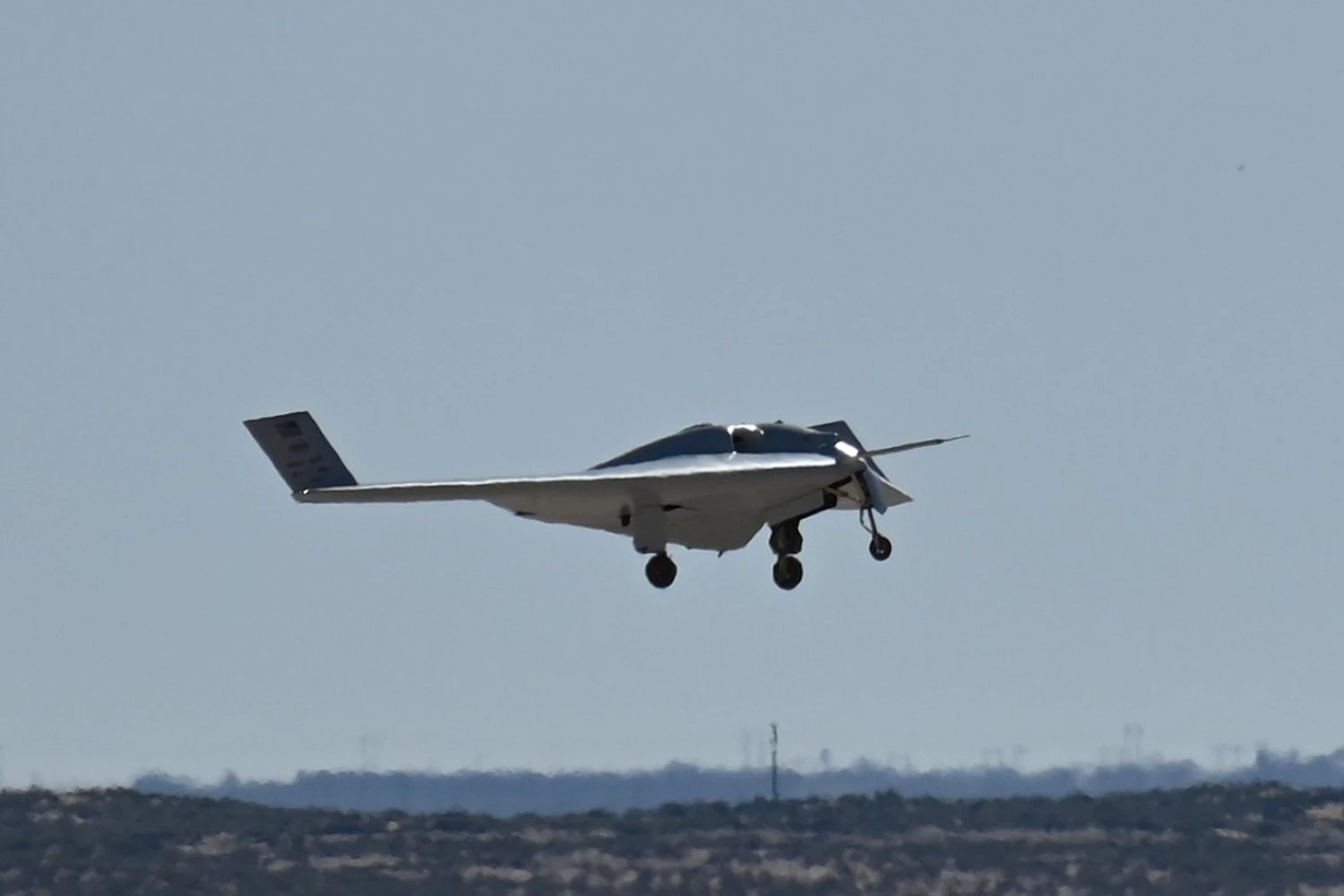
DARPA and Northrop Grumman have conducted the first flight of the XRQ-73, an experimental hybrid-electric unmanned aircraft developed under the SHEPARD program.
The flight took place in April at Edwards Air Force Base, California, marking the start of a flight test campaign focused on evaluating a new propulsion architecture that combines conventional fuel with electric power.
The XRQ-73 is part of the Series Hybrid Electric Propulsion AiRcraft Demonstration (SHEPARD), a program led by DARPA in collaboration with the U.S. Air Force Research Laboratory. The aircraft is designed to explore how hybrid-electric systems can be applied to future military platforms.
Follow Air Data News: WhatsApp | Google News | Instagram | LinkedIn | Twitter | Facebook
“This milestone is not just about a single flight,” said Lt. Col. Clark McGehee, SHEPARD program manager. “The architecture proven by the XRQ-73 paves the way for new types of mission systems and delivered effects.”
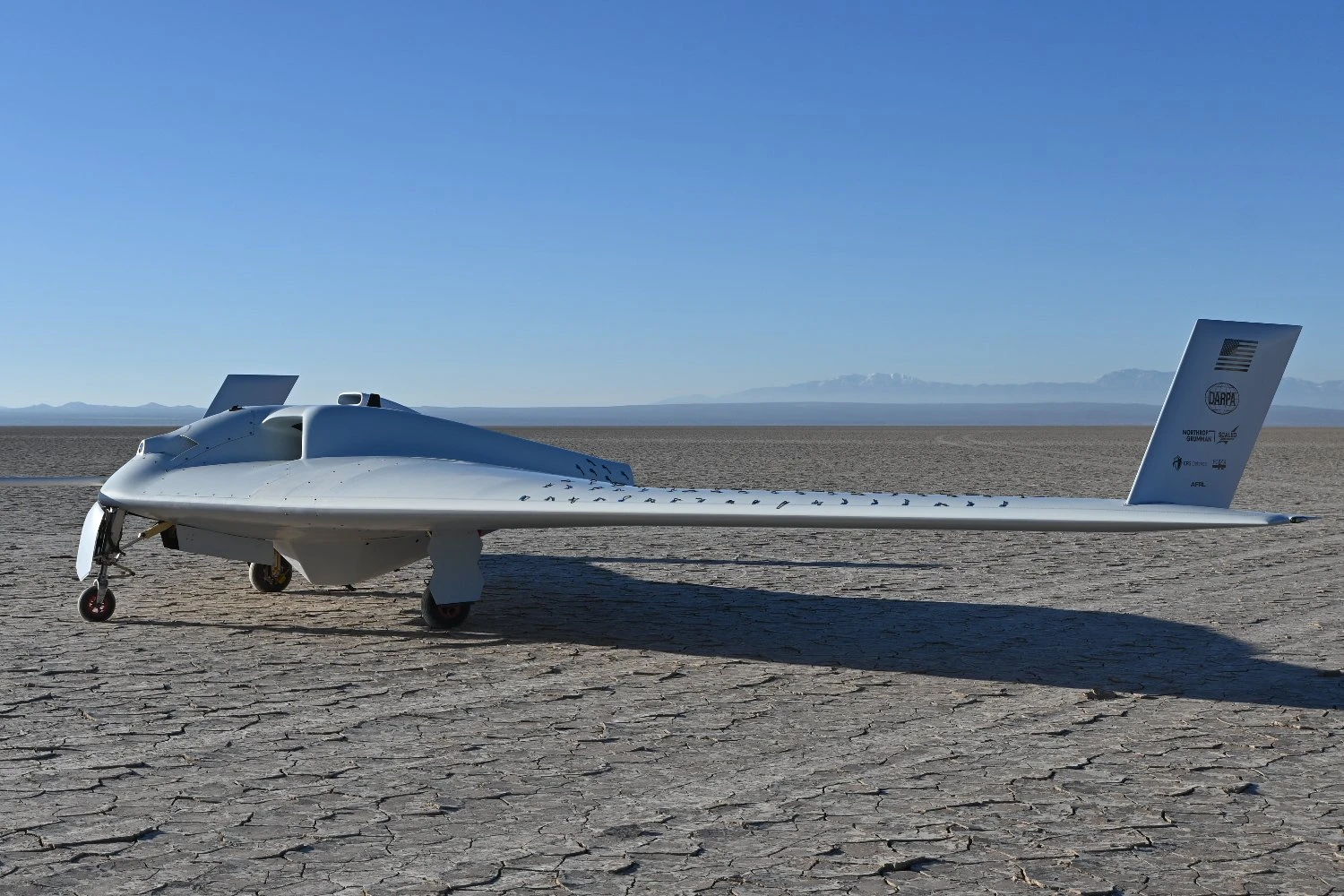
According to DARPA, the goal is to assess whether hybrid-electric propulsion can support new aircraft concepts with different performance characteristics, particularly in terms of efficiency and operational flexibility.
Northrop Grumman, which designed and built the aircraft, said the XRQ-73 will be used to demonstrate propulsion technologies intended for lightweight autonomous systems. The company has accumulated more than 500,000 autonomous flight test hours over several decades.
Related news
August 18, 2026
“We look forward to advancing this technology through the flight test program and delivering new capabilities for our warfighters,” McGehee added.
The test campaign will now focus on expanding the flight envelope and validating the system under different operating conditions as the program progresses.