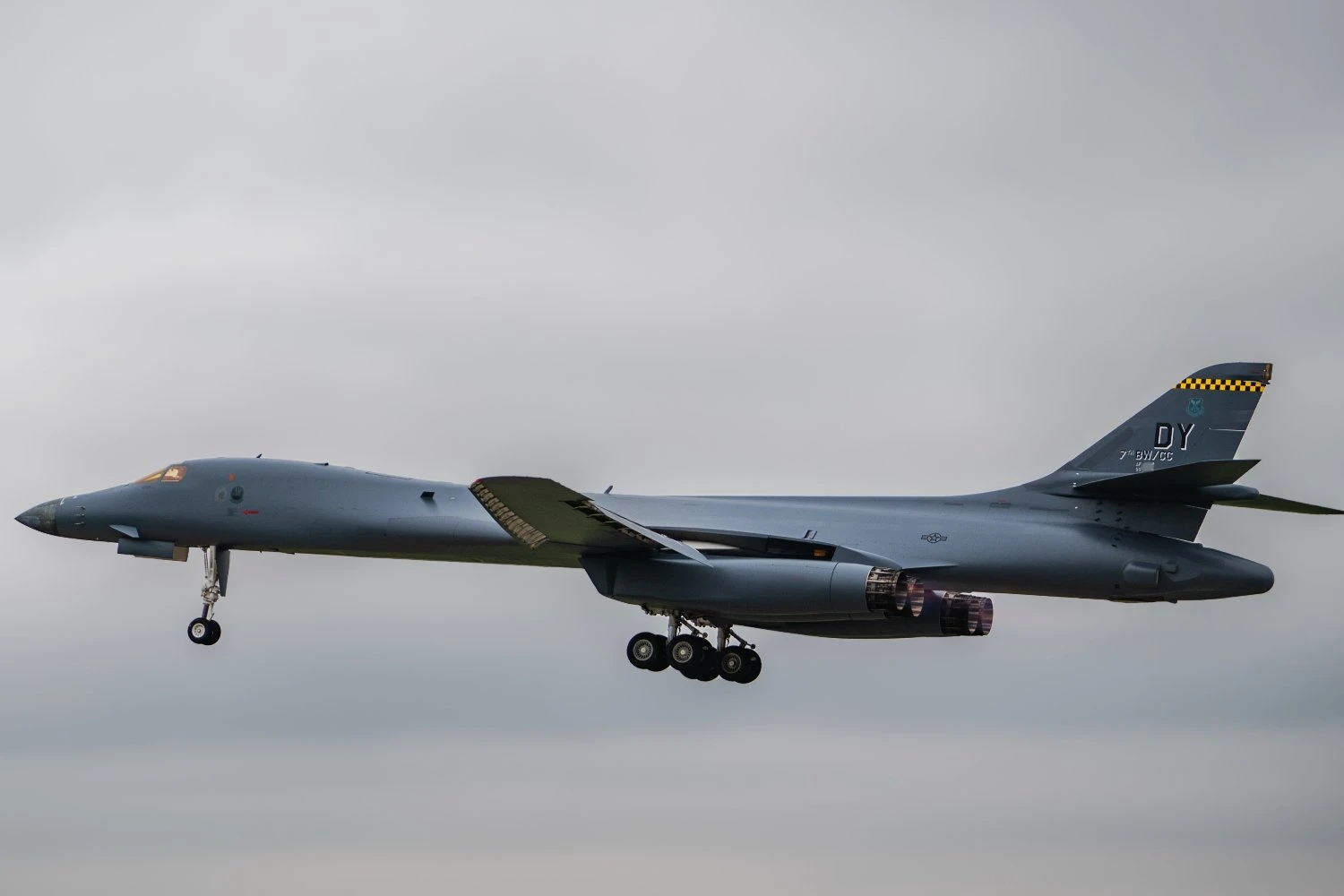
A United States Air Force (USAF) B-1B Lancer that had been placed in storage in 2021 has been returned to active service following a complex regeneration and depot maintenance effort, highlighting the service’s need to sustain its bomber fleet.
The aircraft, previously stored at the 309th Aerospace Maintenance and Regeneration Group at Davis-Monthan Air Force Base in Arizona, was brought back to operational condition after nearly two years of work at Tinker Air Force Base in Oklahoma. The process included structural repairs, system overhauls and the replacement of more than 500 components.
More than 200 personnel from the 567th Aircraft Maintenance Squadron were involved in the effort, working extended shifts to complete the restoration. “They overcome so many obstacles and work together to accomplish repairs that nobody else in the bomber community could do,” said Steven Mooy, a master scheduler with the unit.
Related news
The aircraft underwent functional check flights earlier this year in a stripped, unpainted configuration to validate its systems and performance before entering final refurbishment, including repainting and preparation for delivery. It departed Tinker on April 22 and has since returned to Dyess Air Force Base in Texas.
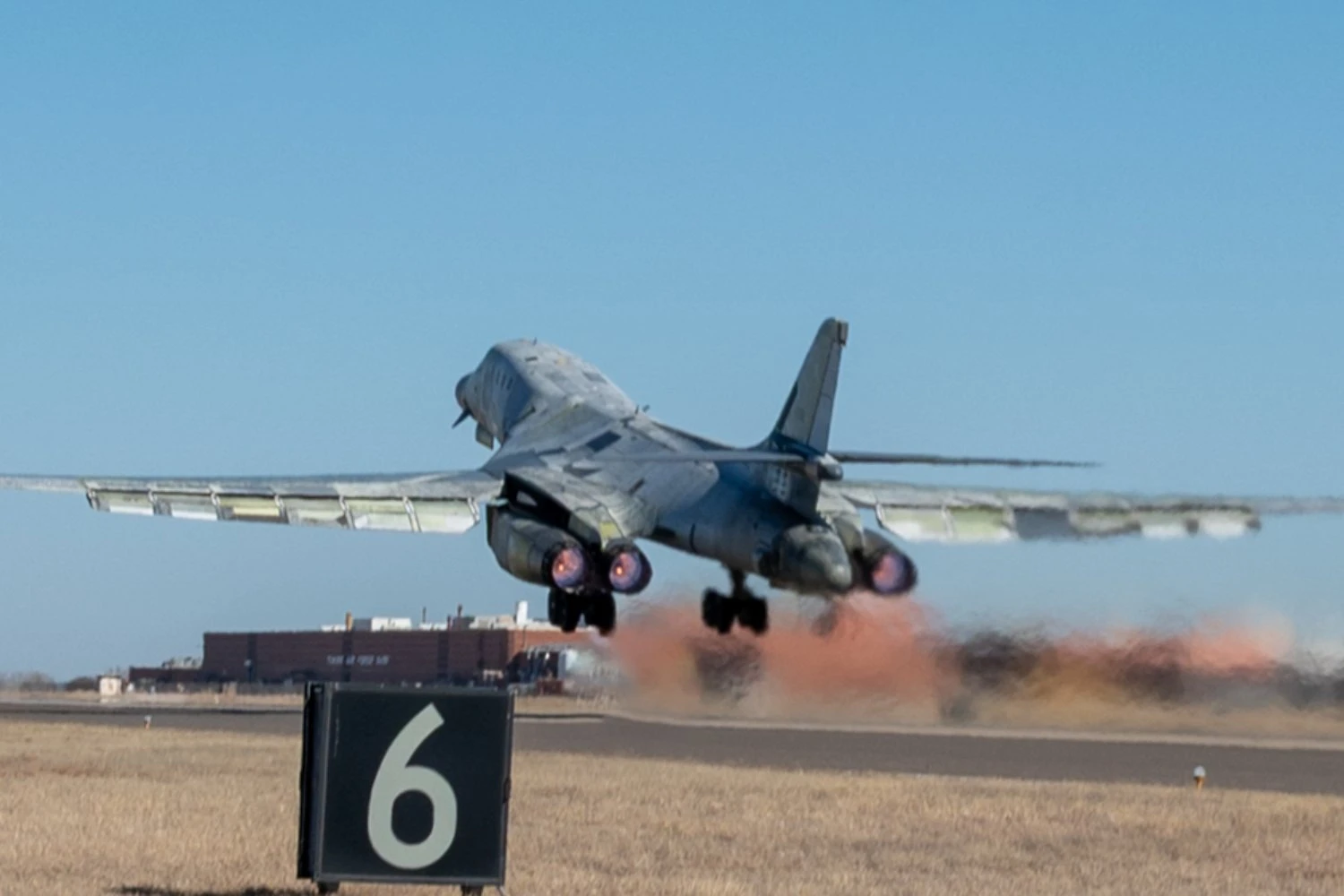
Rockwell B-1B Lancer | USAF 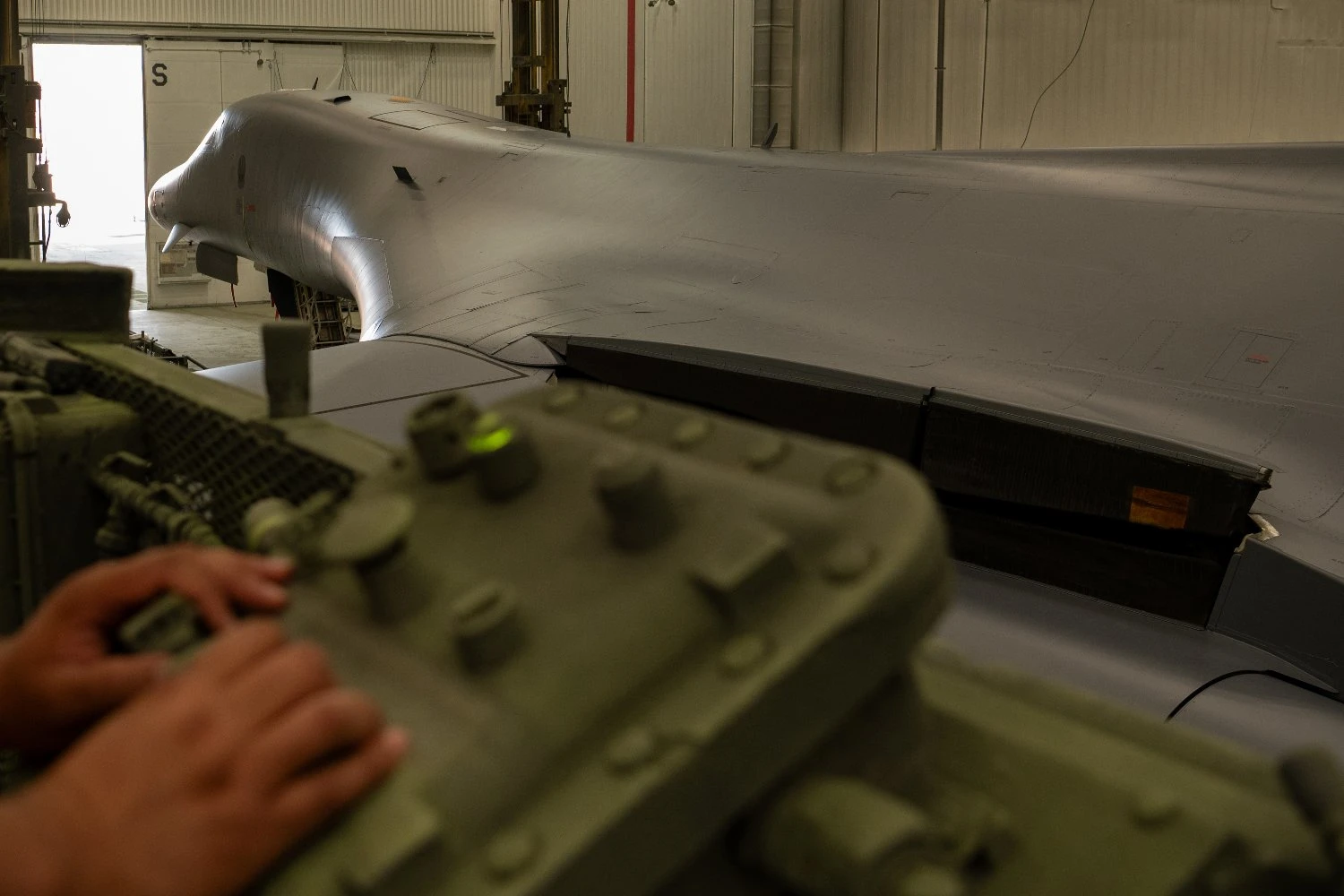
B-1B Lancer | USAF 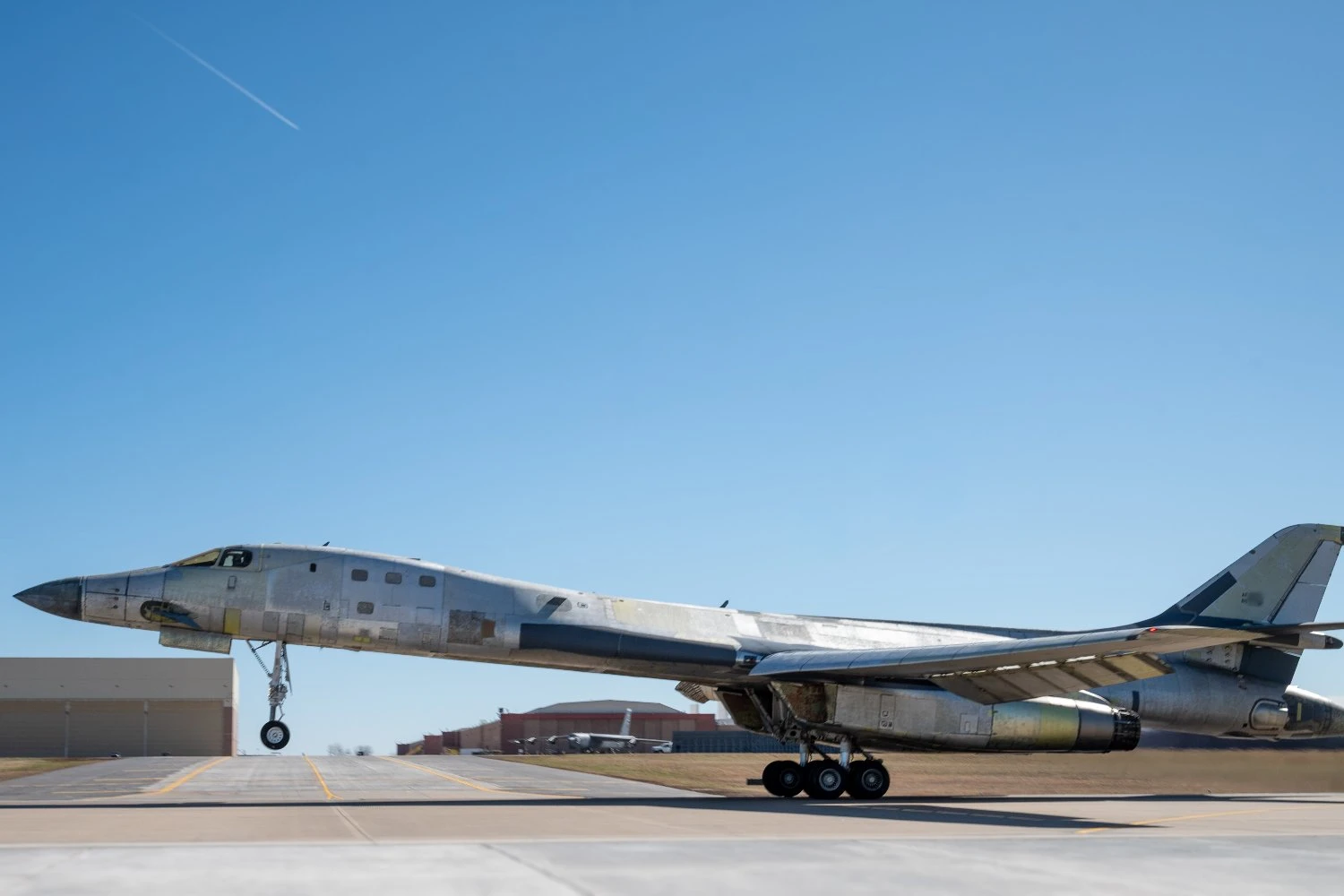
Rockwell B-1B Lancer | USAF



The restored bomber, tail number 86-0115, had been among 17 B-1Bs retired in 2021, with a small number kept in a condition that would allow potential reactivation. Its return marks one of the few cases in which a U.S. bomber has been pulled from long-term storage and restored to front-line service.
The aircraft has been renamed “Apocalypse II,” referencing a World War II-era B-24 Liberator, and now serves with the 7th Bomb Wing. It replaces capacity lost from previous incidents and helps stabilize fleet numbers at a time when availability has been under pressure.
The decision to bring the bomber back comes as the U.S. Air Force continues to rely on the B-1B fleet while developing the next-generation B-21 Raider. Budget documents indicate the service plans to maintain 44 B-1Bs in service and keep at least part of the fleet flying into the late 2030s, reversing earlier plans to retire the type earlier.