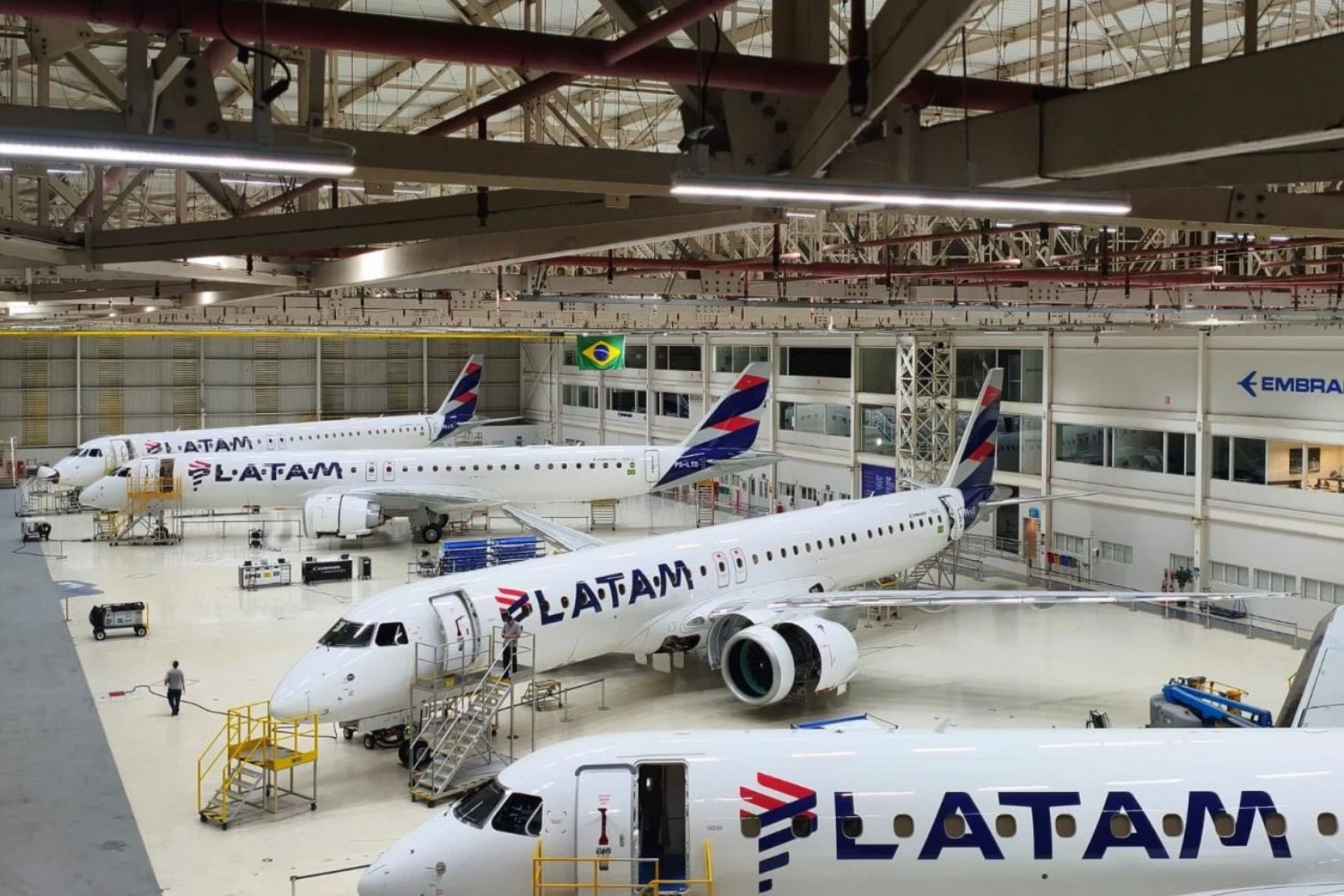
Embraer's E-Jet has become a global commercial success, carrying passengers for airlines across the United States, Europe, Asia and other markets. Yet in Brazil, the country where it is built, the aircraft has spent nearly two decades flying commercially for essentially one airline group.
That will finally change on Monday, November 30. LATAM Brazil will begin scheduled operations with the E195-E2, becoming the first major Brazilian airline outside Azul — and the former TRIP, which was later absorbed by Azul — to adopt an E-Jet.
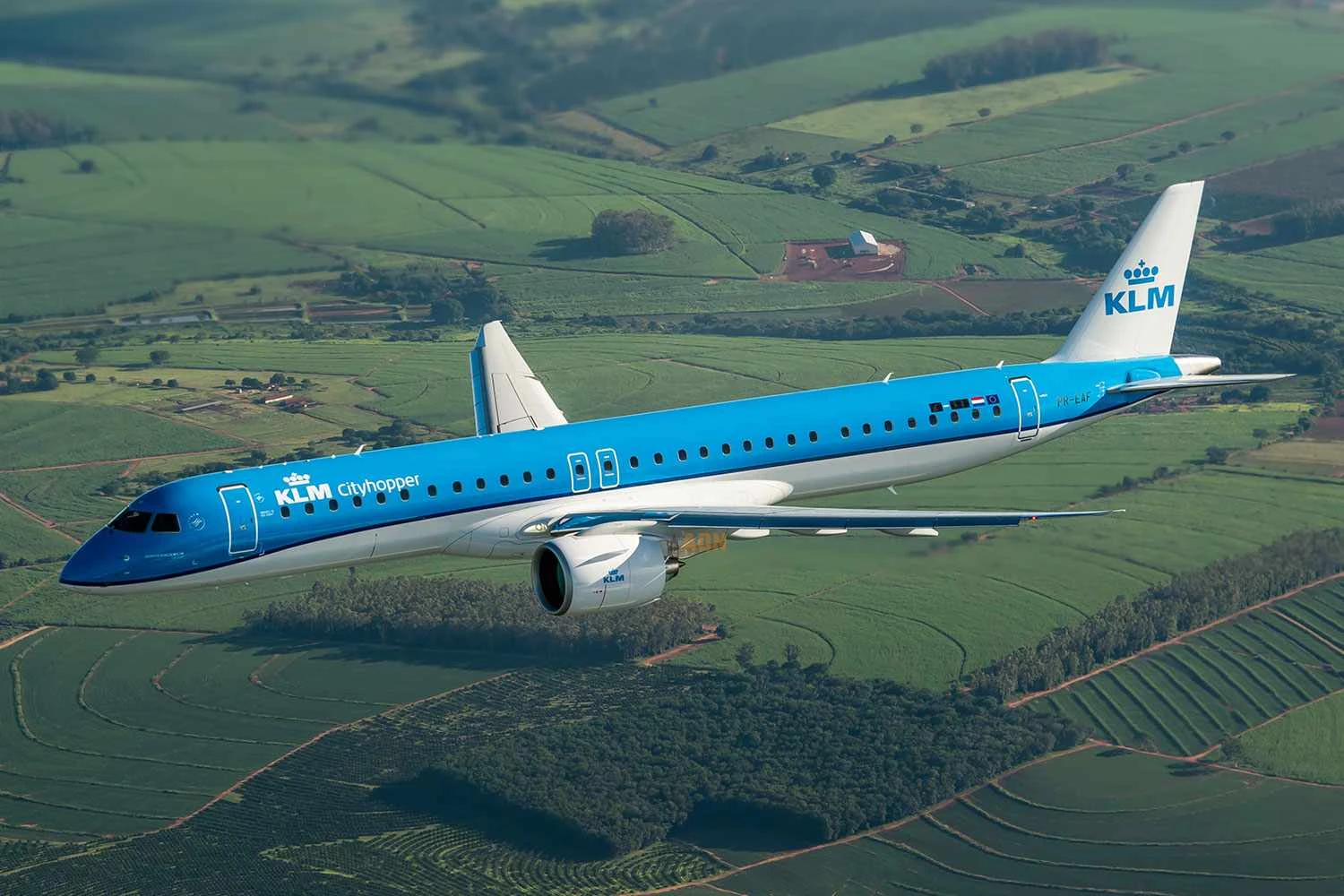
The contrast is significant for an aircraft family that entered service in 2004 and reached 2,000 deliveries earlier this year. More than 90 airlines in 60 countries have operated E-Jets, according to Embraer, and the worldwide fleet has accumulated around 48 million flight hours.
Brazilian airlines proved considerably harder to convince. Azul launched operations in December 2008 with the E190 and E195 at the center of its fleet. TRIP followed with the smaller E175 in 2009, but the two companies later merged.
Follow Air Data News: WhatsApp | Instagram | LinkedIn | Twitter | Facebook
For years afterward, that left Embraer with Azul as the only major scheduled airline operating its commercial jets in Brazil. LATAM and GOL continued relying on Airbus and Boeing aircraft.
LATAM is now changing that with six E195-E2s already delivered from a firm order for 24 aircraft, plus 50 options. Commercial operations with the type begin on Monday.
A deal that almost happened 25 years ago
The wait could have been much shorter. In fact, TAM, the Brazilian airline that later became part of LATAM, came close to becoming one of the original customers for the E-Jet family before the aircraft had even entered service.
At the Paris Air Show in June 2001, TAM founder and president Rolim Amaro announced a memorandum of understanding covering 25 Embraer ERJ 190-200s, as the future E195 was then known, plus 75 options.
The potential deal for as many as 100 aircraft was worth up to US$3 billion at the time. Deliveries were expected to begin in 2004, and the options could also be converted to the smaller ERJ 170.
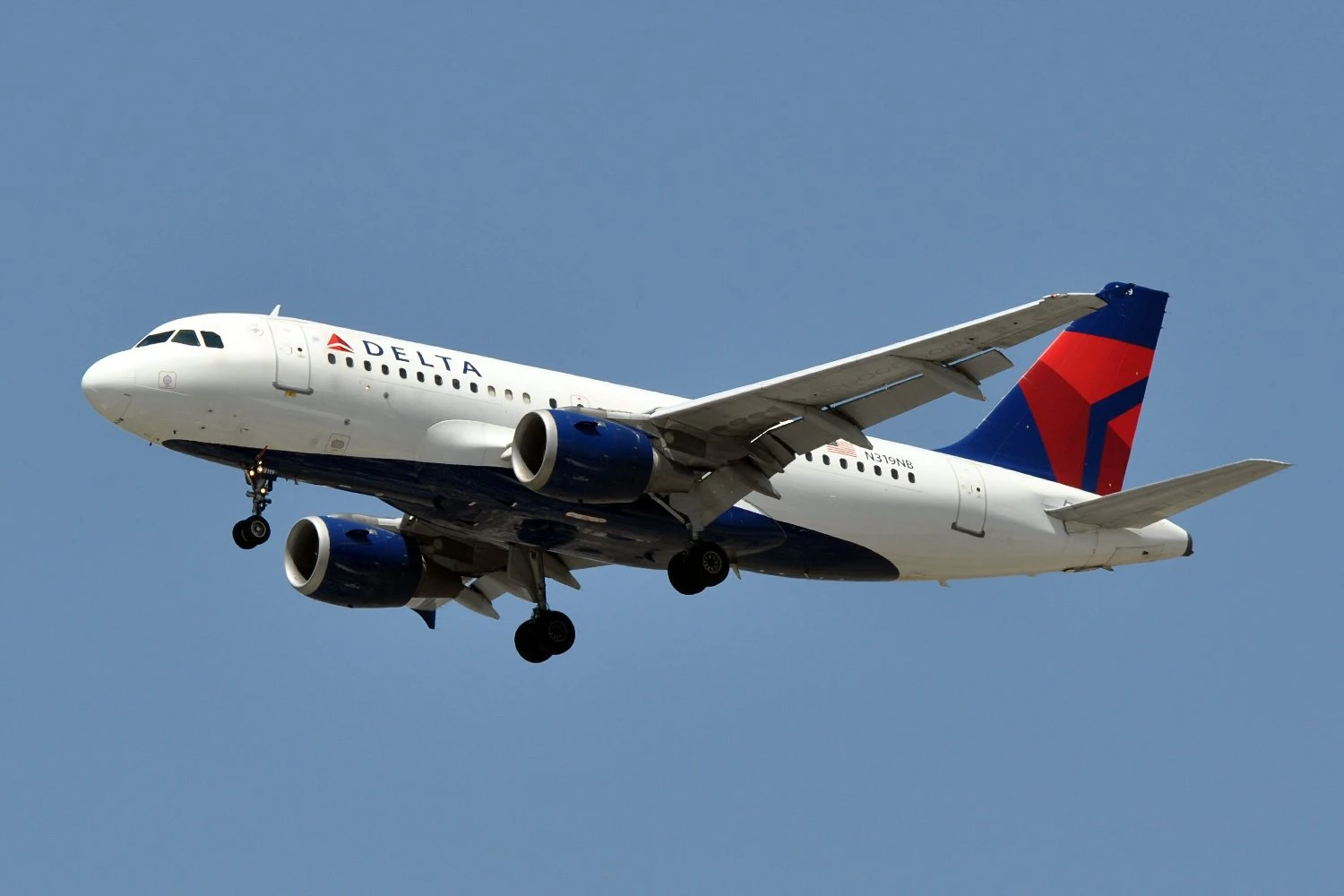
TAM was looking for a successor to its Fokker 100 fleet, and the new Embraer family appeared to fit that requirement. But the airline was considering another small jet at exactly the same time: it also announced plans at Le Bourget for 20 Airbus A318s.
Less than three weeks later, Rolim died in a helicopter crash. Brazil was also entering a difficult economic period that included an energy crisis, and neither of the plans progressed as originally envisioned. The Embraer agreement was never converted into a firm order.

TAM ultimately remained with Airbus for its narrowbody fleet. By the time the E-Jet finally began flying commercially in Brazil, it was not carrying TAM colors.
Azul gave the E-Jet a home in Brazil
The first E-Jet entered passenger service with Poland's LOT in 2004, and the family quickly found customers outside Brazil.
It took another four years for one to enter airline service in the country where it was manufactured.
Azul changed that when it began operations in December 2008. The newly created airline selected the E190 and E195 as its main aircraft and used their smaller capacity to build a network that differed from those of TAM and GOL.
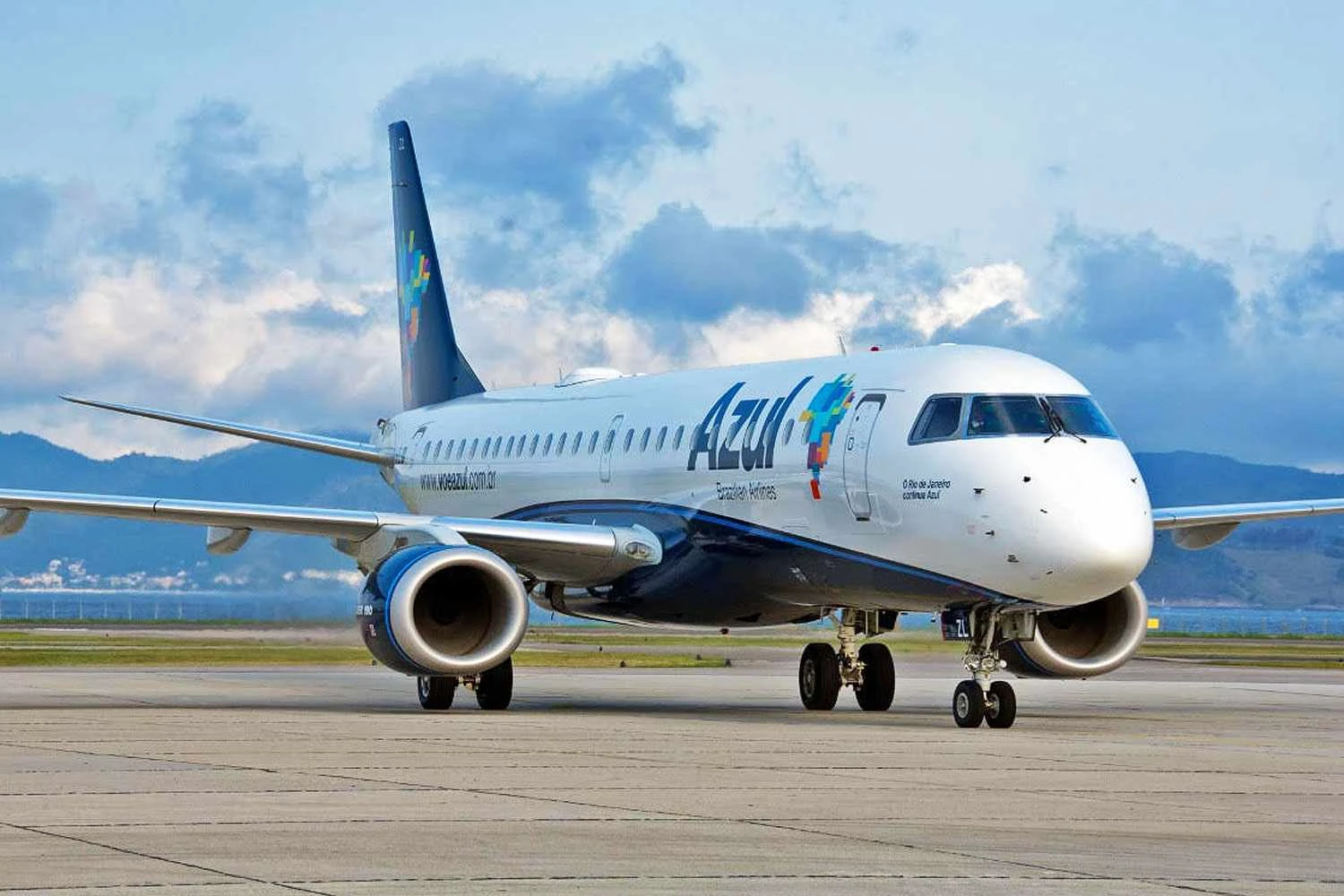
TRIP, then an independent regional airline, added the E175 the following year. But instead of creating a second large and lasting customer for Embraer, TRIP eventually became part of Azul. The two airlines announced their combination in 2012, consolidating most Brazilian E-Jet operations under the same company.
Recent news


The relationship grew further with the second generation. Azul became the global launch operator of the E195-E2 in 2019 and has since built one of the world's largest E-Jet fleets.
In September 2026, the airline also received the 2,000th E-Jet produced by Embraer, an E195-E2. It was an appropriate milestone for the manufacturer, but also an illustration of how unusual its domestic customer base remained.

LATAM finally makes its move
The possibility of breaking that pattern became more concrete in 2024, when Embraer acknowledged talks with both LATAM and GOL.
A year later, LATAM committed to 24 E195-E2s and secured options for another 50. The firm portion of the agreement was valued at approximately US$2.1 billion at list prices.
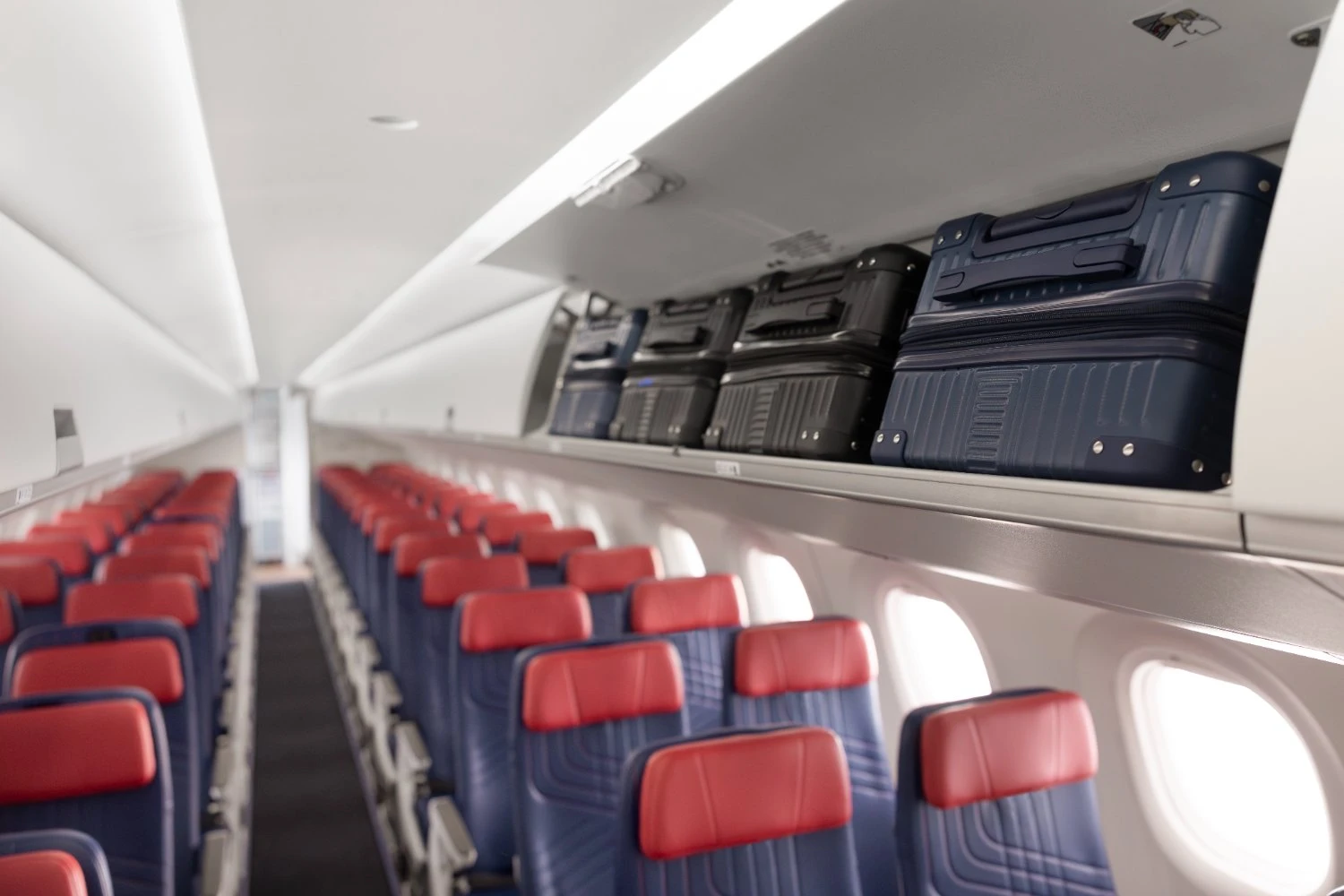
The choice does not mean abandoning Airbus. LATAM continues to operate a large A320-family fleet, while the E195-E2 gives it a 136-seat aircraft for markets where that capacity can be more suitable.
The first results are encouraging enough for the airline to be expanding its plans before scheduled operations have even begun.
LATAM Brazil CEO Jerome Cadier said last week that ticket sales for the initial E195-E2 routes were running above expectations, although he cautioned that about six months of operations would be necessary before the company could properly assess the strategy.
The airline is not using the aircraft only to replace capacity on routes it already serves. The E195-E2 will also take LATAM to cities outside its current network.
Related news
November 26, 2026

Four new destinations were initially announced. Last week, the company added another six for 2027, taking to ten the number of Brazilian cities it plans to add with the new fleet.
The aircraft therefore arrives with a role similar to the one that helped make the E-Jet successful elsewhere: providing enough capacity to develop thinner markets without requiring the airline to fill a larger narrowbody.
GOL may no longer be far behind
LATAM may also cease to be Embraer's newest Brazilian airline customer relatively soon.
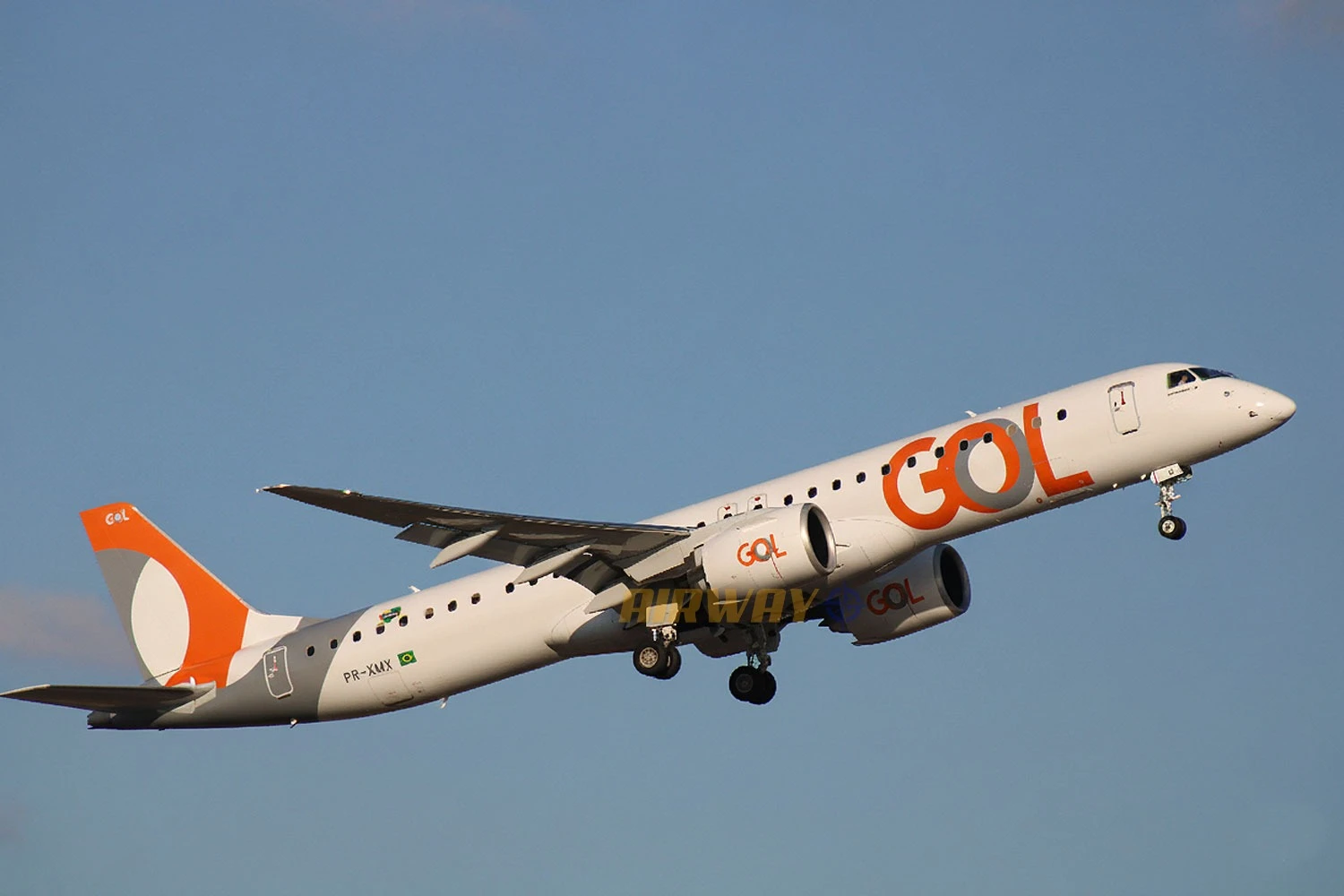
Abra Group, which controls GOL and Colombia's Avianca, placed a firm order for 20 E195-E2s in July, with 10 options and purchase rights for another 15 aircraft. Deliveries are scheduled to start in late 2027.
Abra has not disclosed how the aircraft will be allocated between its airlines, so it remains unclear whether GOL will operate them.
That distinction matters. GOL has spent its entire 25-year history operating Boeing 737s, making the introduction of an Embraer fleet a much larger change than simply replacing one generation of aircraft with another.

Report an error