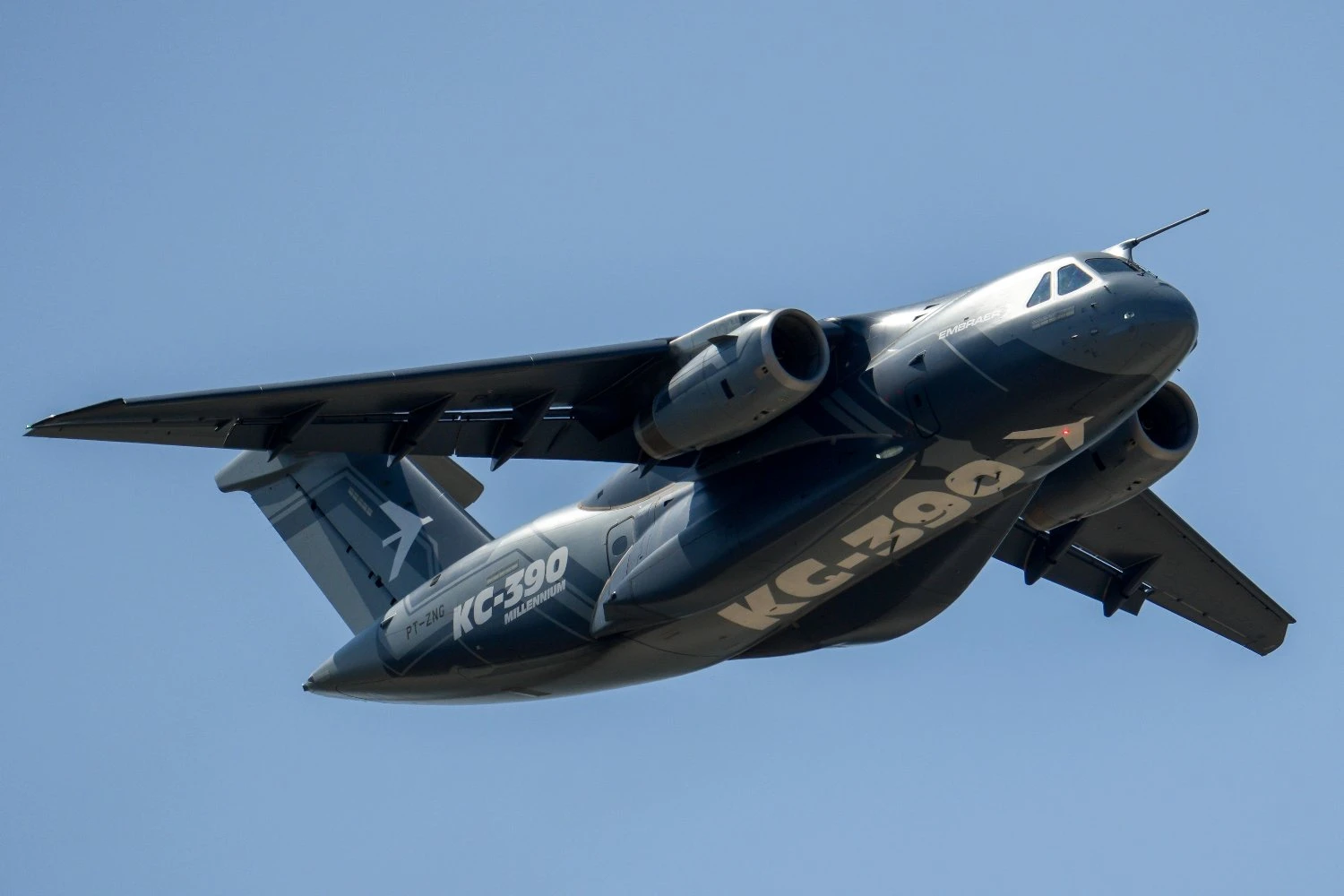
Brazilian aircraft manufacturer Embraer has signed an agreement with a state-owned company to support military aircraft exports through government-to-government (G2G) transactions. The deal, announced on November 25 at the Mostra BID defense exhibition in Brasília, involves ALADA, a company originally established to develop commercial opportunities in Brazil's space industry.
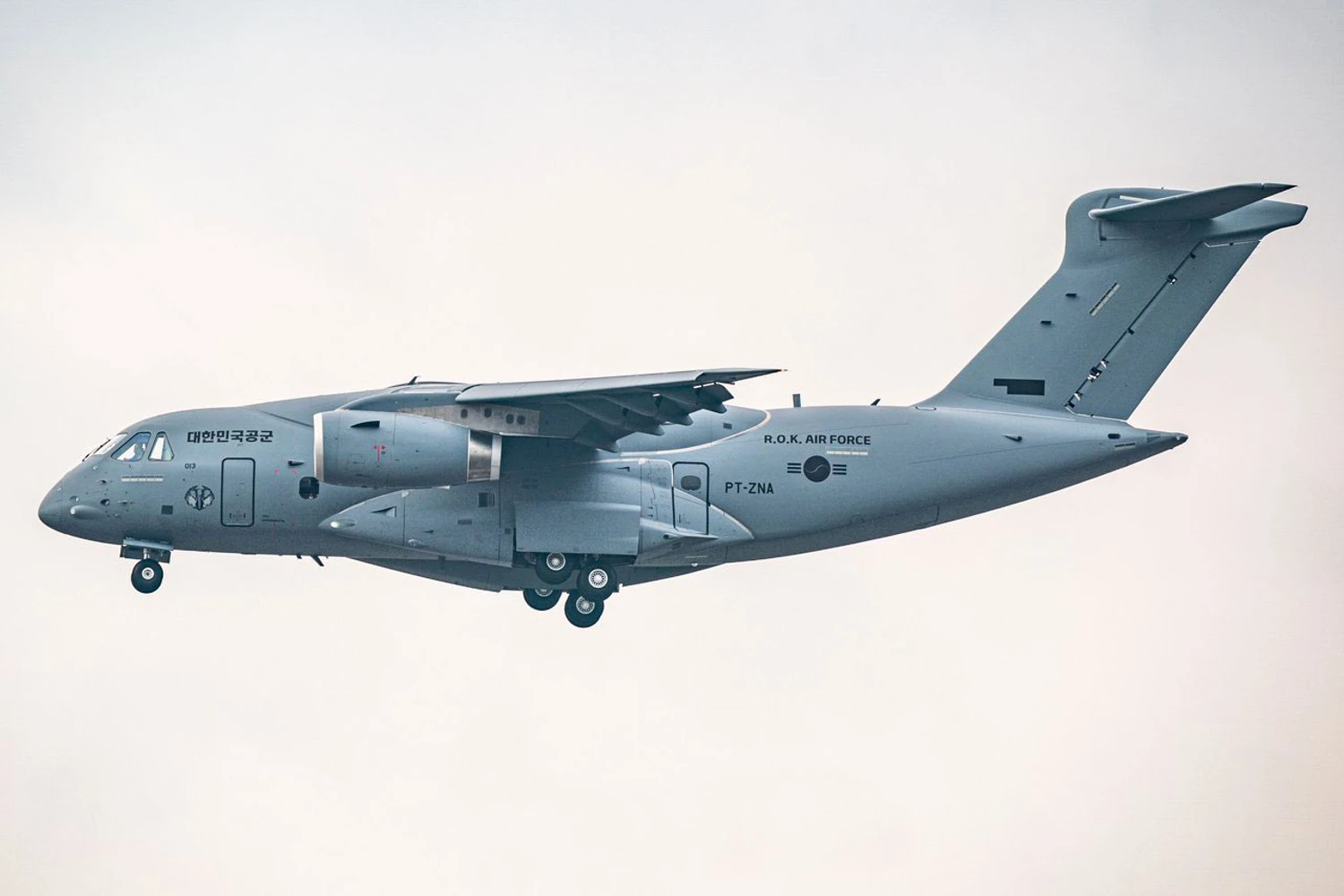
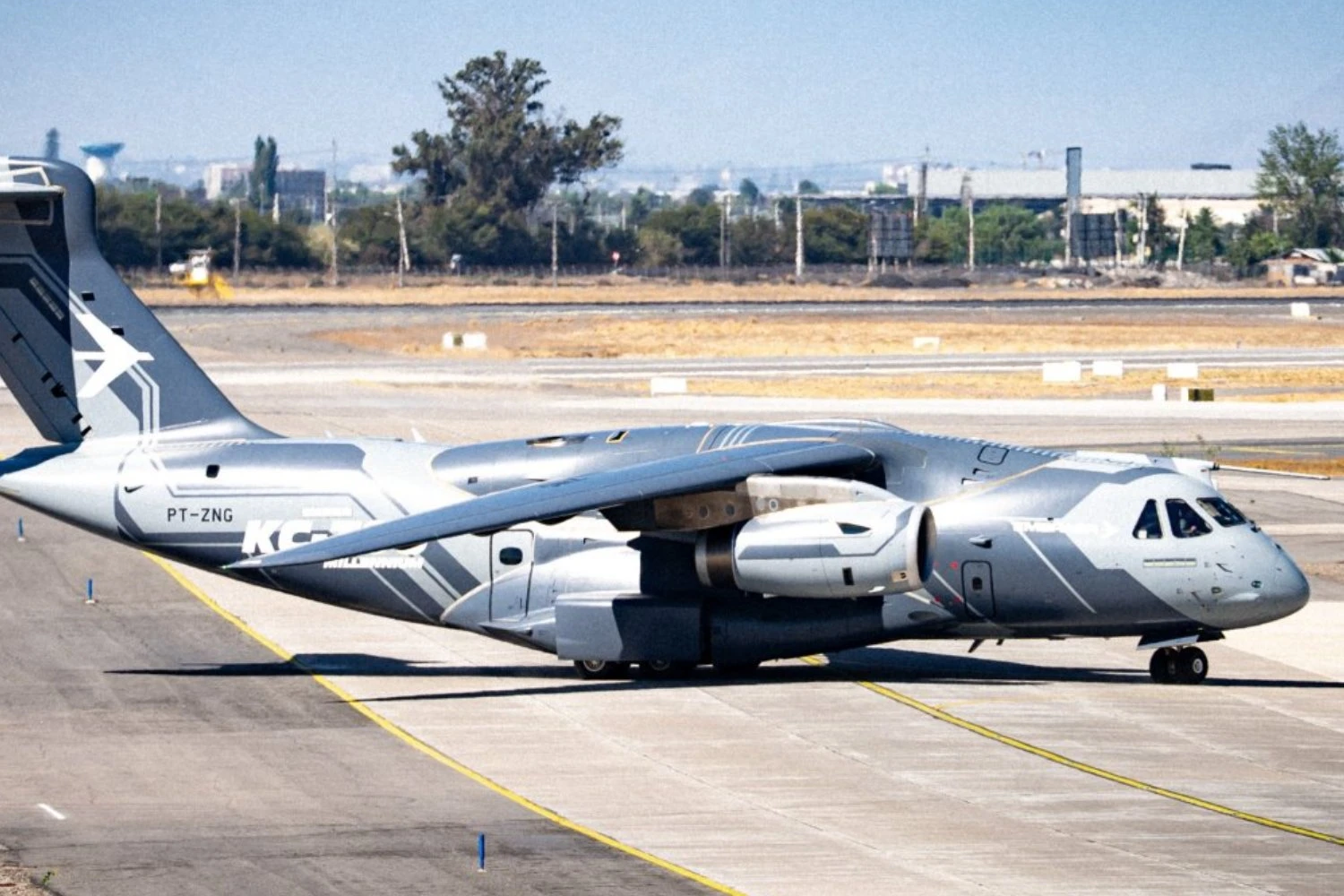
The agreement covers potential sales of the KC-390 Millennium military transport and the A-29 Super Tucano light attack and training aircraft to countries that prefer acquiring defense equipment directly from foreign governments rather than through conventional commercial contracts.
Latin America and Africa are the initial target markets. Embraer and ALADA had already signed a memorandum of understanding at the FIDAE aerospace exhibition in Chile in April 2026 to explore this approach.
The arrangement gives Embraer an additional route to foreign military customers, particularly those whose procurement regulations or policies favor intergovernmental agreements. It does not replace the company's existing direct sales channels.
Brazil establishes framework for government-to-government exports
In March 2026, Brazil's Ministry of Defense introduced regulations allowing designated state-owned companies to participate in G2G defense export transactions.
Follow Air Data News: WhatsApp | Instagram | LinkedIn | Twitter | Facebook
Under the framework, these companies can facilitate commercial negotiations and provide technical oversight of contracts on behalf of foreign buyers, including monitoring delivery schedules and compliance with quality requirements.

The Ministry of Defense may also assist with export financing discussions. However, the involvement of a Brazilian state-owned company does not automatically provide a financial guarantee from the country's Treasury.
The mechanism bears some similarities to the United States' Foreign Military Sales (FMS) program, through which the US government facilitates defense equipment and services sales to foreign governments. The Brazilian arrangement, however, does not necessarily involve the same financial commitments or contractual responsibilities assumed under the American system.
Brazil has already taken steps to use the framework. In April, the Ministry of Defense designated ALADA to participate in a defense export transaction involving Guatemala's Ministry of Defense. The official document did not identify the equipment or manufacturer, making it impossible to establish whether Embraer was involved.
From space infrastructure to defense exports
ALADA, formally Empresa de Projetos Aeroespaciais do Brasil, was authorized by legislation enacted in January 2025. It is a subsidiary of NAV Brasil, the state-owned company responsible for air navigation services in Brazil.
Its original mission centered on developing commercial opportunities involving Brazilian aerospace infrastructure, particularly the Alcântara Launch Center in the northeastern state of Maranhão.
The company was intended to generate revenue from aerospace services and projects, potentially reducing dependence on federal budget allocations for certain activities.
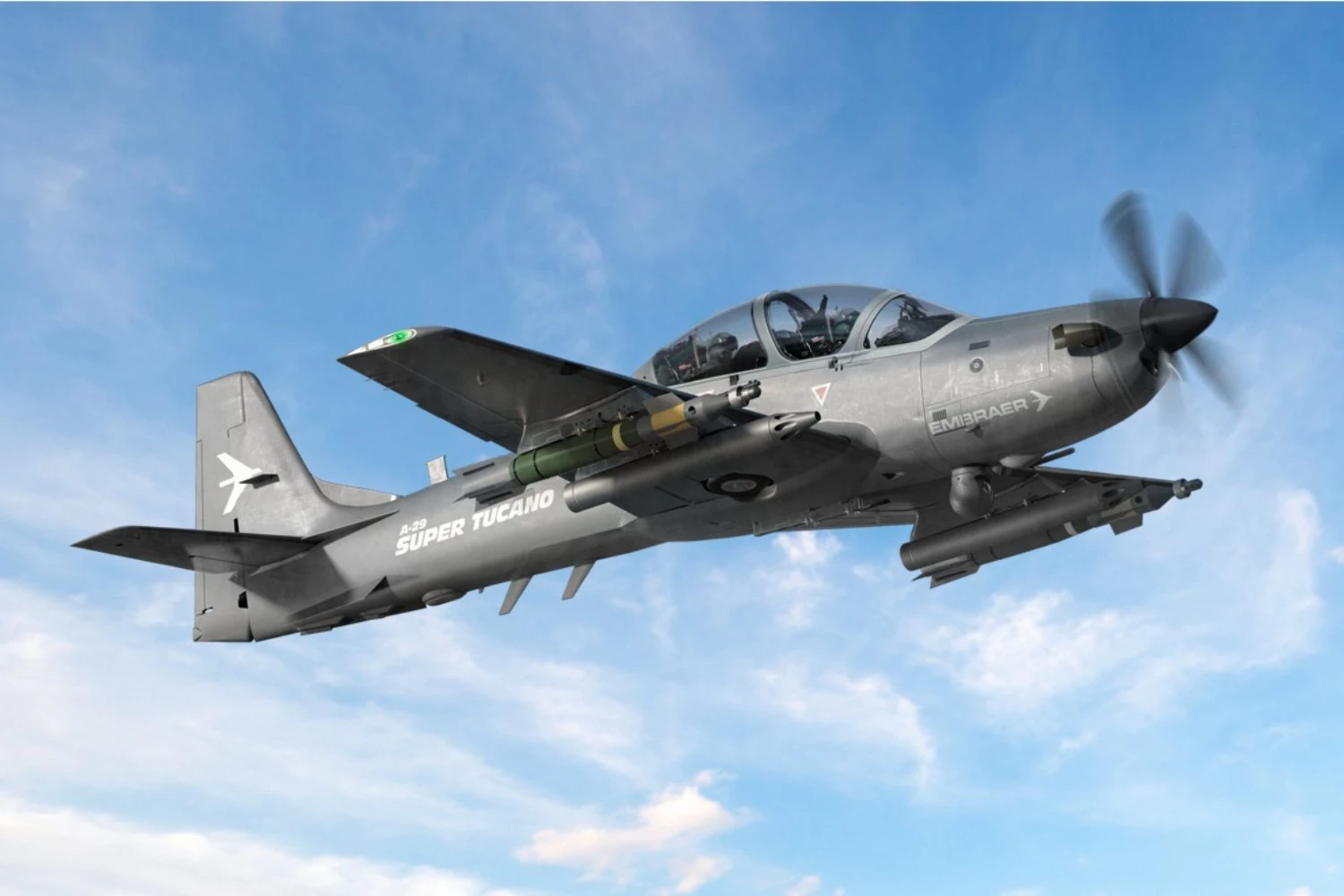
In March 2026, ALADA signed a memorandum of understanding with Brazil's Ministry of Defense covering its participation in defense exports. Similar arrangements were established with EMGEPRON, a state-owned company associated with the Brazilian Navy, and IMBEL, which is linked to the Brazilian Army.
Military aircraft export contracts could provide ALADA with an additional source of revenue, although neither company has disclosed how the state-owned intermediary would be compensated or whether it would receive fees for individual transactions.
Related news

November 23, 2026
November 23, 2026
The November 25 agreement establishes a framework for evaluating future business opportunities rather than confirming aircraft orders. Embraer and ALADA have not identified potential customers or disclosed any negotiations specifically involving the KC-390 or A-29 under the new arrangement.

Report an error