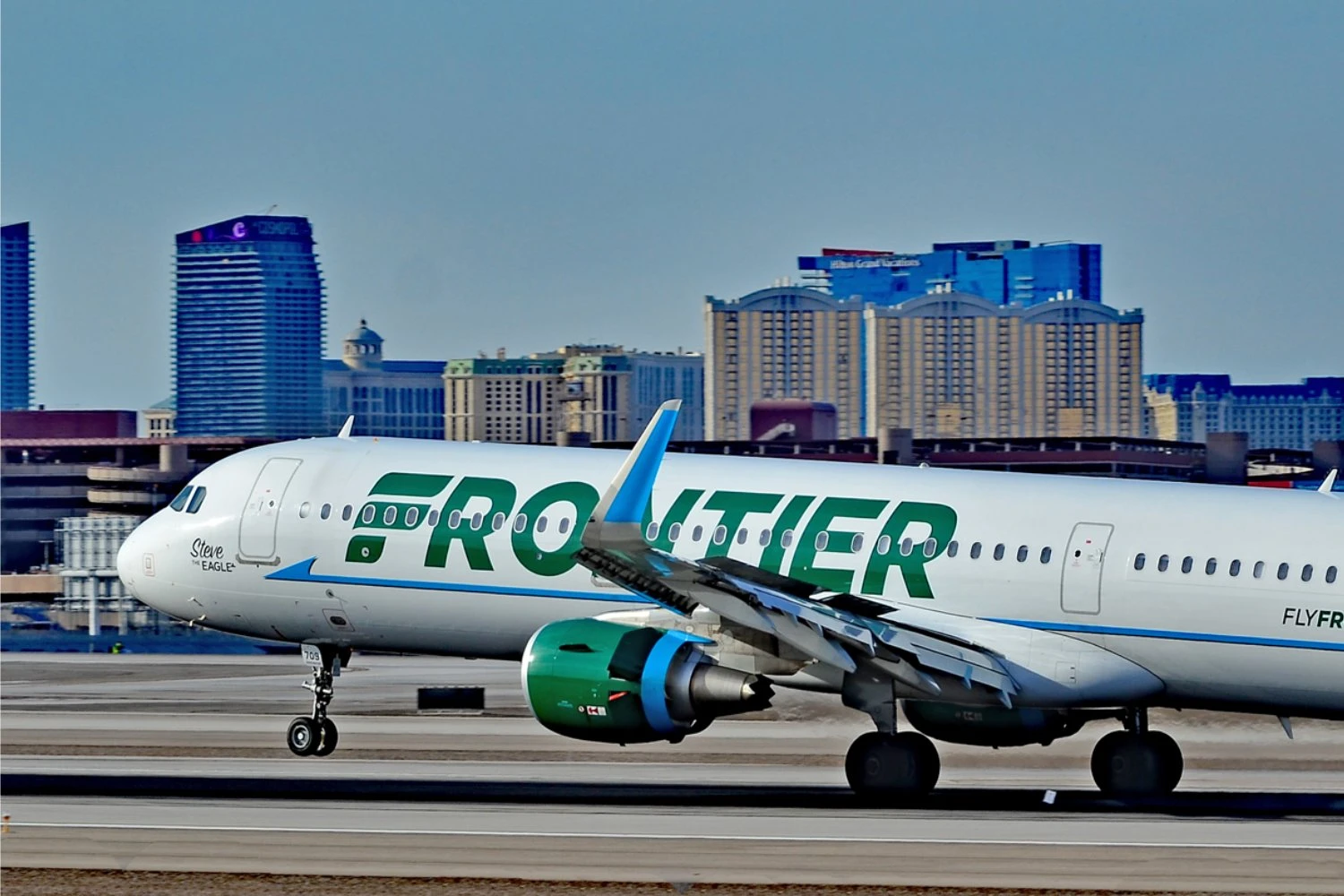
A Frontier Airlines Airbus A321neo struck and killed a person while taking off from Denver International Airport late on Friday, forcing the crew to abort the departure and evacuate passengers on the runway.
The aircraft, operating flight F94345 from Denver to Los Angeles, was accelerating for takeoff on runway 17L at about 11:19 p.m. local time when the collision occurred.
According to Denver airport authorities, the individual had breached the airport perimeter by climbing over a fence and entered the runway area about two minutes before being hit by the aircraft. The person died at the scene and has not yet been identified.
Related news

September 17, 2026
Air traffic control recordings indicate the pilots informed the tower that the aircraft had struck someone during the takeoff roll.
“We’re stopping on the runway. We just hit somebody. We have an engine fire,” one of the pilots said.
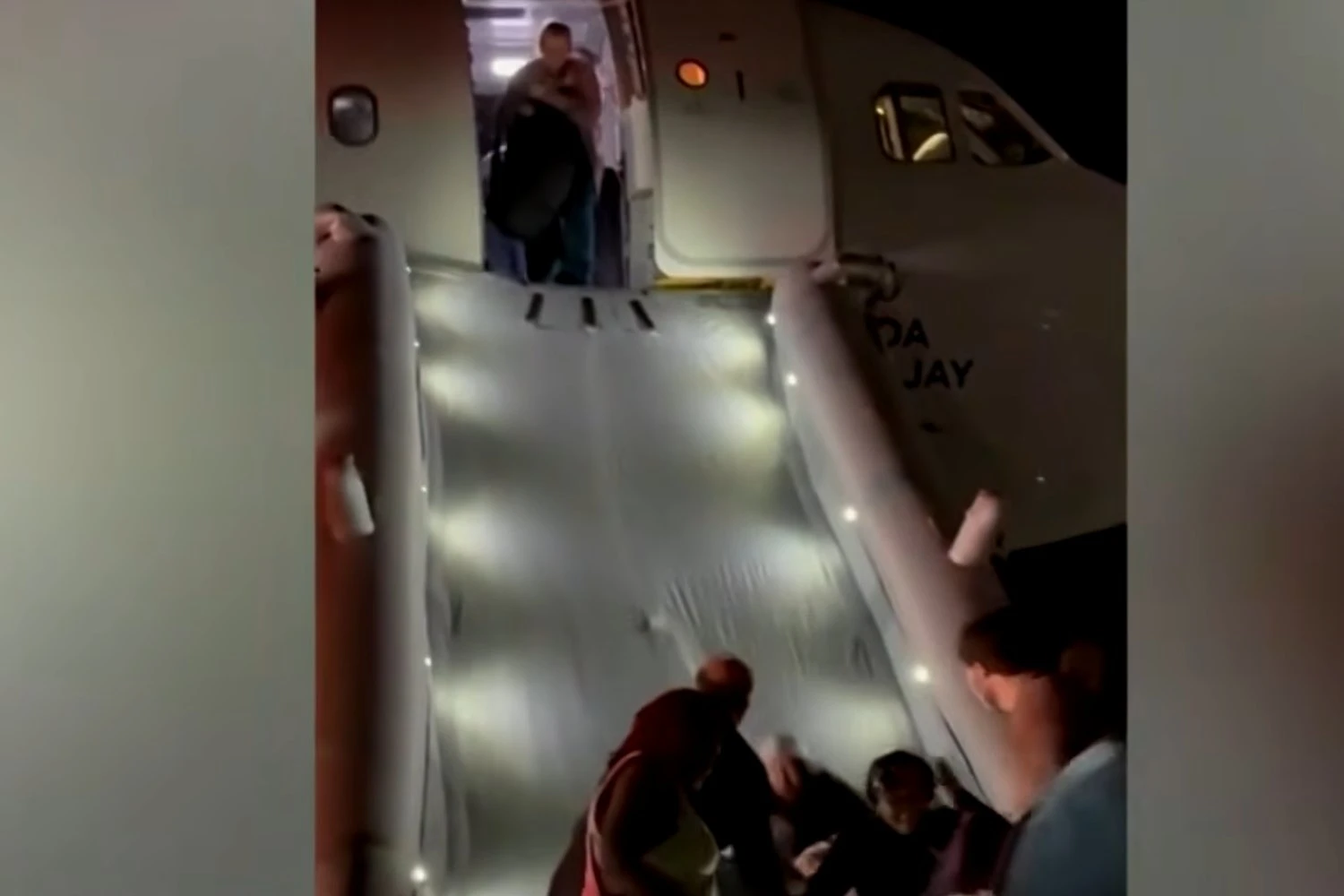
The crew later reported smoke inside the aircraft and initiated an emergency evacuation on the runway.
Frontier Airlines said the A321neo was carrying 224 passengers and seven crew members.
Twelve occupants suffered minor injuries during the evacuation and five people were taken to hospital, according to U.S. Transportation Secretary Sean Duffy.
Passengers evacuated the aircraft using emergency slides before being transported back to the terminal by buses.
Denver airport temporarily closed runway 17L while emergency crews responded to the scene.
The National Transportation Safety Board (NTSB) and the Federal Aviation Administration (FAA) have been notified and are investigating the incident.
Videos of the evacuation have circulated widely on social media, alongside an AI-generated fake image depicting an implausible scene involving an Airbus A320neo stopped on the runway with emergency vehicles nearby, a fire on the right engine and the supposed victim lying in front of the aircraft. Despite the inconsistencies, the image was widely shared online as if it were real.