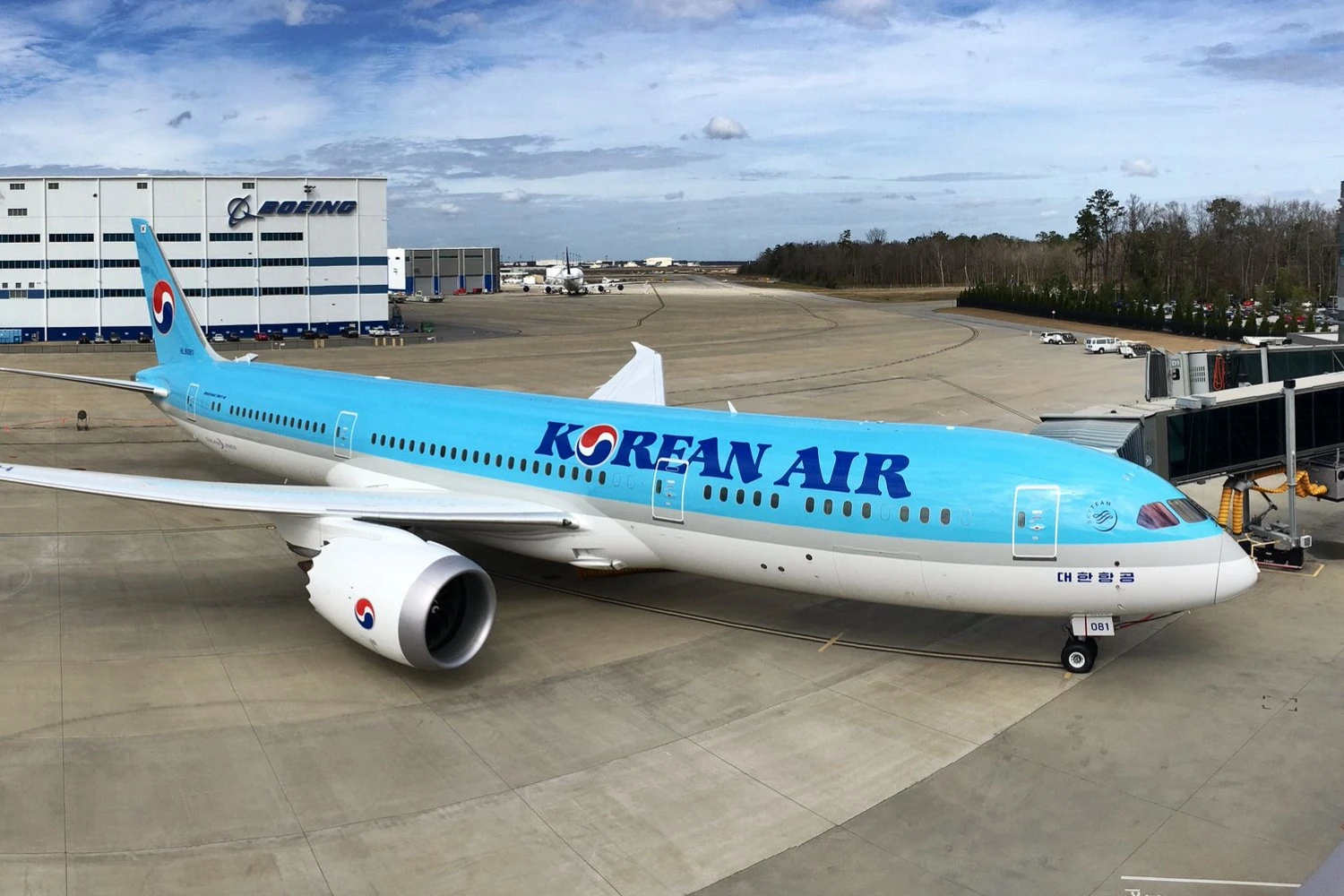
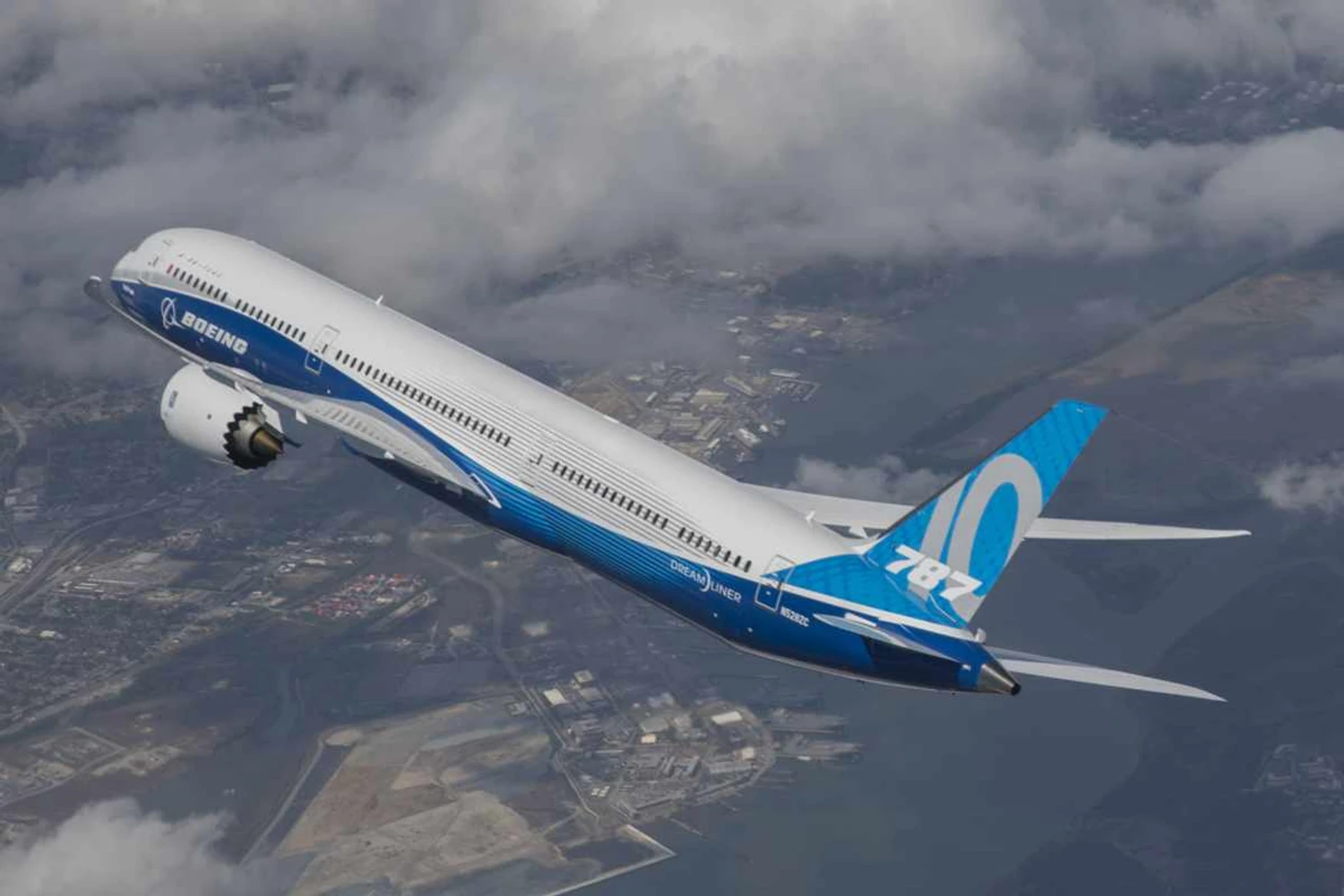
The Federal Aviation Administration (FAA) has ordered inspections of some Boeing 787 Dreamliners for potential fatigue cracks linked to manufacturing discrepancies in a structurally important area of the aircraft.
The final airworthiness directive, published on Wednesday, August 26, covers certain 787-8, 787-9 and 787-10 aircraft and follows an investigation conducted by Boeing into manufacturing errors involving lower side-of-body splice plates associated with the lower outboard wing skins.
Follow Air Data News: WhatsApp | Instagram | LinkedIn | Twitter | Facebook
According to the FAA, Boeing found that gaps requiring shims between structural components may have exceeded engineering tolerances. High forces applied while pulling the components together during assembly could consequently create conditions for fatigue cracks to develop around fastener holes.
The issue is not newly discovered. Boeing issued an Alert Requirements Bulletin addressing the affected structure in August 2025, and the FAA proposed making the inspections mandatory in March 2026. Wednesday's action completes that regulatory process.
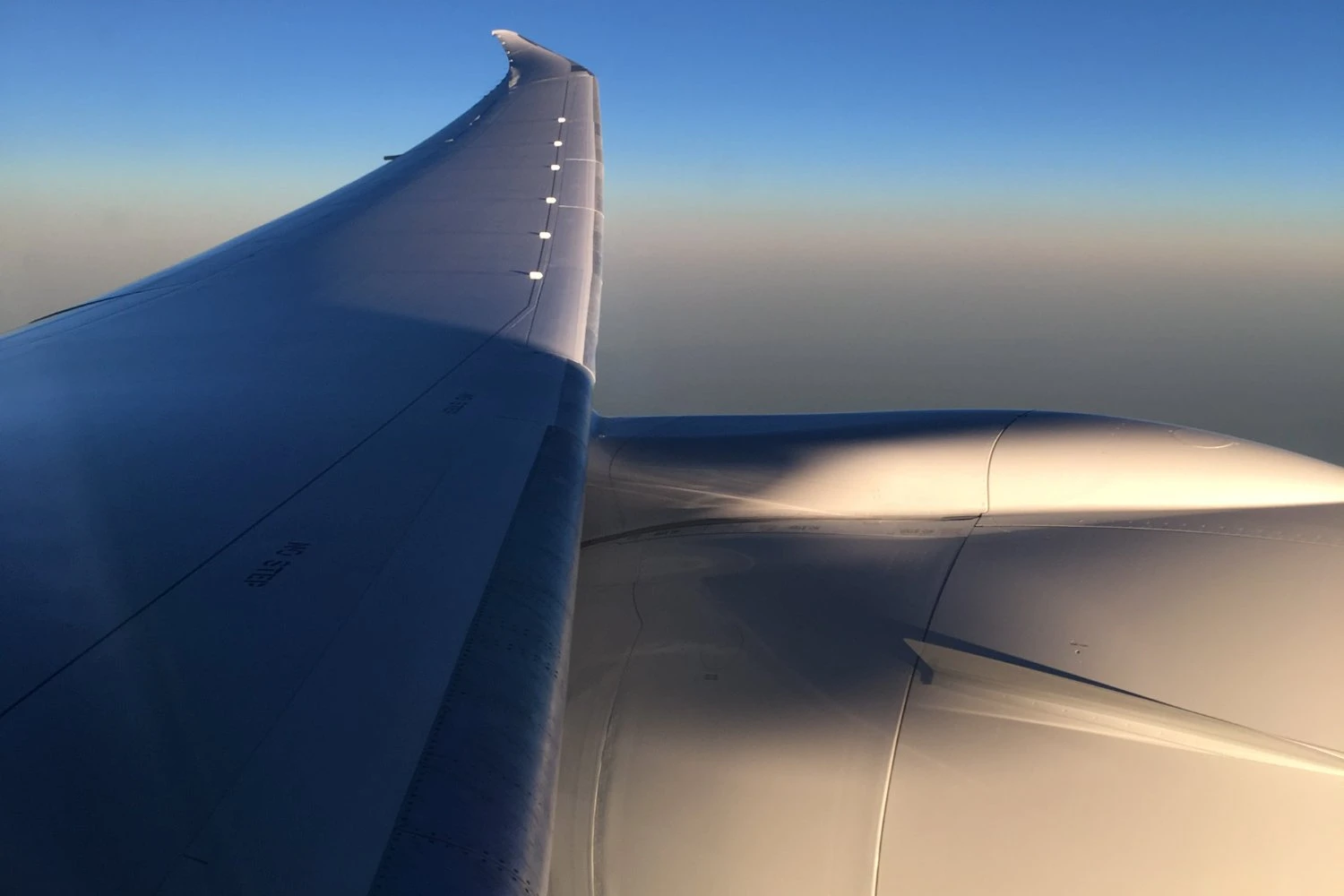
The directive requires different inspections depending on the configuration of each affected aircraft. They include repeated ultrasonic inspections of splice plates and other components in the wing structure, as well as detailed visual inspections and repairs if cracks are detected.
FAA warns of structural consequences
The FAA said undetected fatigue cracks could continue growing and eventually weaken primary wing structure to the point where it could no longer sustain its design limit load, potentially compromising continued safe flight and landing.
The area involved is around the lower side-of-body structure, where major structural elements of the wing connect around the center section of the aircraft. The directive adds another chapter to Boeing's long-running work to address manufacturing and shimming issues on the 787.
Related news
September 21, 2026
September 21, 2026
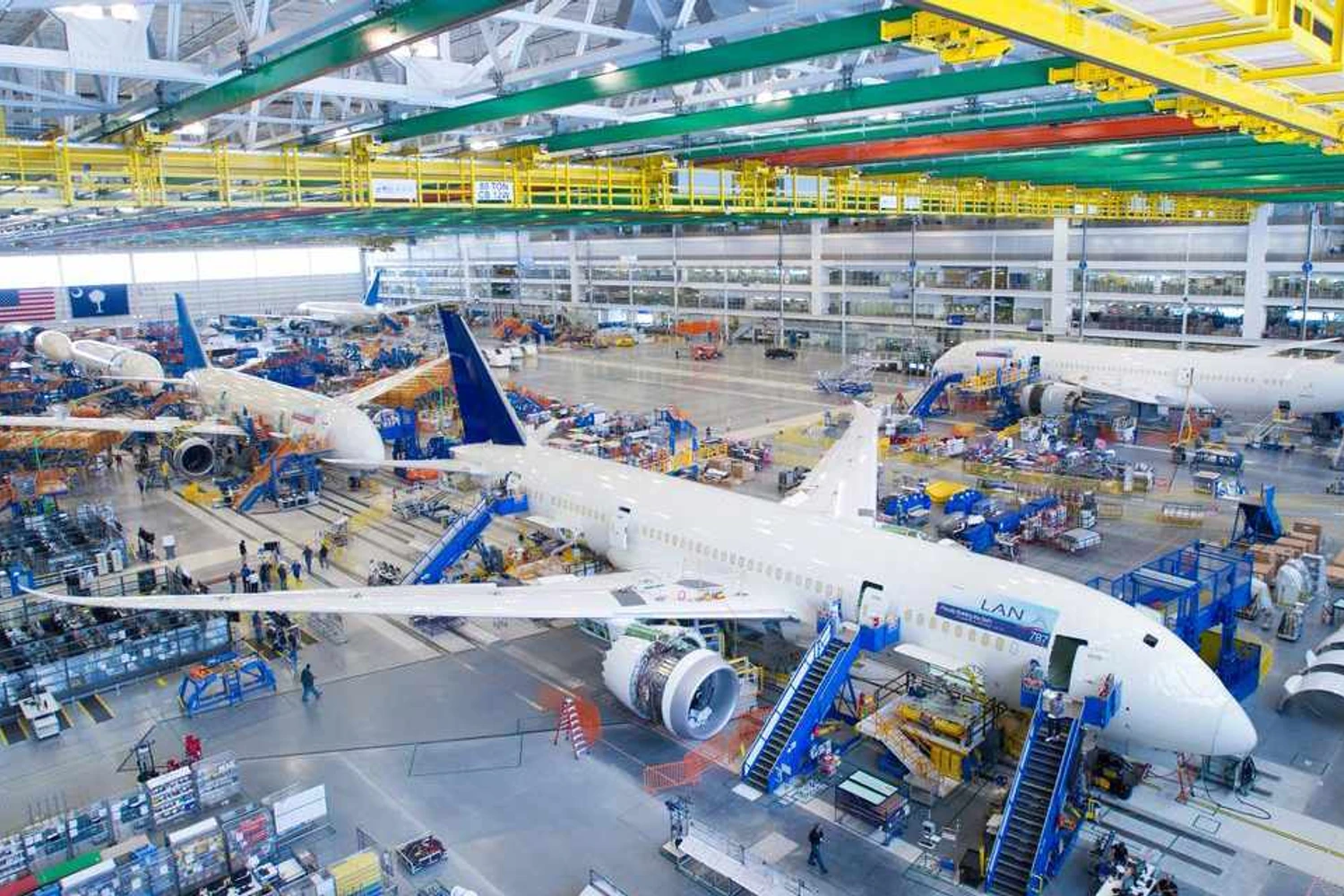
Problems involving gaps between composite structures became a significant issue for the Dreamliner program earlier in the decade. Boeing halted deliveries for several months in 2020 and again faced prolonged delivery interruptions while the FAA reviewed manufacturing and inspection processes.
The latest requirement, however, concerns a specific structural location and should not be interpreted as a new finding affecting the entire 787 fleet. The FAA's March proposal applied only to aircraft identified in Boeing's August 2025 service bulletin.
Boeing's investigation concluded that the combination of excessive shim gaps and high assembly preload forces could create the fatigue condition. The inspections are intended to detect any resulting cracks before they can progress to a level that affects structural integrity.