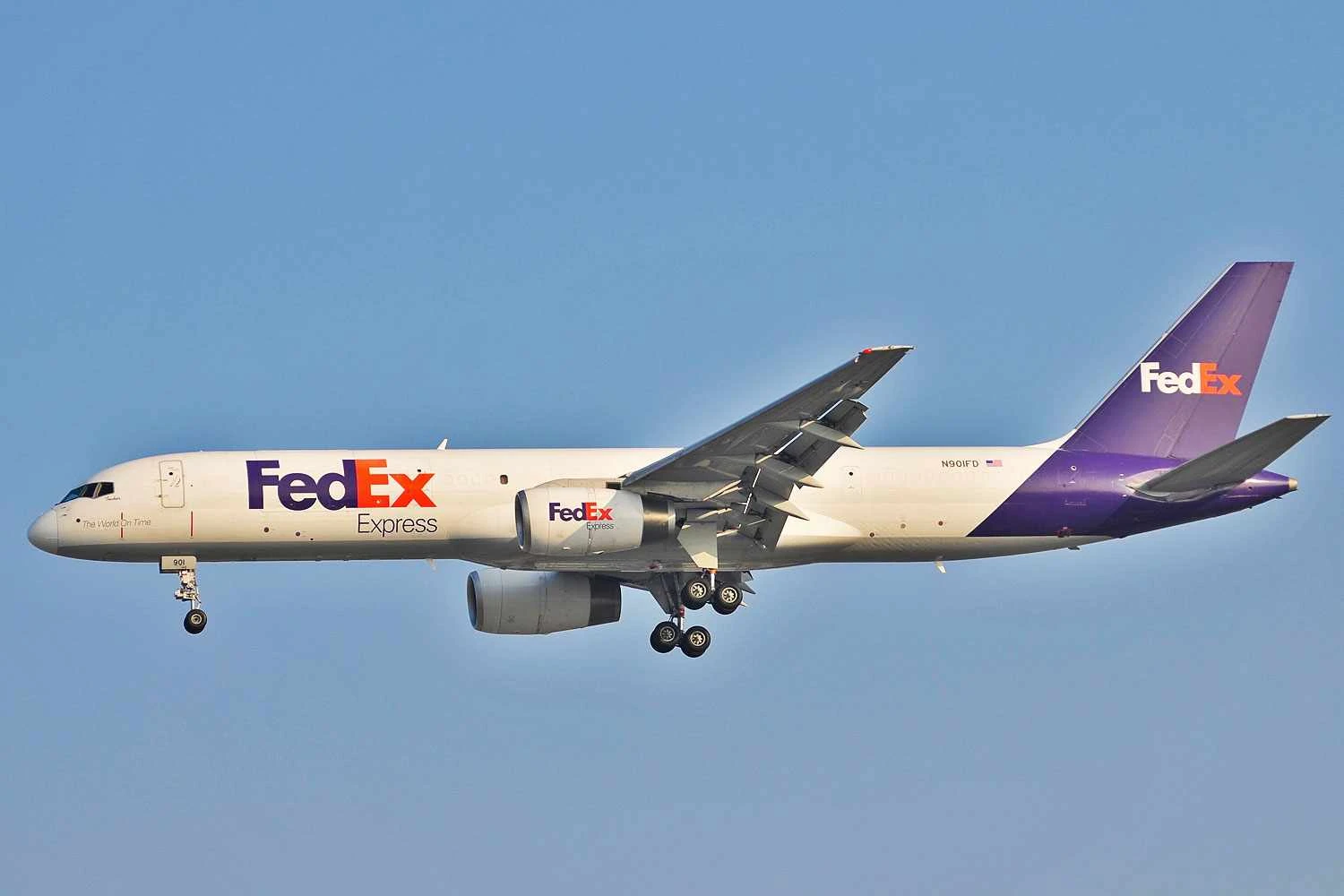
The US Federal Aviation Administration (FAA) has ordered structural inspections of the Boeing 757 fleet after cracks were discovered in previously repaired areas of the aircraft’s fuselage.
The airworthiness directive, published on November 20, takes effect on December 28 and applies to all variants of the narrowbody jet, including the stretched 757-300 and dedicated freighter versions.
The measure follows three reported cases of cracking in reinforced fuselage frames. Two involved undocumented repairs, and the third involved a repair performed in accordance with Boeing’s structural repair manual but without subsequent damage tolerance inspection requirements.
The concern is that cracks could develop undetected around previously repaired frames, compromising the ability of structural components to withstand the loads encountered during flight.
Follow Air Data News: WhatsApp | Instagram | LinkedIn | Twitter | Facebook
The FAA estimates that the directive affects 427 US-registered aircraft, with inspections requiring up to 263 labor hours per airplane at an estimated cost of US$22,355. The combined inspection bill for US operators could reach US$9.5 million, excluding corrective work.
Airlines warn of potential groundings
The FAA initially proposed the directive in April, following a technical bulletin issued by Boeing in December 2025.
Airlines for America (A4A), a trade association representing major US carriers, warned during the consultation period that the number of structural repairs likely to be identified could create a substantial workload for operators, Boeing and the regulator.
The association and FedEx requested additional time to address repairs previously approved by the FAA or its designated representatives. A4A proposed a compliance period of up to 36 months for the applicable follow-up work.
The regulator rejected the request, concluding that previously approved repairs were also susceptible to the structural problem identified in the directive.
Related news
Aircraft requiring corrective action after inspection must undergo the applicable work before returning to service. The directive does not, however, require the entire 757 fleet to be grounded when it takes effect in December.
US carriers still rely on the 757
More than two decades after production of the 757 ended, the aircraft remains an important part of the fleets of major US passenger and cargo airlines.
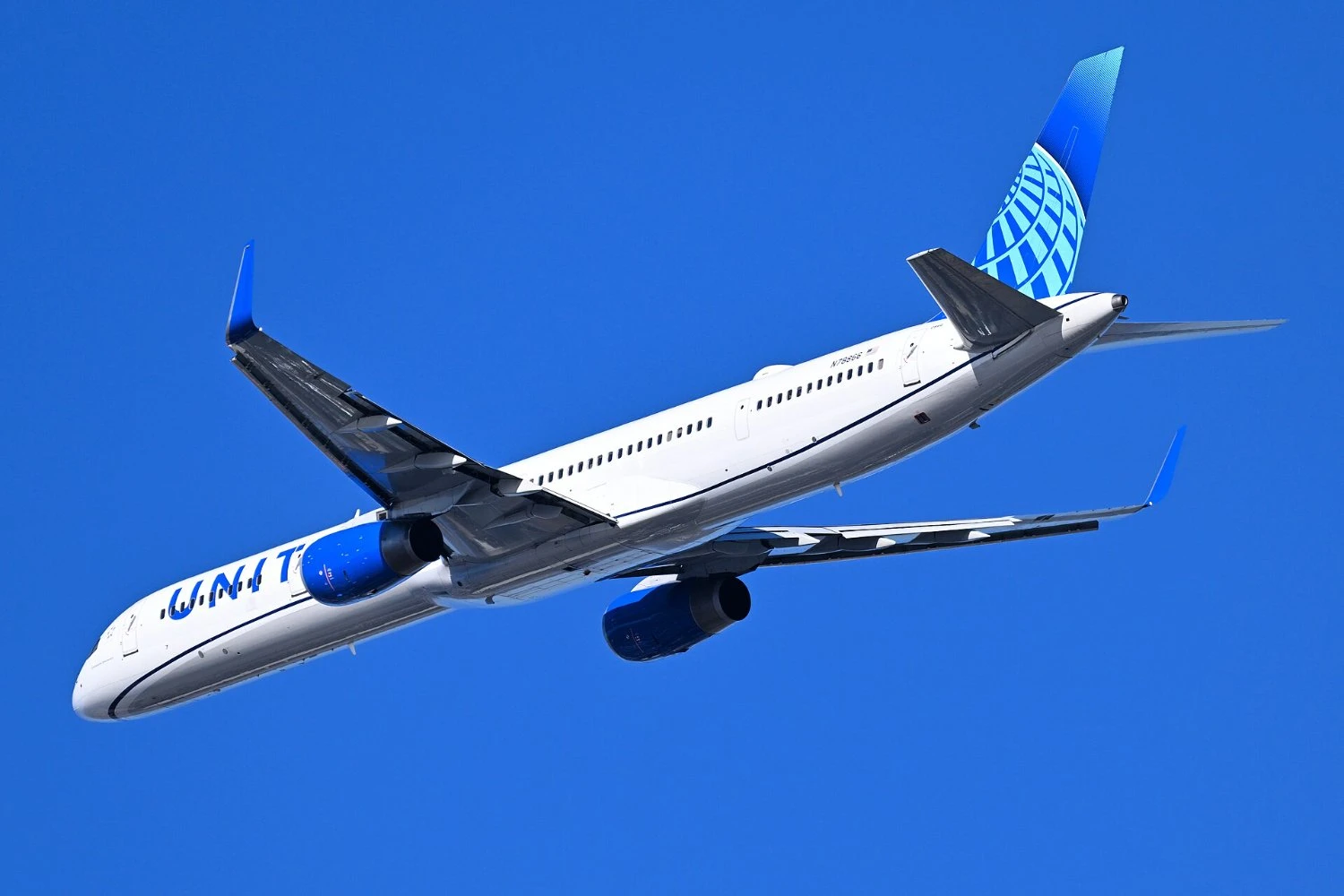
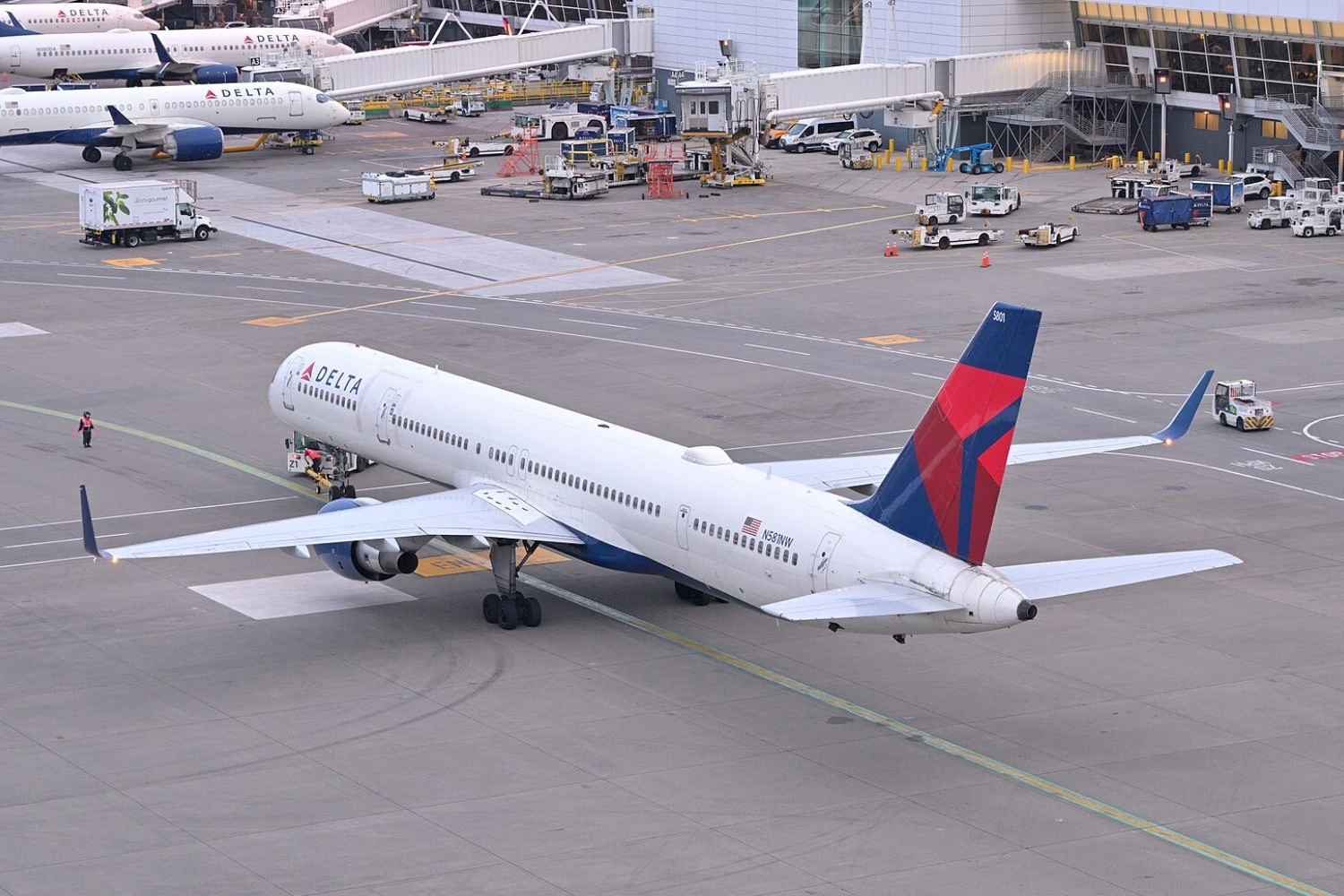
Delta Air Lines has 86 Boeing 757s in its fleet, including 16 examples of the stretched 757-300, according to data from Planespotters.net. United Airlines has another 61 aircraft, including 21 757-300s.
FedEx has 81 converted 757-200 freighters, with an average age of nearly 35 years. The company retired 22 aircraft of the type in 2024. UPS Airlines is also a major operator of the type and was among the carriers represented by A4A during the consultation process.
UPS has 75 Boeing 757 freighters with an average age of 33.3 years. Together, the four US carriers have 303 aircraft of the type in their fleets, including 25 currently listed as parked.
| Airline | 757-200 | 757-300 | Total | Average age |
|---|---|---|---|---|
| Delta Air Lines | 70 | 16 | 86 | 27.6 years |
| FedEx | 81 | – | 81 | 34.8 years |
| UPS Airlines | 75 | – | 75 | 33.3 years |
| United Airlines | 40 | 21 | 61 | 27.9 years |
| Total | 266 | 37 | 303 | – |
Source: Planespotters.net, November 2026.
Nearly 450 Boeing 757s remain in airline service worldwide, including more than 250 freighters, according to industry data cited by Air Cargo News.
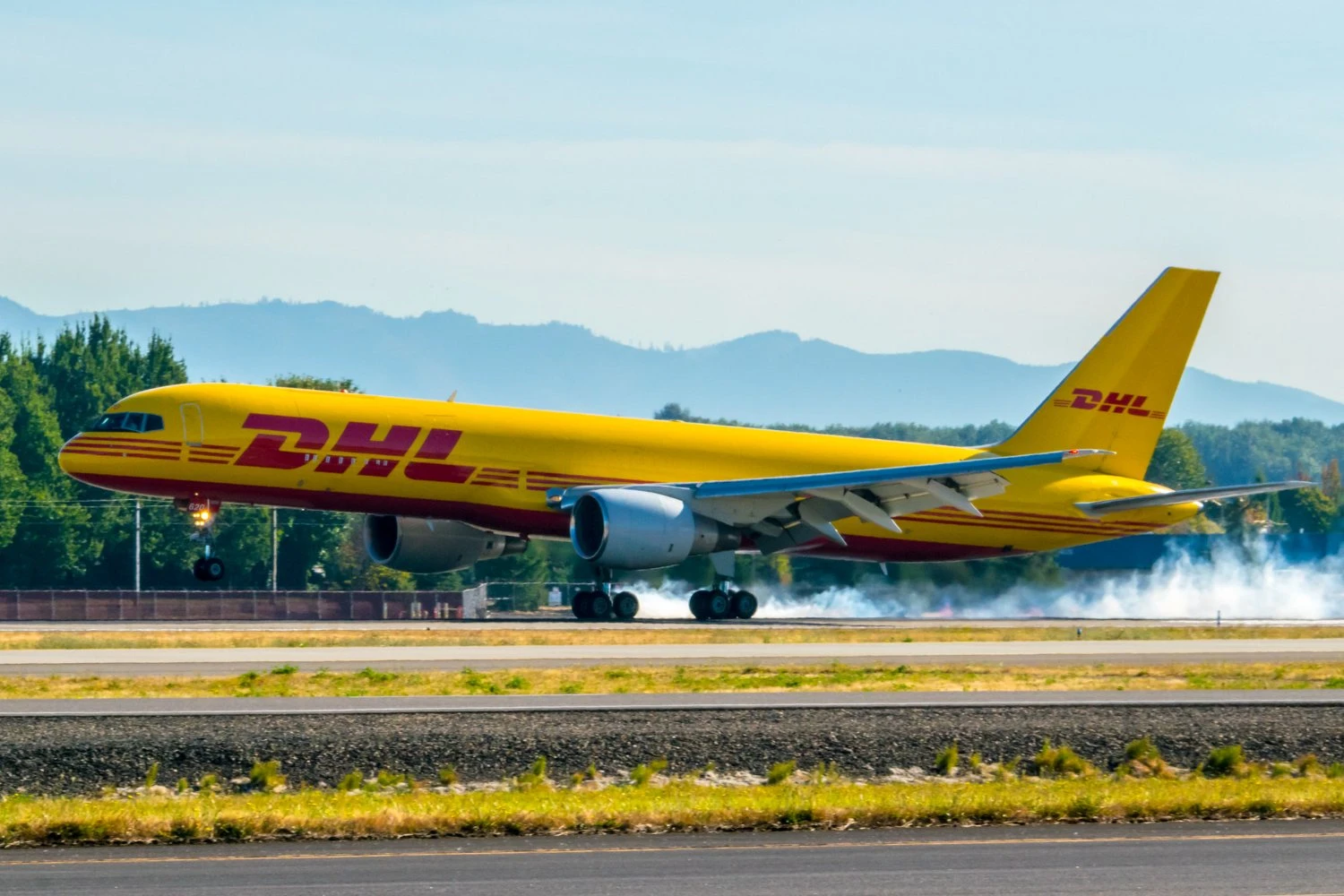
United has selected the Airbus A321XLR to replace its older 757-200s on long-range passenger routes, but the cargo industry has yet to see a dedicated new-build narrowbody freighter offering comparable payload capabilities to the Boeing aircraft.

Report an error