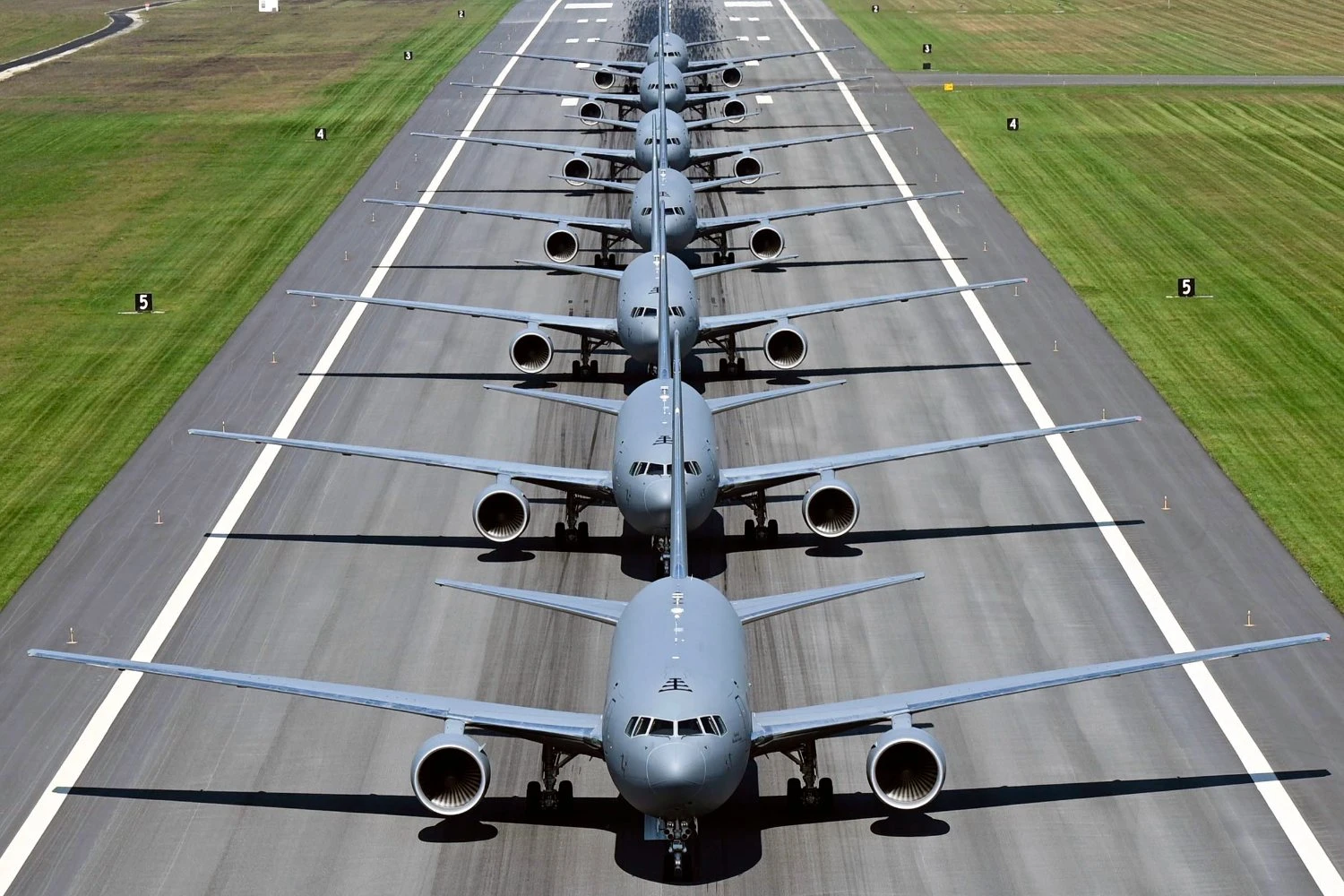
Boeing has received a US$2.819 billion contract from the US Air Force (USAF) for 15 additional KC-46A Pegasus aerial refueling aircraft, bringing the total number of tankers ordered worldwide to 203.
Announced on November 24, the contract covers the 13th production lot, with work expected to be completed by June 2030.
The latest batch completes the planned acquisition of 188 aircraft by the US Air Force, which originally intended to purchase 179 tankers under the KC-X program.
Boeing has delivered 124 KC-46As since 2019, including 116 to the US Air Force, six to the Japan Air Self-Defense Force and two to the Israeli Air Force. The remaining 79 aircraft are yet to be delivered.
Follow Air Data News: WhatsApp | Instagram | LinkedIn | Twitter | Facebook
The US Air Force is also considering the acquisition of another 75 Pegasus tankers after abandoning plans for a separate competition for an interim aerial refueling aircraft. The additional purchase is contingent on resolving outstanding technical deficiencies with the KC-46A.
Troubled development
The origins of the Pegasus date back to a lengthy competition to replace the oldest aircraft in the US Air Force’s tanker fleet.
In 2008, Northrop Grumman and Airbus won the competition with the KC-45, a derivative of the A330 Multi Role Tanker Transport (MRTT). Boeing successfully challenged the decision and subsequently won a new competition in 2011 with its 767-based tanker.
The KC-46A made its first flight in September 2015, but deliveries did not begin until January 2019, more than a year behind the original schedule.
Among the most persistent technical deficiencies is the Remote Vision System (RVS), which allows boom operators to conduct aerial refueling using cameras and displays instead of directly observing the receiving aircraft through a window.
Related news
November 24, 2026
November 24, 2026
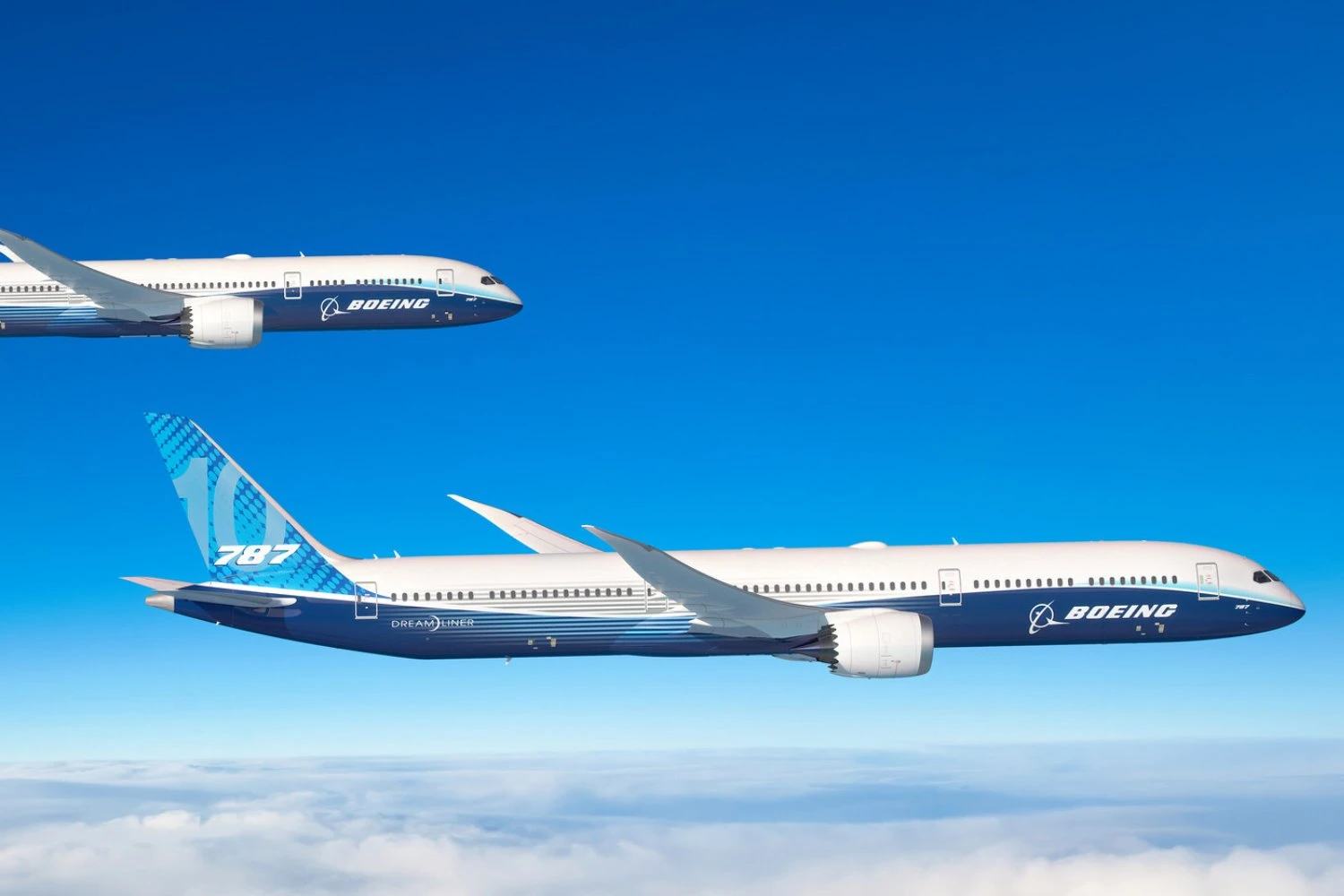
A redesigned system, known as RVS 2.0, is expected to enter service in 2028. Boeing has also faced manufacturing quality issues, including structural problems that temporarily halted deliveries in 2025.
Despite these difficulties, the US Air Force’s Pegasus fleet has accumulated more than 180,000 flight hours, according to Boeing.
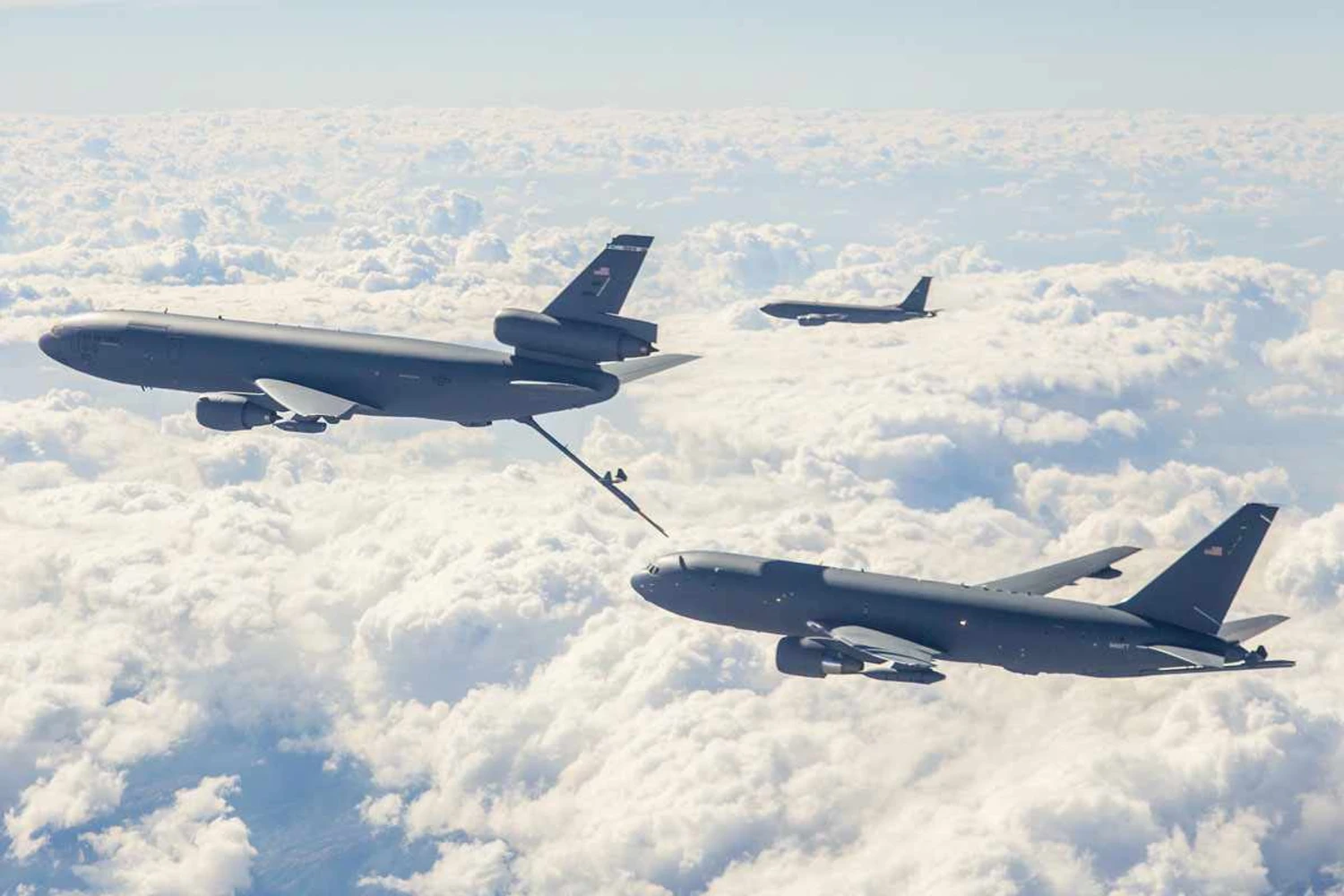
KC-135 could remain in service for decades
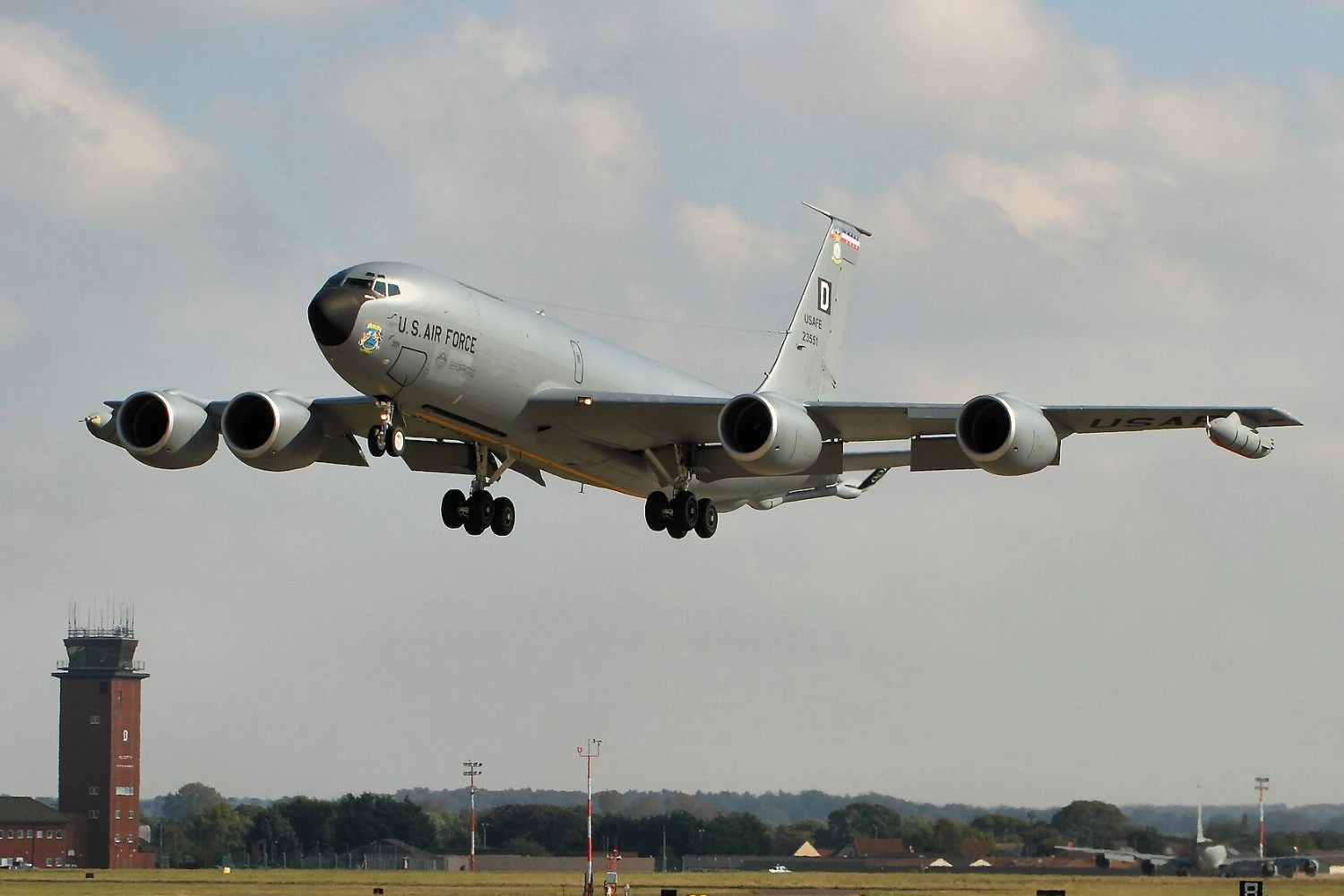
The scale of the challenge facing the KC-46 program is illustrated by the number of KC-135 Stratotankers still in service.
According to a report published this year by the US Government Accountability Office (GAO), the Air Force had 373 KC-135s and 103 KC-46As in March 2026.
The Stratotanker, which entered service in June 1957, therefore accounted for nearly 80% of the service’s aerial refueling fleet at the time.
The retirement of the last of the 59 McDonnell Douglas KC-10 Extenders in September 2024 left the US Air Force dependent on just two tanker types.
The Air Force expects to operate the KC-135 until at least 2050, with the possibility of extending its service life to 2075. By then, the Boeing tanker would have been in military service for 118 years.
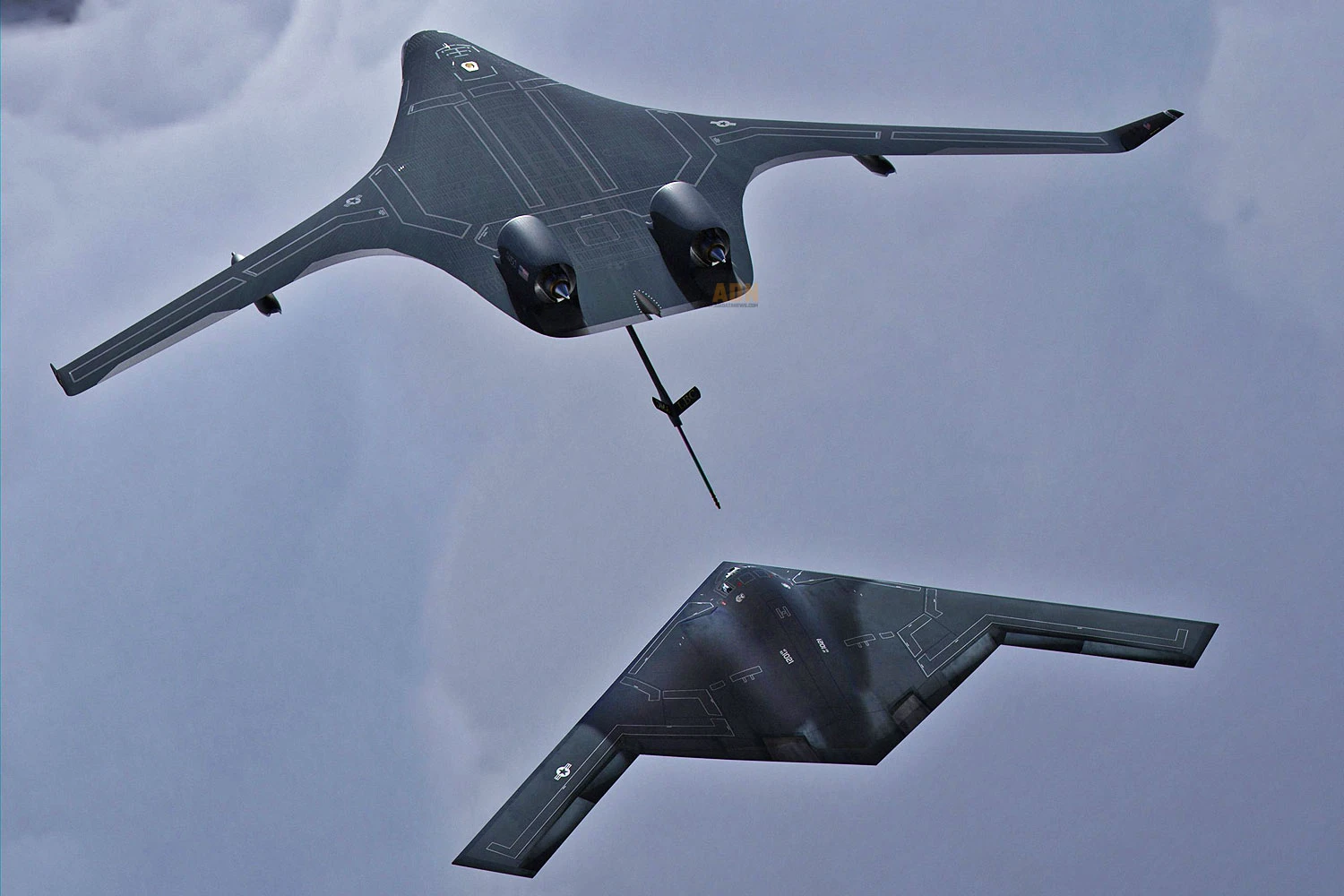
Even if the proposed purchase of another 75 KC-46As goes ahead, the Pegasus will not be available in sufficient numbers to replace the entire remaining Stratotanker fleet on a one-for-one basis.
The US Air Force is also studying requirements for a next-generation aerial refueling system under its Next Generation Air-refueling System (NGAS) program. Concepts under consideration have included unmanned tankers and aircraft with reduced radar signatures capable of operating closer to contested airspace.
Among the potential candidates is the KZ-4, a tanker concept proposed by JetZero based on a blended wing body (BWB) configuration, which offers greater aerodynamic efficiency than conventional aircraft designs.

Report an error